An Introduction to Yunnan Coffee | Yunnan Arabica Coffee Beans from Baoshan with Melon Aroma, Fruity Acidity, and Tea-like Notes
FrontStreet Coffee - Introduction to Yunnan Baoshan Typica Coffee
From a biological standpoint, coffee varieties fall into three species: Arabica, Robusta, and Liberica. The two that dominate world consumption are Arabica and Robusta. As a rule, Arabica is the bean of choice for single-origin and specialty coffee, while Robusta goes largely into instant coffee. And viewed through the lens of both coffee culture and genetics, Bourbon and Typica are the two most important branches of the Arabica family.
Typica is the most classic of the fine Arabica varieties — the ancestor from which many commercial cultivars were bred. Its flavor quality is superb and it is recognized as a true specialty variety, but yields are extremely low and the plant is susceptible to coffee leaf rust, demanding far more labor-intensive management. Typica originated in Ethiopia and southeastern Sudan and remains the most widely planted variety in the Western Hemisphere. The plants are relatively vigorous but intolerant of intense sunlight, and they produce particularly well in Hawaii. Typica's young top leaves are a reddish bronze, which is why it is sometimes called "red-topped coffee."
Baoshan City introduced Typica and Bourbon as early as the 1950s; locals call them the "old varieties." Because these old varieties have relatively weak resistance to pests and disease, along with low yields and demanding cultivation, they have largely been displaced elsewhere — which is precisely what makes Yunnan's old-line stock interesting. From a botanical perspective, Yunnan small-bean coffee is genetically close to two world-famous names: Jamaica Blue Mountain and Hawaii Kona.
Unlike many other varieties, Typica coffee cherries are distinctly conical in shape. The quality of Typica is so high that plantations worldwide prize it. When properly cultivated, Typica delivers high sweetness, a clean cup, and pleasant acidity. Yunnan Typica offers an Asian herbal aroma, lively and bright acidity, and a mouth-watering juiciness; the cup is balanced with soft acidity and rich body, with layered flavors and clear notes of dark chocolate, honey, and sucrose in the aftertaste. Once the cup cools completely, brown sugar flavors emerge.
Yunnan Huaguoshan
Region: Baoshan
Variety: Typica
Altitude: 1300m
Processing: Washed
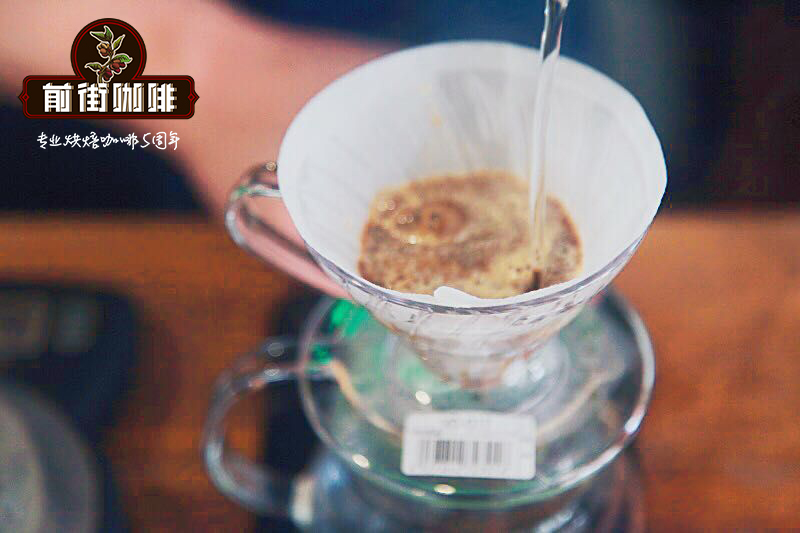
Pour-over parameters: 15g of coffee, Kono dripper, water temperature 87°C, coffee-to-water ratio 1:15, grind size BG 6W (58% pass-through on a China-standard #20 sieve).
Technique: Bloom with 30g of water for 30 seconds, then pour in segments with a small, even flow up to 120g. Once the water level drops and the coffee bed is about to be exposed, continue pouring to 220g, then stop. Remove the dripper when dripping finishes. Total extraction time from the start of the bloom is roughly 1 minute 50 seconds.
Yunnan Huaguoshan shows a light citrus acidity and nutty aroma in the dry fragrance. On the palate you'll find plum and citrus acidity with nutty flavors, melon and stone-fruit notes, and brown sugar sweetness, while the aftertaste carries a distinct black tea character. Overall, the flavor layers are remarkably rich.
Knowledge Extension
In 1959, Portuguese growers carried the Bourbon mutation Catuai from Brazil to East Timor, where it was crossed with Timor — a variety with Robusta ancestry — to create Catimor, a hybrid with superior disease resistance and productivity.
Conclusion
In short, FrontStreet Coffee is a dedicated coffee research establishment that loves sharing coffee knowledge. We share everything without reservation to help more friends fall in love with coffee, and we hold three discounted coffee events every month, because FrontStreet Coffee wants more friends to enjoy the best coffee at the lowest possible price. That has been our mission for six years!
FrontStreet Coffee Recommendation
Yunnan's old-line Typica is genetically close to Jamaica Blue Mountain — so if you enjoy this style of cup, its famous "cousin" deserves a place on your shelf. Genuine Jamaica Blue Mountain coffee is rare and highly balanced: it has neither the aggressive fruit acidity of many African coffees nor the heavy bitterness of dark roasts, but strikes an exceptional balance between acidity, sweetness, bitterness, and aroma, with layered notes of cream, caramel, chocolate, nuts, honey, and a gentle fruit tone.
FrontStreet Coffee Jamaica Blue Mountain No.1: The highest grade of Jamaican Blue Mountain, sourced from the historic Clifton Estate, which has grown coffee since roughly 1750 at an average elevation of about 4300 feet (1310.64m), where cool afternoon cloud cover, ample sunshine, and mineral-rich soil slow the cherries' ripening and deepen their flavor. Authenticity is easy to verify: full origin certification plus the traditional wooden barrels (in 15kg, 45kg, and 70kg sizes) in which genuine Blue Mountain coffee is shipped. Roasted medium-dark to highlight its classic balance, with nuts, dark chocolate, creamy caramel, and soft sweetness unfolding in layers — rich yet never harsh, with a clean, lingering finish. For brewing, FrontStreet Coffee suggests a Kono dripper, 15g of coffee rested 4-7 days from roast date, a medium-coarse grind (about the texture of white sugar), water at 87-88°C, a 1:15 ratio, and three pours: 30g bloom for 30 seconds, then to 120g, then to 225g.
Important Notice :
FrontStreet Coffee is a long-established specialty coffee roaster in Guangzhou China, selling freshly roasted beans from its own farm in Yunnan as well as dozens of carefully selected single-origin beans from around the world for both pour-over and espresso. The products deliver consistently excellent quality and great value, with shipping within 24 hours. Guangzhou's FrontStreet Coffee shop is recommended by many coffee lovers, and the beans are now available online at the Tmall 。
FrontStreet Coffee has moved to a new address:
FrontStreet Coffee Address: 315,Donghua East Road,GuangZhou
Tel:020 38364473
 Scan and follow the En Gafei WeChat official account. Please indicate that the reprint comes from "En Gafei".