Which Indonesian Coffee Brand is Best? Tiger Mandheling Coffee Offers Flavor Comparable to Golden Mandheling
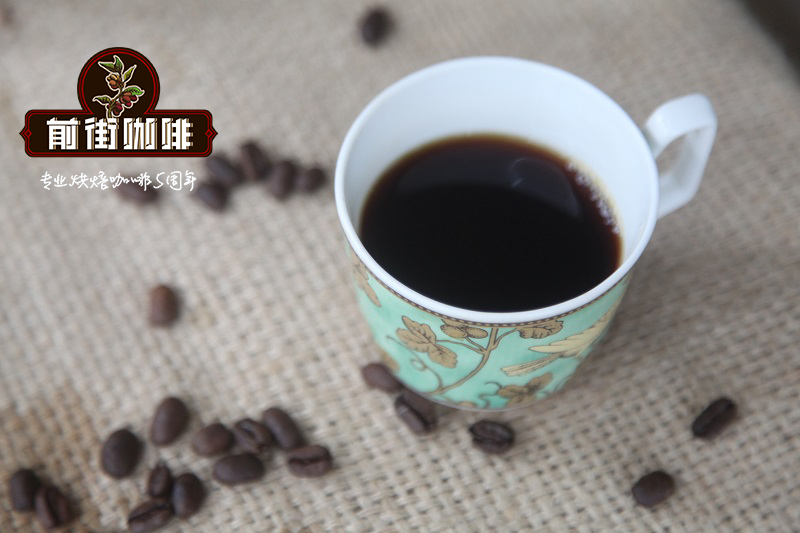
FrontStreet Coffee: Indonesian Coffee Brand - An Introduction to Tiger Mandheling
Mandheling coffee is best known through its Golden Mandheling expression. Coffee enthusiasts travel thousands of miles to FrontStreet Coffee specifically for the rich, mellow taste of Golden Mandheling - naturally, since good coffee attracts devoted fans. But Golden Mandheling isn't always available, in which case you might try another equally renowned variety: Tiger Mandheling.
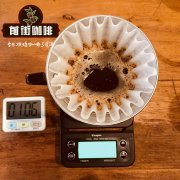
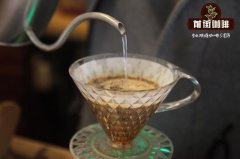
Tiger Mandheling grows on slopes at around 1500 meters above sea level, where a humid tropical rainforest climate brings abundant rainfall and volcanic soil supplies rich nutrients. Because of the year-round humidity, the wet-hulled method is used to shorten drying time. Brew it with 88-89°C water, a sugar-granule grind, and a Kono dripper at a 1:14 ratio; after a 30-second bloom, a single-pour method reveals distinct dark chocolate and creamy flavors with high clarity.
Each year from March to May and from September to December is the Mandheling harvest season in Sumatra. Most farmers now pick only fully red cherries: cherries collected in the morning have their skin and pulp removed that afternoon. Sumatra's natural environment is superb, and most of the water used comes from mountain springs.
The Wet-Hulling Process:
1. Cherries are depulped and the parchment beans placed in large water tanks or troughs, where any defective beans floating on the surface are scooped out.
2. The dense beans that sink are briefly cleaned, then placed in barrels or plastic bags for a short dry fermentation, letting the mucilage sugars on the seed coat ferment and build flavor. Broadly, the longer the fermentation, the stronger the acidity. Duration varies by producer - usually just a few hours - though some estates skip the dry fermentation entirely, sun-drying the parchment directly to reduce acidity and increase viscosity. Typical fermentation runs 12-36 hours depending on conditions.
3. The parchment beans are sun-dried for one to two days until moisture reaches 30%-50% and the beans are semi-hard, semi-soft. A hulling machine then strips the parchment shell, and drying continues to speed the process. After about two more days, at 12%-13% moisture, the beans are packed into woven bags - typically 40kg and 80kg each - and sent to processing facilities. The whole journey takes about four days. There the parchment is milled off, the beans are dried further to roughly 12%-15% moisture, then mechanically sorted to remove impurities and graded by size.
Indonesia Tiger Mandheling
Region: Aceh
Varieties: Caturra, Typica, Sidikalong
Soil: Volcanic soil
Altitude: 1500m
Processing Method: Wet Hulled
Flavor Profile: Nuts, cream, caramel, dark chocolate
Knowledge Extension:
Wet hulling produces numerous defective beans. Some defects are inherent in the coffee fruit itself; the hulling step adds more. Wet parchment beans can corrode during transport, and exposed green beans suffer sun and moisture damage. Erratic weather that makes drying speeds inconsistent further detracts from the flavor.
FrontStreet Coffee Recommendation
Coffee reached Indonesia in the late 17th century, when the Dutch transplanted seedlings to Java; the crop spread to Sumatra, and after a devastating leaf-rust outbreak in the early 20th century, Indonesia's coffee industry shifted north, leaving Sumatra the country's largest arabica and robusta producer with over 60% of output. Sumatran arabica is what the world calls Mandheling, grown mainly in Aceh near Lake Tawar in the Gayo mountains - delicate aromatics and a bright cup - and in the traditional Lintong region around Lake Toba, whose microbial fermentation and wet hulling create the classic mysterious profile: intense aroma, thick body, and strong flavor. Because Indonesia's rainy season overlaps with harvest and annual humidity runs 70-90% with rainfall above 2000mm, sun-drying for two to three weeks as in Africa is impossible; the local answer, developed since the 1970s, is wet hulling - hulling the parchment while the beans are still semi-dry, exposing them to the air to speed drying, which also invites wild, earthy, herbal flavors that Mandheling devotees adore.
To taste the very best, choose FrontStreet PWN Golden Mandheling. PWN buys high-quality Mandheling green beans and applies machine sorting plus triple hand selection to meet its exacting standard: beans of 18 mesh or larger, with fewer than 3 defects per 300g sample, meeting the top G1 grade. The result is remarkably clean and sweet, with uniform, plump beans, rich roast aromas at medium-dark roast, and a black coffee with clean sweetness and full body - perfect for those who dislike acidic coffee. Brew it as pour-over with 87-88°C water, 15g of coffee, a 1:15 ratio, a coarse-sugar grind, and three pours: 30g to bloom, then 100g to lift the bed and draw out the golden crema, then a gentle center pour of 95g to boost sweetness - thick, mellow body with caramel, chocolate, and nuts. If you prefer espresso, FrontStreet's most-repurchased classic blend adds medium-dark Mandheling to Brazil's creamy nut base - butter, roasted chestnut, and caramel, lifted by sandalwood, herbal, and spice notes plus a touch of robusta for richer crema - ideal for lattes and Dirty.
Important Notice :
FrontStreet Coffee is a long-established specialty coffee roaster in Guangzhou China, selling freshly roasted beans from its own farm in Yunnan as well as dozens of carefully selected single-origin beans from around the world for both pour-over and espresso. The products deliver consistently excellent quality and great value, with shipping within 24 hours. Guangzhou's FrontStreet Coffee shop is recommended by many coffee lovers, and the beans are now available online at the Tmall 。
FrontStreet Coffee has moved to a new address:
FrontStreet Coffee Address: 315,Donghua East Road,GuangZhou
Tel:020 38364473
 Scan and follow the En Gafei WeChat official account. Please indicate that the reprint comes from "En Gafei".