Coffee Pour-Over Methods: An Introduction to Three-Stage Pouring Ratios, Characteristics, and Advantages
FrontStreet Coffee - Pour Over Coffee Method · Three-Stage Brewing Guide
Pour-over brewing is commonly grouped into eight major schools: the single-pour school, the multi-pour school, the volcano school, the meteorite school, the Matsuya school, the pressed-bed school, the stirring school, and the drip school. Each has earned its place in the coffee world, and the three-stage method we're looking at here belongs to the family of segmented extraction.
Segmented Extraction
This is one of the most common brewing approaches and a natural extension of the single-pour technique. Simply put, segmented extraction divides the water into several separate pours. Of these, the three-stage method is by far the most famous. Customers often ask FrontStreet Coffee what makes three-stage extraction special and why baristas favor it so much.
Compared with a single pour, segmented brewing builds richer layers in the cup, making it easier to distinguish the front, middle, and back of the flavor profile. It also keeps water from running down the walls of the dripper and bypassing the bed, which reduces one source of instability in pour-over. The trade-off is that it demands more skill in controlling flow rate and water volume.
Talk is cheap, so here's a three-stage brewing demonstration. This time we've chosen Rose Valley from Colombia!
Colombia Santander Rose Valley
Farm: Santander
Variety: Caturra
Altitude: 1700m
Process: Double Anaerobic
Pour-Over Parameters: 15g of coffee, V60 dripper, water at 90°C, a 1:15 coffee-to-water ratio, and a medium grind (58% passing a #20 sieve).
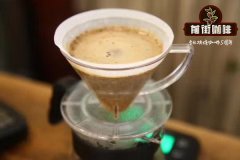
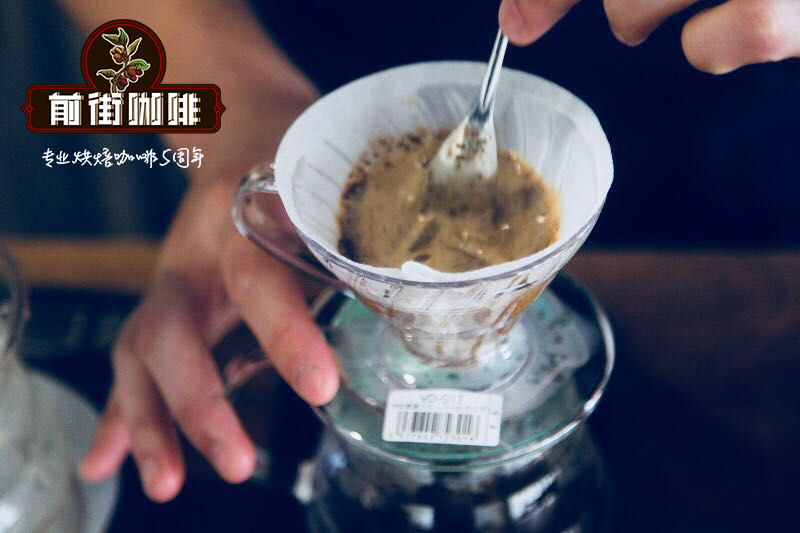
Method: Bloom with 30g of water for 30 seconds. Using a small flow, pour quickly up to 125g for the first stage. When the water level drops and the coffee bed is about to be exposed, continue pouring to 227g and stop. When the bed is about to break the surface again, remove the dripper — don't use the tail-end water. Total extraction time should be around 2 minutes from the start of the bloom.
Flavor Notes: Melon, peach, strawberry.
Why Segmented Pouring Works
Segmented extraction helps keep the coffee bed along the filter paper intact instead of cracking, and the repeated pours increase agitation of the grounds, letting the water penetrate the bed more thoroughly and improving extraction yield.
FrontStreet Coffee Recommendation
Colombian coffee is remarkably versatile — it works in espresso blends, shines as a pour-over single origin, and spans bright fruity profiles, full-bodied cups, and intensely aromatic lots. If you want a classic introduction to the region, try FrontStreet's washed Huila: grown at elevations above 1,500 meters in Colombia's most famous specialty region and medium-dark roasted, it offers black chocolate, sweet nutty notes, moderate crema, and a full body that suits pour-over and French press as well as moka pot and espresso machines.
For something more adventurous, the FrontStreet Sidra from Finca La Divisa uses anaerobic natural processing — fermentation in a sealed, pressure-resistant stainless tank where temperature, time, and pH are all controlled — which converts the coffee's character into vivid tropical fruit. At a medium-light roast, whether brewed as pour-over, cold brew, drip bag, or moka pot, you'll find passion fruit, grape, apricot, and dried-fruit notes in a richly aromatic cup. And if you brew with a home espresso machine or moka pot, the FrontStreet Boutique Blend pairs Brazilian cream-and-nut sweetness with Colombian dark chocolate for a smooth, milk-friendly latte base.
Important Notice :
FrontStreet Coffee is a long-established specialty coffee roaster in Guangzhou China, selling freshly roasted beans from its own farm in Yunnan as well as dozens of carefully selected single-origin beans from around the world for both pour-over and espresso. The products deliver consistently excellent quality and great value, with shipping within 24 hours. Guangzhou's FrontStreet Coffee shop is recommended by many coffee lovers, and the beans are now available online at the Tmall 。
FrontStreet Coffee has moved to a new address:
FrontStreet Coffee Address: 315,Donghua East Road,GuangZhou
Tel:020 38364473
 Scan and follow the En Gafei WeChat official account. Please indicate that the reprint comes from "En Gafei".