Introduction to Geisha Red Label, Blue Label, and Green Label Grading System and Ideal Pour-Over Coffee Ratios
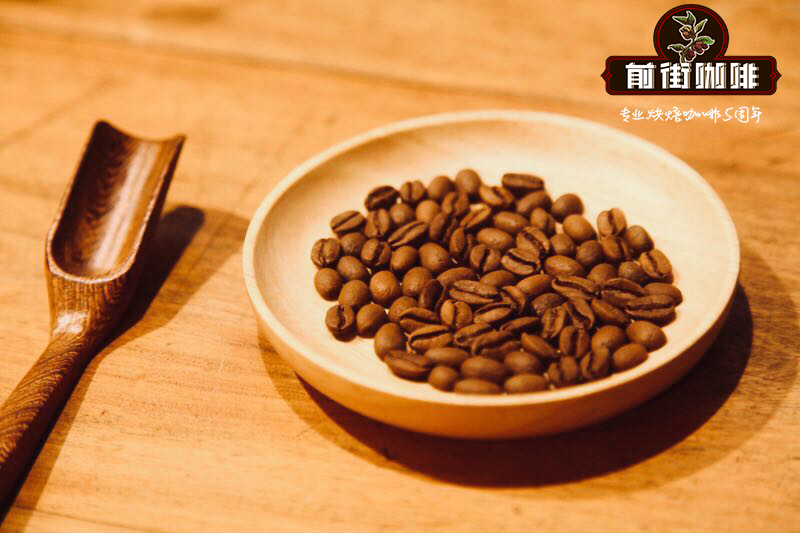
Customers who often ask FrontStreet Coffee about Geisha want to know one thing: how do the Red Label and Green Label from Hacienda La Esmeralda differ in flavor? FrontStreet Coffee believes the best way to understand Geisha is to start with Hacienda La Esmeralda, the estate that not only discovered Geisha's remarkable flavor but also did more than anyone to promote it.
Boquete Growing Region of Panama
Panama lies in Central America, bordered by two countries known for quality coffee, with Costa Rica to its west and Colombia to its east.
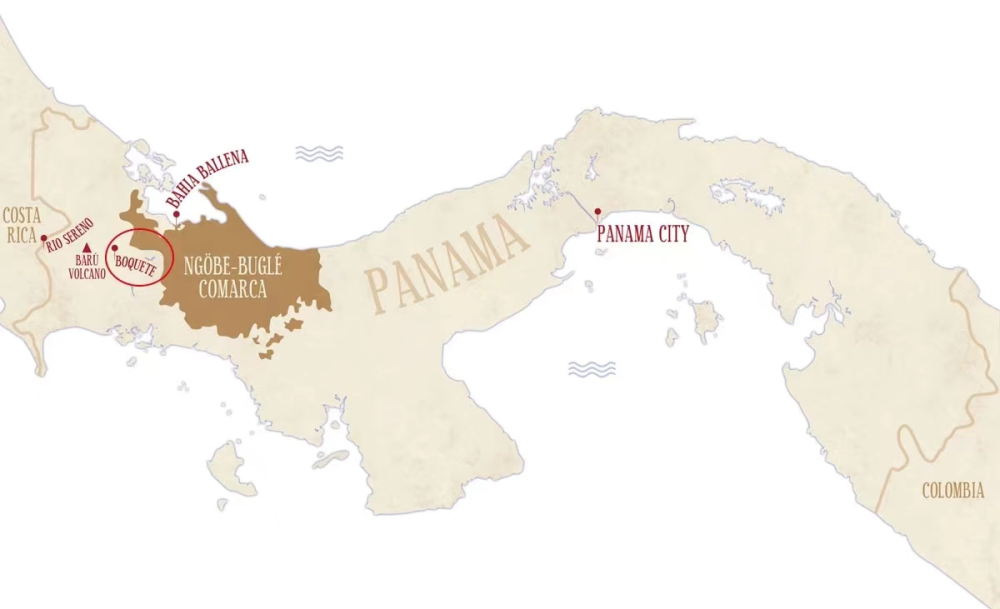
After the United States helped build the Panama Canal in the late 20th century, more and more Americans moved to Panama in search of opportunity. American elites, among them the owner of Hacienda La Esmeralda, settled in Panama during this era.
Panama's mountain ranges run east to west, and cold air currents converge through the central mountains above 6,500 meters. This creates a unique microclimate in the Boquete and Candela regions, with temperatures ideal for plant growth, fertile soil, and abundant rainfall, all favorable for cultivating premium Geisha.
Panama's coffee-growing area is relatively small, located mainly in the western highlands that border Costa Rica. The three main regions are Boquete, Volcán, and Renacimiento. Hacienda La Esmeralda sits in Boquete, near the Barú volcano, whose rich volcanic soil supplies plenty of nutrients for the coffee trees.
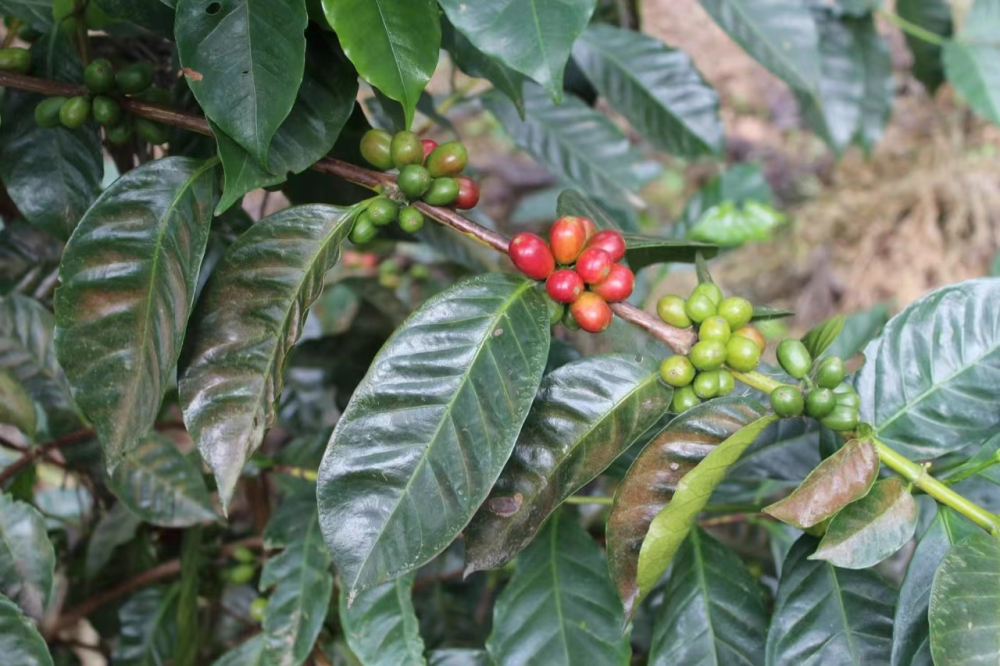
The Geisha Variety
FrontStreet Coffee notes that Geisha was discovered in the Geisha forest of Ethiopia in 1931. It was later sent to a coffee research institute in Kenya, and along the way it was also introduced to Uganda and Tanzania. Costa Rica brought in Geisha in 1953, and it was not until the 1970s that Geisha seeds took root in Panama. The Geisha we drink today is, in that sense, precious and hard-won.
Because of their low yield and tall structure, Geisha trees were first planted as windbreaks and drew little attention. So how did Geisha go from obscurity to coffee superstar? FrontStreet Coffee credits the dedicated work behind Hacienda La Esmeralda.
Hacienda La Esmeralda
Hacienda La Esmeralda began as the Palmira farm, bought in 1964 by the retired American banker Rudolph A. Peterson. It focused on dairy at first, and his son later left a medical practice to help his father run the farm. In 1987 they planted Caturra and Catuaí and named the farm Hacienda La Esmeralda. In 1994 they built a wet processing plant and began producing coffee in earnest.

When the third-generation owner, Daniel, joined the estate's management in 1997, the specialty coffee movement was gathering momentum. Daniel learned cupping and, on the 2003 harvest, ran cupping evaluations that classified the Geisha trees by elevation. The following year, during another harvest, Daniel's family submitted the Geisha beans they had found to have floral aromas and fruity acidity to that year's Best of Panama competition, and won first place with outstanding scores.
Hacienda La Esmeralda has three sub-estates: El Velo, Cañas Verdes, and Jaramillo.
Red Label & Green Label & Blue Label
After acquiring the excellent Jaramillo estate, Hacienda La Esmeralda found through cupping that its Geisha had a distinctive flavor, and it began cupping coffee from other parts of the farm, dividing planting plots by elevation. That work led to what we now know as Red Label, Green Label, and Blue Label. In terms of Hacienda La Esmeralda's marketing, these correspond to Esmeralda Special (Red Label), Private Collection (Green Label), and Geisha 1500 (Blue Label).
Esmeralda Special Red Label includes both auction and non-auction lots. A defining feature of every Red Label batch is that all the beans come from a single plot. The Red Label Geisha that FrontStreet Coffee buys, for example, comes from the Jaramillo plot, which gives buyers detailed information about the coffee.
The Geisha sold under Esmeralda Special is selected from the two sub-regions of Jaramillo and Cañas Verdes, grown at elevations between 1,600 and 1,800 meters, and must cup above 90 points. The auction batches of Red Label Geisha we sometimes see are the lots Hacienda La Esmeralda selects from designated plots for its own independent internal auctions. Non-auction Red Label actually comes from the same plots and is priced far below the auction lots.
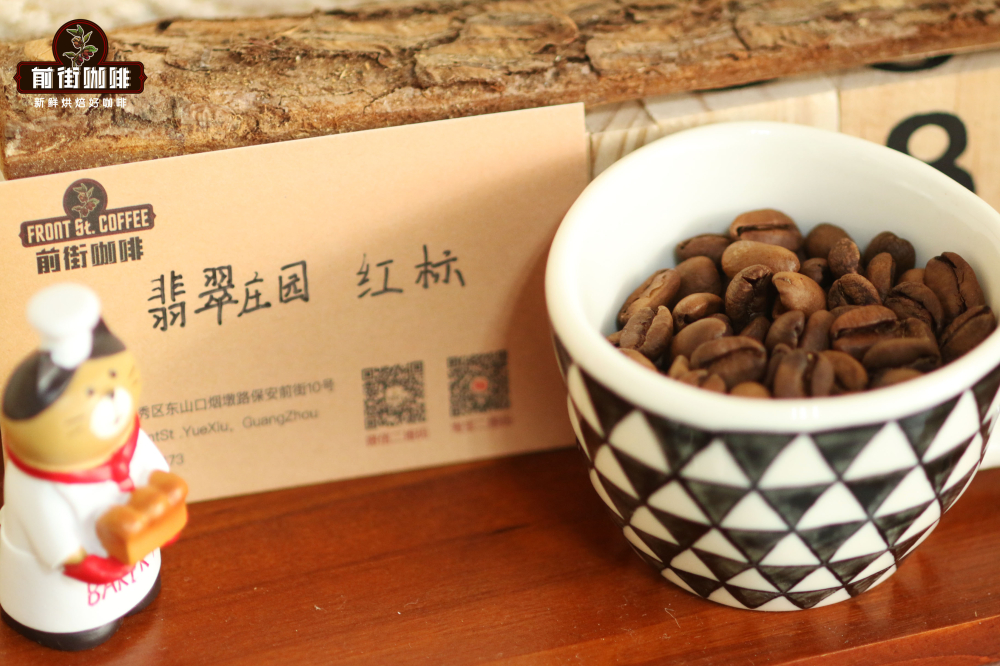
FrontStreet Coffee: Red Label Geisha Coffee Beans
Region: Boquete Growing Region
Estate: Hacienda La Esmeralda, Cañas Verdes
Elevation: 1,700+ meters
Variety: Geisha
Processing: Natural
Flavor: Lemon, honey, berries, orange peel, mango, cream, citrus
Green Label Geisha consists of lots that do not compete independently. They are grown at elevations between 1,600 and 1,800 meters and are also selected from micro-lots planted in Jaramillo and Cañas Verdes. Green Label does not carry specific plot names, because Hacienda La Esmeralda blends and sells the beans from within this range. It is therefore normal for Green Label to show flavors similar to Red Label Geisha.
There is also Blue Label Geisha, selected from Geisha grown at 1,400 to 1,500 meters and harvested across all three sub-estates of Hacienda La Esmeralda. Blue Label Geisha is offered only as washed. Between 2019 and 2022, Daniel and his sister Rachel decided to raise Hacienda La Esmeralda's positioning by discontinuing the Blue Label batches and selling the Geisha from these areas to a brand company. That company launched "Las Rocas," also called Volcanic Rock Geisha beans, which is what we know as Blue Label.

Both Red Label and Green Label Geisha use either natural or washed processing. Red Label Geisha stands out for its unique, rich floral aromas, complex fruit acidity, and multi-layered sweetness. Although Green Label is graded below Red Label, it still carries the classic Geisha flavors: jasmine aromas, a citrus-and-berry juice sensation, and a persistent aftertaste. The washed-only Blue Label Geisha presents softer acidity and fruit, and its flavor seems less robust next to the Red and Green Labels.
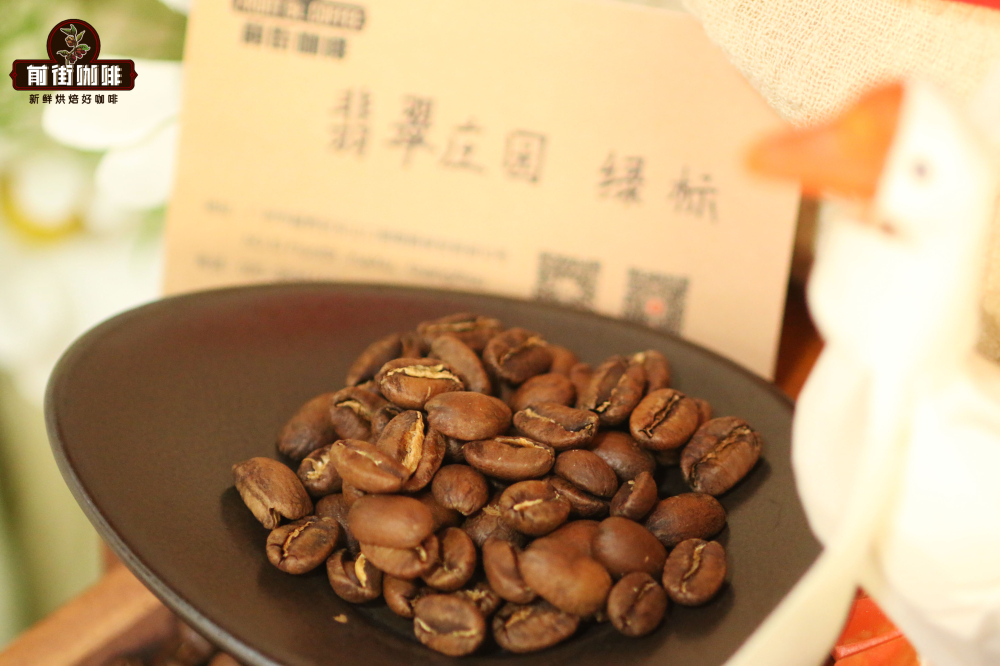
FrontStreet Coffee: Green Label Geisha Coffee Beans
Region: Boquete Growing Region
Estate: Hacienda La Esmeralda, Cañas Verdes
Elevation: 1,600-1,800m
Variety: Geisha
Processing: Natural
Flavor: Jasmine, ginger flower, citrus, cream, lemon, green tea
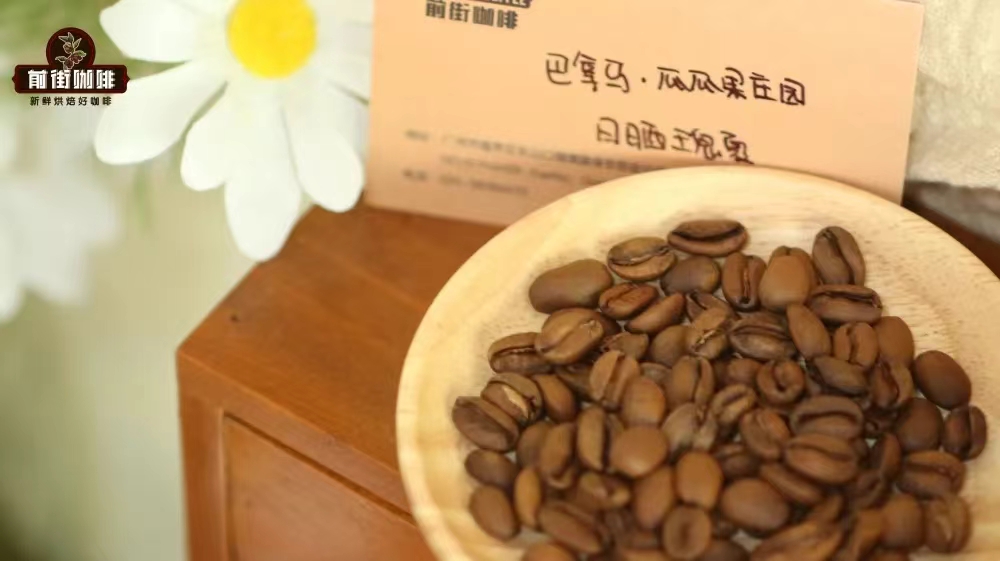
FrontStreet Coffee believes Geisha's popularity comes not only from its stunning flavors but also from the way the variety expresses something unique and distinctive in each growing region. That is why FrontStreet Coffee already offers six different Panamanian Geisha coffees in its bean selection, a showcase of Geisha's range. The Guagua Estate Geisha, for instance, won the natural-processing category at the 26th Best of Panama in 2022 and has a particularly "dominant" acidity, layering malt fermentation notes over Geisha's traditional intense floral and fruity aromas. Because that lot was so limited, FrontStreet Coffee offers it only in its physical stores, where customers can taste it in person.
Brewing Recommendations
Because different Geisha batches come from different growing environments, FrontStreet Coffee's roasters adjust each lot according to the beans' characteristics, while the guiding approach always emphasizes Geisha's floral aromas and fruity acidity with a medium-light roast.
When brewing high-altitude hard beans with prominent acidity, FrontStreet Coffee typically recommends higher water temperatures of 92-93°C to extract more aromatic compounds.
Dripper: V60
Water Temperature: 92-93°C
Coffee Amount: 15 grams
Coffee-to-Water Ratio: 1:15
Grind Size: 80% pass-through through #20 standard sieve
For brewing, FrontStreet Coffee uses segmented extraction. After grinding, pour the coffee into the filter paper and start with 30g of water from the center for a 30-second bloom, keeping a small, steady flow and circling from the inside out throughout. For the second segment, pour 95g of water, and when the coffee liquid has almost finished dripping, begin the third segment with 100g until all the coffee has filtered through. The total time should be about 2 minutes, with roughly 10 seconds of leeway.
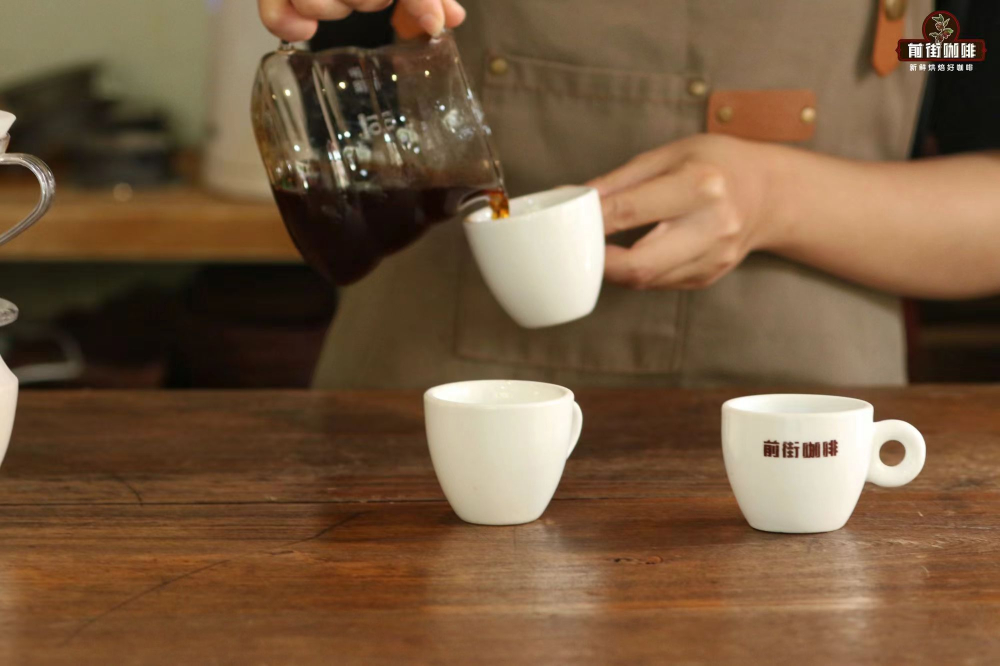
FrontStreet Coffee cupped the natural-processed Red Label and Green Label side by side. Once ground, Red Label Geisha immediately releases intense rose aromas, with flavors of mango and tropical fruit and a texture as smooth as cream; it tastes less like coffee and more like a floral fruit tea. Green Label Geisha presents a cleaner profile, with jasmine aromas, the sweet-tart taste of berries and lemon, and a persistent green tea aftertaste.
FrontStreet Coffee Recommendation
If the tiered grading of Esmeralda's Red and Green Labels sounds like a system worth tasting through, FrontStreet's bean selection makes it easy to start. FrontStreet's Esmeralda Red Label Geisha, drawn from the Jaramillo plot at Hacienda La Esmeralda, is a natural-processed lot with lemon, honey, berries, orange peel, mango, cream, and citrus. For a more accessible take on the same terroir, FrontStreet's Esmeralda Green Label Geisha blends micro-lots from Jaramillo and Cañas Verdes and shows jasmine, ginger flower, citrus, cream, lemon, and green tea, keeping the classic Geisha character at a friendlier price.
For those who want to compare beyond Panama, FrontStreet also carries an entry-level Boquete Geisha that delivers the classic orange-blossom honey and oolong tea profile at a modest cost, and a Grana Estate Geisha from Ethiopia, roasted medium-light, with a bright citrus acidity, elegant ginger-flower aroma, and ripe-fruit sweetness. Brew any of them as pour-over with a 1:16 ratio, 15g of coffee, a V60, and about 91°C water, pouring in three stages to roughly 225g over two to two and a quarter minutes.
Important Notice :
FrontStreet Coffee is a long-established specialty coffee roaster in Guangzhou China, selling freshly roasted beans from its own farm in Yunnan as well as dozens of carefully selected single-origin beans from around the world for both pour-over and espresso. The products deliver consistently excellent quality and great value, with shipping within 24 hours. Guangzhou's FrontStreet Coffee shop is recommended by many coffee lovers, and the beans are now available online at the Tmall 。
FrontStreet Coffee has moved to a new address:
FrontStreet Coffee Address: 315,Donghua East Road,GuangZhou
Tel:020 38364473
 Scan and follow the En Gafei WeChat official account. Please indicate that the reprint comes from "En Gafei".