What Do Red Label and Blue Label Geisha Coffee Beans Mean? Which is Better: La Esmeralda's Red or Green Label Coffee?
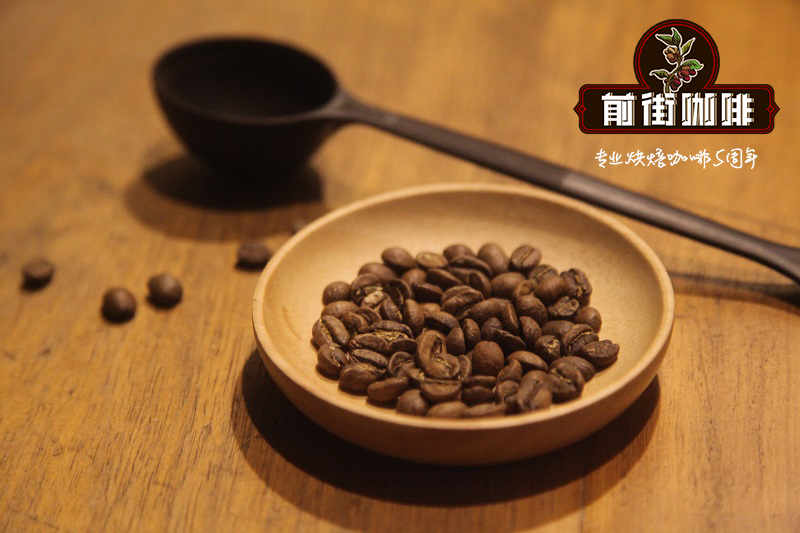
FrontStreet Coffee - Introduction to Esmeralda Estate Geisha Grades
Esmeralda Estate
As the pioneer of Geisha cultivation, Esmeralda Estate (La Esmeralda) has always been a topic of wide discussion. It is the most celebrated estate in the Boquete region — so celebrated, in fact, that many people joke there are only two kinds of Geisha in the world: Geisha from Esmeralda Estate, and everything else. The steadily climbing auction prices of Esmeralda's competition-grade Geisha, year after year, keep the estate firmly at the front of the industry.
Esmeralda Estate sells its Geisha in three different grades: the competition-grade "Red Label Geisha," the micro-batch grade "Green Label Geisha," and the regular grade "Blue Label Geisha."
FrontStreet Coffee's Geisha comes from Esmeralda Estate, and all three grades are considered signature treasures in our shop. The cup offers rich jasmine and honeydew melon aromas that are elegant and captivating, while a subtle honeyed sweetness evokes the joy of harvest season. On careful tasting you find a bright, delicate acidity with the juiciness of berries. From 70°C down to a cooled cup, it shows a quietly shifting, balanced beauty.
After years of experimentation, Esmeralda Estate found that Geisha beans harvested from trees growing above 1,400 meters can express the special flavors that Geisha is supposed to have. The estate therefore grades its Geisha primarily by planting altitude, supplemented by actual cupping results, dividing the beans into the "Red, Green, and Blue Label" grades.
Red Label (Competition Batch)
Grown at altitudes of 1,600-1,800 meters, with a cupping score above 90 points. Mainly produced on the Jaramillo and Cañas Verdes estates, it represents the very highest quality Geisha.
Geisha harvested from the highest parts of the Boquete mountains carries special, bright floral and citrus aromatics. Coffees of this grade are processed as natural or washed green beans — yeast-inoculated processing methods were added in 2018 — and can only be obtained through the annual global auction.
Green Label (Reserve Batch)
Grown at altitudes of 1,600-1,800 meters. These are micro-lot beans drawn from three different estates: Jaramillo, Quiel, and Cañas Verdes.
Although not the top competition grade, this Geisha still delivers the classic flavor profile of the variety — floral, fruity, and citrus aromatics with a thick, juicy body. Carefully selected, perfectly ripe cherries create rich sweetness, bright fruit acidity, and delicious flavors. This grade is available in both washed and natural processing.
Blue Label (Selection Batch)
Grown at altitudes of 1,500 meters. These are blended beans from three different estates: Jaramillo, Cañas Verdes, and El Velo. Expect delicate floral notes, fruit acidity, and sweetness, with a somewhat lighter body than the Red Label. Clean and refreshing. This grade is only available in washed processing.
So which one tastes better? That is hard to say in absolute terms. Everyone has different preferences when choosing beans, and the three grades are aimed at different drinkers. Selection should be based on personal taste, because the flavor differences between the grades are significant.
Knowledge Extension:
Based on cupping performance and cultivated varieties, the estate's market offering is segmented into three major brands (Esmeralda Special, Diamond Mountain, and Palmyra). Since 2012, Geisha has been added, making it the fourth major brand.
FrontStreet Coffee Recommendation
Geisha takes its name from the English word "Geisha" and is one of the most beloved varieties among Arabica coffees. Its distinctive floral character and superb sweet-sour balance have won over countless coffee lovers, but its low yield, weak disease resistance, and demanding cultivation keep prices high. If you want to experience classic Geisha flavor, FrontStreet Coffee recommends starting with the Panama Esmeralda Estate Red Label and Green Label Geisha — the Red Label comes from the 1,600-1,800 meter Jaramillo plots with lots cupping above 90 points, while the Green Label blends batches from several high-altitude plots and offers excellent value.
Newcomers who want a first taste of the fabled "Geisha profile" should try the entry-level FrontStreet Boquete Geisha, also from Panama. At a friendlier price it delivers the classic orange-blossom sweetness and honeyed character, an oolong-tea-like texture, delicate fruit acidity, and clear layering. For the Ethiopian side of the story, the light-roasted FrontStreet Genlana Estate Gesha shows bright citrus acidity, elegant ginger-flower aroma, and the ripe sweetness of guava and orange, while advanced drinkers can explore Geisha Village Gold Label and Red Label from the estate near the original Gesha forest.
For brewing, Geisha is a medium-light, floral-fruity coffee with a dense bean that can sink and clog the dripper. FrontStreet Coffee suggests a coarser grind — about 78% pass-through on a #20 sieve, roughly the size of fine granulated sugar — with water at 91°C. Use 15g of coffee in a Hario V60 at a 1:16 ratio with a three-pour method: bloom with 30g of water for 30 seconds, pour in small circles to 125g, then top up to 225g once the bed has drained halfway, finishing in about 2 minutes 10 seconds to 2 minutes 20 seconds.
Important Notice :
FrontStreet Coffee is a long-established specialty coffee roaster in Guangzhou China, selling freshly roasted beans from its own farm in Yunnan as well as dozens of carefully selected single-origin beans from around the world for both pour-over and espresso. The products deliver consistently excellent quality and great value, with shipping within 24 hours. Guangzhou's FrontStreet Coffee shop is recommended by many coffee lovers, and the beans are now available online at the Tmall 。
FrontStreet Coffee has moved to a new address:
FrontStreet Coffee Address: 315,Donghua East Road,GuangZhou
Tel:020 38364473
 Scan and follow the En Gafei WeChat official account. Please indicate that the reprint comes from "En Gafei".