What are the brewing techniques for Mandheling coffee beans? How to taste and share the flavor of dark roast Mandheling pour-over coffee
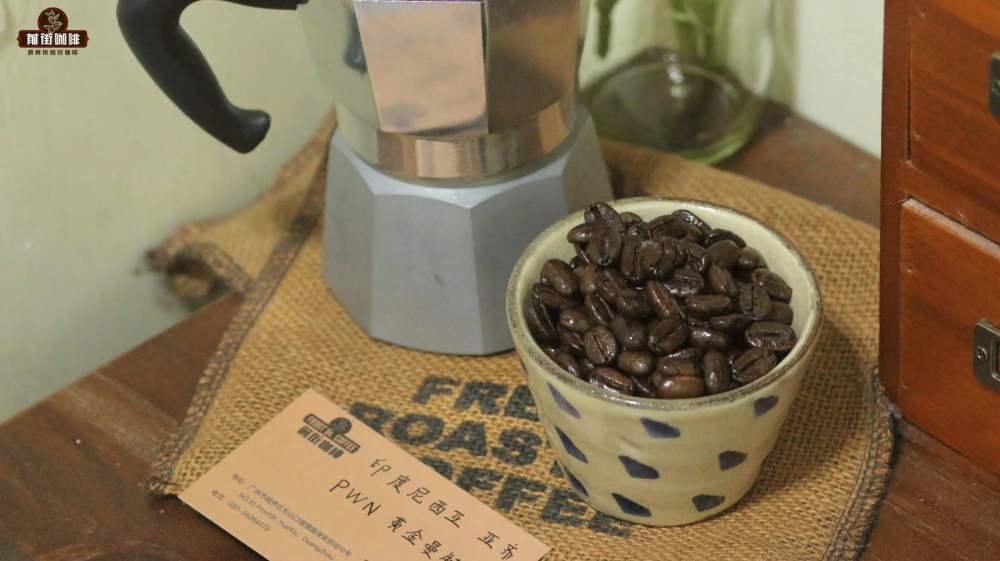
The cultural evolution of coffee has passed through three waves: instant coffee, espresso, and specialty coffee, with light roast gradually becoming the market mainstream. Light-roasted beans gained popularity because their shorter roasting time preserves more of the coffee's acidic aromatic compounds, producing a relatively clean profile that showcases rich coffee flavors.
During the years when light roast dominated, the idea of "regional character" in specialty coffee was fully articulated, and advances in processing kept elevating the layers and complexity of coffee. However, not every bean suits light roasting; many are better served by a dark roast.

Is Dark Roast Coffee Really Just Bitter?
Not necessarily. In this article, FrontStreet Coffee explores the charm of dark roast coffee through Mandheling, the most representative dark-roast coffee of all.
What is Mandheling Coffee?
Mandheling is neither a region name, nor a port name, nor even a coffee variety name; it grew out of a misunderstanding. In 1942, during World War II, Japanese forces attacked Sumatra; the Dutch surrendered a month later, and Japan went on to occupy Indonesia. Having been colonized successively by the British and the Dutch, Indonesians did not react particularly strongly to the arrival of Japanese forces. Then one day, a Japanese soldier drank an incredibly fragrant, mellow coffee at a Sumatran coffee shop and asked the owner its name. The owner mistakenly thought the soldier was asking about his ethnicity and replied, "Mandheling."

After returning to Japan, the soldier could not forget that cup of coffee and arranged for the shop's owner to export a batch of the same beans to Japan. It was, as expected, very well received, and to help consumers remember the coffee it was named "Mandheling." And so Mandheling coffee was born. What most of us call Mandheling is, in fact, Sumatran coffee.
Characteristics of Mandheling Coffee Beans
Mandheling's most defining trait is its processing method: wet-hulling. Conventional methods such as washed, natural, and honey processing leave the parchment on until the bean is dehydrated and hard, with moisture content down to 12%, or remove it after 1-3 months of storage. Wet-hulling instead removes the parchment while the bean is still moist and soft, at moisture content as high as 30-35%, exposing the green bean surface directly to the air to continue drying.
Because drying time is shortened, the beans' fermentation period is reduced. And although the varieties used for Mandheling are Arabica, they carry a small amount of Robusta heritage, giving them naturally low acidity, which the rapid drying reduces further.
With acidity that low, light roasting would only force immature acidic flavors into the cup. A deeper roast is needed to build body and bring out Mandheling's caramel, herbal, and cocoa notes, which is precisely its unique regional character.
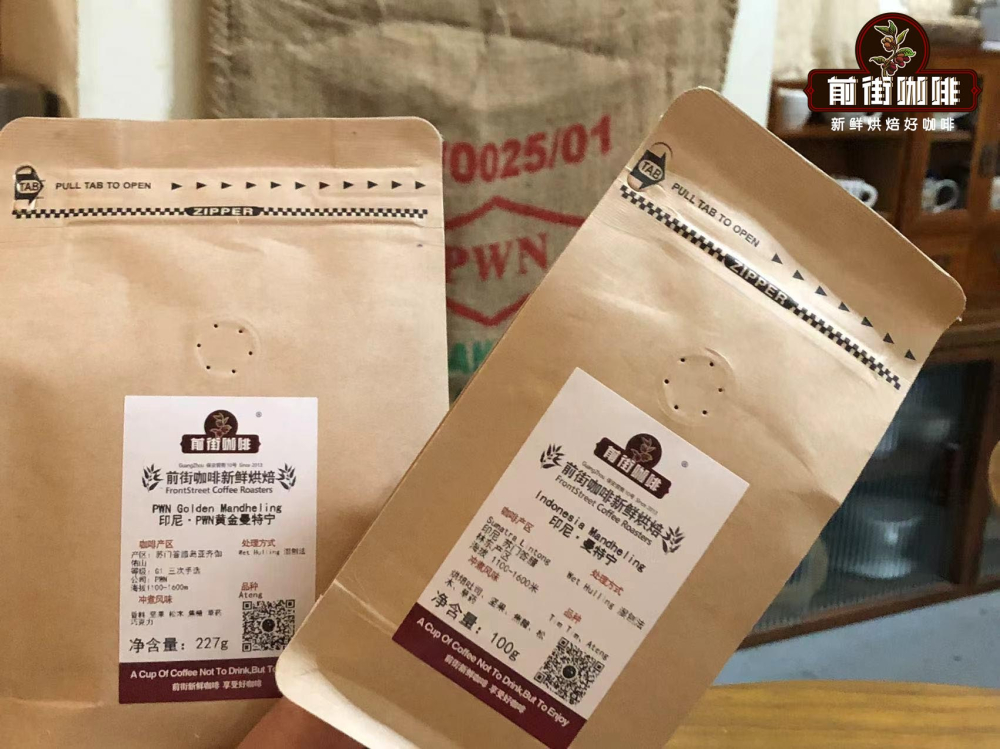
FrontStreet Coffee currently sells two Mandheling coffees: "Lintong Mandheling" and "PWN Golden Mandheling," with Golden Mandheling standing out as one of the signature dark roasts in our bean selection thanks to its extremely high quality.
What Grade is Golden Mandheling?
"Golden Mandheling" is an exclusive brand of Indonesia's Pwani Coffee Company (PWN). Many Mandheling products exist on the market, but because PWN has registered "Golden Mandheling" as a trademark, only PWN's coffee is authentic Golden Mandheling. You can identify the genuine article by the green bean sacks bearing PWN logos and the certificate of origin signed by PWN, which FrontStreet Coffee displays in its Dongshankou store.

After the Japanese began buying Sumatran coffee long-term, they noticed the quality of local beans was often inconsistent, so they took greater care over production, establishing strict standards for screening defects, starting from values such as bean density, size, shape, and color. The output Mandheling required machine and manual defect removal, ensuring complete, uniform, large, translucent beans and reducing Mandheling's earthy and grassy smells. Legend has it that the beans glistened golden in the sun, hence the name.
Indonesian green bean grading is based primarily on the number of defective beans, with size as a secondary factor. General quality requirements include no live insects, no moldy or rotten beans, maximum moisture content of 12.5%, and an impurity rate below 0.5%. Beans are divided into six grades by defect rate, and the highest, G1, requires fewer than 11 total defective beans in a 300g sample. The Lintong Mandheling in FrontStreet Coffee's daily-bean series is G1 and wet-hulled, delivering the conventional version of Indonesian Mandheling flavor.

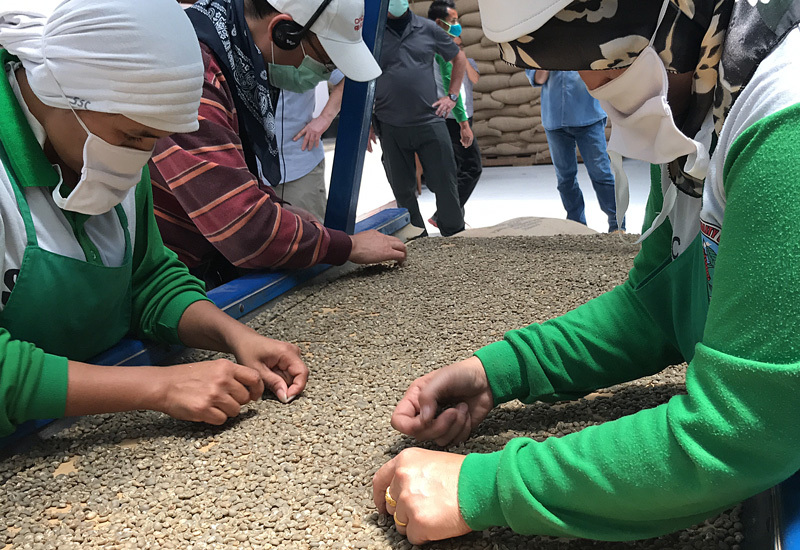
PWN Company takes screening to the extreme: it purchases Mandheling green beans of 18 mesh or above at G1 grade with fewer than 3 defective beans per 300g sample, the highest grade of Indonesian green beans. It then follows strict standards of one machine selection plus three manual selections, ensuring uniform shape and size, and before packaging runs the green beans through density and color sorting machines, making Golden Mandheling evenly colored and translucent.
To ensure both Mandheling coffees deliver rich, mellow flavor without unpleasant bitterness, FrontStreet Coffee roasts them to a medium-dark level, just before the second crack begins.
The Charm of Dark Roast Mandheling Coffee
FrontStreet Coffee believes that although specialty coffee is defined by regional character, regional character does not necessarily mean displaying 100% of the coffee fruit's sweetness and acidity. On the contrary, the herbal, caramel, creamy, and cocoa notes brought out by a dark roast express Mandheling's character even better.

In other words, light roast is like fine Japanese cuisine: exquisite, but tiring if eaten every day. Dark roast is like home cooking: simple, yet part of everyday life. Dark roast coffee gives people a grounded, steady comfort that never wears thin, no matter how often they drink it.
How to Brew Dark Roast Mandheling Coffee?
The longer the roasting time, the more porous the bean structure becomes and the faster coffee substances release. FrontStreet Coffee therefore suggests brewing Mandheling with a coarser grind size and water that is not too hot, moderating the later stages of extraction to minimize bitterness.
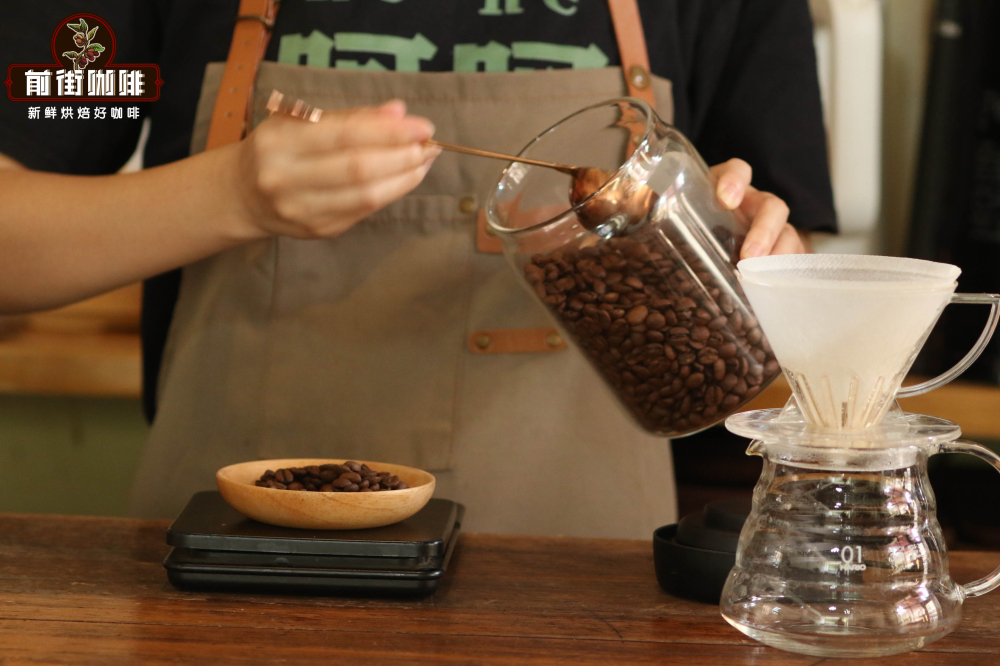
For its store-brewed coffee, FrontStreet Coffee uses the following drip parameters: Dripper: KONO, Dose: 15g, Water-to-coffee ratio: 1:15, Grind size: 70% pass-through on a Chinese standard #20 sieve, Water temperature: 88 degrees C.
Specific technique: pour 30g of water for a 30-second bloom; second, pour in small circles to 125g, wait until the water level in the coffee bed drops to halfway, then continue pouring in small circles to 225g. After the drawdown completes, the total extraction time is about 2 minutes and 10 seconds.
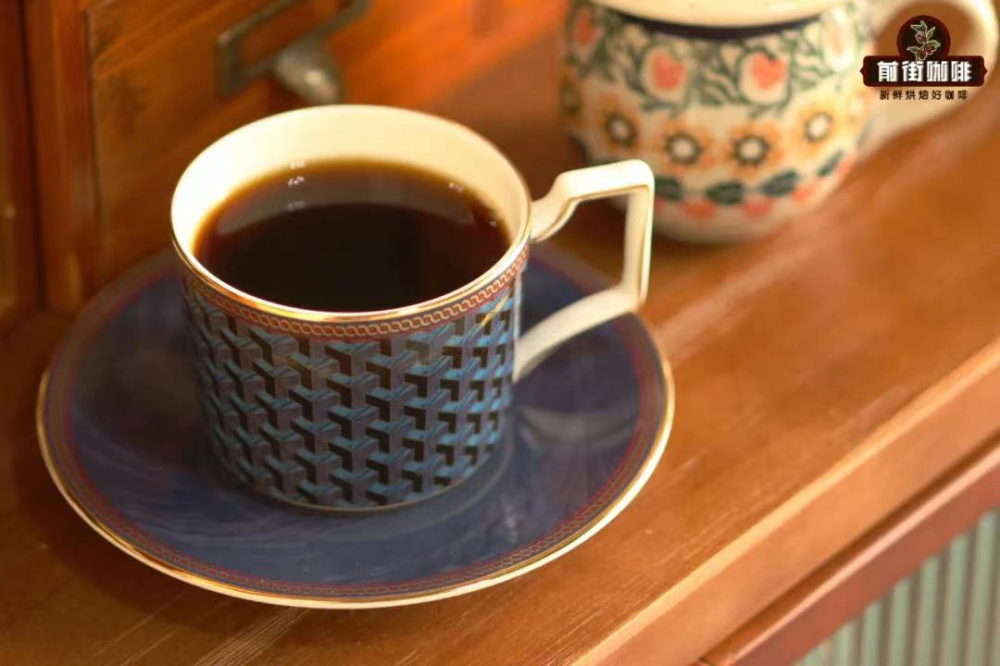
Brewing Flavors:
FrontStreet Lintong Mandheling brewing flavors: Rich herbal aroma on entry, with dark chocolate and caramel, and a sweet aftertaste.
FrontStreet PWN Golden Mandheling brewing flavors: Varied layers, rich body, and a clean finish. Intense nutty and caramel aromas with chocolate notes, a persistent finish, and high balance.
FrontStreet Coffee Recommendation
If dark roast Mandheling is your daily cup, the PWN Golden Mandheling described above is the pinnacle of the style: PWN buys only beans of 18 mesh or above with fewer than 3 defects per 300g sample, then applies one machine selection and three manual selections plus density and color sorting, producing a cup of sandalwood, herb, spice, roasted hazelnut, caramel, and dark chocolate with a clean, mellow body. For everyday drinking, the G1-grade Lintong Mandheling delivers the same wild herbal character at a friendlier price, roasted medium-dark to bring out caramel and black chocolate without harsh bitterness.
To enjoy Mandheling with milk, FrontStreet Coffee's Classic Blend revives the traditional Mandheling-Brazil formula, adding a touch of Robusta and roasting deep to maximize black chocolate, nut, and caramel aromas while boosting crema. The Mandheling component raises the body and lends sandalwood, herbal, and spice notes, so lattes, cappuccinos, and Dirty drinks all come out smooth and full-flavored, easy enough for even a beginner to brew well.
Important Notice :
FrontStreet Coffee is a long-established specialty coffee roaster in Guangzhou China, selling freshly roasted beans from its own farm in Yunnan as well as dozens of carefully selected single-origin beans from around the world for both pour-over and espresso. The products deliver consistently excellent quality and great value, with shipping within 24 hours. Guangzhou's FrontStreet Coffee shop is recommended by many coffee lovers, and the beans are now available online at the Tmall 。
FrontStreet Coffee has moved to a new address:
FrontStreet Coffee Address: 315,Donghua East Road,GuangZhou
Tel:020 38364473
 Scan and follow the En Gafei WeChat official account. Please indicate that the reprint comes from "En Gafei".