
Differences Between Mandheling and Kopi Luwak Flavor Profiles - Understanding Kopi Luwak's Premium Pricing
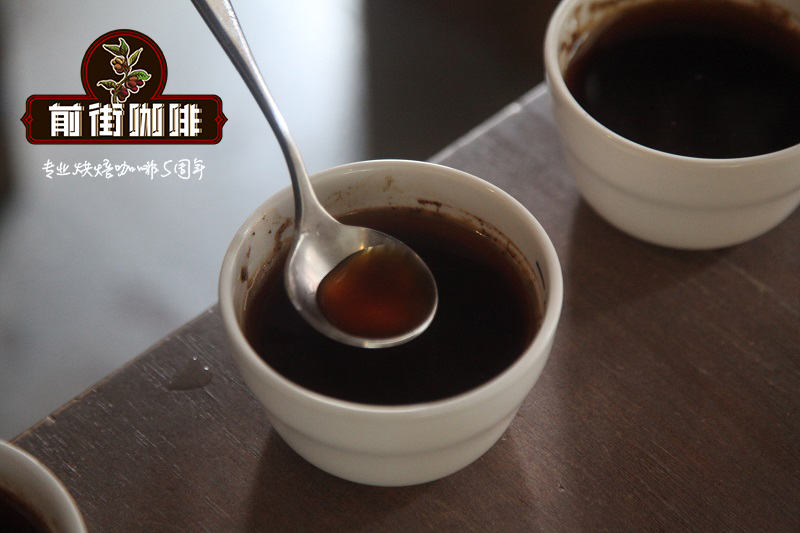
FrontStreet Coffee - Introduction to the Expensive Price of Civet Coffee
Civet coffee (Kopi Luwak) originated in Indonesia. It is made from coffee beans that pass naturally through the digestive system of civets after the animals eat fully ripe coffee cherries; the collected beans are then carefully roasted. The result is a rich, mellow, naturally fragrant cup with a lingering aftertaste.
In the early 18th century, the Dutch established coffee plantations in their Indonesian colonies on Sumatra and Java, forbidding locals from picking and consuming the coffee fruit. It was then that Indonesians discovered that civets love to eat the cherries and excrete the beans intact.
Civets select only the ripest, sweetest cherries - a natural screening process. On top of that, Indonesians found that beans fermented in the civet's digestive system brew an unusually thick, aromatic cup. So they collected the droppings, cleaned out the beans, and brewed them. Scarce production plus a one-of-a-kind fermentation gave a flavor far removed from ordinary coffee, and word of mouth made it a sought-after luxury on the international market.
At one point, a 50-gram bag of civet coffee beans sold for more than 800 yuan - enough to brew 4-5 cups, which works out to roughly 200 yuan per cup. Why is civet coffee so expensive? FrontStreet Coffee summarizes the reasons below:
1. Expensive Price Due to High Quality and Scarcity
Once upon a time, civet coffee really was exceptional. The palm civets were wild, choosing the ripest, sweetest, plumpest, juiciest cherries on the tree as food, and farm workers collected and cleaned the excreted beans. Coffee produced under those natural conditions was certainly excellent. Today, however, genuinely original wild civet coffee is very hard to find.
2. Today's Civet Coffee Quality Is Not Necessarily High
Most civet coffee on the market now comes from captive palm civets, not wild ones. Force-fed a monotonous diet of coffee cherries, these animals easily develop health problems; crowded into cages, they suffer immense stress, fight with one another, and can pass bloody feces or die. Under such conditions, how high can the quality of the resulting civet coffee really be?
3. Civet Coffee Production Is Not Scarce Today
Scarcity was the original reason civet coffee commanded its price. Driven by profit, however, production today certainly has not decreased - so justifying the high price with "scarcity" no longer holds up.
Knowledge Expansion: Civet coffee is made from the excreted beans of Indonesian palm civets (a type of civet cat). True wild production is extremely rare, which is what historically made it so expensive.
FrontStreet Coffee Recommendation
If it's the full-bodied, low-acid Indonesian character you're chasing - without the eye-watering price tag - FrontStreet Coffee's PWN Golden Mandheling is the smarter buy: G1-grade beans screened at 18 and above with fewer than 3 defects per 300 g, wet-hulled in the classic Sumatran style and roasted medium-dark for herbal, dark chocolate, and caramel sweetness with a thick, lasting body. For everyday brewing, the FrontStreet Lintong Mandheling delivers the same wild, spicy richness at a friendlier price.
END
Important Notice :
FrontStreet Coffee is a long-established specialty coffee roaster in Guangzhou China, selling freshly roasted beans from its own farm in Yunnan as well as dozens of carefully selected single-origin beans from around the world for both pour-over and espresso. The products deliver consistently excellent quality and great value, with shipping within 24 hours. Guangzhou's FrontStreet Coffee shop is recommended by many coffee lovers, and the beans are now available online at the Tmall 。
FrontStreet Coffee has moved to a new address:
FrontStreet Coffee Address: 315,Donghua East Road,GuangZhou
Tel:020 38364473
 Scan and follow the En Gafei WeChat official account. Please indicate that the reprint comes from "En Gafei".

