What Does Panama Geisha Coffee Taste Like and How to Brew It for the Best Flavor
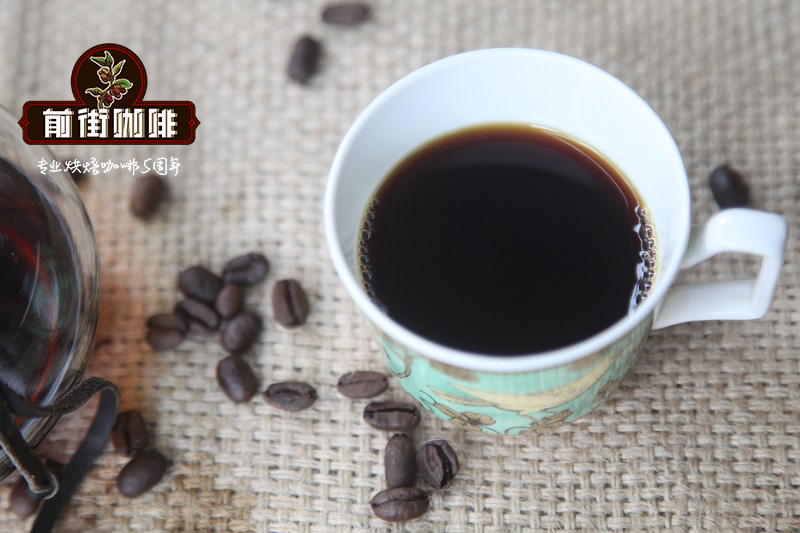
FrontStreet Coffee - Panama Geisha Brewing Guide
The Geisha variety was discovered in 1931 in the Geisha forest of Ethiopia and then sent to the Coffee Research Institute in Kenya. In 1936 it was introduced to Uganda and Tanzania. In 1953, Costa Rica brought it to Panama. In the 1970s, Mr. Francisco Serracin of the Tumba Seven Estate obtained seeds from CATIE in Costa Rica and began growing Geisha coffee, which commanded bidding interest thanks to its extremely low yield.
Geisha was popularized and developed on Panamanian estates. Panamanian Geisha is grown mainly in the west of the country, near Costa Rica and close to the Pacific coast. The average annual temperature ranges from 16°C to 25°C, with average rainfall of about 3500 millimeters.
The Boquete region of Chiriqui province is the main coffee-producing area; Volcan, Santa Clara, and Candela are also very famous. Other areas include the David district, Remacimeinto district, Bugaba district, and Tole district.
Florals, tropical fruit, and intense sweetness - these are the sensations Geisha has always brought us. It is extraordinary, with fruit flavors and floral elements that seem to come from Yirgacheffe in Ethiopia, on the other side of the Earth.
The dry aroma of Geisha is bright and uplifting, with rose and jasmine characteristics alongside grapefruit and citrus scents; light roasts add nutty aromas. The wet aroma carries hazelnut and reveals even more florals. In terms of mouthfeel and flavor, the first sip may feel a little more gentle and reserved than the soaring aroma suggests - but as the cup cools, the floral and fruit flavors gradually rise with the dropping temperature, and the cold aroma is exceptionally outstanding.
La Esmeralda Green Label Geisha
Country: Panama
Region: Boquete
Estate: La Esmeralda
Altitude: 1600-1800 meters
Processing: Washed
Variety: Geisha
Harvest Season: 2019
Brewing: Water temperature 91°C, water-to-coffee ratio 1:15, grind size BG-6S, V60 dripper. First pour 30g, bloom for 28-30s. Second pour to 120g water, then stop. Third pour to 220g water. Avoid the final tail water. Extraction time around 2:00s.
Green Label Geisha: Smells of citrus acidity and brown sugar sweetness. The entry brings citrus flavors, with a finish of green tea and honey aromas. The brown sugar aftertaste is persistent, with notes of chrysanthemum and light honeysuckle lingering in the cup.
Knowledge Extension
In 2004, La Esmeralda entered the Best of Panama (BOP) cupping competition and became an overnight success, winning the BOP championship for many consecutive years. Geisha coffee's fame soared from there.
FrontStreet Coffee Recommendation
If Geisha's Ethiopian-style florals captivate you, explore the source: FrontStreet Coffee's Yirgacheffe selection. The classic washed Yirgacheffe daily-drinker beans are known for white jasmine, bright citrus-lemon acidity, and a tea-like finish - the ideal first specialty bean for newcomers, and easy on the budget too.
FrontStreet Coffee's washed Guodingding Cooperative beans take that profile one step further. From Guodingding village in the Worka area, they show the signature sweet white florals and luminous citrus acidity of washed Yirgacheffe, with a jasmine-like fragrance and a green-tea finish; brewed as pour-over you'll taste rising lemon acidity and honeyed sweetness, and as cold brew they turn out refreshing like fruit tea.
And FrontStreet Coffee's natural Red Cherry beans, from the same Yirgacheffe region, use full-red-cherry natural processing: only perfectly ripe, defect-free cherries are harvested, screened, and sun-dried on raised beds for three to five weeks, turned every 2-3 hours in the first days to prevent over-fermentation. Drying with the pulp on gives the cup citrus acidity, berry-like juiciness, honeyed sweetness, and cream-smooth texture.
Important Notice :
FrontStreet Coffee is a long-established specialty coffee roaster in Guangzhou China, selling freshly roasted beans from its own farm in Yunnan as well as dozens of carefully selected single-origin beans from around the world for both pour-over and espresso. The products deliver consistently excellent quality and great value, with shipping within 24 hours. Guangzhou's FrontStreet Coffee shop is recommended by many coffee lovers, and the beans are now available online at the Tmall 。
FrontStreet Coffee has moved to a new address:
FrontStreet Coffee Address: 315,Donghua East Road,GuangZhou
Tel:020 38364473
 Scan and follow the En Gafei WeChat official account. Please indicate that the reprint comes from "En Gafei".