Washed Coffee Bean Process Introduction and Flavor Profile of Colombia Washed Geisha Pour-Over
FrontStreet Coffee - Colombian Washed Coffee and Wash Processing Steps
1. Depulping
Specialized equipment removes the skin and part of the pulp from the cherry. After this step, some pulp and mucilage still cling to the parchment.
2. Fermentation
The parchment coffee, still coated in pulp and mucilage, is soaked in water so the mucilage ferments; once fermented, it rinses off easily. Fermentation takes about 24 hours.
3. Washing
The fermented parchment coffee is washed in flowing water channels to strip off the pulp and mucilage. In practice, some producers soak the washed beans again in clean pools for 3-6 hours to develop new flavors.
4. Drying
The parchment beans are spread on drying patios, sometimes finished in mechanical dryers. At 12% moisture they can be warehoused. Beans stored in parchment keep longer than hulled beans.
Once moisture is reliably brought down to 12.5%, the beans are stored pending export. Just before export, machines remove the dry parchment and the final layer of silver skin; then come cleaning, screening, sorting, grading, and packaging.
Washed coffee offers a cleaner taste free of off-flavors, with charming fruit aromas. Washed beans tend toward blue-green or gray-green in color. The cup is clearer, more vibrant, and without defects.
Colombia · San Pedro Estate Geisha
Country: Colombia
Region: Tolima
Altitude: 1,860M
Processing Method: Washed
Grade: SUPREMO
Variety: Geisha
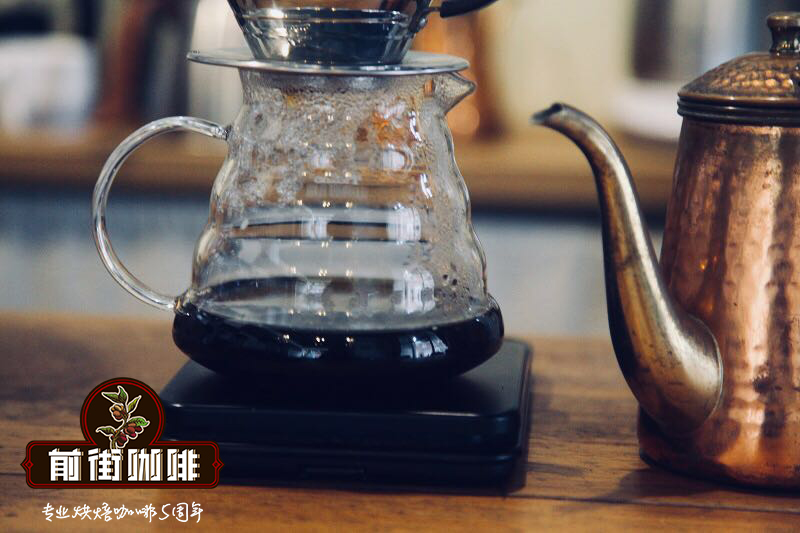
Brewing: water temperature 90°C, coffee-to-water ratio 1:15, grind size BG-6S, V60 dripper; first pour 30g and bloom 28-30s, second pour to 125g and pause, third pour to 220g, discard the tail end, extraction time about 1:55.
Flavor: distinct tea aroma and florals, with citrus, starfruit, and orange on the sip, and an oolong tea and honey aftertaste.
Knowledge Extension: Tolima sits beside Huila and Cauca. Here the Andes and Cordillera mountain ranges run north-south, and between these two famous systems flows the Magdalena River from south to north.
FrontStreet Coffee Recommendation
Geisha comes in more forms than most people realize. Panama made the variety famous: the high altitude, microclimates, and soils there produced such striking coffee that when the Esmeralda estate entered it in the 2003 Best of Panama competition, the judges were stunned—an average cupping score of 94.6 broke the competition record, and Geisha became an overnight sensation.
FrontStreet Coffee's Esmeralda Red Label Geisha (Esmeralda Special) grows at 1,600-1,800 meters and must cup above 90 points per batch, with each batch traced to a single plot; the Green Label (Private Collection) mixes batches across plots for the estate's signature style at a better price. For an accessible first taste, the Panama Boquete Geisha delivers classic orange-blossom honey notes, oolong-tea texture, and delicate fruit sweetness.
Back at the variety's birthplace, Ethiopia's Geisha Village estate—founded by a couple 12 miles from the Geisha forest on 475 hectares—selects the strains closest to Panama Geisha by plant morphology, bean shape, and cupping. For brewing any of these, FrontStreet Coffee suggests a medium-light roast, a grind at 78% pass through China's #20 sieve, 91°C water, and a three-pour V60 method: 30g bloom for 30 seconds, then to 125g, then to 225g, finishing in about 2:10-2:20.
Important Notice :
FrontStreet Coffee is a long-established specialty coffee roaster in Guangzhou China, selling freshly roasted beans from its own farm in Yunnan as well as dozens of carefully selected single-origin beans from around the world for both pour-over and espresso. The products deliver consistently excellent quality and great value, with shipping within 24 hours. Guangzhou's FrontStreet Coffee shop is recommended by many coffee lovers, and the beans are now available online at the Tmall 。
FrontStreet Coffee has moved to a new address:
FrontStreet Coffee Address: 315,Donghua East Road,GuangZhou
Tel:020 38364473
 Scan and follow the En Gafei WeChat official account. Please indicate that the reprint comes from "En Gafei".