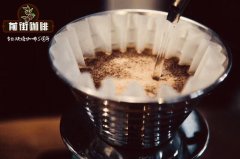
Gesha Village Auction Lot Coffee - Gesha Village Gesha SOE Latte Tutorial

The Rise of Geisha Coffee
The Geisha craze has shown no sign of fading in recent years, and the variety has established itself as the king of the coffee world. Discovered in the original forests of Ethiopia, it made its way to Panama in Central America, where it was unearthed in 2004 and went on to win championship after championship in major world-class competitions. Prices have repeatedly reached new heights, and coffee lovers around the world have been captivated.
Geisha is often described as having a refreshing citrus fragrance and a honey-like sweetness, leaving an excellent impression on anyone who tastes it. Many people decide to buy the beans and brew at home. Recently a customer asked FrontStreet Coffee how to make an SOE latte with Geisha Village Red Label beans, so let's first look at what kind of coffee Geisha Village Red Label actually is.

What Makes Geisha So Special?
When it comes to Geisha origins, FrontStreet Coffee thinks first of Panama, where Geisha found fame, and Ethiopia, where it was born. These two are unquestionably the most representative origins for the variety. As the Geisha craze has heated up, many producing countries have turned out premium Geisha batches, among them Colombia, Costa Rica, and Guatemala. Even the renowned Jamaica Blue Mountain introduced a small batch of natural-processed Geisha in 2020. FrontStreet Coffee's bean selection keeps a range of Geisha options on hand. If you are tasting this famous variety for the first time, though, FrontStreet Coffee recommends starting with Panama and Ethiopia.

The Geisha variety was first found in the Geisha region of Ethiopia in 1931, and was later introduced for cultivation in Kenya, Uganda, Tanzania, and Costa Rica, both for research and to diversify local coffee. By 1963, Panama was importing more varieties from around the world to revitalize its coffee industry. Pachi Serracin, then owner of Don Pachi Estate, brought the Geisha variety back from Costa Rica, and Geisha officially took root in Panama.
It was not until 2000 that Daniel Peterson, the third-generation owner of Hacienda La Esmeralda, recognized Geisha's uniqueness and transplanted it to higher altitudes. In 2004 the high-altitude Geisha finally reached mass production. Hacienda La Esmeralda entered it in that year's Best of Panama, where it took first place and shone. Its elegant, fragrant notes of jasmine, peach, and bergamot left countless coffee lovers with an unforgettable memory. But beyond Panama, there is another estate in Ethiopia, the birthplace of coffee, that is named for producing Geisha: Geisha Village.

Geisha Village Estate
In 2011, Adam set off with consultant Willem Boot on a series of "adventures" in the forests surrounding the estate. In a jungle magically wrapped in dense forest, they found a range of wild tree species, and the most exciting discovery of all was wild Geisha. They later learned that this was the Gori Gesha forest, the very place where the Geisha variety was first discovered.

They collected seeds from the original Geisha trees and, after careful screening, sent them to professional institutions for genetic testing, which confirmed the area as the original collection site of the Panamanian Geisha variety. Studying the plant morphology of the coffee trees, the appearance and size of the beans, and the cupping results, they selected the Geisha closest to today's Panamanian Geisha and began raising seedlings. From there, the story of Geisha Village Estate began on this patch of Ethiopian land.
Geisha Village sits in a high-altitude region with abundant rainfall, a temperate climate, and all the key natural factors needed for high-quality coffee. Unlike many estates in Panama, though, Geisha Village grows three Geisha varieties: Gori Gesha, Gesha 1931, and Illubabor Forest. To guarantee the quality of the coffee it produces, owner Adam also set up a strict grading system that divides Geisha into different grades, including Gold Label, Red Label, Green Label, and CHAKA. The coffees on FrontStreet Coffee's bean list are all natural-processed batches.

Looking at the owner's plot divisions, the western part of Geisha Village is planted at higher altitudes, especially the OMA, SURMA, and SHEWA-JIBABU plots, which sit between 1,900 and 2,069 meters, with SHEWA-JIBABU holding the highest average elevation. The southern part of the estate has a relatively higher shade ratio, while the northern side gets longer sun exposure. Among the estate's eight plots, Adam selects the variety best suited to each one based on microclimate differences such as altitude, soil, and shade, with the goal of letting each plot develop its own coffee flavor characteristics.

What Are the Characteristics of Natural-Processed Geisha Village Red Label?
Drawing on its geographical advantages, Geisha Village relies mainly on natural processing. The estate's main harvest runs from December to March of the following year, which coincides with the region's dry season and minimal rainfall, so the estate can make full use of natural drying. Geisha Village's traditional natural process spreads freshly harvested cherries evenly on African drying racks so they receive even sunlight. The cherries must be turned regularly to prevent over-fermentation, which could give the coffee negative flavors. Drying lasts about 21 to 40 days, until the moisture content falls to 12%, at which point the dried beans are hulled.

Unlike the Gold Label grade, Geisha Village Red Label accounts for 15% of total annual production and is selected from the Gori Gesha variety, representing high-quality Geisha that scores above 88 points on the SCA scale. Although its flavor intensity and complexity do not match the Gold Label and competition batches, Red Label still carries a very classic Geisha Village profile. FrontStreet Coffee considers it a Geisha batch with excellent value, well worth buying for any Geisha enthusiast.

FrontStreet Coffee: Ethiopia · Geisha Village Estate Red Label Geisha
Region: Ethiopia, Bench Maji Zone
Estate: Geisha Village Estate, Shewa-Jibabu Plot
Altitude: 1973-2069 meters
Variety: Gori Gesha
Processing: Natural Process
Flavor: Lemon, Plum, Citrus, Tropical Fruits, Floral Tea
Geisha Village SOE Extraction Parameters Sharing
However a coffee is extracted, FrontStreet Coffee believes freshness is crucial. Beans roasted more than a month earlier may have lost some aroma and developed unwanted woody flavors. FrontStreet Coffee wants every customer who places an order to taste the coffee at its aromatic best, so we ship only beans within 5 days of the roast. If you want to create better SOE flavors, FrontStreet Coffee recommends freshly roasted single-origin beans.

Coffee Beans: Ethiopia · Geisha Village Red Label
Coffee Dose: 20g
Espresso Yield: 40g
Brew Ratio: 1:2
Extraction Time: 26-32 seconds
Grind Setting: Galileo 2.0

FrontStreet Coffee uses a double basket, which needs 20 grams of coffee grounds each time, with an extraction ratio of 1:2, meaning 40 grams of espresso liquid within a reasonable time. Extraction time is tied to the flow rate of the grounds. Generally, a single extraction is controlled between 20 and 35 seconds. Under 20 seconds and the coffee tastes thin and weak; past 35 seconds and it risks over-extraction, bringing bitter, burnt flavors. FrontStreet Coffee therefore keeps the espresso extraction within 26 to 32 seconds.

Before extraction, dry the portafilter basket, turn on the grinder, and grind a double shot of coffee. Set it on an electronic scale and adjust until it reads 20 grams. Use a distribution tool to level the grounds, then press straight down with a tamper to compact the puck firmly so extraction stays stable.
Then turn on the extraction switch and flush for 1 to 2 seconds to wet the brew head and carry away any stuck grounds. Place an electronic scale under the cup to catch the espresso and zero it out, leaving it under the brew head during extraction.

Lock the portafilter gently onto the brew head and start the extraction switch. Watch the liquid as it flows. When the scale reads 40 grams of espresso and the time is around 30 seconds, pull the switch down. Brewing parameters shift subtly with daily humidity and the condition of the beans, so the dose, grind setting, and yield may need small adjustments up or down.

The extracted Geisha SOE can be drunk straight. Remember to pair it with a glass of water to cleanse the palate, so you can taste the rich crema and the tropical fruit aroma of the coffee beneath. If the strong bitterness of espresso is too much, add ice water or warm water at a ratio of 1:4 to make a refreshing SOE Geisha Americano, or add steamed fresh milk at a ratio of 1:6 to soften the texture into a delicious SOE Geisha latte.
FrontStreet Coffee Recommendation
Once you have tried an SOE latte with a floral, fruit-forward Geisha, you may want a bean that performs just as well under milk and pressure. FrontStreet's Jamaica Blue Mountain No.1 is a striking contrast and a rewarding one: a medium-dark roast from the historic Clifton Estate, with nuts, dark chocolate, creamy caramel, and a soft sweetness, balanced end to end. Pulled as espresso or brewed in a moka pot, it keeps its smooth, full body, and when you steam fresh milk into it for a latte or flat white, the balance really comes through.
If you prefer to keep exploring the world of Geisha, FrontStreet also offers a Grana Estate Geisha from Ethiopia and a Boquete Geisha from Panama, both roasted to highlight jasmine, citrus, and a clean sweetness. Whether you drink them black or with milk, freshly roasted beans make all the difference, so it pays to brew within the first weeks after the roast date.
Important Notice :
FrontStreet Coffee is a long-established specialty coffee roaster in Guangzhou China, selling freshly roasted beans from its own farm in Yunnan as well as dozens of carefully selected single-origin beans from around the world for both pour-over and espresso. The products deliver consistently excellent quality and great value, with shipping within 24 hours. Guangzhou's FrontStreet Coffee shop is recommended by many coffee lovers, and the beans are now available online at the Tmall 。
FrontStreet Coffee has moved to a new address:
FrontStreet Coffee Address: 315,Donghua East Road,GuangZhou
Tel:020 38364473
 Scan and follow the En Gafei WeChat official account. Please indicate that the reprint comes from "En Gafei".