An Introduction to Ethiopian Specialty Coffee Regions and Flavor Characteristics of Heirloom Coffee Varieties
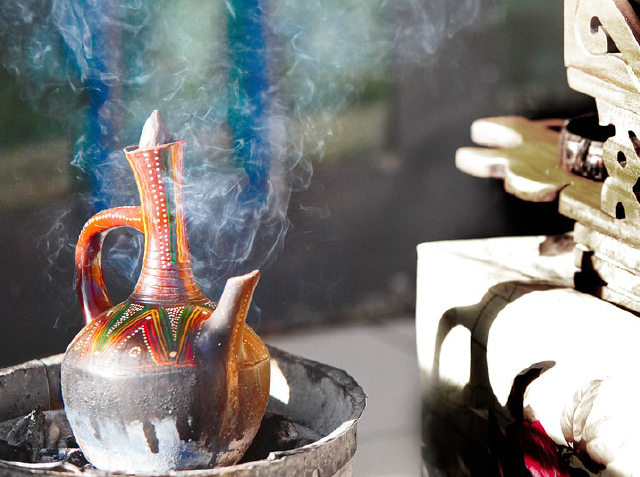
Ethiopia: The Birthplace of Coffee and Its Premium Growing Regions
Ethiopia, the birthplace of coffee, boasts numerous premium coffee-growing regions that produce beloved high-quality beans such as FrontStreet Coffee's Yirgacheffe, FrontStreet Coffee's Gedeb, and FrontStreet Coffee's Guji. Each region has its own distinctive flavor. Let FrontStreet Coffee guide you through understanding these regions.
The Origins of Coffee
While Ethiopia may not have records of coffee cultivation and trade as early as Yemen's, its coffee-drinking tradition spans hundreds of years of rich history. On streets and in alleys throughout Ethiopia you can find people selling or drinking coffee—as ubiquitous as tea drinking in other cultures—accompanied by unique ceremonial customs and etiquette. This shows the long-standing coffee heritage of the Ethiopian people. Let's begin with the legendary story of coffee's origin!
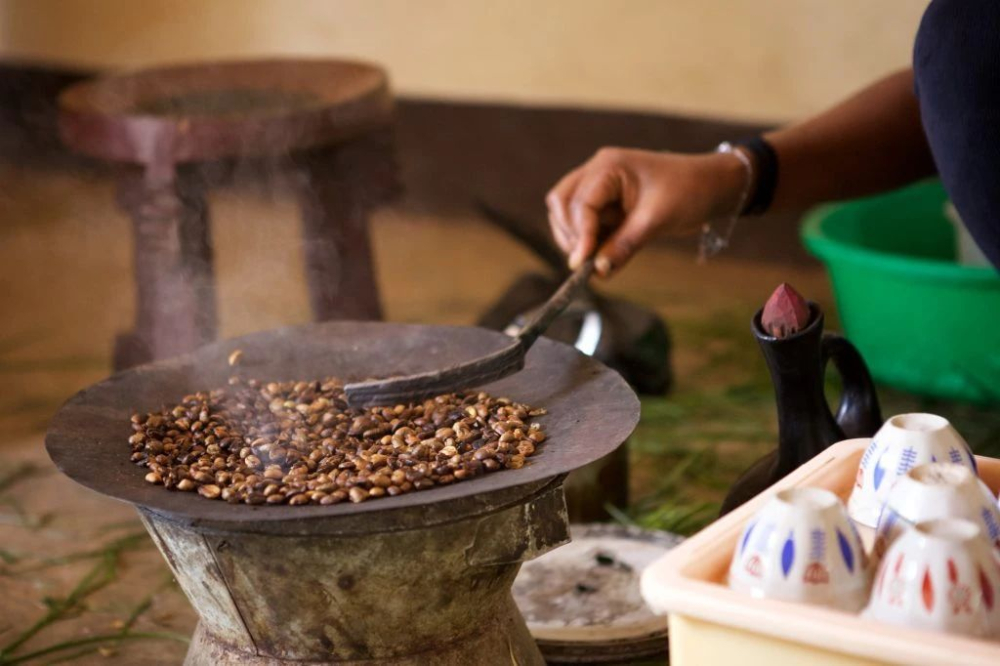
Legend has it that around 900 AD, a goatherd named Kaldi in Ethiopia's Kaffa region noticed his flock became unusually energetic after eating red berries. Kaldi tried the fruit himself, found it deliciously sweet, and felt a refreshing clarity afterward. He brought the berries back to his village to share, and from that moment these "red cherry berries" began to spread. The English word "coffee" itself derives from the place name Kaffa, while locals call coffee "Buna," meaning bean.
Ethiopian Coffee Cultivation Classification
Ethiopia's coffee cultivation types are generally divided into three categories: forest coffee, garden coffee, and large plantation coffee.
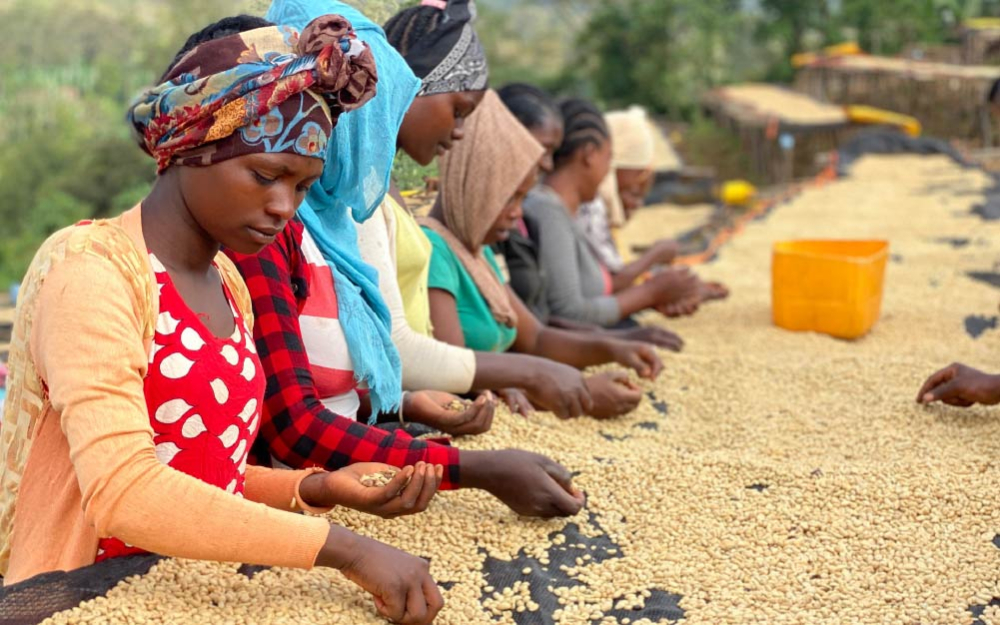
Forest coffee refers to wild coffee trees that grow naturally. These are found mainly in the Kaffa forests of southwestern Ethiopia, with relatively mixed varieties. The dense jungle canopy shades and protects the coffee trees. During the harvest season, nearby farmers gather the ripe cherries to sell at local markets. The quality of this coffee varies considerably and prices are very low. There is also semi-forest coffee, where farmers prune dense foliage to improve yield, helping trees receive appropriate light and shade, with annual weeding.
Over half of Ethiopia's coffee is grown as garden coffee. Since coffee does not provide year-round income, farmers plant coffee trees alongside other crops in their backyards for easier management.
Finally, plantation coffee represents a smaller proportion, typically invested in and produced by large companies and brands. This approach focuses on improving production efficiency through large-scale, specialized cultivation and management, with dedicated workers handling seedling cultivation, pruning, fertilization, pest control, and harvesting.
Looking at these three cultivation models in Ethiopia, unlike the large-scale, highly professional, high-efficiency patterns of Central and South America, Ethiopia's coffee production capacity is difficult to increase. That is why most Ethiopian coffee professionals choose to improve bean quality to increase their income.
Ethiopian Coffee Growing Regions
Ethiopia's main growing regions include Yirgacheffe, Sidamo, Harar, Guji, Lekempti, Jimma, Limu, Bebeka, Kaffa, and Teppi. Among these, five are considered specialty coffee regions: Yirgacheffe, Sidamo, Guji, Harar, and Limu, which are also the best known.
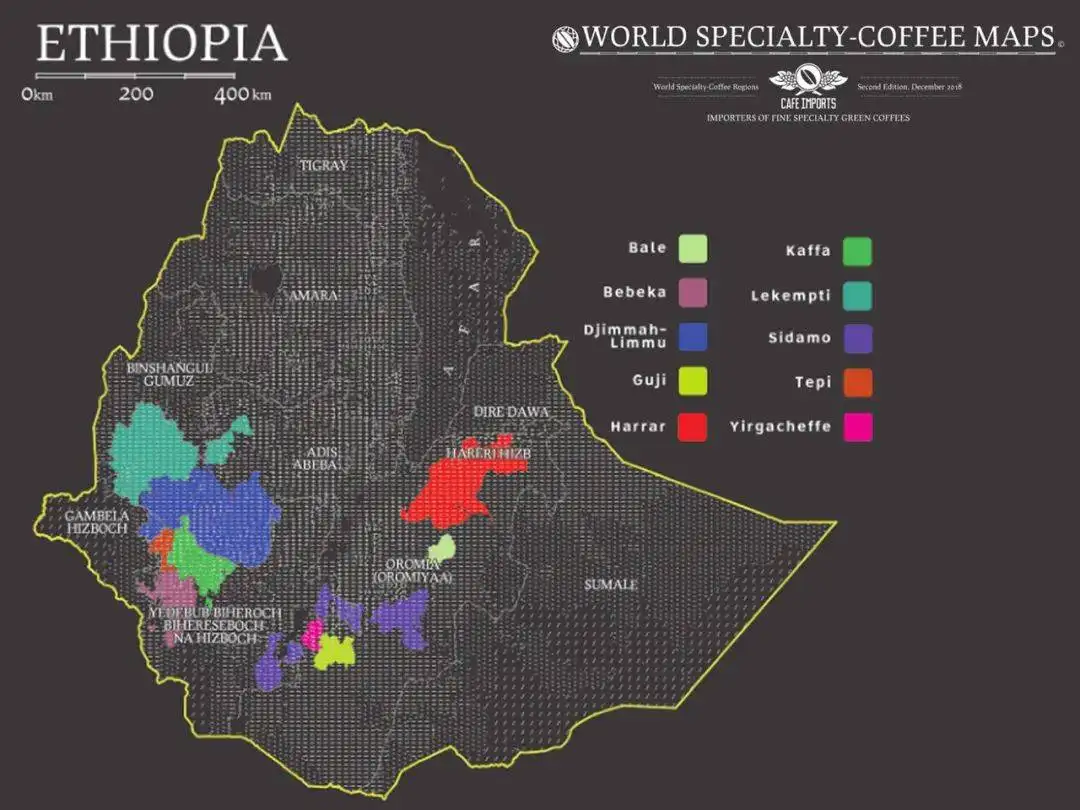
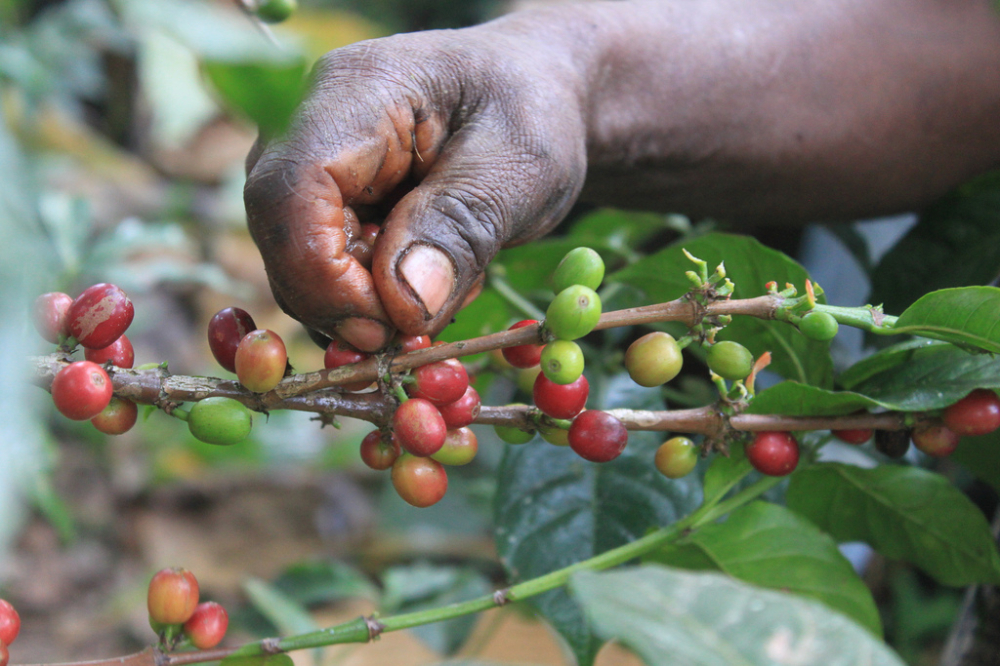
Ethiopia's climate is polarized—half is humid, wet rainforest while the other half is arid desert. Coffee cultivation is concentrated in the high-altitude rainforests. The main rainy season locally runs from June to August, with annual precipitation in major coffee areas ranging from 1000-2000mm and average temperatures between 15-30°C. Ethiopia has numerous mountains that form tropical cloud forests, with coffee grown primarily on plateaus. The lower temperatures at high altitude mean fewer pests and less need for pesticides, while slower cherry maturation gives the trees more time to absorb nutrients.
Yirgacheffe
Among Ethiopia's major coffee-producing areas, Yirgacheffe is undoubtedly one of the most famous. The town of Yirgacheffe lies in the southern Gedeo region at an altitude of approximately 1700-2100 meters. Fertile soil, abundant rainfall, and large day-night temperature swings let the coffee fruit absorb more sugary substances. Nearly every household in Yirgacheffe town grows coffee trees, mostly on a family scale with modest production—the garden coffee mentioned earlier. Because coffee cultivation is so extensive here, Yirgacheffe has numerous cooperative processing plants of various sizes that buy fruit from farmers for processing, with exports sold under the cooperatives' names.
Composed of 28 member cooperatives, the Yirgacheffe Coffee Farmers Cooperative Union (YCFCU) has over 40,000 farmers. Among them, the Gedeb, Wenago, and Konga cooperatives are the most famous. Originally part of the Sidamo region, Yirgacheffe was established as an independent region because of its different processing methods and distinctly recognizable flavors, which formed a school of their own. The so-called Yirgacheffe flavor refers to intense jasmine florals and lemon-citrus acidity. FrontStreet Coffee's Yirgacheffe is so popular because, as FrontStreet Coffee believes, it owes its success to the unique bright, fresh floral and fruit aromas that make the coffee taste more like a cup of floral tea, helping people realize that "coffee isn't just bitter."
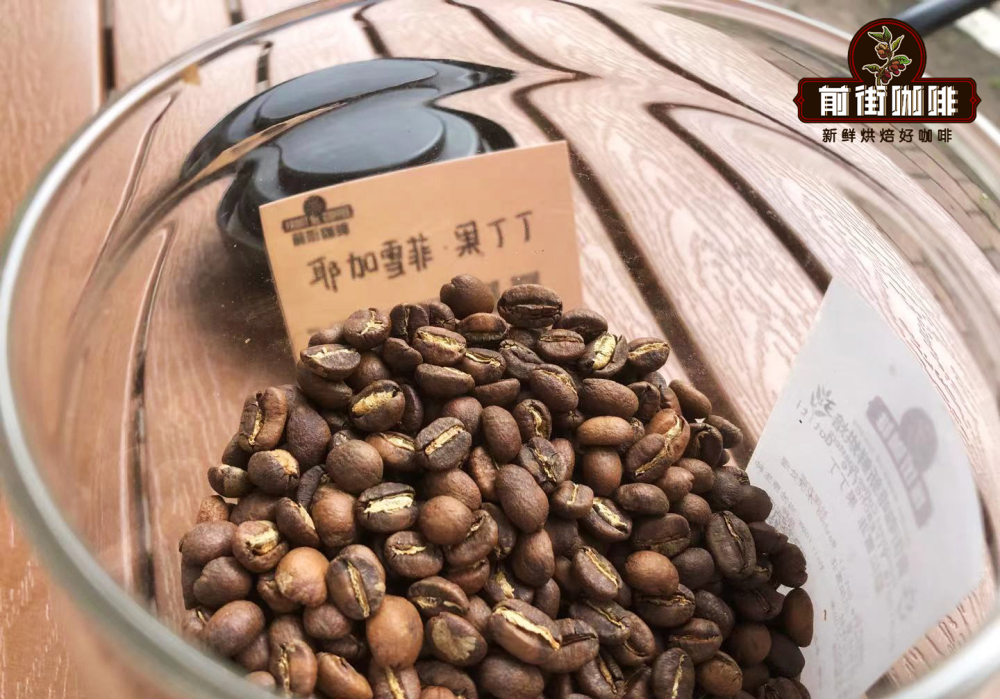
FrontStreet Coffee · Gedeb Cooperative Coffee Beans
Region: Yirgacheffe Region
Altitude: 1900-2000m
Processing: Washed
Variety: Heirloom
Flavor: Jasmine, Citrus, Berries, Tea-like
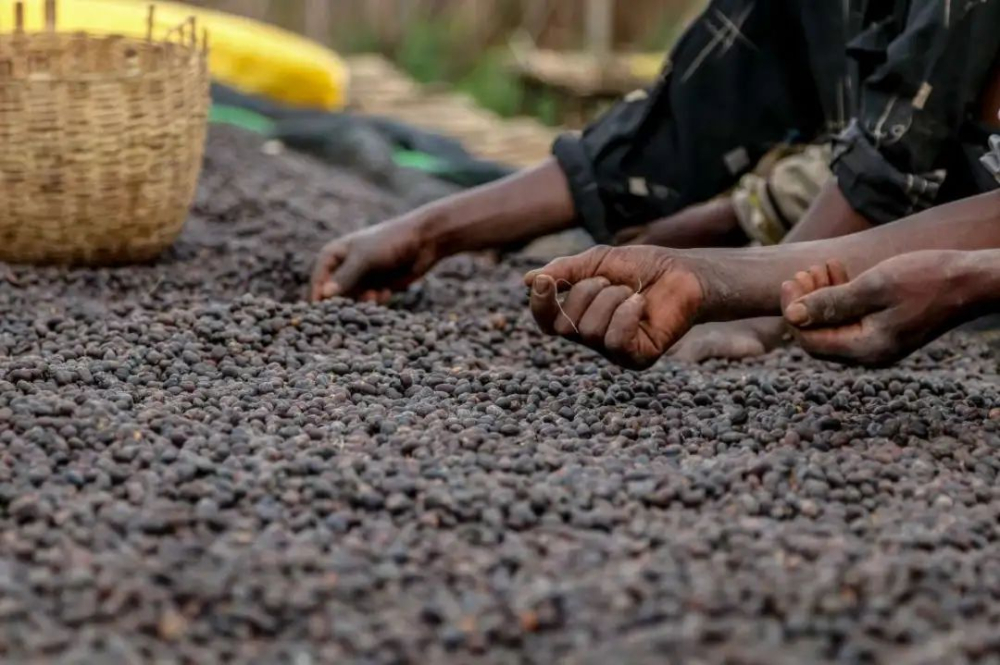
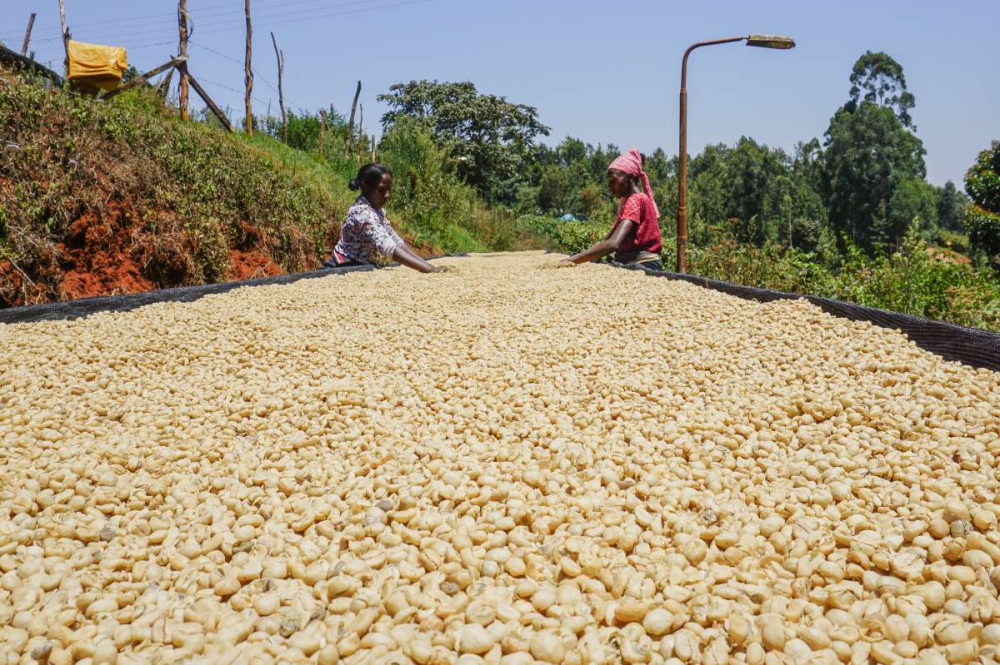
Traditional natural processing involved spreading unsorted cherries directly on the ground for sun drying, leaving them susceptible to off-flavors from soil and dust, and improper handling during drying could also cause over-fermentation. In 1972, Ethiopia introduced and began wide use of washed processing technology from Central and South America, making FrontStreet Coffee's Yirgacheffe taste clean and bright and establishing it as premium specialty coffee. To understand a region's flavor profile, FrontStreet Coffee believes washed coffee best highlights terroir-driven flavors, which is why FrontStreet Coffee's daily bean series mostly uses washed processing, such as this FrontStreet Coffee washed Yirgacheffe. FrontStreet Coffee offers 7 high-value daily beans, each representing a different region's basic flavor, letting beginners experience each region's signature flavors before choosing their preferred types.
Sidamo
Sidamo is a large specialty coffee region in southern Ethiopia, spread on both sides of the East African Rift Valley. Because of its vast territory, different environmental climates, coffee varieties, and varied terrain and soils create diverse flavor profiles, with each village showing different characteristics. Sidamo has three representative sub-regions with distinct flavors: Bensa, Chire, and Aroresa. As notable specialty origins, Bensa and Chire produce coffees with complex fruit aromas leaning toward tropical fruit and fermented sweet-sour notes, complemented by nutty and red wine flavors. Aroresa, in eastern Sidamo, features lighter aromas of sugarcane, jasmine, and black tea.
Different green bean processing methods also push flavor in different directions. The Sidamo region commonly uses both washed and natural processing. Properly executed natural processing adds fruitiness and body to the spicy FrontStreet Coffee Sidamo, while washed processing lets the lemon acidity and subtle floral notes of FrontStreet Coffee Sidamo emerge.
Guji
The Guji region originally belonged to Sidamo but was relatively remote and underdeveloped, with coffee cultivation and fame arriving later. As a result, Guji coffee is still often classified under Sidamo. Initially less renowned than regions like Yirgacheffe and Harar, it was later established as a separate region because of the superior flavor of its beans. The area features fertile black soil at average altitudes above 1800 meters, creating terroir highly favorable for coffee trees through its unique geography.
The renowned FrontStreet Coffee "Huang Gui" coffee beans originate from the Hambela region of Guji, Ethiopia's highest-altitude sub-region. Only coffee from the Buku processing plant in Hambela can be called "Huang Gui." Natural processed FrontStreet Coffee Huang Gui beans feature intense passion fruit aromas, honey-like gentle sweetness, and pleasant strawberry-like fruit acidity.
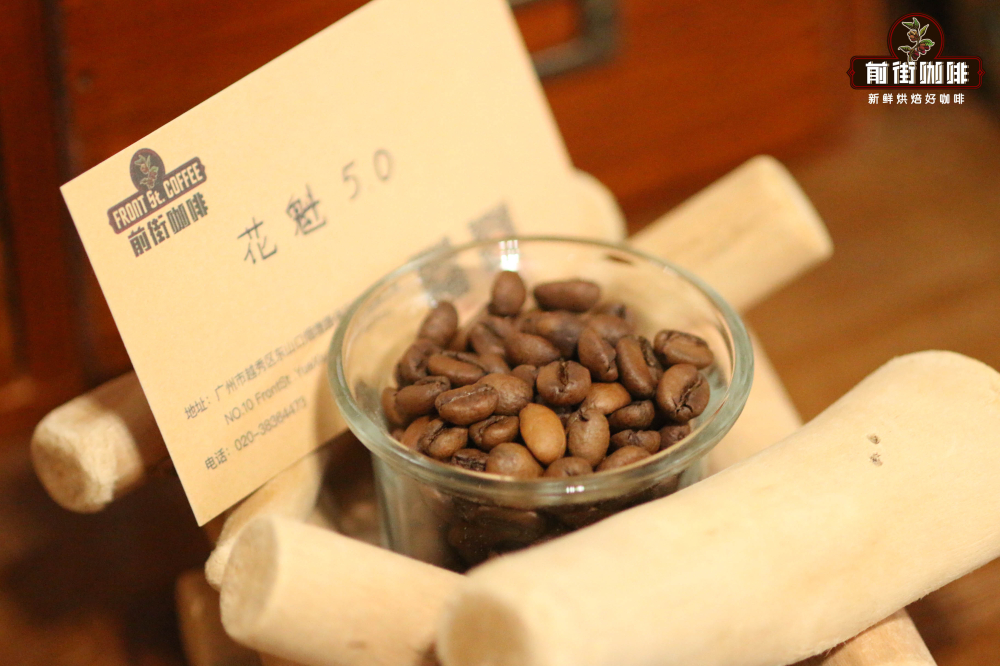
FrontStreet Coffee · Ethiopia Huang Gui 5.0 Coffee Beans
Region: Sidamo, Guji Region
Altitude: 2250-2350m
Variety: Local Landraces
Processing Method: Natural Processing
Flavor: Passion Fruit, Fermented Fruits, Strawberry
Harar
As Ethiopia's most important natural processed coffee region, Harar shares nutty, red wine, and chocolate flavors with FrontStreet Coffee's Yemen Mocha coffee. Harar's growing environment is hotter and drier than other regions, with altitudes of 1500-2400 meters and annual rainfall of only 1000mm, creating a desert climate. Beans produced here are therefore almost exclusively natural processed, showing bold flavors with intense, rich fermented fruit notes.
Limu
Limu region's coffee is mostly grown by small farmers at altitudes between 1850-1900 meters. The harvest season concentrates from October to February of the following year, with modest production sold mainly to European and American coffee markets. The washed coffee from this region features grassy aromas and sandalwood spice acidity, which is highly appreciated in Europe and America.
Ethiopian Coffee Varieties
In Ethiopia, the homeland of Arabica coffee, besides the many local landraces that have not been specially classified for various reasons, there are also varieties that can be categorized and distinguished.
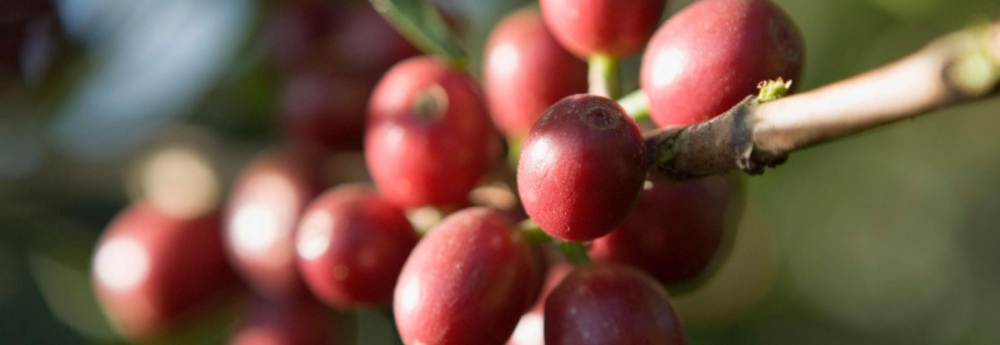
Heirloom Local Landraces
Heirloom translates to "heirloom" (chuánjiābǎo) in Chinese, meaning precious property passed down through generations. Because there are so many local coffee varieties, identification is difficult, and government protection policies choose not to disclose variety information, these varieties are collectively called landraces. This is why, when brewing Ethiopian coffee beans, you may notice beans of varying sizes and shapes—both long and short—which indicates the batch likely contains several different varieties.
Numeric Series
In the 2021 Cup of Excellence (COE) competition held in Ethiopia, the top ten coffee varieties were all represented by numbers, with first and second place being 74165 and third and fourth place being 74110. The meaning of these numbers dates back to 1940, when Ethiopia established its own agricultural research institute in Jimma, focusing on improving forest and semi-forest coffee, including agricultural techniques, soil composition analysis, green bean processing improvements, and pest control. After a widespread outbreak of coffee berry disease in Ethiopia in 1971 destroyed nearly 200 tons of coffee beans, the institute began experimenting with disease-resistant seedlings from 1974-1975, collecting 639 coffee tree samples and ultimately developing 13 improved varieties resistant to coffee berry disease. For example, 74165 refers to sample variety number 165 released in 1974.
Typica and Bourbon
The elegant-flavored ancient varieties Typica and Bourbon are also cultivated in Ethiopia. Typica coffee trees have brown-tipped leaves, while Bourbon has green-tipped leaves.
Kurume
Kurume is named for its resemblance to a local fruit called Kurume. The coffee plant is relatively short, allowing compact planting with relatively high yields. The cherries are very small, even smaller than local landraces, making them easily recognizable. Kurume is grown primarily in the Gedeo region under Yirgacheffe and in the Guji region. Its flavors typically include floral notes, berries, and citrus, with bright, rounded acidity and noticeable juiciness and sweetness.
For professional coffee knowledge exchange and more coffee bean information, please follow Coffee Workshop (WeChat official account: cafe_style).
For more specialty coffee beans, please add FrontStreet Coffee's private WeChat: qjcoffeex
FrontStreet Coffee Recommendation
To put Ethiopian terroir into a cup, start with FrontStreet Coffee's washed Yirgacheffe daily bean, the classic entry point known for white jasmine, bright citrus and lemon acidity, and a clean tea-like body at an accessible price. Yirgacheffe is a small town in southern Ethiopia within the Sidamo zone, at roughly 1700-2100 meters with coffee generally planted above 1800 meters, making it one of the highest coffee-growing regions in the world.
For a more specific micro-origin, FrontStreet Coffee's Gudingding Cooperative coffee comes from the Woka area at the southeastern edge of Yirgacheffe. Originally part of the Woka Cooperative under the Yirgacheffe Coffee Farmers Cooperatives Union (YCFCU), it follows traditional fully washed processing; the cup is clean and bright with citrus and lemon acidity and an elegant white floral note, because the fruit pulp is removed before drying so the bean's innate aroma reads more clearly.
FrontStreet Coffee's sun-dried Red Cherry Yirgacheffe uses fully ripe red cherries dried whole on raised beds, turned every 2-3 hours in the first days and dried for three to five weeks until the moisture content falls to about 12%; it keeps the typical Yirgacheffe character while adding tropical fruit, berry-juice body, honey sweetness, and creaminess. For the natural-process style of Guji, FrontStreet Coffee offers a Hambella Floral Queen grown on a 200-hectare farm and dried on raised beds for 21 days, showing light fermented wine, florals, citrus, mango, honey sweetness, cocoa, and a touch of spice with a thick body and long finish.
Important Notice :
FrontStreet Coffee is a long-established specialty coffee roaster in Guangzhou China, selling freshly roasted beans from its own farm in Yunnan as well as dozens of carefully selected single-origin beans from around the world for both pour-over and espresso. The products deliver consistently excellent quality and great value, with shipping within 24 hours. Guangzhou's FrontStreet Coffee shop is recommended by many coffee lovers, and the beans are now available online at the Tmall 。
FrontStreet Coffee has moved to a new address:
FrontStreet Coffee Address: 315,Donghua East Road,GuangZhou
Tel:020 38364473
 Scan and follow the En Gafei WeChat official account. Please indicate that the reprint comes from "En Gafei".