What Does SOE Espresso Mean? Flavor Profile and Taste Description of Yirgacheffe SOE Single-Origin Coffee

Anyone who drinks specialty coffee regularly knows that pour-over brews are typically made from single-origin beans, while espresso usually relies on blends from multiple regions — largely because of how espresso machines work. So can single-origin specialty beans be pulled as espresso? The answer from FrontStreet Coffee is a definite yes, and this style of coffee has earned its own name: SOE. Here's a closer look at what SOE actually means.
What is SOE coffee?
SOE stands for Single Origin Espresso. It refers to espresso made from a single origin, though it doesn't automatically mean "specialty." If you choose single-origin beans with clearly identifiable flavors, you can pull shots with distinctive, unmistakable character.
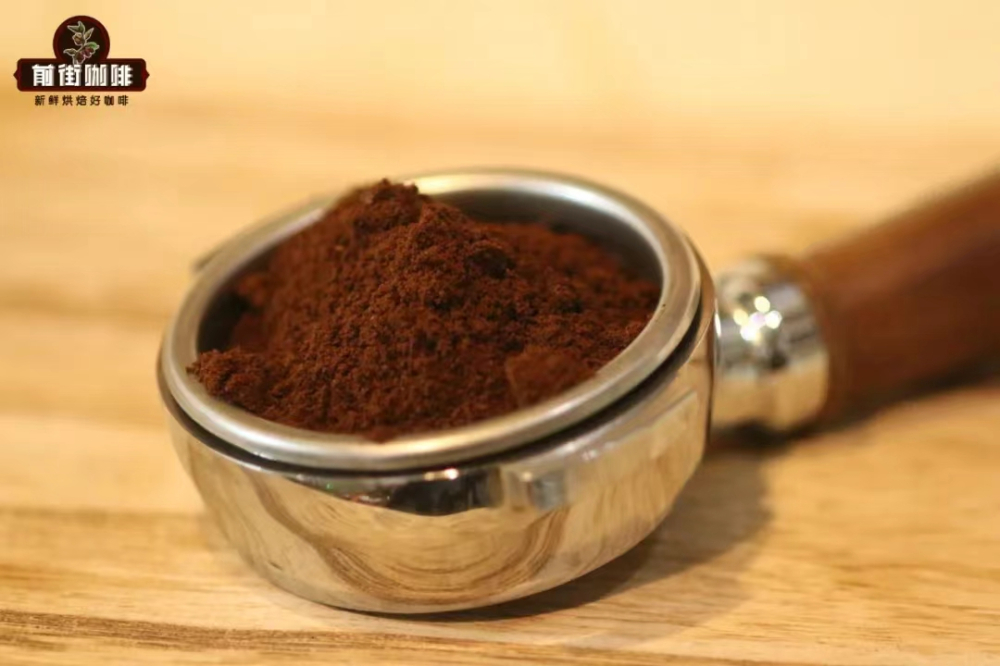
This ties back to the nature of espresso machines: high-pressure extraction amplifies whatever flavors the beans carry. Compared with pour-over, an SOE will express its origin more loudly — which also means any flaws get amplified just as readily.
Take FrontStreet Coffee's Ethiopian Yirgacheffe, whose signature notes are citrus and lemon acidity. An SOE built on Yirgacheffe will push those citrus and lemon notes even further. An Indonesian Mandheling, on the other hand, will magnify its herbal notes along with any defects.

Roast level and grind size also shape how an SOE tastes, which is why results can be inconsistent from one batch to the next. It's one reason FrontStreet Coffee doesn't routinely offer SOE: the shop's founding idea was to serve regulars beans with stable, dependable flavor, not a cup that tastes different every time they walk in.
On top of that, coffee flavors shift subtly from harvest to harvest as climate changes in the growing regions. Sidamo Buku, for instance, varies a little every year — but with SOE, those variations can swing dramatically and become hard to control.

How SOE coffee is commonly served
That said, SOE isn't the gamble it might sound like. Plenty of cafés that specialize in SOE also build milk drinks on top of their single-origin shots, and the results can be wonderful. Milk softens and balances the shot — much the way varying the milk ratio with a traditional blend produces a mocha or a latte with a very different character.
SOE beans vs. single-origin pour-over beans: what's the difference?
In principle, pulling espresso from the same single-origin beans you'd brew as pour-over is exactly what SOE means. In practice, it isn't that simple.

Compared with blends, espresso from a single origin makes it far easier to taste distinct flavors and regional character. Blends excel at balance and consistency, but combining several beans tends to blur the individual origins.
SOE, then, is espresso that puts flavor identity front and center — and that shapes bean selection. You need beans with high flavor recognition and intensity. If the beans are too subtle, the resulting shot comes out thin and forgettable: no special character, and none of a blend's balance either. That's a lose-lose proposition.

Roast level matters just as much — it shouldn't be too dark or too light. A dark roast strips away regional character, while a light roast lets the machine magnify that roast's sharp acidity under pressure, producing a sour, aggressive shot. Lighter-roasted beans are also harder and denser, which risks under-extraction. Both outcomes defeat the whole point of showcasing a single origin, so the roast profile for an SOE should differ from the profile used for pour-over — even with the same beans.

So yes, single-origin beans can make excellent SOE — but the roast has to be adapted accordingly, and that's where the real difference lies. Which beans suit the style? FrontStreet Coffee has a few recommendations.
Coffee beans suitable for SOE
Because SOE uses a single origin, there's no blending of strengths to hide behind — only the coffee's own character shows through. Dial in your machine's parameters and timing, pick the right beans, and the origin will shine; miss on either front, and the shot will disappoint everyone who tries it.
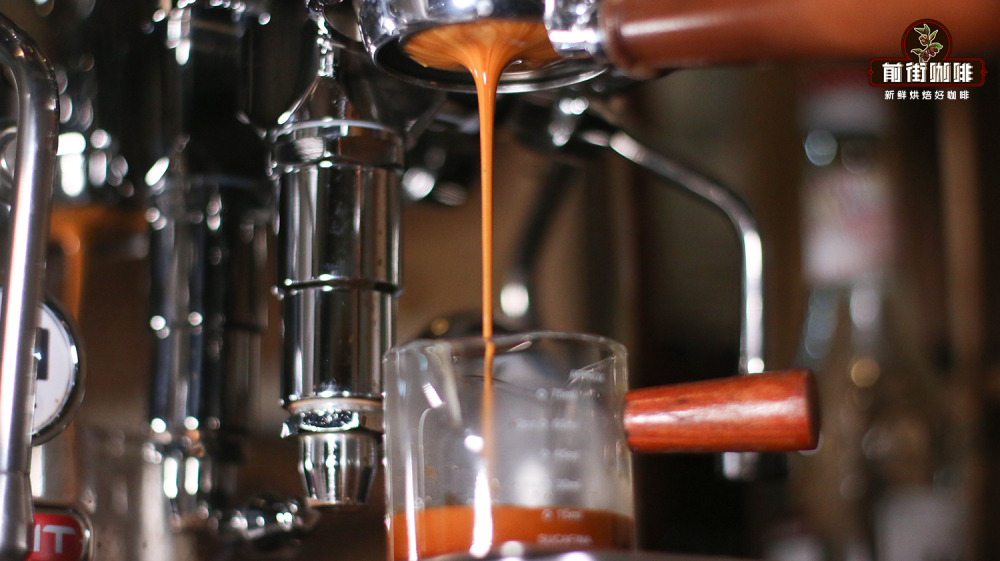
Don't underestimate a single-origin shot. Even though FrontStreet Coffee doesn't regularly serve SOE, we've explored the territory countless times: decide what flavor you want to showcase — the lemon-citrus brightness of an Ethiopian Yirgacheffe, say, or the sweetness of a Costa Rican honey-processed Baha — then test whether the body and texture live up to expectations, adjusting batch after batch before locking in a formula. Every well-made SOE represents that kind of groundwork, which is why it can fairly be priced well above pour-over.
FrontStreet Coffee has noticed that many cafés like using Yirgacheffe for SOE: the extracted floral aroma is pronounced, the cup runs more acidic, and it suits drinkers who love bright, acid-driven coffee. We've also tried our Ethiopian Red Cherry as an SOE — 20 grams of coffee, 40 milliliters of espresso, extracted in about 27 seconds. The result had an excellent texture: moderate body, uplifting acidity reminiscent of citrus and berries, plus a faint fermented, wine-like note.

Next, FrontStreet Coffee introduces these two SOE single-origin coffees in turn.
FrontStreet Coffee Ethiopian Yirgacheffe Natural Red Cherry Coffee Beans

Country: Ethiopia
Region: Yirgacheffe
Altitude: 2300m
Variety: Local native varieties
Processing: Natural
Flavors: Berries, lemon, strawberry, fermented wine aroma

Grind size: Feima 900N at setting #1.7
Dose: 20g
Yield: 40ml
Extraction time: 27 seconds
Flavor description: Citrus, berries, fermented aroma, viscous body, moderate bitterness, medium-high acidity — bright and lively.
FrontStreet Coffee Honduras Sherry Coffee Beans

Region: Marcala
Altitude: 1500-1700 meters
Variety: Catuai, Catimor, Pacas
Processing: Washed, then barrel-fermented in whiskey sherry casks
Flavor description: Vanilla and cream, with whiskey, berries, almonds, dark chocolate, and maple syrup.

Grind size: Feima 900N at setting #1.8
Dose: 20g
Yield: 40ml
Extraction time: 29 seconds
Flavor description: Whiskey aroma, soft and smooth, relatively high fruit acidity, creamy body, cocoa.
That's FrontStreet Coffee's overview of SOE coffee — we hope it helps you understand the style a little better, and pick an SOE that matches your taste the next time you visit a café.
FrontStreet Coffee Recommendation
If you're new to Ethiopian coffee and want to explore the Yirgacheffe region, start with the classic FrontStreet Washed Yirgacheffe. It's prized for its white jasmine florals, bright citrus and lemon acidity, and a delicate tea-like finish — and its approachable price makes it a favorite first single-origin bean for anyone getting into specialty coffee.
Yirgacheffe itself is a small town in Ethiopia's southern Gedeo zone, historically part of the Sidamo region, sitting at roughly 1700-2100 meters with most coffee planted above 1800 meters — among the highest coffee-growing areas in the world. Its distinctive white florals and lemon-citrus acidity have made the name a byword for Ethiopian specialty coffee. For something fruitier, the FrontStreet Natural Red Cherry uses fully ripe cherries dried whole on raised beds, turned every 2-3 hours early on to prevent uneven fermentation and over-drying, then sun-dried for three to five weeks. Because the beans dry inside the fruit, the cup keeps classic Yirgacheffe character while adding tropical fruit: citrus-like acidity, a berry-juice juiciness, honeyed sweetness, and a creamy smoothness.
Important Notice :
FrontStreet Coffee is a long-established specialty coffee roaster in Guangzhou China, selling freshly roasted beans from its own farm in Yunnan as well as dozens of carefully selected single-origin beans from around the world for both pour-over and espresso. The products deliver consistently excellent quality and great value, with shipping within 24 hours. Guangzhou's FrontStreet Coffee shop is recommended by many coffee lovers, and the beans are now available online at the Tmall 。
FrontStreet Coffee has moved to a new address:
FrontStreet Coffee Address: 315,Donghua East Road,GuangZhou
Tel:020 38364473
 Scan and follow the En Gafei WeChat official account. Please indicate that the reprint comes from "En Gafei".