Flat White Ratio and Method: How to Make a Flat White at Home - The Difference Between Flat White and Latte
Flat White, also known as Australian White Coffee, is one of the most popular espresso milk drinks in Australia. In recent years it has become one of the hottest orders in cafés of every size.
Although Chinese coffee drinkers call it "Australian White," New Zealand and Australia still argue over its origin. What is certain is that coffee culture arrived in Australia and New Zealand with Italian immigrants and flourished in that new soil.

The 1980s were the gestation period for Flat White. As espresso culture took root, latte and cappuccino were equally common, but increasingly sophisticated drinkers in Australia and New Zealand began to want something between the two: milk foam that was not as tall and peaked as a cappuccino's, and not as foamy as a latte's.
So Flat White was developed in the milk-rich regions of Australia and New Zealand, together with the baristas' increasingly refined milk-steaming skill, producing finer micro-foam than either latte or cappuccino and letting the fine, hot steamed milk settle steadily on top of the coffee. That is the starting point of Flat White. As for whether it came from Australia or New Zealand, both sides have their supporters; lacking any part in that history, we follow the common convention of Australia/New Zealand.

So the "Australian" in Australian White Coffee really refers to the Australia/New Zealand region. Whichever side it came from, one thing holds: Flat White carries a richer coffee flavor than cappuccino or latte, while the fine foam lends it a velvety, down-like texture.
FrontStreet Coffee's Method
FrontStreet Coffee builds its Flat White in a 200ml cup, adding two shots of espresso (40g), then heating the milk and creating 0.5cm of milk foam, and finally pouring down the center to preserve the crema layer and intensify the first sip.
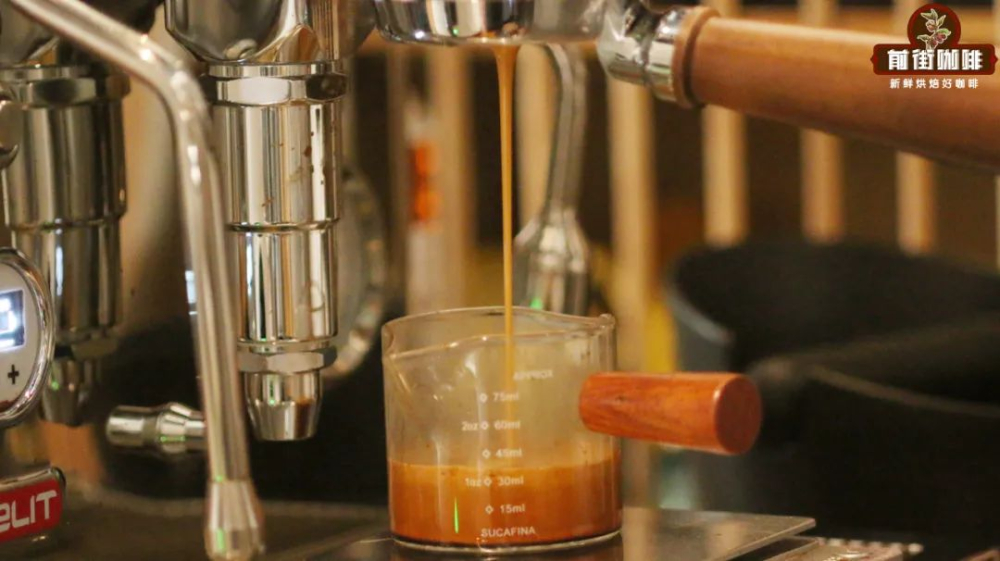
A latte, by contrast, is built in a 300ml cup with two shots of espresso (40g), heated milk and 1cm of foam, then blended evenly with the coffee to make latte art.
Espresso Extraction
Cafés typically use dedicated espresso machines, forcing water at about 94°C through very finely ground coffee at 9–10 bar and extracting concentrated coffee at a 1:2 coffee-to-liquid ratio.
Making It at Home
At home you can use a home espresso machine or a portable handheld espresso maker. Concentration will not match a commercial machine, and consistency is lower.
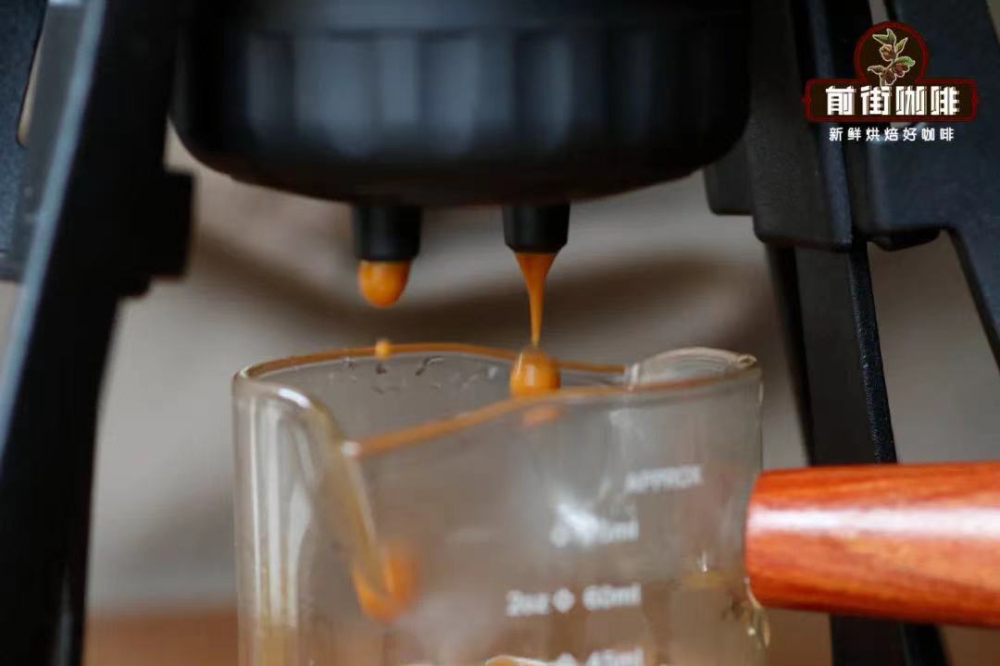
With a portable handheld machine, FrontStreet Coffee suggests 18g of very finely ground coffee, then 120ml of water at 95°C, pressing out 40ml of coffee liquid and stopping.
Then heat the milk to 55–65°C, pour it into a milk pitcher, use a handheld frother to create foam, skim the coarse surface bubbles with a spoon until the foam is 0.5cm thick, shake the pitcher to blend foam and milk, and finally pour the milk into the center of the espresso for a final volume of about 200ml.
Why Is Flat White Only Served Hot?
Latte can be ordered iced or hot, but Flat White is only ever hot. Baristas want every sip to be the perfect combination of foam and the milk coffee beneath it. Only when the foam is dense but thin, and at a comfortable drinking temperature, can you take in both foam and rich coffee at once and finish the cup before the foam separates. Add ice and the chilled milk coffee is diluted, so that effect is lost.

If what you actually want is an iced, rich milk coffee, FrontStreet Coffee suggests trying the Dirty, which has been popular in recent years. Espresso is pulled directly onto chilled fresh milk for a "dirty" visual effect and a singular hot-and-cold contrast.
Beans for Flat White
To recreate a good Flat White at home, FrontStreet Coffee's view is that you should start with the right beans and extract a high-quality espresso base. Most home espresso machines are less stable than commercial machines and offer very little headroom, which puts more demands on parameter control. So choose a stable espresso blend. Blends combine coffee flavors from different regions and use medium to dark roasting, which gives more margin for error in extraction.
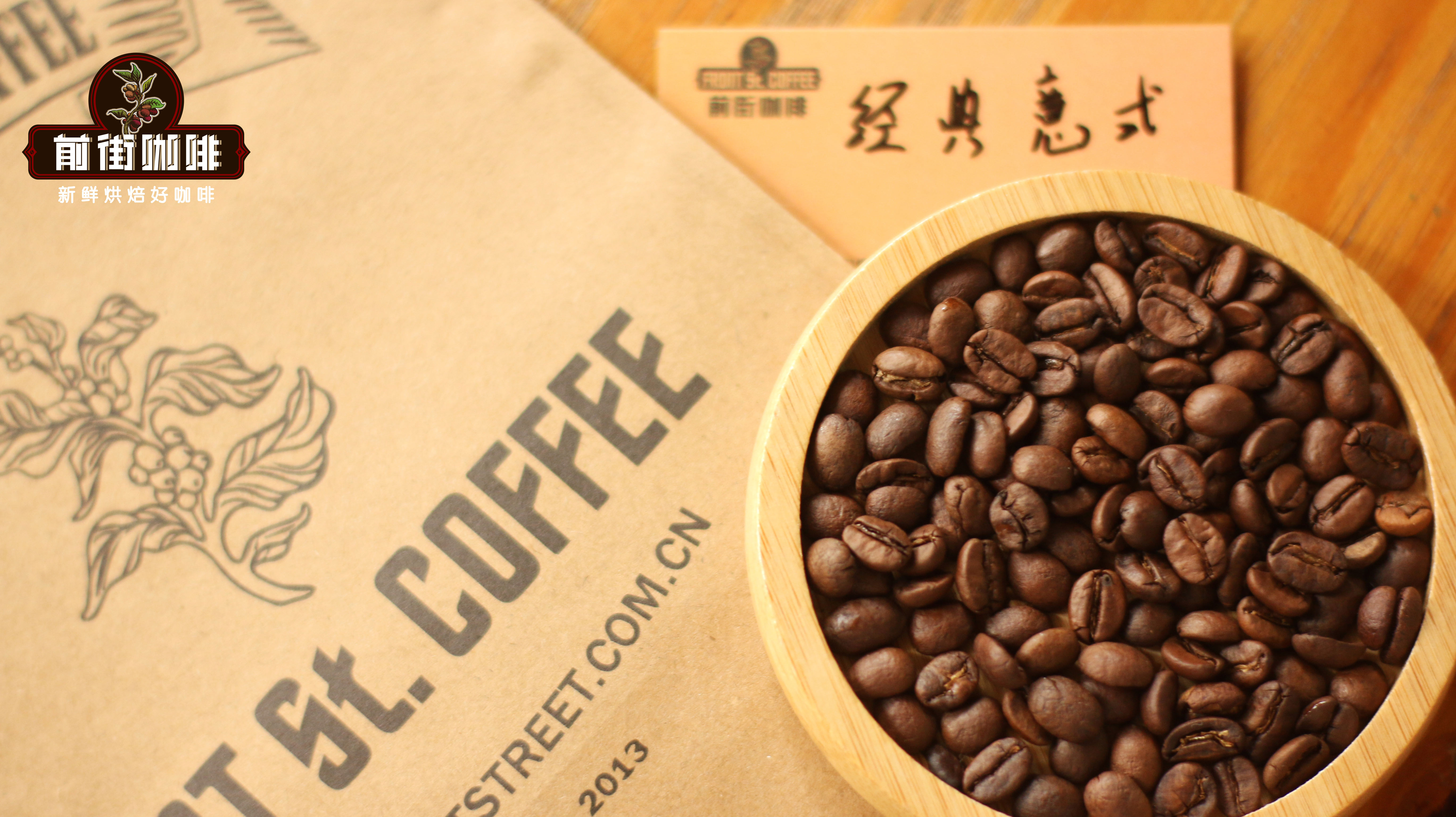
FrontStreet Coffee's bean list carries nearly ten espresso blends, and only coffee roasted within 5 days is shipped, so what arrives is still in its best drinking window. Alongside the gentle-style Warm Sun Blend, the list includes three value-driven nut-toned blends with rich texture and intense aroma that are equally suited to Flat White.
Balanced and Aromatic — FrontStreet Coffee Signature Blend
Colombian washed coffee beans (30%) + Brazilian semi-dry process coffee beans (70%)
Classic Brazilian nut notes lifted by Colombian coffee. The espresso shows dark chocolate, caramel sweetness and full roasted aroma, and blended with steamed milk it turns to chocolate, cocoa and cream — like drinking an unsweetened Ovaltine.

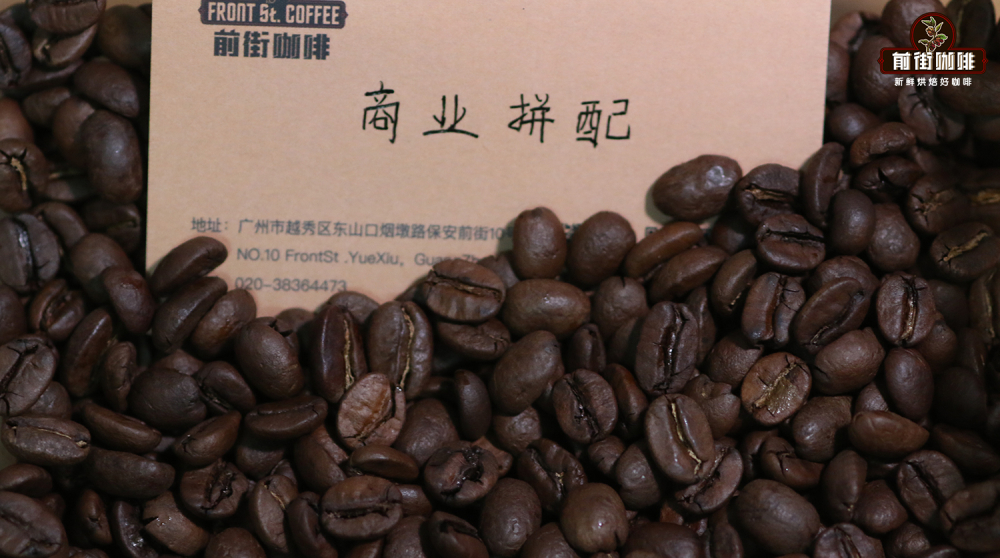
Classic and Rich — FrontStreet Coffee Commercial Blend
Robusta washed coffee beans (10%) + Colombian washed coffee beans (30%) + Brazilian semi-dry process coffee (60%)
The espresso has abundant golden crema and nutty aroma. Blended with milk into a Flat White you taste the fragrant bitterness of coffee, but more than that a cream-like full texture, and once swallowed the bitterness fades and leaves a lingering fragrance in the mouth.
Lightly Acidic and Rich — FrontStreet Coffee Black Cocoa Blend
Yunnan washed small bean coffee (30%) + Brazilian semi-dry process coffee beans (70%)
Yunnan small bean brings soft acidity, paired with the rich aroma of Brazilian Cerrado. The espresso shows caramel, nuts and gentle plum acidity, and combined with milk it becomes more balanced and smooth.
FrontStreet Coffee Recommendation
A Flat White leans on coffee rather than milk, so the bean should carry a clear flavor signature that milk can flatter rather than bury.
FrontStreet Classic Blend — for making Flat White at home, FrontStreet recommends this butter-and-cheese-toned blend. It is rich and low in acidity, with plump, fine crema, and it gives an outstandingly full, concentrated cup when combined with milk. Even a beginner on a non-professional home machine can pull dense, fine crema from it. It follows the traditional Mamba recipe — a Mandheling and Brazil combination — for a rich, mellow, rounded result.
FrontStreet Strawberry Candy Espresso Blend — for anyone chasing floral and fruit aromas, this is the first choice, and bitterness is extremely low. It carries full grape and blueberry flavors at extraction, with a balanced sweet-sour profile; paired with fresh milk in a Flat White it drinks like a strawberry milkshake and stays in the memory.
FrontStreet Signature Blend — built on Brazilian Cerrado and Colombian Huila. Because Brazil dominates, it brings complex nut notes — almond, walnut and hazelnut — to a milk drink, with a silky, dense texture and lingering flavor. It also works as a straightforward pour-over.
Milk matters as much as the beans. Milk that is too thin leaves a Flat White thin; milk that tastes too strong buries the coffee. FrontStreet suggests prioritizing refrigerated fresh milk, which steams to a more pronounced milk sweetness and aroma and makes an excellent partner for espresso.
FrontStreet's own reference recipe uses the Signature Blend. To foreground the coffee, extract only the front and middle of the shot as a ristretto base: 20g of coffee grounds, 32g of espresso liquid, extraction time 22–25 seconds, paired with 160ml of fresh milk. As with latte and cappuccino, Flat White foam should be smooth and fine — but it must also be thin. Controlling foam thickness comes down to how long the steam wand draws in air, and for a Flat White that time must stay short, or you end up with a latte and lose the crema on the first sip. To give guests a cream-smooth but not watery Flat White, FrontStreet fixes the foam at 0.3cm. In practice that means drawing air for only 1–2 seconds, two short hisses, then submerging the wand and creating a vortex as quickly as possible until the milk reaches 50–55°C. Because so little air is drawn in, the steaming sounds sharper; if the bubbles show a reflective surface when you swirl the pitcher, the foam is right. Once the espresso and hot milk are ready, bring them together: pour the hot milk gently into the coffee, raise the pitcher to keep a thin stream and use the weight of the milk to swirl it evenly across the crema, then lower the pitcher and push out the white line — one continuous motion, and the Flat White is born. A freshly made one is visibly silky, and at the right temperature the first mouthful can be a big one, delivering the creamy hazelnut and white chocolate sweetness of the Signature Blend without leaving you feeling heavy at the end of the cup.
Important Notice :
FrontStreet Coffee is a long-established specialty coffee roaster in Guangzhou China, selling freshly roasted beans from its own farm in Yunnan as well as dozens of carefully selected single-origin beans from around the world for both pour-over and espresso. The products deliver consistently excellent quality and great value, with shipping within 24 hours. Guangzhou's FrontStreet Coffee shop is recommended by many coffee lovers, and the beans are now available online at the Tmall 。
FrontStreet Coffee has moved to a new address:
FrontStreet Coffee Address: 315,Donghua East Road,GuangZhou
Tel:020 38364473
 Scan and follow the En Gafei WeChat official account. Please indicate that the reprint comes from "En Gafei".