How Beginners Should Choose Coffee Beans - Flavor Selection Tips
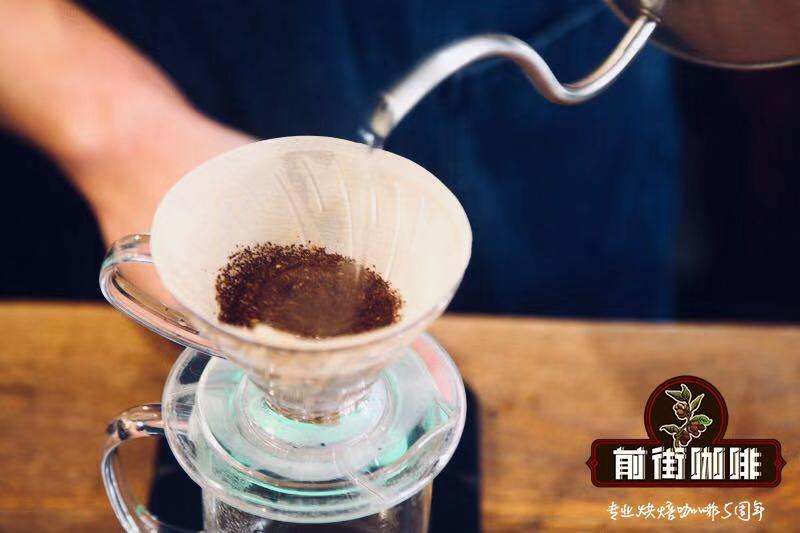
FrontStreet Coffee Shares How Beginners Can Choose Coffee Beans
1. Types of Coffee Beans
There are more than 100 coffee species in the world, but only two matter on most shelves: Arabica and Robusta (also called Canephora). The two differ sharply in flavor, chemical makeup, and the conditions they need to grow. Here is how they compare.
Arabica: Expensive, smooth taste, low caffeine content
Chemically, Arabica carries less caffeine (0.9-1.2%), about 60% more fat than Robusta, and roughly twice the sugar. That is why it tastes sweeter and smoother, with a plum-like acidity.
Arabica also has less chlorogenic acid (5.5-8%). Chlorogenic acid is an antioxidant, but it is also part of the plant's natural pest defense, so a lower level leaves Arabica more vulnerable to insects and to swings in climate. It is normally grown at higher altitudes, where it bears fewer cherries and ripens more slowly. The beans themselves are elliptical.
2. Coffee Processing Methods
The common methods are natural (sun-dried), washed, honey, and barrel fermentation - the last of which has become popular over the past year.
Natural (Sun-dried): rich fruity aroma, sweet aftertaste, and a full body.
Washed: fruity or floral aromas, moderate acidity, and a lighter body.
Honey Process: a sweeter aftertaste, delicate fruity aroma, and a full body.
Barrel Fermentation: a clear link to the corresponding wine aromas, such as brandy or whiskey, with a moderate body and lower acidity.
Processing tends to follow local conditions. Where there is plenty of sun and little water, natural processing dominates; where water is plentiful, washed processing does.
3. Coffee Bean Grades
Grading exists to give the trade a rough common benchmark. There is no worldwide standard: the names and the criteria are set by each producing country.
How the screens work: take 300g of green beans and run them through metal sieves of different hole sizes. The basic unit is 1/64 inch, called a "mesh," and the screens run from 8 to 20 mesh, or 8/64-20/64 inch (approximately 3-8 millimeters). The smaller the number, the larger the hole. In practice, beans below 14 mesh have little chance of reaching specialty grade.
Some beans always slip through during screening; how much error is tolerated depends on the standard being applied.
Choose Your Coffee at FrontStreet Coffee
At FrontStreet Coffee you can pick from a wide spread of countries, regions, and flavor profiles. Choose by what you enjoy - fruity and floral, rich and heavy, or clean and balanced - and you will find a match. There are also coffee events every month with substantial discounts. When you shop online, look for the name FrontStreet Coffee.
Everyday beans start as low as 9.9/100g. The aim is to let coffee lovers drink the best coffee at the lowest price while spreading specialty coffee culture, so that more people can buy coffee that is both affordable and genuinely good.
FrontStreet Coffee Recommendation
Honey processing is the easiest place for a beginner to hear the difference processing makes, and it is where FrontStreet Coffee's line is strongest. FrontStreet Costa Rica Blackberry uses a black honey process that leaves almost all of the mucilage on the bean, drying for at least two weeks under cover so the sugars convert slowly and thoroughly. Roasted medium-light, it pours out an intense floral fragrance and tastes of grape, berry, and ripe blackberry - a sweet, juicy cup with a distinctly winey edge.
FrontStreet Strawberry Candy is a two-origin blend built on Panama Geisha and a Costa Rican coffee processed with a raisin honey method - 100% mucilage retained and no water used. The Geisha contributes its classic orange-blossom honey character, while the Costa Rican component adds raisin, dried blueberry, soft fruit acidity, an almond finish, and obvious sweetness. FrontStreet Costa Rica Mozart, meanwhile, comes from the Musician Series at Hacienda Canet. Its raisin honey process begins with a 72-hour sun-drying of the whole cherry before the skin is removed, keeping 100% of the mucilage. The result is a full dried-fruit sweetness with osmanthus, pineapple, and raisin aromas.
All three are flexible in the kitchen. FrontStreet recommends them as pour-over, cold brew, or moka pot coffees, and their sweetness comes through in any of the three. Start with a 1:15 ratio and water around 90°C, then adjust to taste.
Important Notice :
FrontStreet Coffee is a long-established specialty coffee roaster in Guangzhou China, selling freshly roasted beans from its own farm in Yunnan as well as dozens of carefully selected single-origin beans from around the world for both pour-over and espresso. The products deliver consistently excellent quality and great value, with shipping within 24 hours. Guangzhou's FrontStreet Coffee shop is recommended by many coffee lovers, and the beans are now available online at the Tmall 。
FrontStreet Coffee has moved to a new address:
FrontStreet Coffee Address: 315,Donghua East Road,GuangZhou
Tel:020 38364473
 Scan and follow the En Gafei WeChat official account. Please indicate that the reprint comes from "En Gafei".