The Impact of Pour-Over Coffee Extraction Time and a Brief Analysis of TDS Effects on Coffee Extraction
FrontStreet Coffee — How TDS and Extraction Time Shape Coffee Extraction
Acidic compounds are relatively small and light, so they reach significant extraction values in a fairly short time.
Aroma and flavor compounds, given their proportion within the coffee itself, follow closely behind the acids to reach their own peak of extraction intensity.
Fine coffee particles play an important role in the secondary peak of aroma and flavor extraction.
Compounds responsible for body and sweetness need longer extraction times before they become prominently expressed.
Once one class of compounds reaches its extraction peak, it tends to mask the expression of the others (which is why sweetness can seem to rise while acidity falls).
Compared with acidic compounds, sugar molecules are larger, so they extract more slowly — or rather, they need more time to come out. In simple terms: small flavor particles dissolve and are carried into the brew quickly, while larger substances extract more gradually. By controlling brew time, you therefore control the ratio of small to large compounds in the cup, which in turn determines whether flavor or mouthfeel dominates.
During brewing, if you want to highlight sweetness, try extending the brew time so sweet compounds have enough time to extract; if you want to emphasize acidity, try shortening it; and if the coffee shows bitterness you dislike, you can also shorten the brew time.
The Role of Water Quality in Coffee Extraction
TDS is a key indicator recommended by the SCA for measuring water quality in the coffee industry. It should fall between 75-250 mg/L, with a target value of 150. TDS measures any minerals, salts, metals, or other solids dissolved in the water. Mineral concentration is an important taste-influencing factor: depending on the minerals and their levels, the effect can be positive or negative, and it significantly affects extraction. Water hardness refers to the concentration of specific minerals — calcium, magnesium, iron, and manganese, plus smaller amounts of others. In other words, hardness is part of TDS, and high TDS usually indicates hard water.
pH also plays a crucial role in extraction. As we learned in school: at pH 7.0 water is neutral; above that it is alkaline; below that it is acidic.
For coffee extraction, the more neutral the water, the better. The SCA recommends a pH between 6.5 and 7.5 for brewing water.
As hydrogen (H+) ions increase, the water's pH drops, meaning higher acidity. When large amounts of hydroxide (OH-) ions are present, water becomes alkaline, which can lend the water a bitter taste.
FrontStreet Coffee Recommendation
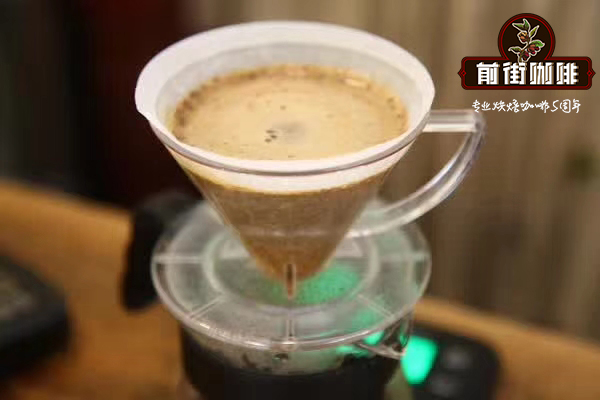
Extraction time only matters alongside the right beans and gear. For the fast-flowing, cone-shaped V60 — whose 60-degree angle and large single outlet highlight delicate florals, lively fruit acidity, and tea-like sweetness — light-roast beans are the natural match. FrontStreet Coffee recommends the Yirgacheffe Gudingding (bright citrus, berries, florals, and a green-tea finish), the tropical-fruit-rich Ethiopian Guji natural Oiran (strawberry, passion fruit, jackfruit), or the Kenya Cherry Tomato lot from Thika, grown at 1550-1750 meters on SL28 and SL34 and washed with a 72-hour double fermentation for a tomato-and-plum juiciness.
If you prefer a mellower cup that leans on the longer-extracted sweetness and body, choose a medium-dark option such as the PWN Golden Mandheling (herbal, dark chocolate, low acidity) or Brazil Fazenda Rainha (nuts, cocoa, caramel), both of which reward the longer contact time of immersion brewers and forgiving pour-over techniques.
Important Notice :
FrontStreet Coffee is a long-established specialty coffee roaster in Guangzhou China, selling freshly roasted beans from its own farm in Yunnan as well as dozens of carefully selected single-origin beans from around the world for both pour-over and espresso. The products deliver consistently excellent quality and great value, with shipping within 24 hours. Guangzhou's FrontStreet Coffee shop is recommended by many coffee lovers, and the beans are now available online at the Tmall 。
FrontStreet Coffee has moved to a new address:
FrontStreet Coffee Address: 315,Donghua East Road,GuangZhou
Tel:020 38364473
 Scan and follow the En Gafei WeChat official account. Please indicate that the reprint comes from "En Gafei".