Cold Brew Coffee Water to Coffee Ratio Time and How to Make It Ice Drip Cold Brew Coffee 1000ml Water How Much Coffee Grounds
On a scorching afternoon, few things beat an icy glass of coffee. But here is a question many casual drinkers never consider: "cold brew" is actually an umbrella term covering two very different brewing families — full-immersion cold brew and slow ice drip. Walk into FrontStreet Coffee's shop in the summer and you will notice that our bottled cold coffee is almost always the ice drip style, and there is a good reason for that distinction.
Iced coffee made by chilling hot-brewed coffee can easily taste thin or harsh if the brewing ratio is off. Coffee extracted with cold water, by contrast, comes out smoother and naturally sweeter, without the aggressive acidity or astringency that heat can pull out of the grounds.

At FrontStreet Coffee we build both styles on a 1:10 coffee-to-water ratio and serve them as a concentrate. Pour the concentrate over a glass of ice and two things happen: the drink stays properly cold, and as the ice melts the dilution gradually softens the strength — so each drinker finds their own sweet spot, from bold to mellow.
Immersion Cold Brew
Immersion cold brew is the style Starbucks pushed into the mainstream. The concept is exactly what the name implies: coffee grounds steeped in cold water. It is also the simpler of the two methods — no specialized tower or valve required, just a jar, a fridge, and patience.
FrontStreet Coffee's Immersion Cold Brew Method
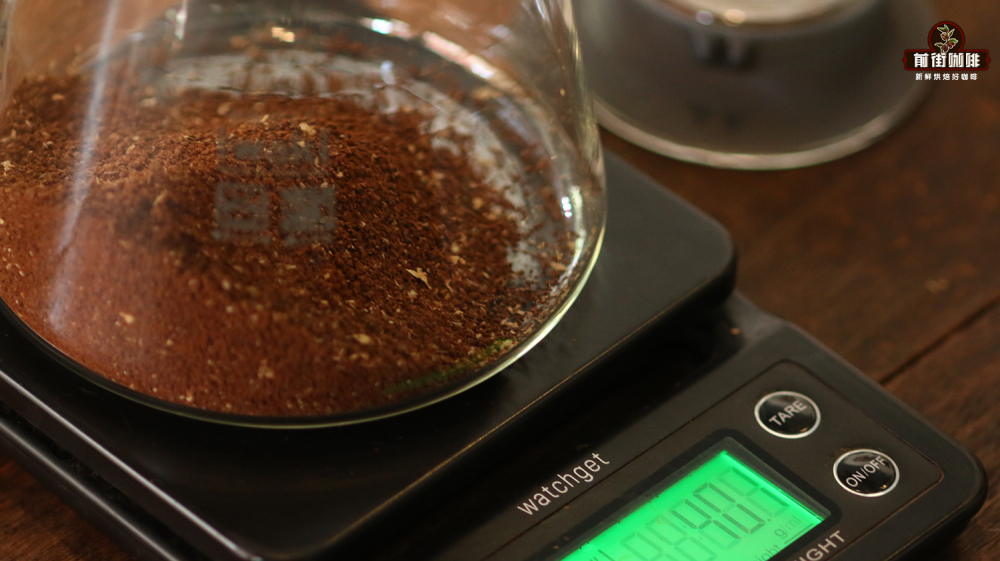
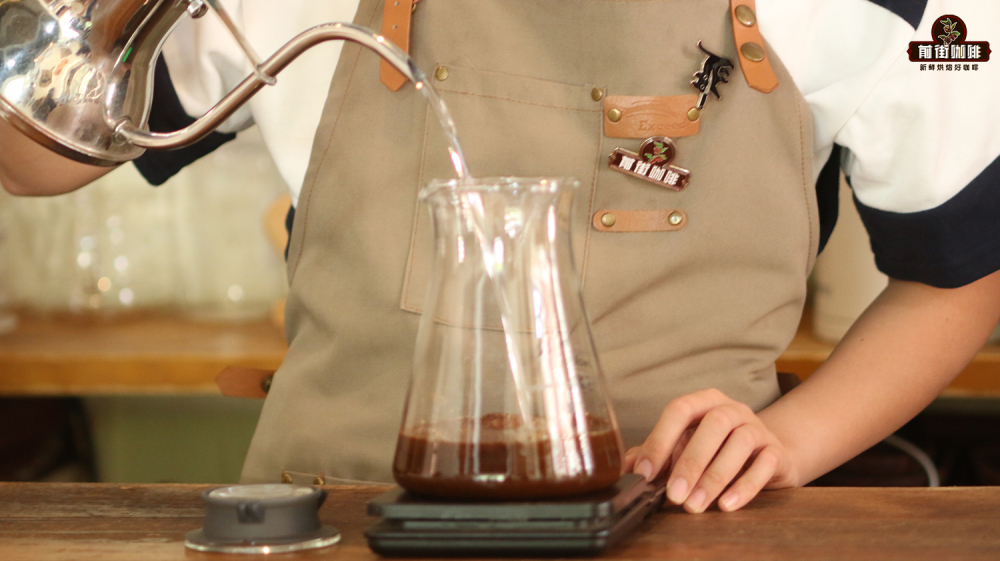
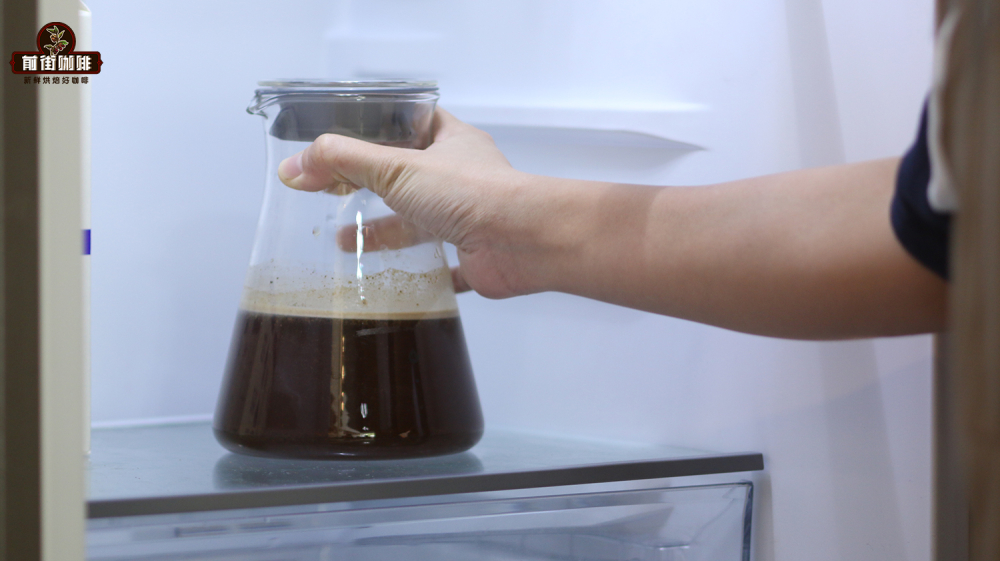
We start from 50 grams of coffee. Even though the extraction temperature is far lower than a pour-over, this is still a long steep, so the grind size should be a touch coarser than you would use for filter coffee — roughly a 65% pass-through rate on a Chinese standard #20 sieve. Put the grounds into a glass jar, add 500 grams of water to hold the 1:10 ratio, stir until every ground is saturated, seal the jar, and refrigerate it.
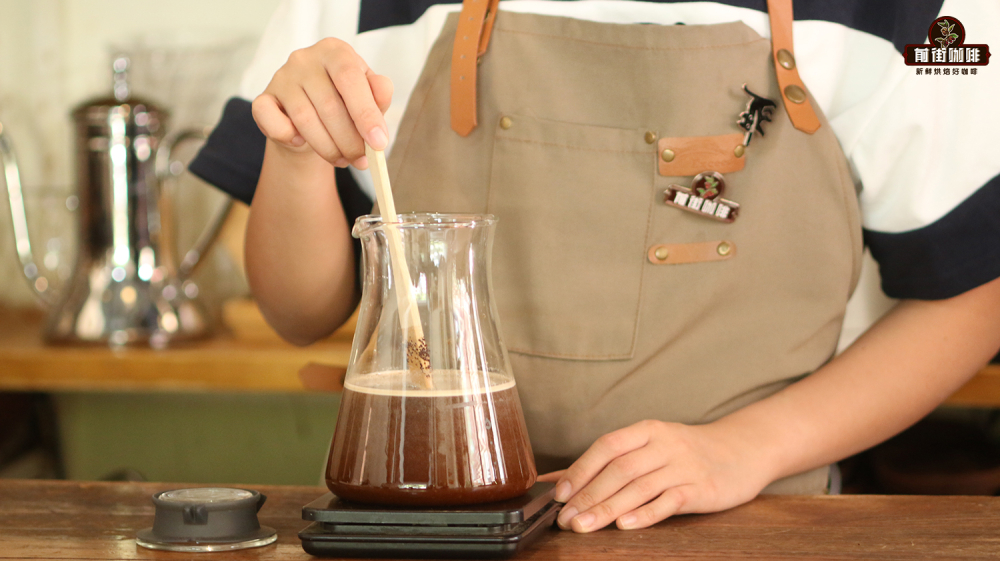
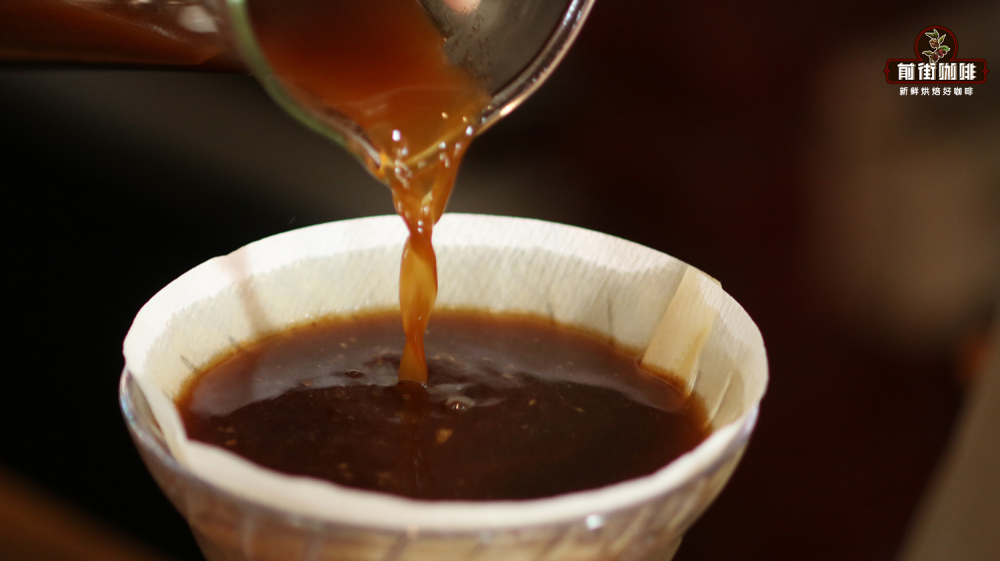
After 12 to 24 hours in the refrigerator, filter the concentrate through filter paper to strip out the fines and sediment. Bottle the clean extract and give it another 4 hours or so in the fridge to settle and meld before serving.
Our baristas once ran a side-by-side test with Sidamo Chermong, holding everything constant except steeping time. The pattern was clear: the longer the grounds sit in the water, the denser and more concentrated the extract becomes, pushing sweetness, acidity, and bitterness all in a bolder direction. Shorter steeps produce a gentler, lighter cup.
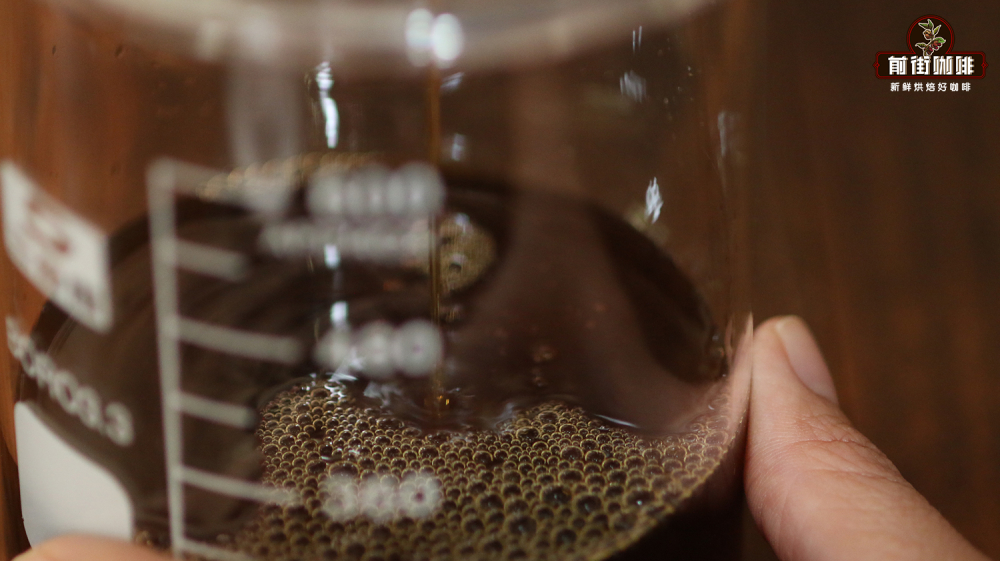
Cold water rarely pulls out the harsh, bitter compounds that heat can, but the trade-off is a very long extraction. Because this is a full-immersion method, we recommend keeping the grind coarser rather than fighting it. And cold brew is not automatically better the longer it steeps — taste is personal. If you love a heavy, faintly winey, ferment-forward cup, simply tighten the ratio and extend the steep until it suits you.
Ice Drip Coffee
Ice drip is often credited to Dutch traders, but it was Japan and Korea who perfected it — it has centuries of history in Japan, and nearly every cafe in Seoul keeps a dripper running. You will see it sold as "Kyoto Coffee" or "Japanese-style slow drip," a reference to the towers that drip water one bead at a time over a tall bed of grounds.
FrontStreet Coffee's Ice Drip Method
For ice drip we baseline at 60 grams of coffee. Because the water meets the grounds at near-freezing temperatures, we grind even finer than for immersion cold brew — about an 85% pass-through rate on the #20 sieve. A full extraction takes 6 to 8 hours, and we keep the same 1:10 coffee-to-water ratio.
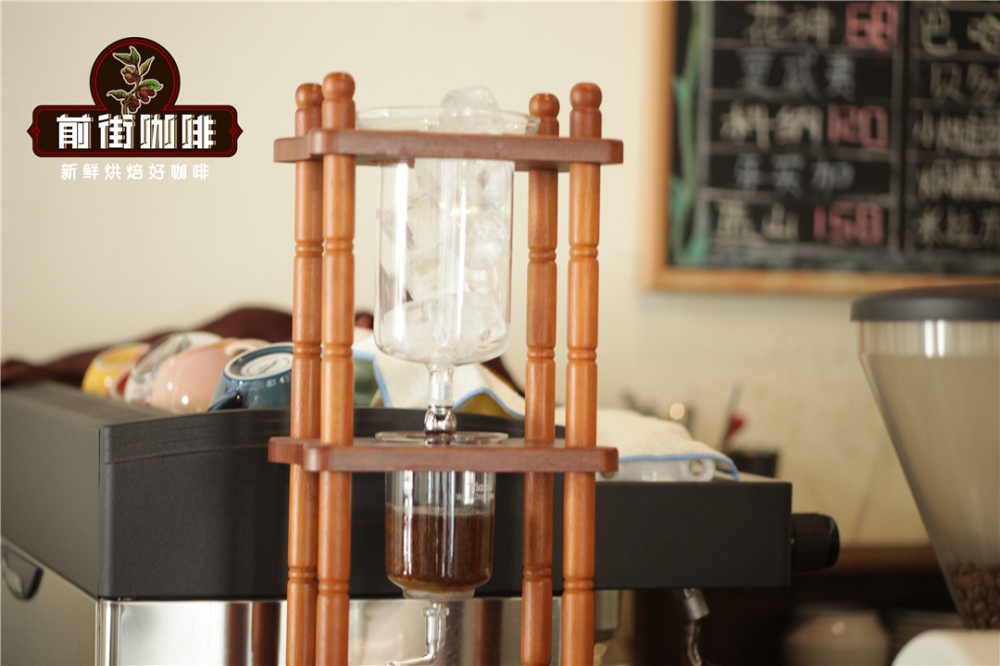
① Set a circular filter paper at the bottom of the grounds chamber and wet it so it clings to the walls.
② Fill the chamber with ground coffee, level the bed, and gently tamp it flat with a weight so the surface is even.
③ Lay a second filter paper on top of the bed. Without it, the falling drips will drill a hole through the grounds and channel the water, causing uneven extraction.
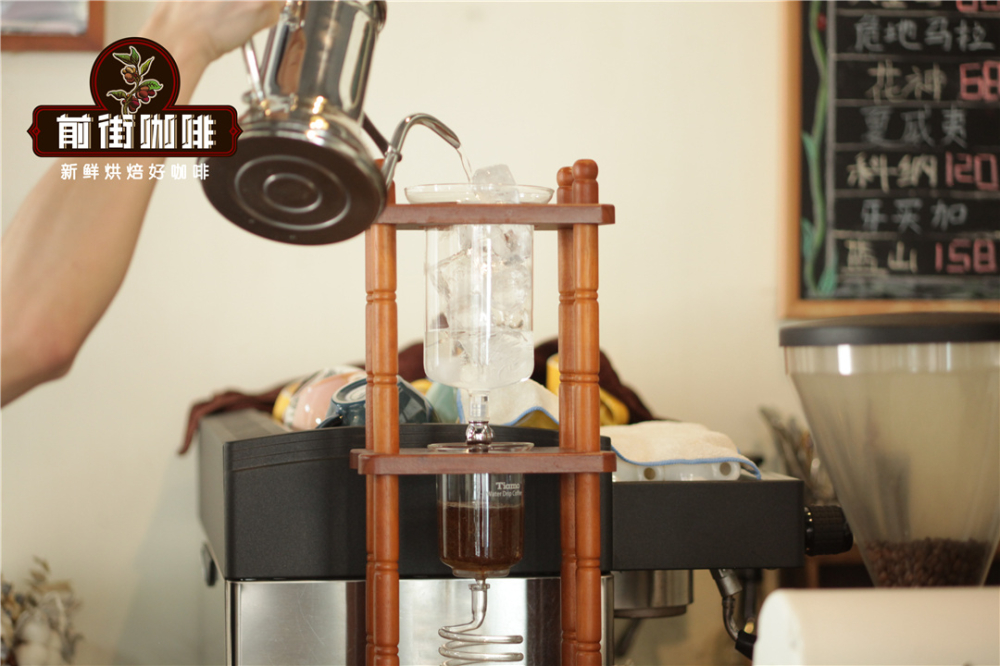
④ Pre-wet the entire coffee bed with ice water — think of it as the cold equivalent of a bloom. It kicks off extraction evenly across the bed.
⑤ Load the water reservoir with a 1:1 mix of ice and water, then set the valve to roughly 7 drops every 10 seconds.
⑥ Bottle the finished extract, seal it, and refrigerate it so the flavors meld and deepen before serving.
Coffee Beans for Cold Brew
When the weather turns heavy and everything tastes like too much, a bright, clean cup is what you want. FrontStreet Coffee's Kenya Asalia makes a wonderfully refreshing cold brew: crisp, clean, and lightly acidic — nothing heavy about it.

FrontStreet Coffee: Kenya Asalia Coffee Beans
Region: Thika, Kenya
Processing Station: Asali Honey Processing Station
Altitude: 1550-1750m
Varieties: SL28, SL34
Processing Method: K72 Washed
Asalia's bright, clean acidity comes from more than just a light roast. Kenya's phosphorus-rich red volcanic soil, the K72 washed process, and the country's signature varieties all play a part.
The K72 Process
K72 stands for Kenya's 72-hour fermented washed process. Freshly picked, ripe cherries are depulped the same day, dry-fermented in a tank for 24 hours, then washed with clean river water and fermented for another 24 hours. The cycle is repeated three times, building up to a full 72 hours of fermentation.

Most Kenyan lots are built on SL28 and SL34, both products of decades of variety selection. SL28 sits in the Bourbon genetic group and carries Bourbon's hallmark brightness and dense acidity, while SL34 leans closer to Typica lineage and tastes somewhat gentler.
Flavor Notes
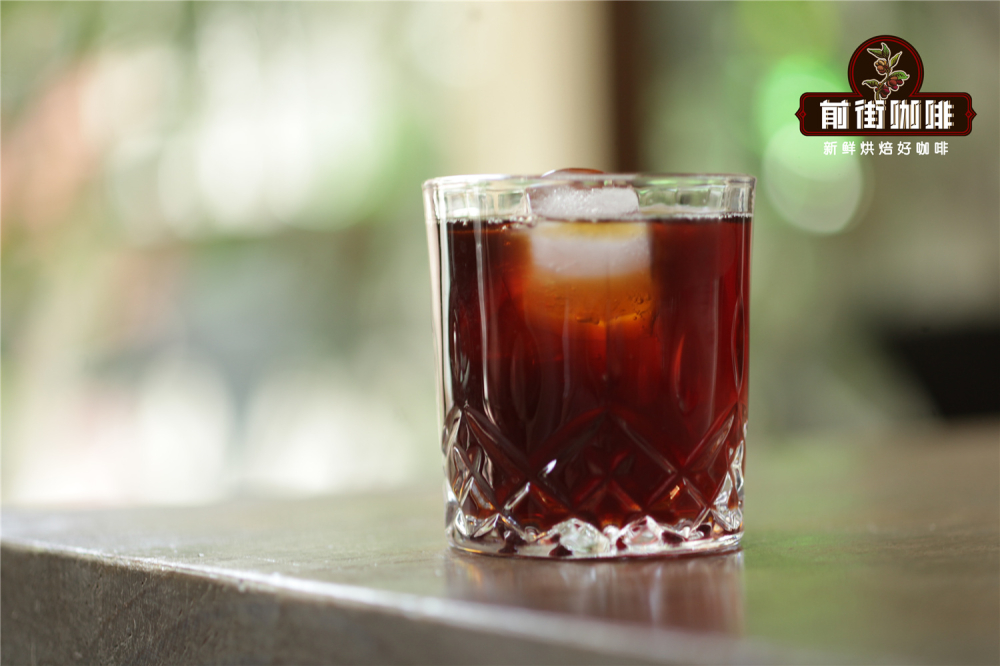
Asalia's acidity is lively and juicelike from start to finish. Brewed as ice drip it opens with fresh cherry tomato and grapefruit aromatics, held together by a light, refreshing acidity. The cup is clean and cooling — exactly what a summer cold coffee should be.
FrontStreet Coffee Recommendation
If you want to explore beyond Kenya, our cold brew shelf has a few standouts. FrontStreet Coffee's Strawberry Candy Gesha blend pairs the classic Panamanian Gesha variety with a Costa Rican honey process: the Gesha contributes delicate rose and orange notes, while the honey process brings grape, dried blueberry, and strawberry-candy sweetness. As a cold brew it is sweet, juicy, and vibrantly fruity — and if you let the bottled extract rest and slightly ferment, it takes on a wine-like character.
For a floral iced coffee, try FrontStreet Coffee's natural-process Huakui from Ethiopia, the birthplace of coffee. Because the beans dried inside the whole cherry, they absorbed an abundance of sweetness; cold brewing draws out magnolia, creamy strawberry, dried mango, guava, and black tea notes. Cold extraction in general amplifies floral and fruit tones while suppressing woody, roasty flavors, so light-to-medium roasts are the safest bet. And since cold brew uses more grounds per cup than pour-over, an economical option such as the washed Yirgacheffe Guodingding from the Guodingding cooperative — floral, berry-sweet, with a honeyed finish — works beautifully for home brewers who go through cold brew by the liter.
Important Notice :
FrontStreet Coffee is a long-established specialty coffee roaster in Guangzhou China, selling freshly roasted beans from its own farm in Yunnan as well as dozens of carefully selected single-origin beans from around the world for both pour-over and espresso. The products deliver consistently excellent quality and great value, with shipping within 24 hours. Guangzhou's FrontStreet Coffee shop is recommended by many coffee lovers, and the beans are now available online at the Tmall 。
FrontStreet Coffee has moved to a new address:
FrontStreet Coffee Address: 315,Donghua East Road,GuangZhou
Tel:020 38364473
 Scan and follow the En Gafei WeChat official account. Please indicate that the reprint comes from "En Gafei".