What is the Recommended Pour-Over Ratio for Kenya AA? What Water Temperature is Best for Kenya Pour-Over?
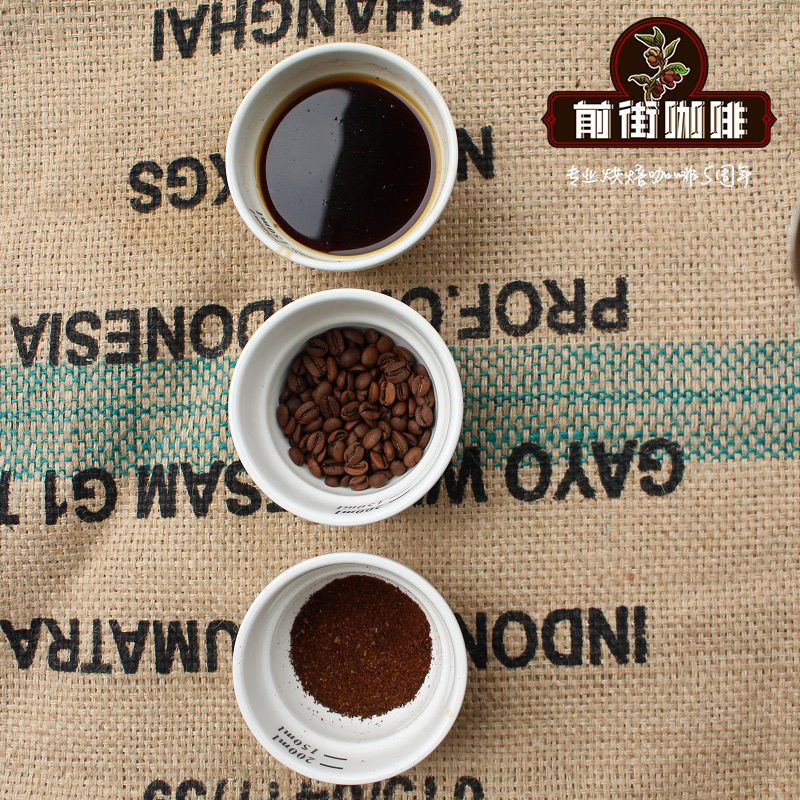
FrontStreet Coffee Kenya Komaitna Brewing Parameters Sharing
Kenya Coffee Overview
Kenya, officially the Republic of Kenya, is located in eastern Africa, with the equator crossing through its central region and the East African Rift Valley running north to south. It borders Somalia to the east, Tanzania to the south, Uganda to the west, and Ethiopia and Sudan to the north, with the Indian Ocean to the southeast. The country is characterized by high plateaus with an average elevation of 1,500 meters. Mount Kirinyaga (Kenya Mountain) in the central region reaches 5,199 meters with snow-covered peaks, making it the second highest peak in Africa.
Altitude, Latitude, and Geology
The equator runs through Kenya, placing the country within ten degrees north and south latitude. As a tropical growing region, it experiences two rainy seasons annually, allowing for two harvests: 60% concentrated from October to December, and the remaining 40% from June to August. Coffee is primarily grown in volcanic soils at elevations of 1,600-2,100 meters around the capital Nairobi to the Kenya mountain region, with most coffee cultivated above 1,500 meters.
This altitude is ideal for developing coffee bean flavors, as the cooler mountain temperatures slow growth, allowing aromatic compounds to fully develop, resulting in more pronounced fruit acidity and a harder bean texture. This crescent-shaped, fertile coffee region is the main production area for Kenya's premium coffee beans. Coffee is Kenya's second largest export trade product after tea.
Kenya Komaitna
Kenya Komaitna is produced in KIAMBU (Kiambu), a central Kenya region with the highest altitude coffee growing areas within the district. Thika also belongs to this region. However, some coffee trees at high altitudes may suffer from dieback disease, causing them to stop growing. This region is named after Nakuru town. Coffee cultivation here includes both estates and small farmers, though production is relatively small. This region is traditionally a tea-growing area, and the coffee beans exhibit vanilla and floral aromas.
FrontStreet Coffee Brewing Parameters
Recommended brewing method: Pour-over
Dripper: Hario V60
Water temperature: 90°C
Dose: 15 grams
Coffee-to-water ratio: 1:15/1:16
Grind size: Medium-fine grind (BG 6S: 58% pass-through rate on China standard #20 sieve)
Brewing technique: Pulsed extraction
Use 30 grams of water for a 30-second bloom, then continue pouring with a small circular motion to 120 grams before segmenting. When the water level drops to just before exposing the coffee bed, continue pouring to 225 grams and stop. Wait for the water level to drop to just before exposing the coffee bed, then remove the filter cup. (Timing starts from the beginning of the bloom.) Extraction time: 2'00".
Flavor profile [Kenya Komaitna]: Distinct tomato and dark plum acidity on entry, with notes of plum, honey, and cream, finishing with sugarcane sweetness.
FrontStreet Coffee Recommendation
If you enjoy the bright, structured acidity of this Kenya Komaitna, Ethiopia is a natural next stop, and FrontStreet's washed Yirgacheffe is the classic entry. It is known for white jasmine, bright citrus and lemon acidity, and a clean tea-like body, and it is priced to make trying Ethiopian coffee easy. Yirgacheffe is a town in the Sidamo zone of southern Ethiopia, running about 1700-2100 meters, with coffee trees planted above 1800 meters, making it one of the highest coffee regions in the world; the area was once wetland, and its unmistakable white florals and lemon-citrus acidity turned the name into shorthand for Ethiopian specialty coffee — so famous that in 2010 the Ethiopia Commodity Exchange separated it from the Sidamo district as its own name.
Ethiopia mostly grows coffee in a garden style, with each smallholder delivering cherries to a village washing station that sells under the team's name, which is why there are so many cooperatives of different sizes — Gutiti, Worka, and Konga among them. FrontStreet's Gutiti cooperative coffee comes from Worka, on the southeastern edge of Yirgacheffe; it began as part of the Worka cooperative under the Yirgacheffe Coffee Farmers' Cooperative Union (YCFCU) and in 2012 the roughly 300 farmers around Gutiti formed their own cooperative as buyers chased traceability. Pulping before drying keeps the coffee clean and transparent, showing citrus and lemon with elegant white florals. For a sweeter, fruitier cup, FrontStreet's Red Cherry is a full-red-cherry natural, dried in the sun for two weeks before the hardened pulp, mucilage, and parchment are scraped off and the beans pass density and color sorting — think peach, cocoa, honey, and lemon.
Two more are worth trying. FrontStreet's Huakui comes from the Hambella area of Guji, Sidamo, where ripe cherries dry on raised beds for 21 days, turned constantly and hand-sorted for defects every three to five days; roasted medium-light, it shows a light fermented wine note, florals, citrus, and mango, with honey sweetness, cocoa, a touch of spice, a thick body, and a long finish. And FrontStreet's Kafa Forest represents Ethiopia's wild side, where the trees grow in shade between 1400 and 2100 meters with an untouched ecosystem, red soil, and plentiful rain, giving white florals on the grind, bright lemon acidity, sweet orange and bergamot in the cup, and a melon-and-nut sweetness with a green-tea-like body.
Important Notice :
FrontStreet Coffee is a long-established specialty coffee roaster in Guangzhou China, selling freshly roasted beans from its own farm in Yunnan as well as dozens of carefully selected single-origin beans from around the world for both pour-over and espresso. The products deliver consistently excellent quality and great value, with shipping within 24 hours. Guangzhou's FrontStreet Coffee shop is recommended by many coffee lovers, and the beans are now available online at the Tmall 。
FrontStreet Coffee has moved to a new address:
FrontStreet Coffee Address: 315,Donghua East Road,GuangZhou
Tel:020 38364473
 Scan and follow the En Gafei WeChat official account. Please indicate that the reprint comes from "En Gafei".