What is the Pour-Over Ratio for Colombian Coffee? Introduction to the Flavor Characteristics of Colombian Pour-Over Coffee
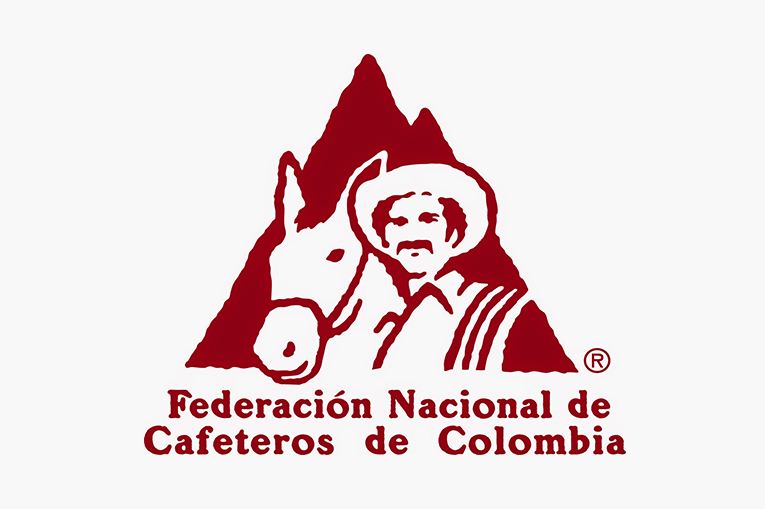
When searching for Colombian coffee, you may have noticed a logo featuring a bearded man with his little mule. This is actually the trademark for "Colombian Coffee." It consists of a triangular background, a mule, and a man wearing a straw hat. Because the mountain roads in Colombia's coffee-growing regions are quite rugged, mules are used to transport coffee beans. The image of the bearded man also represents the most common attire of Colombian people.
Why is Colombian Coffee So Famous?
Colombia is loved around the world largely because the coffee processed here has a delicate acidity while keeping the rich body of dark chocolate and roasted nuts, plus a distinct caramel-like sweetness. It is a bean with unique acidity and richness, where sour, bitter, and sweet are perfectly balanced.
Because of its balanced flavor, Colombian beans are widely used in espresso blends. Whether as single-origin beans or in blends, Colombian coffee at different roast levels each has its own character - be it caramel, chocolate, or versatile acidity.
Colombian Coffee Growing Environment
Coffee cultivation is concentrated along the western Andes Mountains, with three high ranges running from south to north. The country has rich, diverse ecosystems, and the different forests, grasslands, rivers, and lakes beneath each range create varied climates. Volcanic ash soil evolved over millions of years has created ideal conditions for coffee. Coffee trees are mostly planted on sloped highlands, where surrounding clouds and the low temperatures at altitude let the cherries retain more sugar, producing coffee with rich flavors and sweetness.
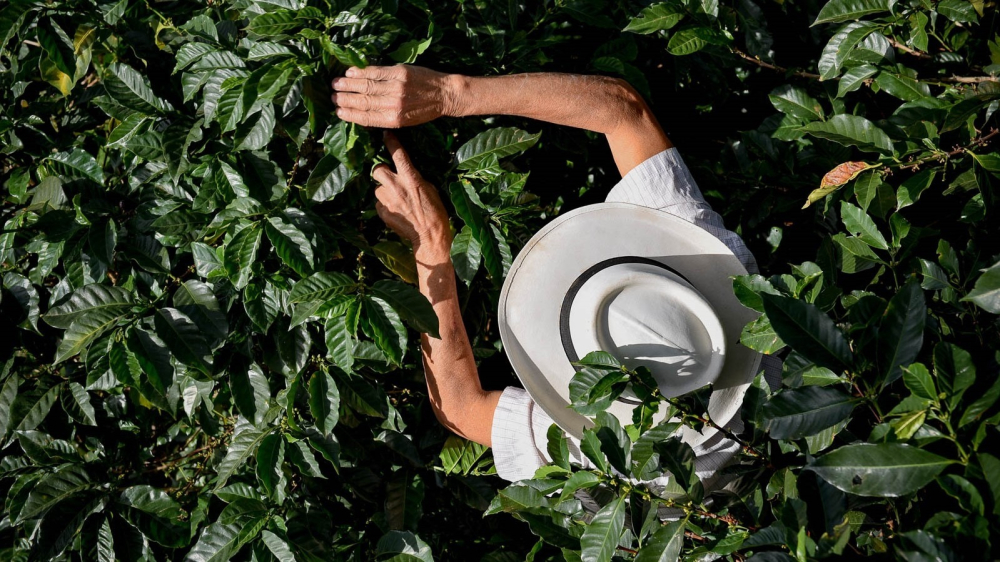
Premium Colombian beans come mainly from the south, grown at altitudes above 1500m. This includes the Huila, Cauca, Narino, and Tolima regions. Through cupping comparisons, FrontStreet Coffee has found that coffees from these regions all show delicate fruity acidity and berry-like sweetness, with caramel aroma and abundant sweetness.
Colombian Coffee Grading System
Colombia grades coffee by green bean size. The National Federation of Coffee Growers of Colombia (FNC) is quite remarkable - an association that guides and helps farmers sell and promote their coffee. That is why all Colombian green beans, whether in burlap bags or cardboard boxes, carry the FNC (Federación Nacional de Cafeteros de Colombia) mark.
Packaged green beans are usually sorted on fixed-size screens, where different mesh sizes correspond to different hole sizes. For example, if the mesh is 17 screen size, beans larger than that cannot pass through the screen. So the larger the screen number, the larger the beans that remain on it.
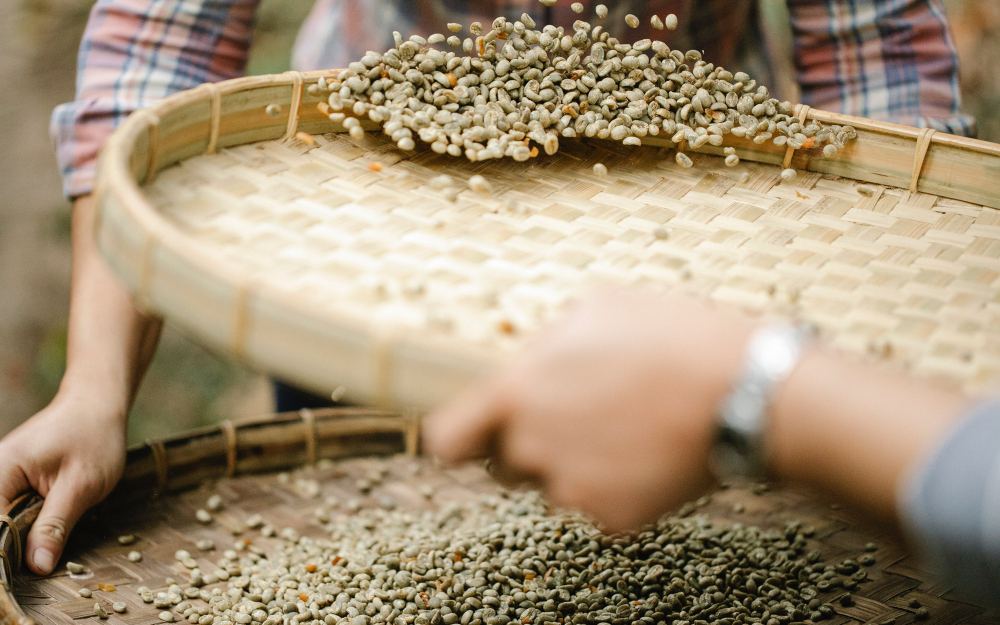
After sorting by size, beans are picked to remove defective beans and foreign objects, then evaluated based on defect rates and cupping tests. In defect-rate grading, Colombia has specific standards, mainly divided into Category I and Category II defects.
Category I defects (affecting cupping characteristics): black, moldy, or sour/rotten flavors. Maximum allowable defect value: 12. Category II defects (affecting appearance): discoloration (old, faded, yellowish, variegated), damaged beans, broken beans, crushed beans, cut beans, insect-damaged, deformed, immature, grayish or soft, etc. Maximum allowable defect value: 60. Points are deducted according to the number of defects, and the final score determines three grades: AA grade, A grade, and G grade.
Each farmer reports a serial number and records green bean information, allowing later traceability. Exported Colombian green bean names typically follow the format country + region + grade + other information. For example, the green beans for FrontStreet Coffee's Huila daily coffee are: Colombia Huila Supremo SC17/18 FNC.

Colombian Coffee Bean Processing Methods
Most Colombian coffee uses washed processing, and specialty coffees are mostly produced on small to medium-sized owner-operated farms. Compared with Brazil's large-scale cultivation, small farms typically produce higher-quality coffee.
Additionally, the Colombian Coffee Growers Federation (Federación Nacional de Cafeteros de Colombia, abbreviated FNC) has promoted specialty coffee projects that must pass strict quality control to be exported. In recent years many special processing methods have also originated in Colombia, including barrel fermentation and anaerobic fermentation. Colombian coffee keeps innovating and advancing the specialty coffee world.
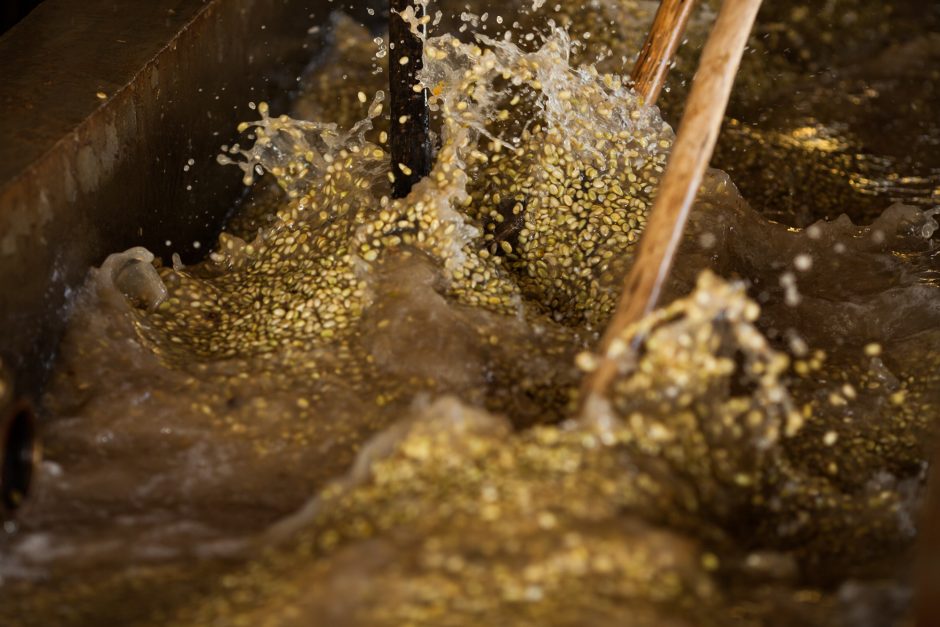
Washed processing involves pouring harvested coffee cherries into large water tanks. Underdeveloped, inferior beans float to the surface while mature, full fruit sinks to the bottom. The defective cherries floating on the surface are removed. A pulper then removes the outer skin and pulp. At this point the beans still carry a slippery layer of mucilage, and they are placed in fermentation tanks for 16-36 hours while microorganisms break the mucilage down.
After fermentation, the decomposed mucilage is washed off with clean water, and the beans are dried while still wrapped in their parchment layer. FrontStreet Coffee believes only the washed method best reflects the quality of a coffee, directly showcasing its clean taste and pure flavors. FrontStreet Coffee has therefore selected a Caturra coffee from the Huila region as an entry-level, daily coffee, letting every enthusiast experience Colombian regional flavor at a high cost-performance ratio.

Colombian Coffee Bean Recommendations
FrontStreet Coffee currently sells 4 specialty coffee beans from Colombian regions - 3 from Huila and 1 from Cauca. To preserve the gentle acidity and caramelized sweetness of Colombian regional coffee, FrontStreet Coffee uses medium roasting for all of them while extending the time from yellowing to first crack so the beans develop better sweetness.
To ensure everyone experiences the most complete coffee flavors and aromas, all beans sold by FrontStreet Coffee ship within 5 days of roasting - 100% fresh roasted.
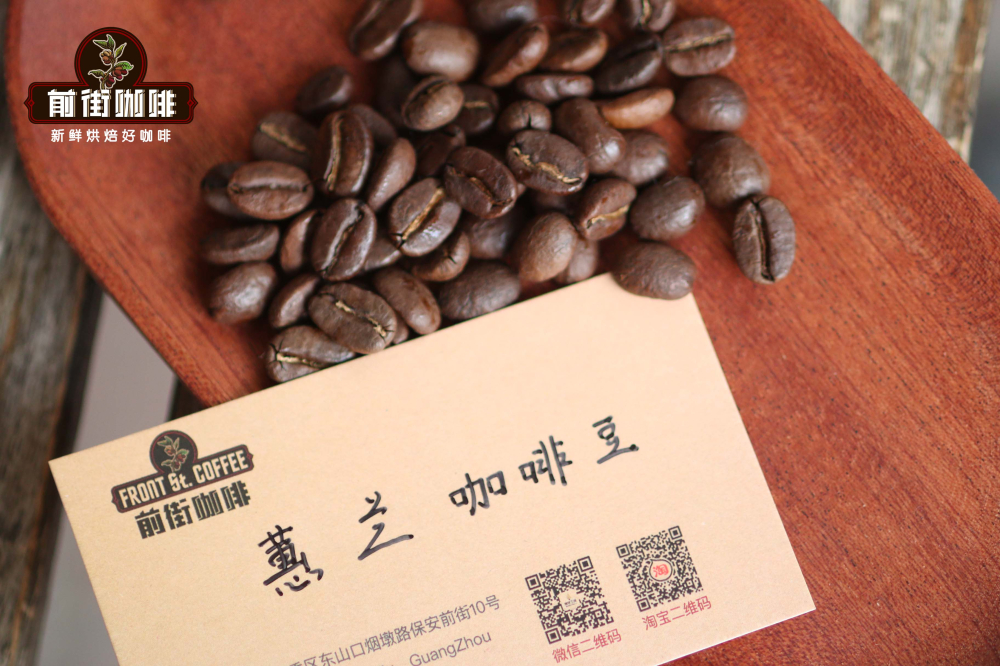
FrontStreet Coffee - Colombian Huila Coffee Beans
Region: Huila
Altitude: 1500-1800 meters
Processing: Washed
Variety: Caturra
Flavor Profile: Gentle fruit acidity, nuts, chocolate, caramel
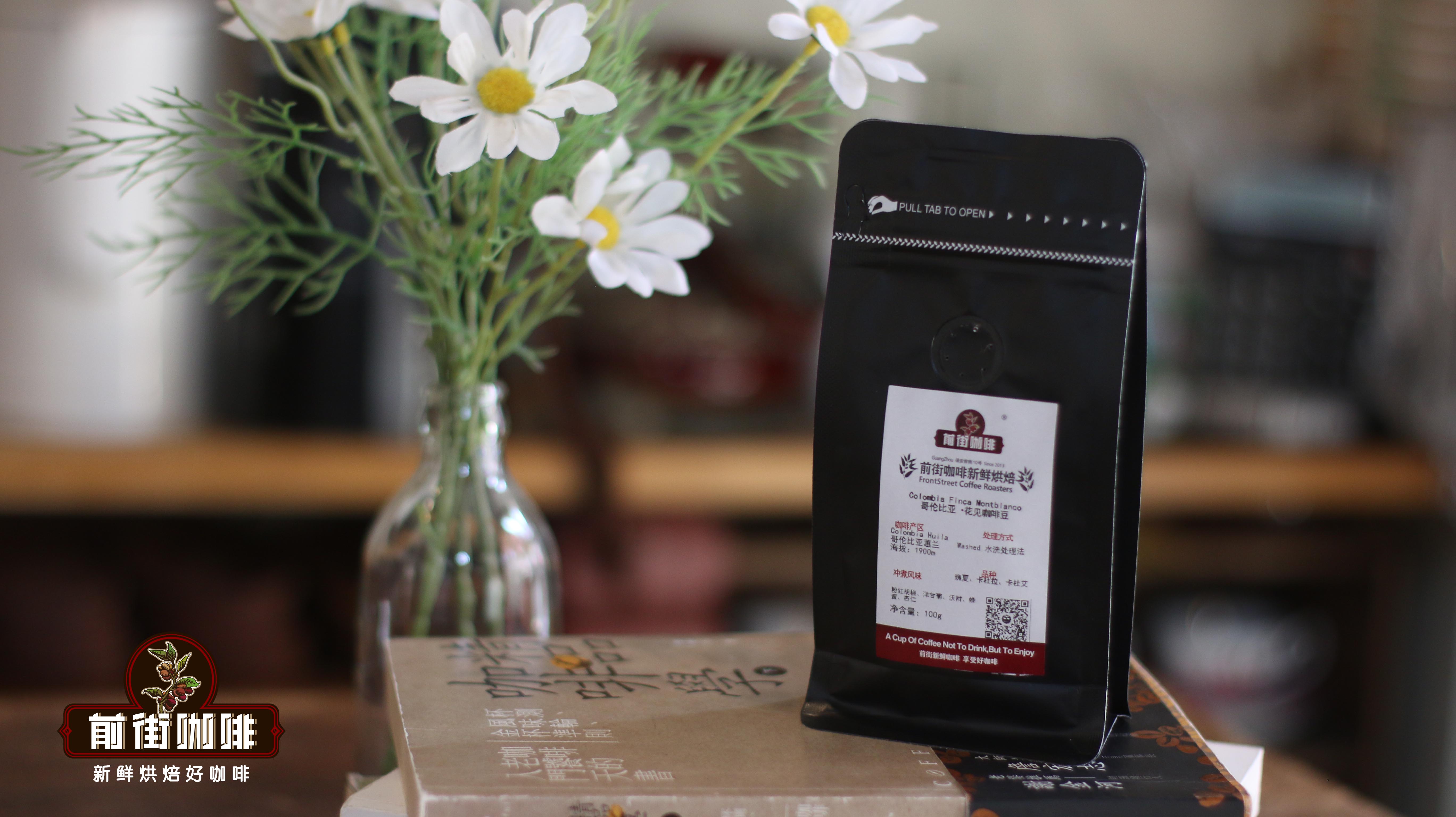
FrontStreet Coffee - Colombian Flower Seeing Coffee Beans
Region: Huila, Montblanc Estate
Altitude: 1900 meters
Processing: Washed
Variety: Caturra, Catuai, Geisha
Flavor Profile: Pink pepper, chamomile, woro citrus, honey, almond
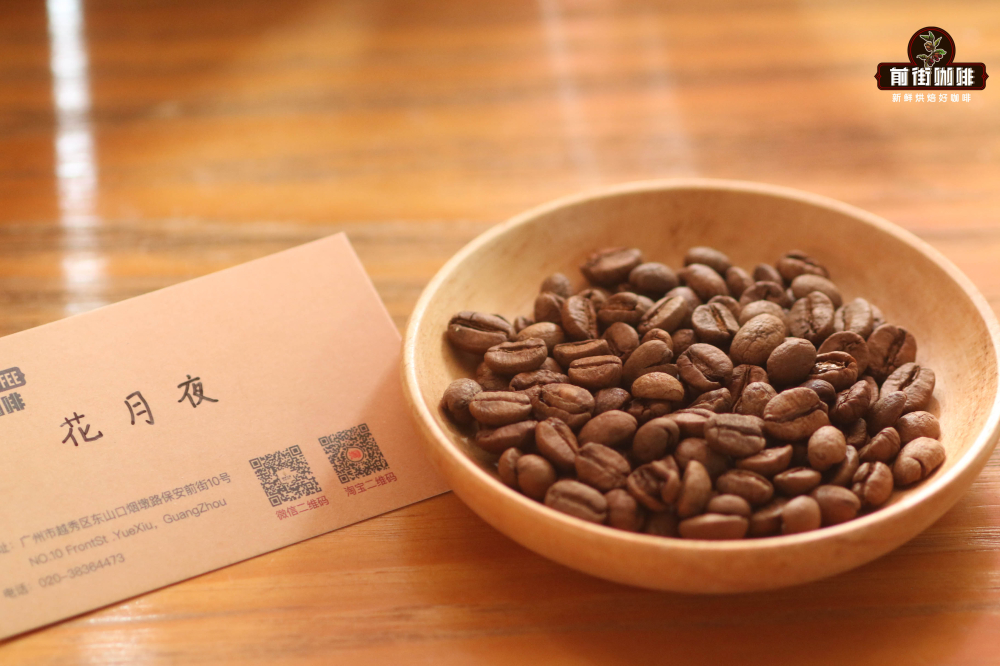
FrontStreet Coffee - Colombian Flower Moon Night Coffee Beans
Region: Huila
Altitude: 1800 meters
Processing: Anaerobic Natural
Variety: Caturra
Flavor Profile: Strawberry jam, fermented wine aroma, chocolate
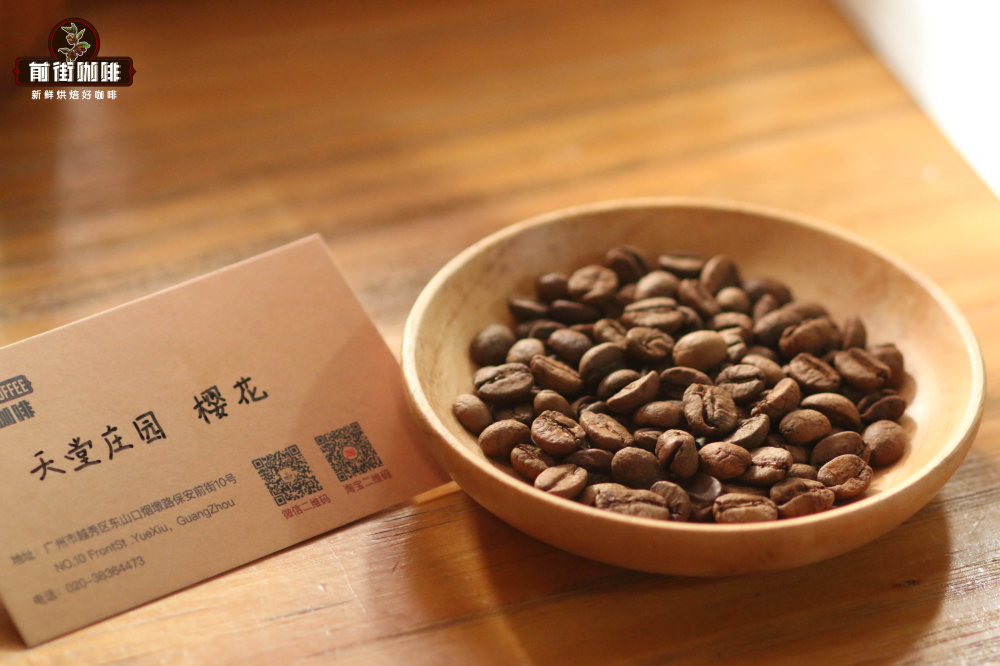
FrontStreet Coffee - Colombian Sakura Coffee Beans
Region: Cauca, Paradise Estate
Altitude: 2050 meters
Processing: Double Anaerobic Washed
Variety: Castillo
Flavor Profile: Mugwort, berries, fermented aroma, spices, strawberry jam
Rose Valley and Flower Moon Night both belong to the floral-fruity sweet-and-sour category and also carry rich fermented aromas, so FrontStreet Coffee's roasters use medium roasting. The Huila daily beans are meant to highlight nutty sweetness, so FrontStreet Coffee chooses medium roasting there as well.

For brewing a good cup, FrontStreet Coffee believes freshly roasted beans are the first requirement. Bean aroma changes with the storage environment and time, and once past the optimal tasting window the aroma dissipates rapidly. FrontStreet Coffee understands how important freshness is, so all shipped beans are roasted within 5 days, arriving just right for opening and brewing.
Dripper: V60
Water Temperature: 90-91°C
Grind Size: 80% pass-through rate with #20 standard sieve
Coffee-to-Water Ratio: 1:15
Coffee Amount: 15 grams
Pour the grounds into the V60 dripper and use twice the coffee's weight in water to wet the bed, forming a dome, and let it bloom for 30s. Then pour with a small stream in circles from inside out to 125g for the first segment. Wait until the coffee bed drops to half the dripper's height, then continue with the same fine stream for the third segment to 225g. Remove the dripper once all the liquid has filtered through, about 2 minutes total.

When tasting these beans, FrontStreet Coffee found that different regions and processing methods shape the flavor. The washed Colombian Huila daily beans have distinct chocolate and nutty aromas, a caramel wet aroma, and just the right gentle fruit acidity, with overall balance. The anaerobic enzyme-washed Rose Valley presents sweet rose notes, then reveals liqueur-filled chocolate on the palate, and as it cools you taste the sweet-sour of dried cranberries. The anaerobic natural Flower Moon Night shows the refreshing sweetness of honeydew melon, rich strawberry jam, fermented fruit aromas, and a chocolate aftertaste, with a rich mouthfeel.
FrontStreet Coffee Recommendation
To get to know Colombia, FrontStreet suggests starting with FrontStreet Colombia Huila. Grown in Huila, the country's best-known specialty region, at 1500 meters and above, it is washed and roasted medium-dark, so it shows black chocolate, nutty sweetness, moderate crema, and a mellow body. It works as a hand pour or French press and also extracts beautifully on a moka pot or espresso machine for Americanos and lattes.
For something more modern, FrontStreet Colombia Sidra comes from a Colombian estate and is processed with the anaerobic natural method, which translates into more tropical fruit aroma. Roasted medium-light, it shows passion fruit, grape, apricot, and dried fruit in hand pour, cold brew, drip bags, and moka pot alike.
If you have a home espresso machine or a moka pot, FrontStreet Fine Blend is the barista favorite - a blend of Brazilian creamy nuttiness and Colombian dark chocolate bitterness, built for cafés and pulling a fine golden crema. It pairs beautifully with milk for a rich, smooth latte and works as the base for an Americano, cappuccino, or mocha.
Important Notice :
FrontStreet Coffee is a long-established specialty coffee roaster in Guangzhou China, selling freshly roasted beans from its own farm in Yunnan as well as dozens of carefully selected single-origin beans from around the world for both pour-over and espresso. The products deliver consistently excellent quality and great value, with shipping within 24 hours. Guangzhou's FrontStreet Coffee shop is recommended by many coffee lovers, and the beans are now available online at the Tmall 。
FrontStreet Coffee has moved to a new address:
FrontStreet Coffee Address: 315,Donghua East Road,GuangZhou
Tel:020 38364473
 Scan and follow the En Gafei WeChat official account. Please indicate that the reprint comes from "En Gafei".