Affordable and Delicious Coffee Introduction: What are the High-Quality Daily Beans from Premium Coffee Regions?
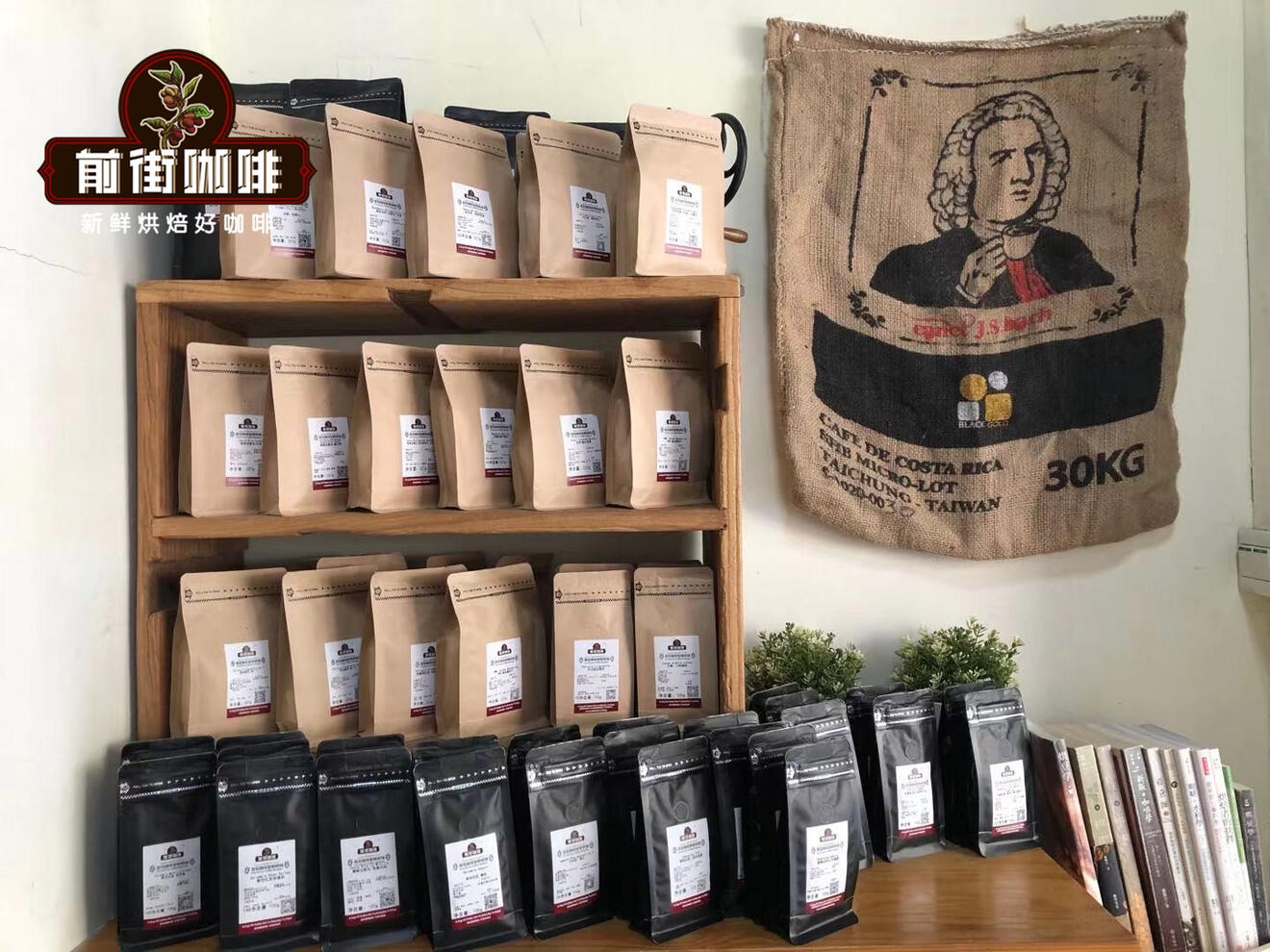
FrontStreet Coffee runs regular promotions on its staple bean series, and many longtime customers first discovered FrontStreet through them. The current lineup covers seven staple beans spanning major origins: Ethiopia Yirgacheffe, Brazil, Colombia Huila, Indonesia Mandheling, Costa Rica Tarrazu, Guatemala Huehuetenango, and Yunnan Peaberry.

FrontStreet Coffee Staple Beans
Some newcomers misunderstand the series, assuming that beans called "staple beans" - or occasionally discounted as low as 9.9 - must be low quality.
In fact, FrontStreet's staple beans are the "flagship representatives" of their regions: they carry a higher-than-average recognition of each origin's fundamental flavors while staying low-cost and high-value.

When choosing a staple bean to feature, FrontStreet selects the coffee that best represents a region's original local character and packages it in 100g sample sizes. The point of the series is simple: taste the foundational flavors of the great origins without spending much - the lemon acidity of Yirgacheffe, the herbal notes of Mandheling, the nutty chocolate of Brazil and Colombia, and so on.
Beginners often freeze up in front of a bean list, unsure what they like and afraid of wasting money. FrontStreet believes staple beans are exactly the right answer at that stage: start with each region's classic flavor, and trial-and-error stops being expensive.

Most of the staple beans are washed processed, because washing expresses a region's baseline profile - it is the starting point for understanding regional flavor. The authentic FrontStreet Jamaica Blue Mountain beans, for instance, are uniformly washed to present the most typical Blue Mountain character. Soon, however, FrontStreet will also offer a natural-processed Blue Mountain, still certified authentic by the Jamaica Coffee Industry Board - a different side of Blue Mountain in step with where the market is going.
How Should Coffee Beginners Choose Coffee Beans?
FrontStreet's staff hear this constantly: "Which beans are suitable for beginners?"
Unless a customer already knows they want a specific flavor, the answer is usually the staple bean series; only when someone asks for a particular profile does FrontStreet point to specific lots.

For anyone new to coffee - or simply unsure of their taste - the staple beans let you sample each region's signature character cheaply, and they double as an excellent study set for learning what "regional flavor" actually means.
Here then are the seven classic profiles of the FrontStreet staple series, one by one.

FrontStreet Coffee Washed Yirgacheffe Staple Bean
Country: Ethiopia
Region: Yirgacheffe
Altitude: 1,800-2,000 meters
Variety: Local Landrace
Processing: Washed
Flavor: Jasmine, berry, lemon, citrus
Yirgacheffe lies in the Gedeo zone of southern Ethiopia. Its distinctive, widely loved flavor has earned it its own category in coffee classification and a firm place in the specialty market. Yirgacheffe is itself a small town, with three neighboring districts - Wenago, Kochere, and Gelena Abaya - whose coffees are so similar that they are classified under the Yirgacheffe name.
Ethiopia's Yirgacheffe trees were first cultivated by European monks and later passed to farmers and cooperatives. Most trees grow in farmers' backyards or intercropped in farmland - the classic "garden coffee," one of Ethiopia's four cultivation systems, with only 1,000-1,800 trees per hectare. This mixed style accounts for 50% of Ethiopia's total coffee production.

"The Yirgacheffe flavor" means rich citrus and lemon fruit acidity, intense jasmine fragrance, and a light, elegant, tea-like mouthfeel - a cup that drinks like refreshing, clean lemon tea.
In summer especially, FrontStreet's Ethiopia Yirgacheffe cold brew bags are very popular: long, low-temperature extraction thickens the body while the juiciness and tea notes meld beautifully.

Traditionally Yirgacheffe was natural processed, but early naturals were mostly dried flat on the ground, picking up earthy, dusty flavors, and poor screening kept overall quality mediocre. In 1972, to raise quality, Ethiopia introduced washing technology from Central and South America - and the jasmine and citrus-lemon brightness of Yirgacheffe immediately became clearer, launching it into the front rank of world specialty coffee.
Compared with naturals, washing gives better control over quality, largely because it slows fermentation - though its huge water demand means water-scarce countries use it sparingly.
FrontStreet specifically values washing for the cleanliness it brings, so when analyzing a region's flavors, FrontStreet uses washed lots as the reference. First-timers are pointed to the washed Yirgacheffe to build a baseline; later, when they try natural or honey Yirgacheffe, they have something to compare against.
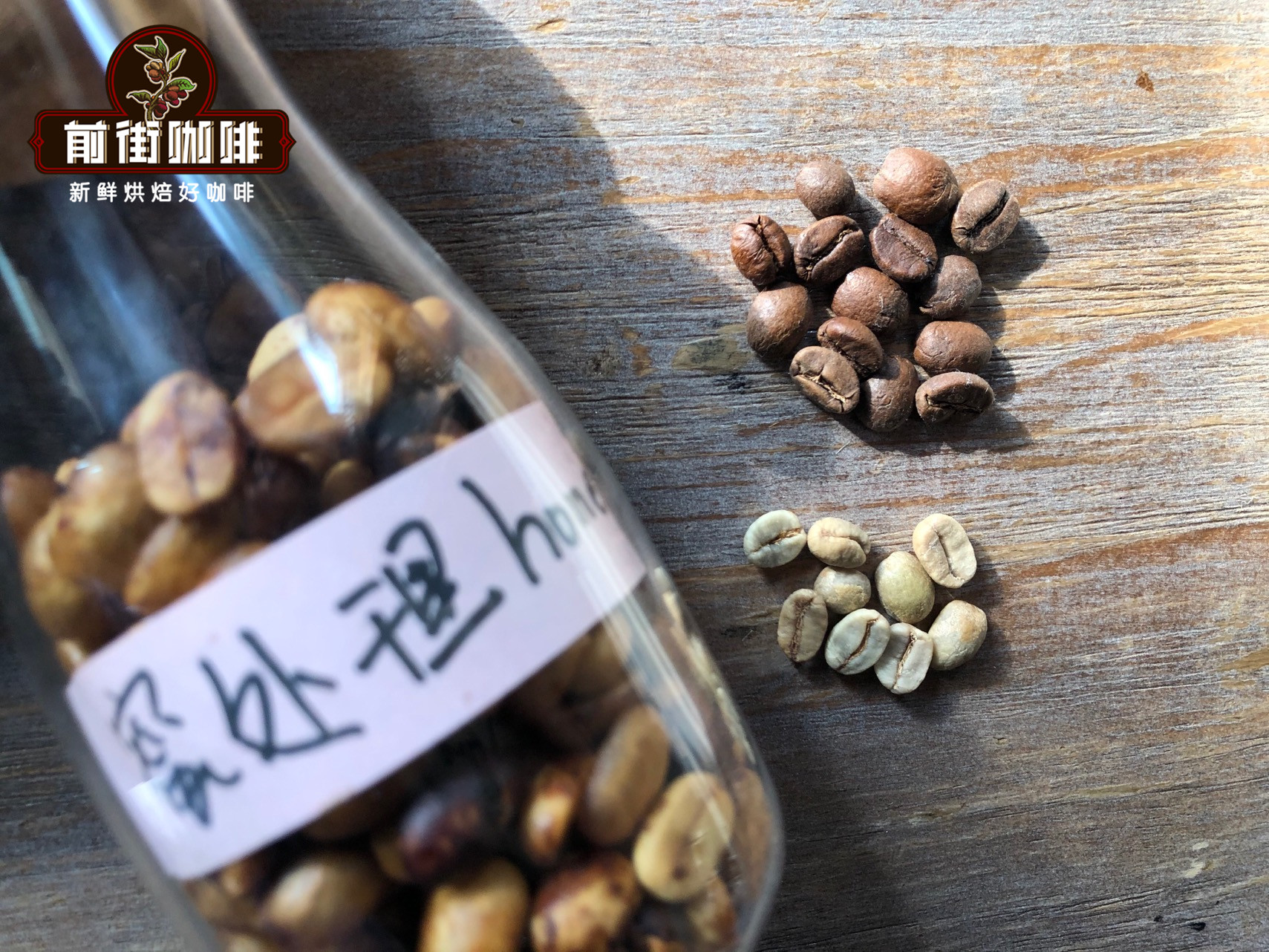
The Washed Processing Workflow
1. Sorting: Harvested cherries go into large water tanks. Ripe fruit sinks; unripe or overripe fruit floats.
2. Pulp removal: Machines strip skin and pulp, leaving beans still coated in mucilage - the layer washing is meant to clean.
3. Fermentation: The mucilage clings stubbornly, so the beans rest in tanks for about 18-36 hours while microorganisms break it down.
4. Washing: The fermented beans are washed back and forth in channels, the friction of beans against water flow scrubbing them clean.

5. Drying: After washing, moisture sits at 50% and must be reduced to 12% or the beans will mold. Sun-drying takes 1-3 weeks but gives the best flavor; machine drying is far faster but noticeably inferior in the cup.
6. Hulling: The dried beans rest in warehouse for a week to stabilize moisture, then are hulled to remove the parchment.
7. Sorting and grading: Defective beans are removed, quality is confirmed, and the coffee goes to exporters for worldwide sale.

FrontStreet's Yirgacheffe variety is local landrace: small-bean type, fairly round, with most beans falling between screen sizes 14-15. The term "landrace" appeared after the specialty movement began, when buyers unable to distinguish Typica from Bourbon lumped every unknown variety together as "landrace." Ethiopia has too many varieties - a natural Arabica gene bank - and with identification difficult and the government protective of the information, the catch-all name stuck.

FrontStreet Coffee Brazil Pulped Natural Red Bourbon
Country: Brazil
Region: South Minas
Altitude: 1,000 meters
Variety: Red Bourbon
Processing: Pulped Natural
Flavor: Nuts, chocolate, cream, peanut, caramel
Brazilian coffee arrived in 1720 from French Guiana in northern South America. Brazil was then a Portuguese colony while most of its neighbors were Spanish - which is why Brazil speaks Portuguese in a largely Spanish-speaking continent.
The Portuguese officer stationed in Brazil, forbidden outright from exporting coffee seeds, courted the Guiana governor's wife and smuggled the seeds across the border. Coffee took to Brazil immediately, spreading from the north to Sao Paulo state in the southeast; by 1845, Brazilian beans already made up 45% of world production, and today Brazil is the planet's largest coffee exporter.
FrontStreet features Brazil not only in the staple series but also in its seasonal drip bag lineup - proof of how indispensable Brazil is to the classic coffee canon.

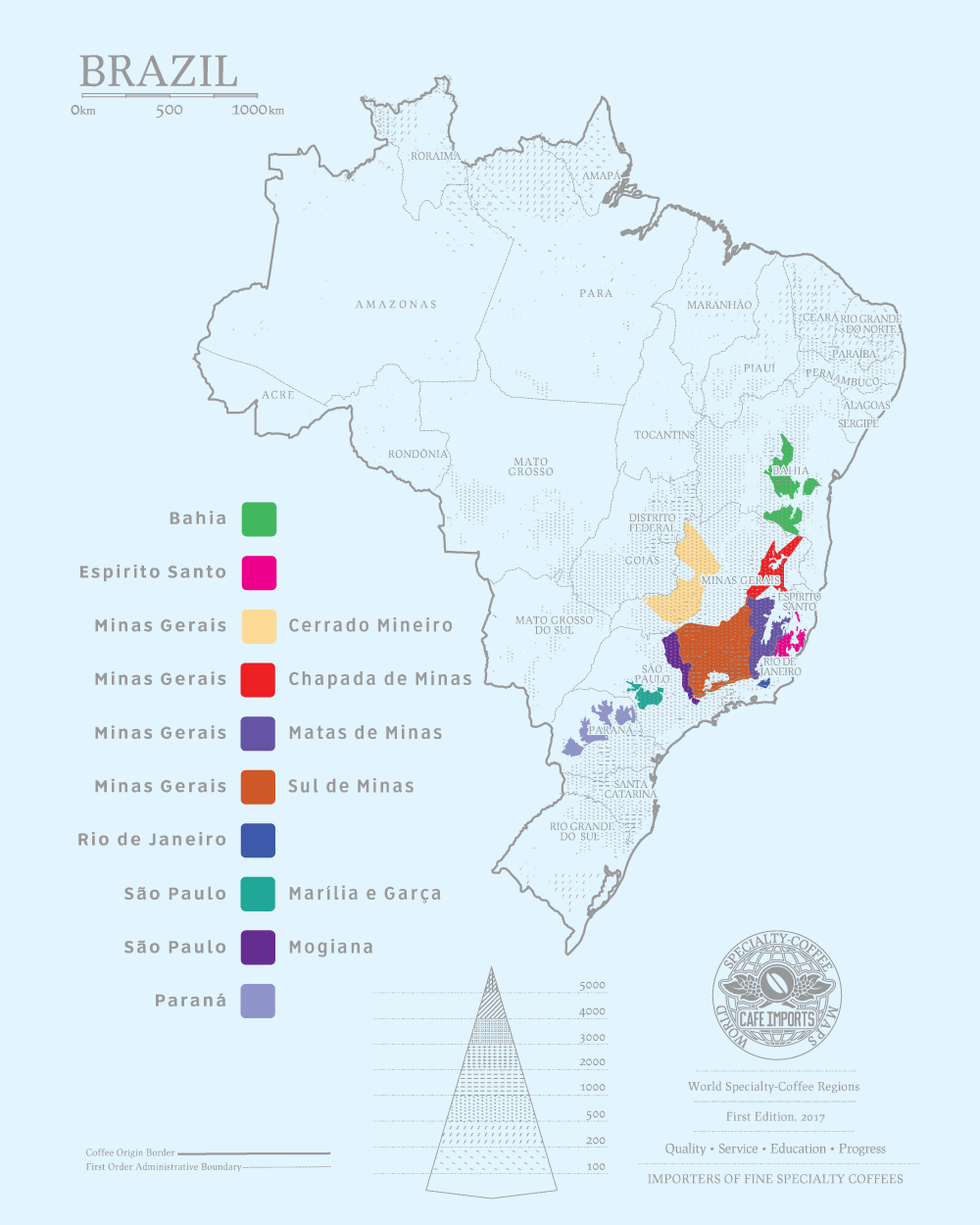
Brazil grows both Arabica and Robusta. Specialty Arabica concentrates in Sao Paulo and Minas Gerais states; Robusta dominates Espirito Santo, Bahia, Rondonia, and beyond.
The FrontStreet Brazil Pulped Natural staple comes from Minas Gerais, whose flagship regions are Cerrado and South Minas, both high-altitude: Cerrado a flat plateau at 750-1,200 meters in the state's west, South Minas hilly at 700-1,200 meters. Since 1999, most Brazilian Cup of Excellence-winning farms have come from South Minas.
The Bourbon variety is a subspecies mutated from Typica; unqualified "Bourbon" usually means Red Bourbon, named for the ripe cherry's color.
Before 1990 Brazil relied almost entirely on crude natural drying, which is why Brazilian beans so often tasted of earth and rotten wood: over a 2-3 week sun-dry, rain or cracked cherries meant mold and off-flavors, a problem that badly damaged Brazil's image. After 1990, Brazilian research institutions - mindful of the country's relatively dry climate - developed the pulped natural method to shorten processing. Suitable cherries are selected, then skin, pulp, and much of the mucilage removed, leaving a thin coat to sun-dry for 1-3 days before machine drying to 12% moisture and storage for mellowing. The method eliminated the old off-flavors while boosting fruit fragrance and sweetness.

FrontStreet Coffee Colombia Huila
Country: Colombia
Region: Huila
Altitude: 1,500-1,800 meters
Variety: Caturra
Processing: Washed
Flavor: Nuts, dark chocolate, caramel, gentle fruit acidity
Today Colombia is the world's third-largest coffee producer and exporter, renowned for smooth mouthfeel and rich nutty-chocolate mellowness.
Huila's mountainous terrain plants coffee on valley slopes, where high altitudes suit fine Arabica and the climate cooperates: cold winds stay out, cool mountain breezes drift in without heat, and rainfall is generous - a uniquely blessed growing area. Harvesting is done entirely by hand on the mountainsides, and the overwhelming majority of the beans are washed.
FrontStreet's Colombia Huila has a full, weighty mouthfeel with nutty, chocolate, and caramel aromas and a smooth, pleasant fruit acidity.

Caturra is a natural mutation of Arabica Bourbon, discovered in Brazil in 1937. The tree is more compact than Bourbon; it inherits Bourbon's weaker disease resistance but out-yields it. Though discovered in Brazil, Caturra never suited large-scale planting there - instead it spread across Central and South America, with major plantings in Colombia, Costa Rica, and Nicaragua.
FrontStreet Coffee Indonesia Mandheling
Country: Indonesia
Region: Sumatra, Lintong
Altitude: 1,100-1,600 meters
Variety: Typica, Caturra
Processing: Wet-Hulled
Flavor: Toasted bread, nuts, caramel, pine, herbs

"Mandheling" began as the name of an Indonesian tribe. When Japanese soldiers returned home after the occupation, they could not forget the delicious local coffee and asked trade contacts to source quality beans. Asked for the coffee's name, the suppliers - unwilling to reveal their source - answered casually with "Mandheling," and the accidental name stuck.
Most Mandheling uses Sumatra's signature wet-hulled processing. The weather is often rainy and typhoon-prone, making natural drying impossible, while the local economy made the water-hungry washed method unaffordable - so the highly local wet-hulled method evolved.

First stage: Wooden hullers remove skin and pulp; after 3 hours of fermentation the beans are dried to a semi-dry 30-50% moisture.
Second stage: Mucilage and parchment are stripped off and drying continues for 2-4 days until moisture reaches 12-13%.
Because the huller tears the tightly bound parchment from the green beans by friction, white or green mucus often seeps out at this stage. After prolonged soaking and in the humid environment, the beans turn soft, whitened, swollen, and gray-green; the stirring friction also crushes them, especially at the ends, forming the gaps of "horse hoof beans." The "naked" beans dry fast in the open humid air, where bacteria flourish and imprint the unique woody, spicy, herbal aromas we call the "Mandheling flavor."

FrontStreet Coffee Costa Rica Tarrazu
Country: Costa Rica
Region: Tarrazu
Altitude: 1,500 meters
Variety: Caturra, Catuai
Processing: Washed
Flavor: Sweet orange, honey, toffee, nuts

Costa Rican coffee is famous for balance, rich chocolate, and smooth texture. Tarrazu lies south of the capital San Jose and is one of the country's most prized coffee zones. FrontStreet's Costa Rica Tarrazu is full-bodied and smooth, with rich chocolate and nut aromas, moderate acidity, and an attractive fragrance.
Caturra, as noted, is a natural Bourbon mutation discovered in Brazil in 1937 - compact, higher-yielding than Bourbon, but with inherited weak disease resistance. Unsuitable for mass planting in Brazil, it flourished across Central and South America, including Colombia, Costa Rica, and Nicaragua.

Catuai is essentially a second-generation hybrid of Mundo Novo and Caturra: it keeps Caturra's low tree height while fixing its weakness of fruit dropping in strong winds - the cherries set firmly. Its main drawback is a somewhat plainer flavor than Caturra, and it comes in red and yellow types, with the red fruit tasting better. Catuai, Caturra, Mundo Novo, and Bourbon together form Brazil's four main varieties.
FrontStreet Coffee Guatemala Huehuetenango
Country: Guatemala
Region: Huehuetenango
Altitude: 1,500-2,000 meters
Variety: Bourbon, Caturra, Catuai
Processing: Washed
Flavor: Nuts, lemon peel, berries, citrus

Guatemala's high average altitude puts its coffee belt above 1,500 meters, making extremely hard beans easy to grow. Guatemalan coffee shows special smoky flavors and a rich, juice-like mouthfeel. The country has eight growing regions - five volcanic, three non-volcanic - and Huehuetenango belongs to the non-volcanic three.
Guatemala processes mainly washed, with a little natural. FrontStreet often fields the question: what exactly is the difference? Even beans from the same estate can be split into washed and natural. The staple series leans washed because washing presents a region's baseline flavor; natural processing adds sweet fragrance and fermentation notes on top of that baseline.

FrontStreet Coffee Yunnan Peaberry
Country: China
Region: Yunnan, Baoshan
Altitude: 1,200 meters
Variety: Catimor
Processing: Washed
Flavor: Melon fruit aroma, sweet melon, brown sugar, plum acidity, black tea sensation

FrontStreet carries two Yunnan beans: one washed Typica and one Catimor. The Typica is labeled Yunnan specialty coffee, while the Catimor is sold as Yunnan Peaberry per market convention.
Both are roasted to medium, because Yunnan is not an acidic region - the flavors are balanced, built on nut and brown sugar base notes, and a medium roast showcases that balance, sweetness, and gentle fruit acidity.
Two phrases tend to end any Yunnan variety debate: "thanks to the farmers and improving technique, today's Yunnan beans are genuinely good," and simply, "Yunnan beans are quite good." Peaberry was originally a name for Typica - the Arabica small-bean variety - but as Typica degenerated with low yields it was replaced by Catimor, and the Peaberry name passed to Catimor.
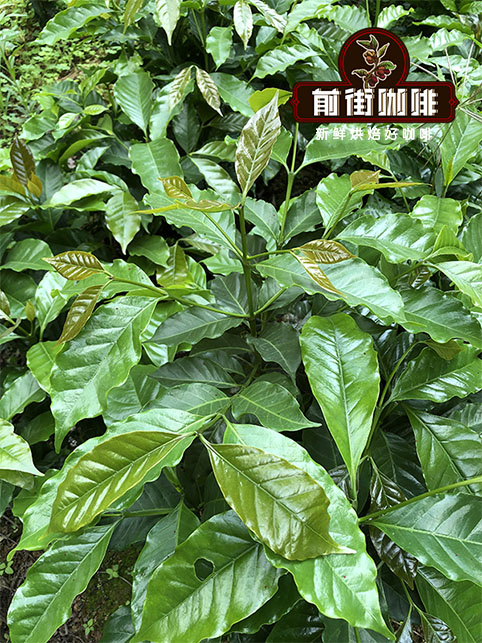
In 1959, the Portuguese moved Brazil's Bourbon-mutant Caturra to East Timor and crossed it with the Timor Hybrid, which carries Robusta blood, creating the super-resilient, high-yielding Catimor. When leaf rust swept the coffee world, international organizations helped producing countries promote Catimor widely to fight the disease and lift productivity.
That Robusta inheritance means Catimor and pure Arabica Typica differ measurably in flavor. In domestic Yunnan green bean competitions, Catimor consistently takes top-ten spots while the "undisputed" Arabica varieties are nowhere to be found - too few people grow them. The impression left is that Yunnan Catimor should not be underestimated.

In FrontStreet's own Yunnan plantations, Typica and a little Bourbon are the main plantings. Catimor and Typica are not enemies - one is for volume, one for specialty; specialty exists to raise quality, volume farming to raise yield. Yunnan's Catimor-first strategy reveals its priorities plainly.
FrontStreet Coffee Recommendation
If this tour of seven staple beans has a single starting point, it is the FrontStreet Washed Yirgacheffe. Yirgacheffe is a small town in southern Ethiopia's Sidamo province, where cool, misty, spring-like weather lets thousands of coffee trees thrive; the cup shows white jasmine over bright citrus and lemon acidity, light and elegant with a tea-like finish - a clean lemon tea in coffee form, at a price that makes it the ideal first specialty bean.
For the natural-processed side of the region, the FrontStreet Natural Red Cherry takes only fully ripe, defect-free cherries and sun-dries them whole on raised beds - turned every 2-3 hours in the early days to prevent uneven fermentation, then dried for three to five weeks before the pulp is stripped away. Drying inside the fruit gives it classic Yirgacheffe character plus tropical fruit: citrus acidity, berry juiciness, honeyed sweetness, and creamy smoothness.
Brewing suggestion for the washed Yirgacheffe: V60 dripper, 90-91°C water, 15g of coffee, 1:15 ratio, fine-sugar grind (80% passing a #20 sieve). Pour 30g for a 30-second bloom, then to 125g within about a minute, then finish with the last 100g to around 225g by 1:35; total drawdown 2:00-2:10.
Important Notice :
FrontStreet Coffee is a long-established specialty coffee roaster in Guangzhou China, selling freshly roasted beans from its own farm in Yunnan as well as dozens of carefully selected single-origin beans from around the world for both pour-over and espresso. The products deliver consistently excellent quality and great value, with shipping within 24 hours. Guangzhou's FrontStreet Coffee shop is recommended by many coffee lovers, and the beans are now available online at the Tmall 。
FrontStreet Coffee has moved to a new address:
FrontStreet Coffee Address: 315,Donghua East Road,GuangZhou
Tel:020 38364473
 Scan and follow the En Gafei WeChat official account. Please indicate that the reprint comes from "En Gafei".