The Three Famous Coffee Varieties of Yunnan and a Flavor Profile of Yunnan's Most Renowned Typica Coffee Beans
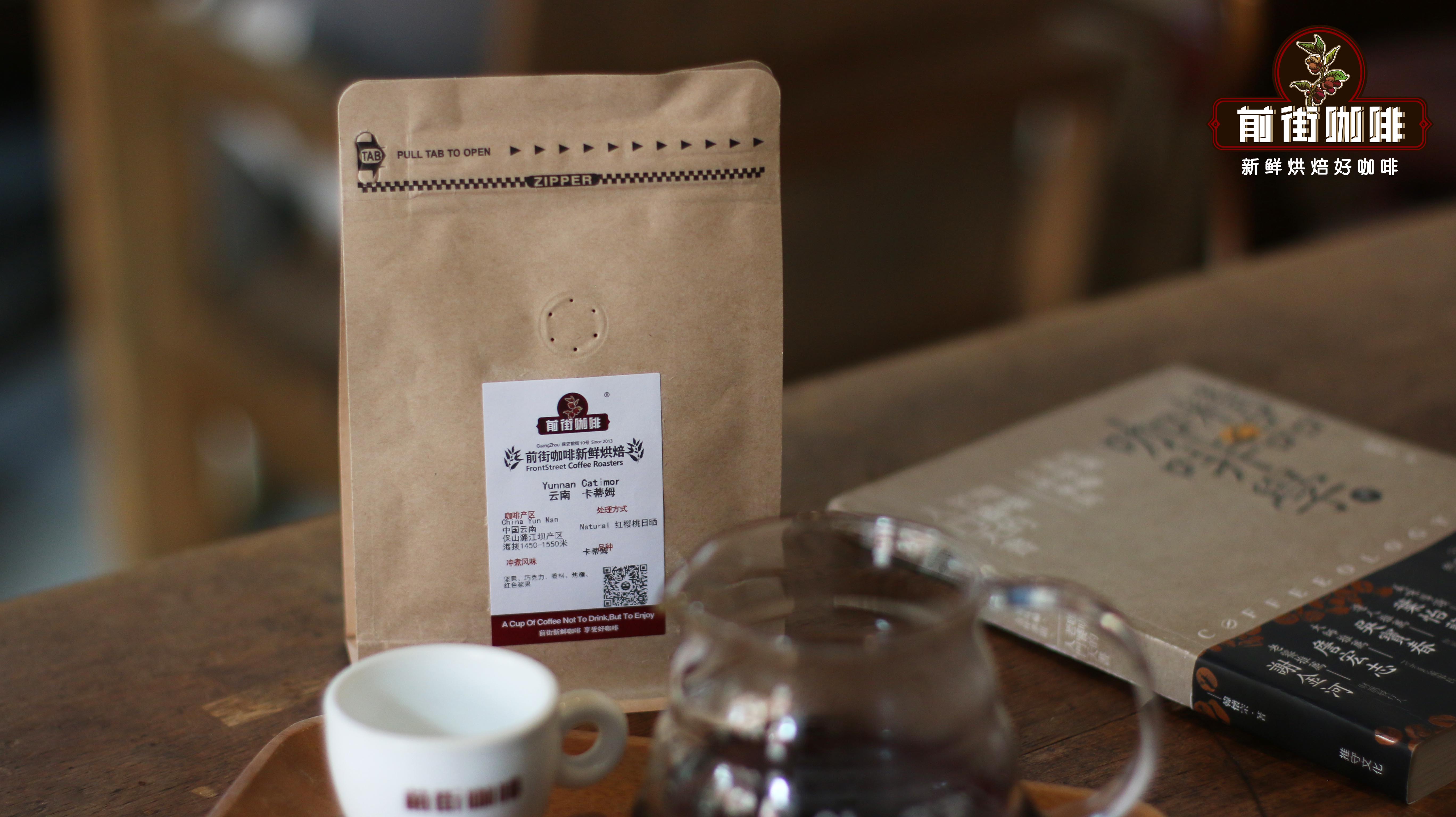
Today, the overwhelming majority of coffee grown in Yunnan is the Catimor variety — a hybrid of Timor and Caturra carrying 25% Robusta genes. When processed carelessly, its flavor is not as clean as that of pure Arabica, and the aftertaste tends to pick up impurities. Are there other varieties in Yunnan? Absolutely. The "FrontStreet Coffee 2013" on FrontStreet Coffee's bean list is drawn from Typica, widely recognized as a premium variety.
What are the characteristics of the Typica variety?
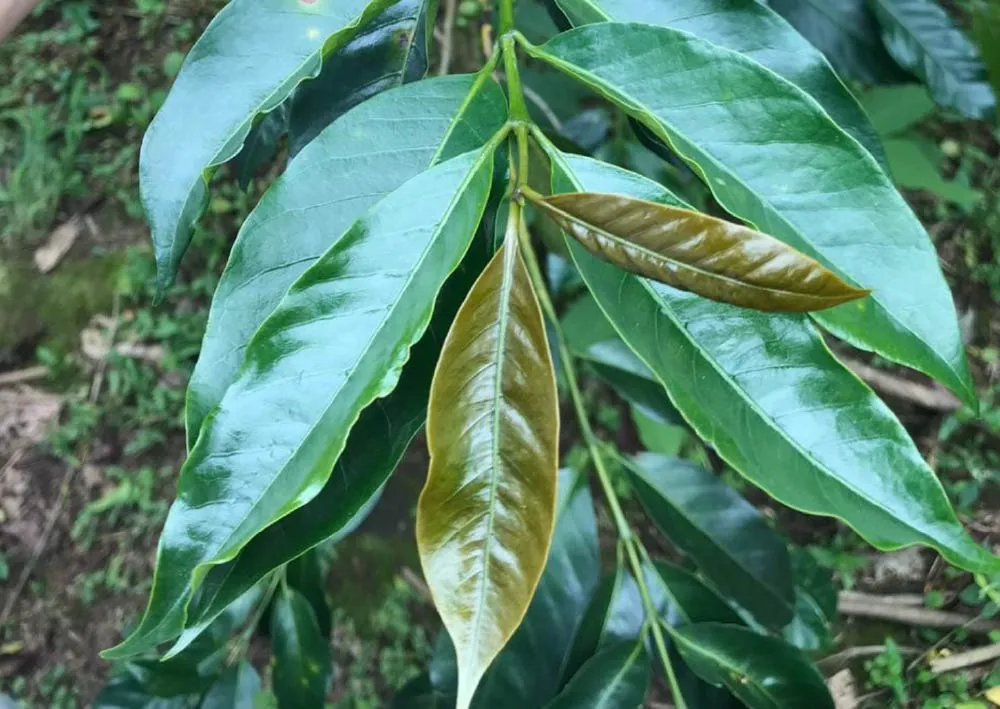
Typica is one of the oldest native varieties from Ethiopia, identified between the 15th and 16th centuries. Its traits include taller trees, bronze-colored leaf tips, and beans that are larger, elongated, and pointed at both ends — something like an egg in shape. Typica coffee often shows citrus acidity with a sweet aftertaste, and many prize it as an elegant, clean coffee bean. Sadly, its low yield and poor resistance to leaf rust have led farmers to replace it with hardier varieties — and the same has happened in Yunnan, China.
Before the 1960s, Yunnan primarily cultivated Arabica varieties of the Typica and Bourbon lineages. From the 1970s and 1980s onward, leaf rust swept through the world's major coffee regions, and growers everywhere began hunting for a solution. In 1990, pushed by the foreign-invested company Nestlé, Yunnan introduced Catimor from Central and South America — better disease resistance and higher yields — to replace the "unprofitable" Typica trees, setting the stage for Catimor to become the dominant variety in Yunnan today.
FrontStreet Coffee believes Typica keeps evolving new traits to fit each planting environment, gradually developing its own elegant flavor signature. World-famous coffees such as Jamaican Blue Mountain and Hawaiian Kona, for example, all descend from Typica mutations.
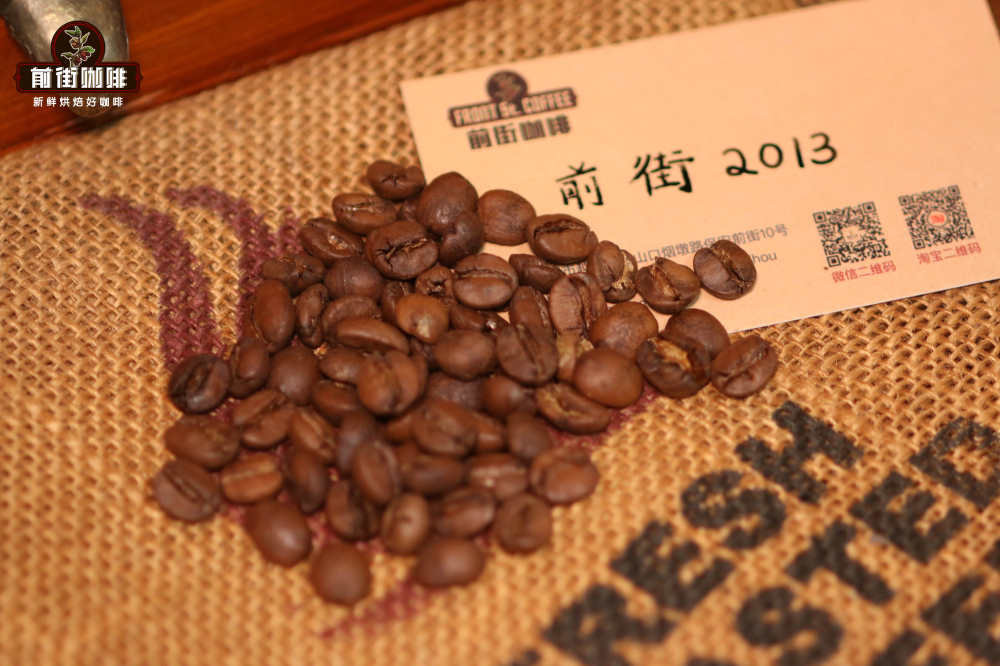
FrontStreet Coffee 2013
Years ago, while exploring coffee knowledge, FrontStreet Coffee developed the ambition to grow coffee of its own. In 2013 the team traveled to Lincang, Yunnan, to begin that journey. Site selection, variety selection, seedling cultivation, planting, harvesting, processing, roasting — everything was handled by the FrontStreet Coffee team, yielding hard-won experience with varieties, altitude, and processing methods. They deliberately chose the most original Typica variety: famed for elegant, pure flavor, but notorious for low yield and weak resistance, so cultivation and management demanded serious effort. After several years of nurturing, FrontStreet Coffee finally harvested its first batch in 2020, processed it by the natural method, and named the coffee "FrontStreet Coffee 2013."
Why use natural processing?
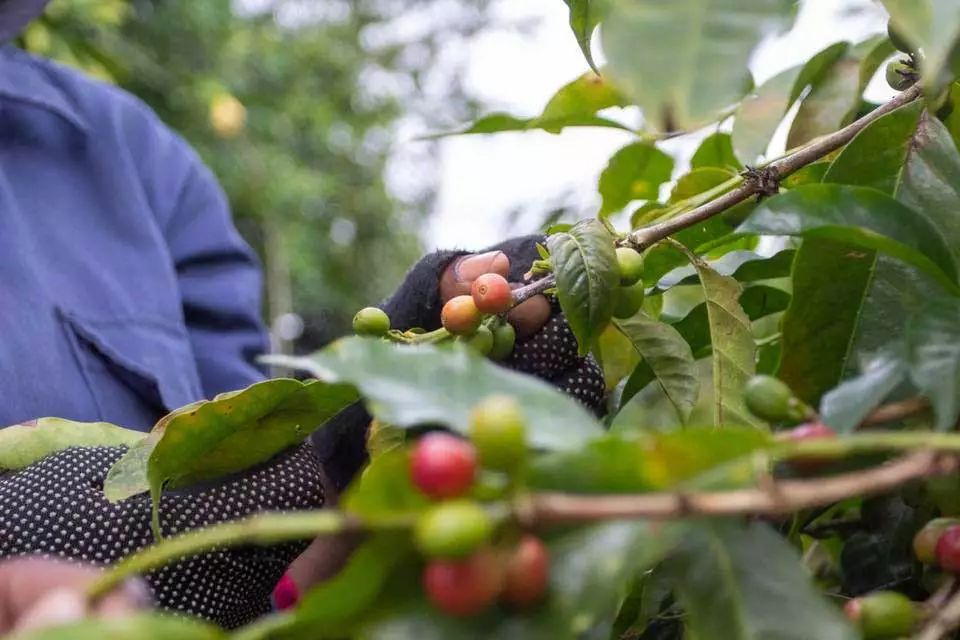
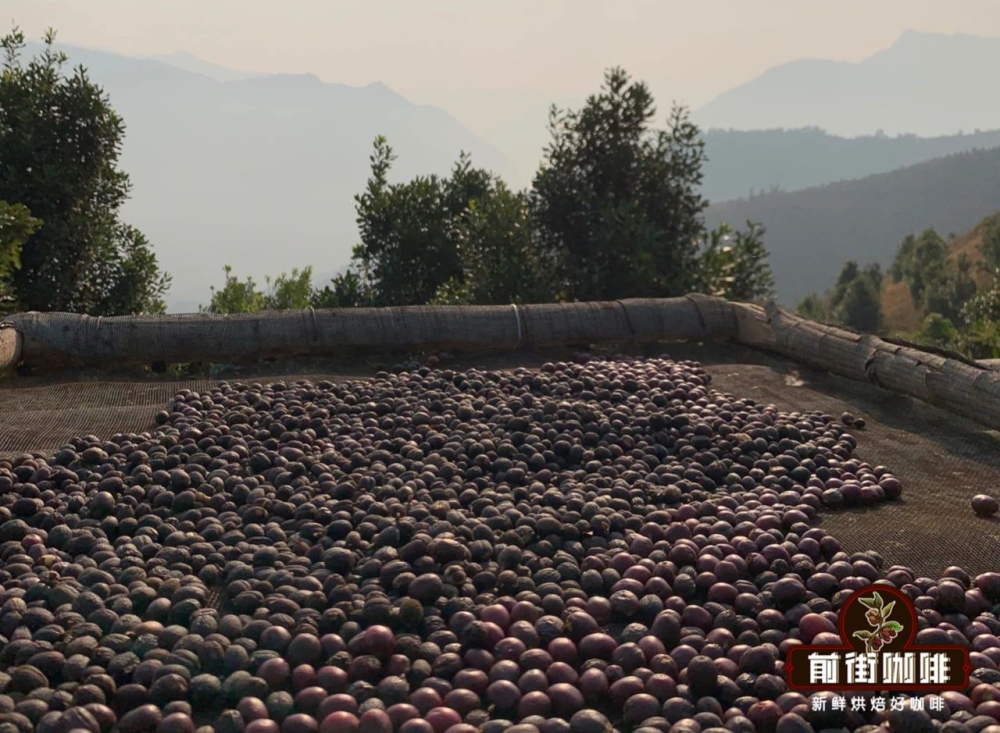
Each year when winter arrives in November, the estate's coffee cherries ripen in succession. Workers pick each red cherry individually and spread the fresh fruit under the sun for natural drying, turning it periodically to ensure even dehydration and avoid the negative flavors of over-fermentation. FrontStreet Coffee believes naturally processed coffee carries higher sweetness, develops more berry-like notes, and finishes rounder.
When FrontStreet Coffee talks with customers about Yunnan's flavor, some describe chocolate, some sweet potato, others Sanhua plums. FrontStreet Coffee reads Yunnan's profile as balanced and harmonious — acidity, sweetness, and bitterness all present. So every Yunnan coffee gets a medium roast, to highlight chocolate and nutty roasted aromas while keeping a measure of acidity.
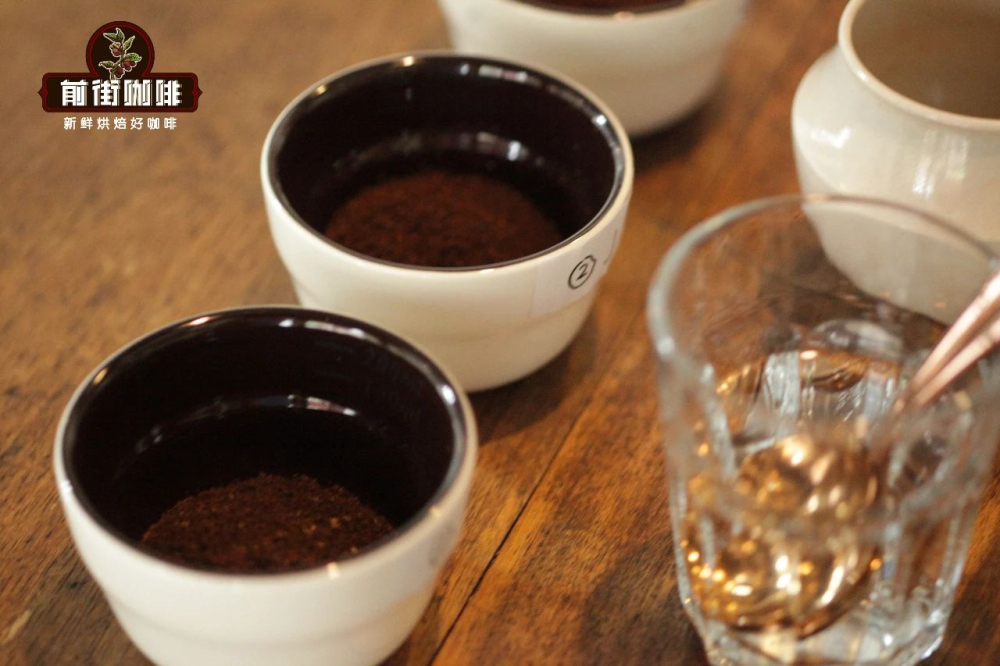
On the cupping table, this Yunnan natural Typica presented chocolate, brown sugar, plum, fermented tropical fruit, and a black tea aftertaste — remarkably clean overall, with rich layers.
How to brew Yunnan Typica coffee for the best taste?
To spotlight Yunnan Typica's balanced character, FrontStreet Coffee brews with parameters that sit between those for dark and light roasts — medium water temperature and a medium grind.
FrontStreet Coffee's pour-over parameters:
Filter: Hario V60
Coffee amount: 15g
Water temperature: 90°C
Grind size: 70% pass-through rate on a #20 sieve
Water-to-coffee ratio: 1:15
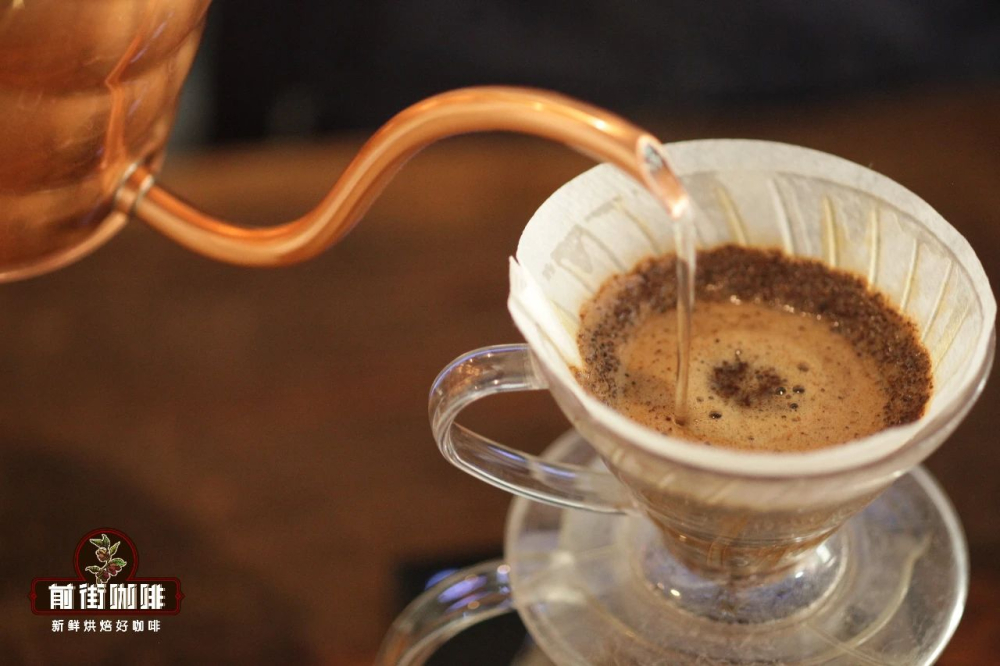
Filter:
FrontStreet Coffee believes Yunnan coffee should show rich aromas and diverse flavor layers, so its baristas use a plastic V60 dripper. The V60's ribs run from top to bottom around a large circular hole at the center, which speeds the water's flow; the spiral design lengthens the water's path, extending contact between grounds and hot water. Each stream converges along the grooves toward the dripper's center, concentrating pressure on the coffee bed and producing a cup with richer layers.
Grind size and water temperature:
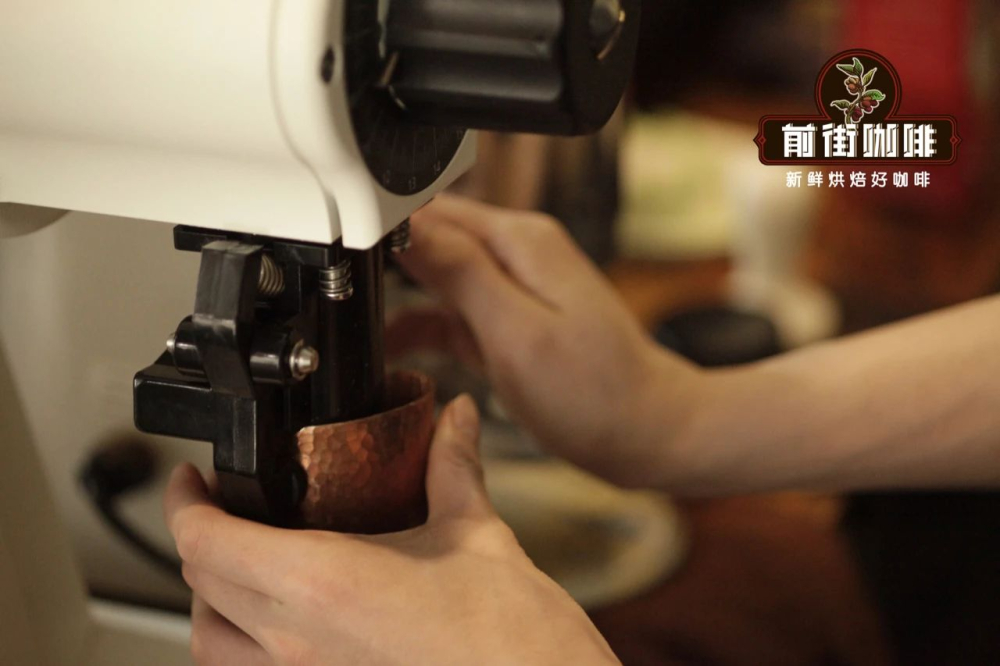
Because Yunnan coffee's flavor profile is balanced and harmonious, water that is too hot or a grind too fine easily over-extracts, pulling out too many bitter, large-molecule compounds. Too cool a temperature or too coarse a grind under-extracts, leaving the cup weak. FrontStreet therefore chooses the middle ground: 90°C water and grounds at a 70% pass-through rate on the Chinese standard #20 sieve — equivalent to an EK43s set to 10.5 in their stores.
Three-stage pouring:
Saturate the coffee bed with twice the coffee's weight in water, forming a dome, and bloom for 30 seconds. Then, with a small stream, pour in circles from the inside out up to 125g, and pause. Once the bed falls to half the height of the dripper, resume the same fine stream for the third stage up to 225g. Remove the dripper once all the liquid has drained, for a total time of roughly 2 minutes.
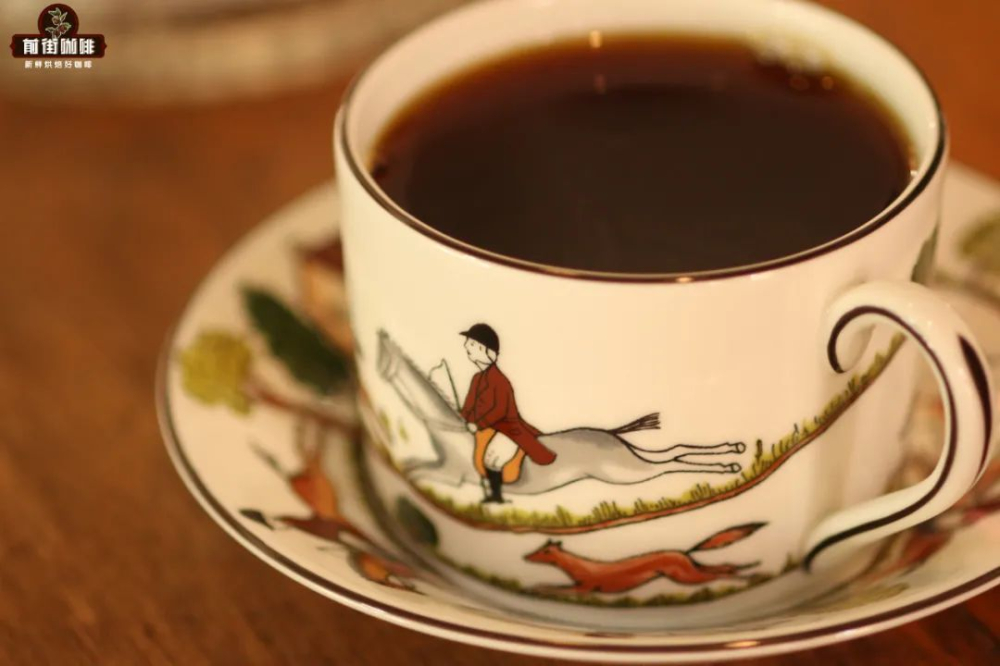
FrontStreet Coffee 2013 Natural Typica flavor: the dry grounds offer caramel, nuts, and citrus. While hot, the cup shows chocolate, fermented notes, and berries; as it cools, plum acidity emerges with a black tea and sugarcane sweet finish. Medium-to-high body, clear mouthfeel, rich and varied layers.
FrontStreet Coffee Recommendation
Yunnan coffee traces its roots to 1904, when the French missionary Tian Deneng brought Typica seeds from Vietnam and planted the first coffee tree in Zhugula Village, Binchuan County — the origin of what China calls "Yunnan small-bean coffee" (small-bean simply being the local name for Arabica). For an easy entry into the region, FrontStreet Coffee's washed, medium-roasted Yunnan Baoshan small-bean lot is the go-to: soft nut and chocolate sweetness with a light plum acidity and a friendly price. Baoshan's frost-free, dry-hot valley climate around Lujiangba, with big day-night temperature swings, gives the coffee its distinctive lingering sweetness.
And if you'd like Yunnan character in espresso form, the FrontStreet Dark Cocoa Blend pairs Yunnan small-bean with Brazil Cerrado: Brazil supplies mixed-nut aromatics and balance, Yunnan brings chocolate and citrus, and the result is an americano with balanced sweetness, acidity, and bitterness — nut and brown-sugar notes, plus an almond-cream smoothness in the latte — making it a favorite recommendation among baristas for beginners.
Important Notice :
FrontStreet Coffee is a long-established specialty coffee roaster in Guangzhou China, selling freshly roasted beans from its own farm in Yunnan as well as dozens of carefully selected single-origin beans from around the world for both pour-over and espresso. The products deliver consistently excellent quality and great value, with shipping within 24 hours. Guangzhou's FrontStreet Coffee shop is recommended by many coffee lovers, and the beans are now available online at the Tmall 。
FrontStreet Coffee has moved to a new address:
FrontStreet Coffee Address: 315,Donghua East Road,GuangZhou
Tel:020 38364473
 Scan and follow the En Gafei WeChat official account. Please indicate that the reprint comes from "En Gafei".