How to Handle Moist and Clumpy Coffee? Can You Still Drink Damp Coffee???

On the subject of oil appearing on the surface of coffee beans, FrontStreet Coffee has noticed that coffee beginners tend to raise a whole range of questions:
"Why are my coffee beans wet? I only just opened them."
"The beans are oily, so they must have been stored for a long time, right?"
"The surface is so greasy, could the beans have gone bad?"
The "oil" on the surface of coffee beans is essentially the water-soluble fat of the bean.
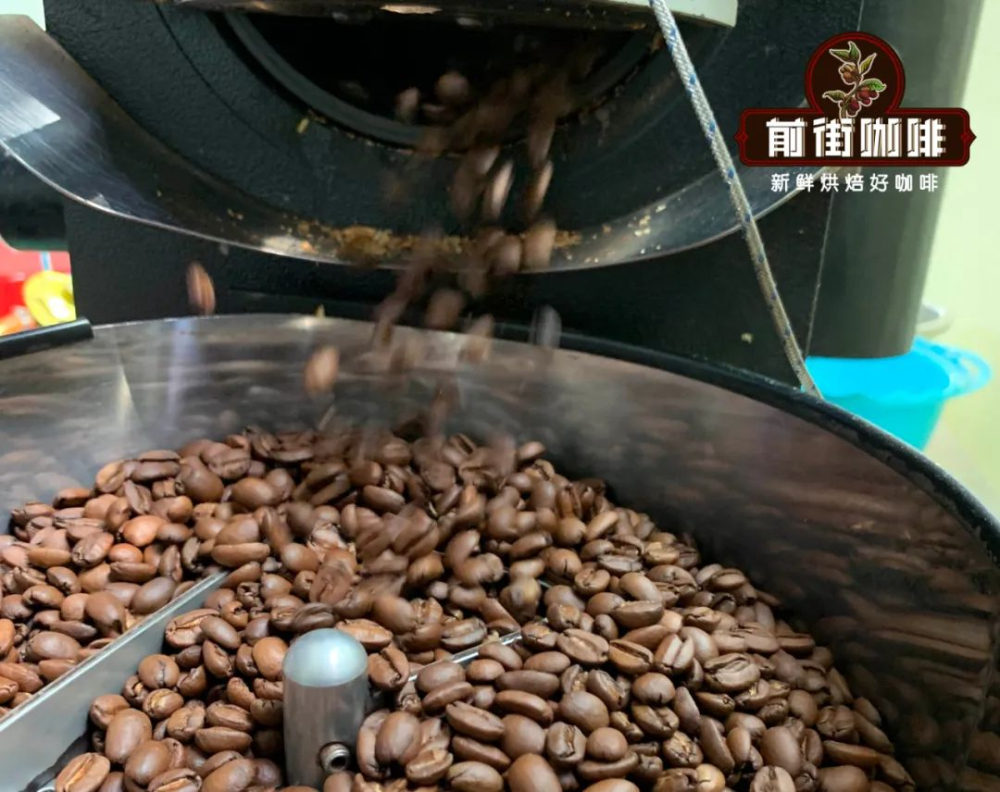
Before roasting, green beans have a tight structure, with oils wrapped around the fibrous matrix. During roasting, the roaster feeds a large amount of thermal energy into the beans, causing the internal structure to expand continuously. That opens up the pores in the cell walls of the green beans, which then store large amounts of carbon dioxide. As the roast deepens and the beans return to normal temperature and pressure once roasting ends, those carbon dioxide gases begin to escape slowly, and in the process fats penetrate and adhere to the bean surface.
Effect of Roasting Degree
Oil emergence is generally seen in beans roasted to dark levels or beyond, that is, around the second crack, where oils gradually seep to the surface along with the gases. Freshly roasted dark beans carry a slight sheen of oil, and by the next day carbon dioxide starts releasing more quickly, giving off roasted aromas of caramel, dark chocolate, and more.
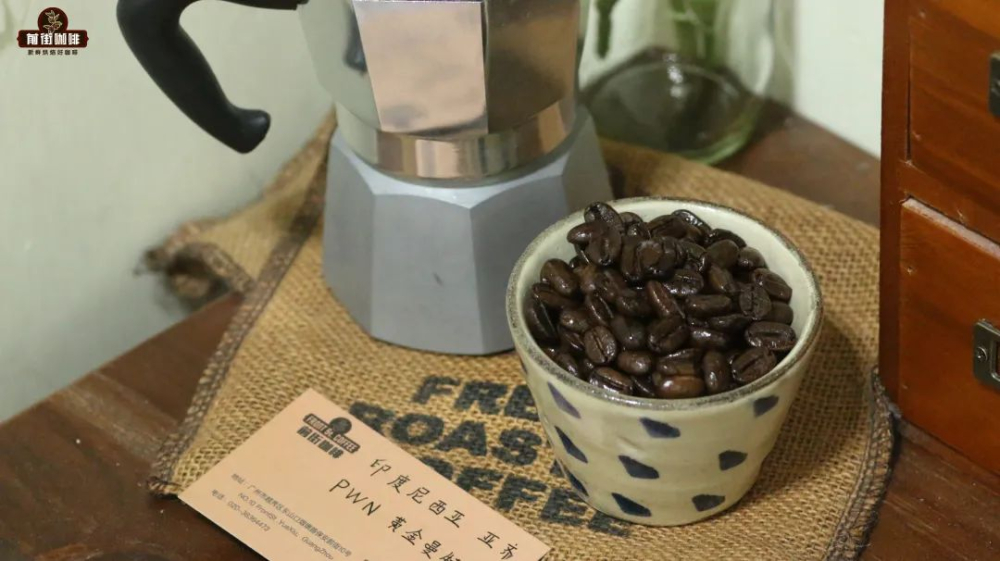
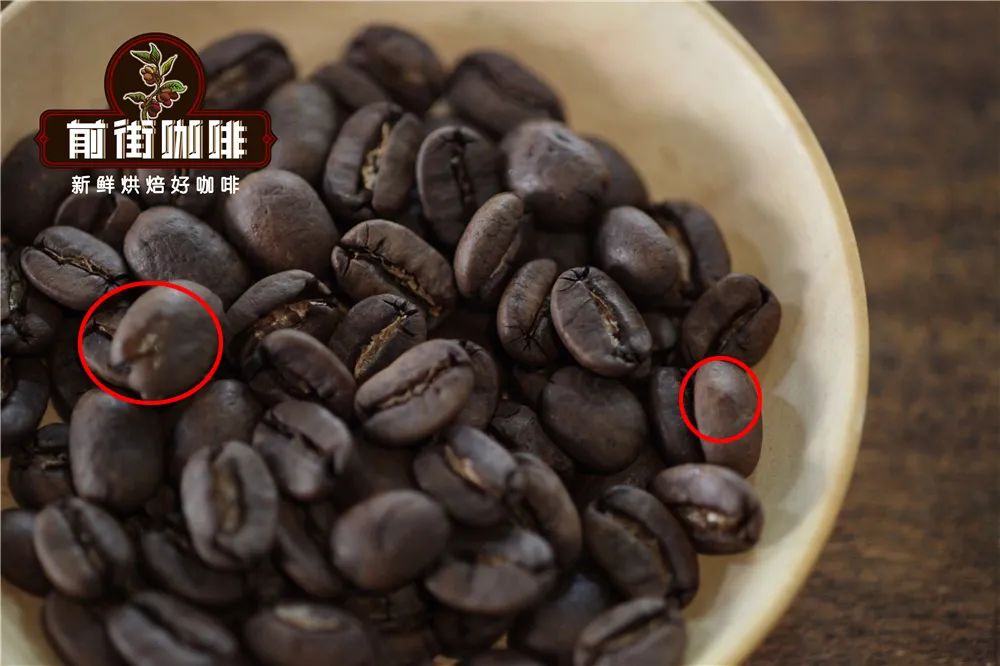
Coffee such as FrontStreet Coffee's Indonesian Gold Mandheling, which is roasted to a medium-dark level, will develop an oily sheen after 3-5 days of degassing, and that is entirely normal. During the optimal flavor period, some beans about 5-7 days after roasting develop dot-like oil droplets on the surface. These come from local dehydration caused by uneven heating, and those dot-like oils actually mark the best flavor period for the coffee.
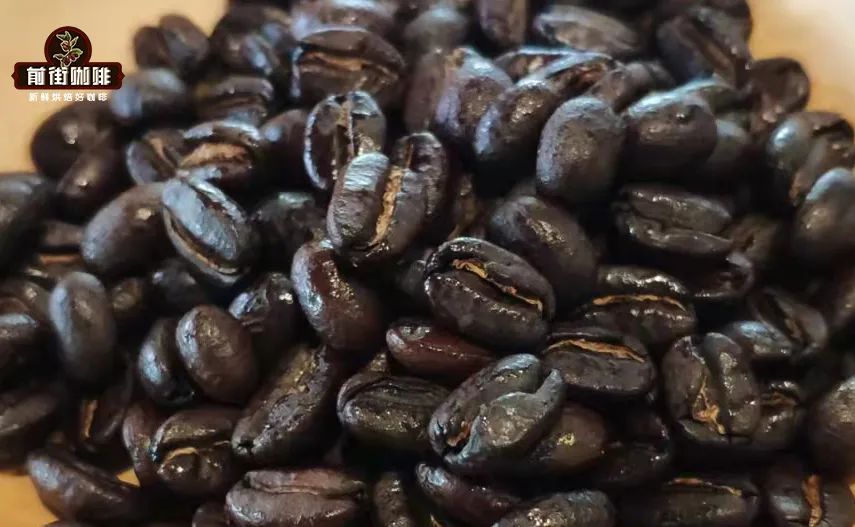
Oil emergence, then, is only a simple clue to the roasting depth of a bean, and it has no necessary connection to freshness. For extremely dark roasts like Japanese dark roast coffee, oil appears on the very first day after roasting, while the beans are still in the package, and soon the coffee takes on a dark, glossy appearance.
Signs of Moisture in Coffee Beans
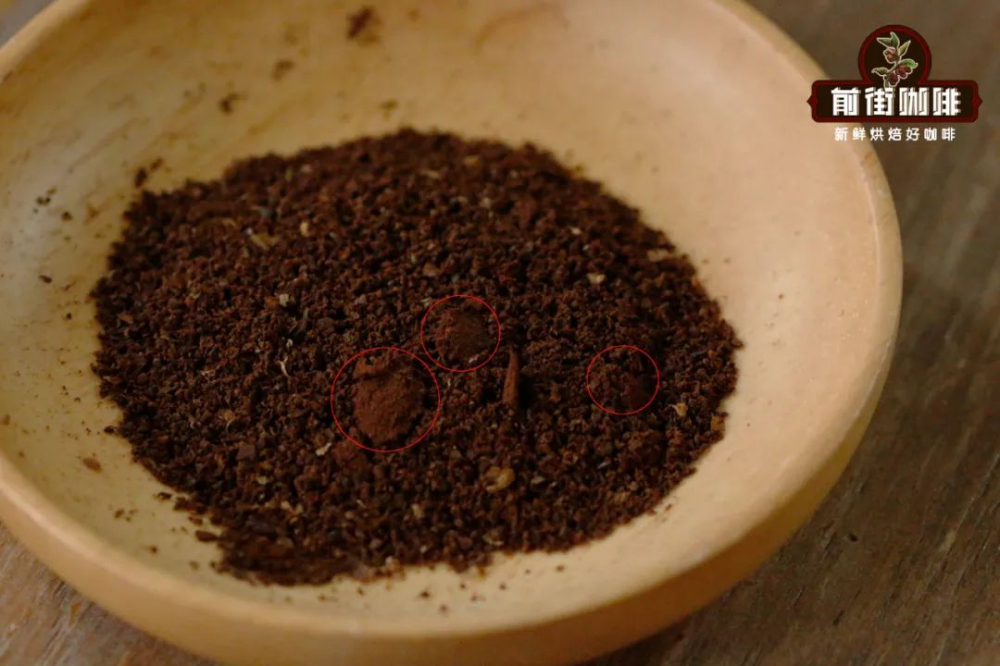
If coffee beans have been affected by moisture, they generally will not look "wet," and it is difficult to tell by eye alone whether roasted beans have taken on moisture. What we can do is judge from the signs the coffee shows during brewing.
Freshly roasted beans have a very low moisture content, about 1-2%. Stored in a humid environment, beans act like a moisture absorber, taking on water and eventually spoiling and growing mold. The common signs are resistance while grinding, clumping of the coffee powder, loss of aroma, and the appearance of musty smells.
How to Determine if Coffee Beans Are Fresh?
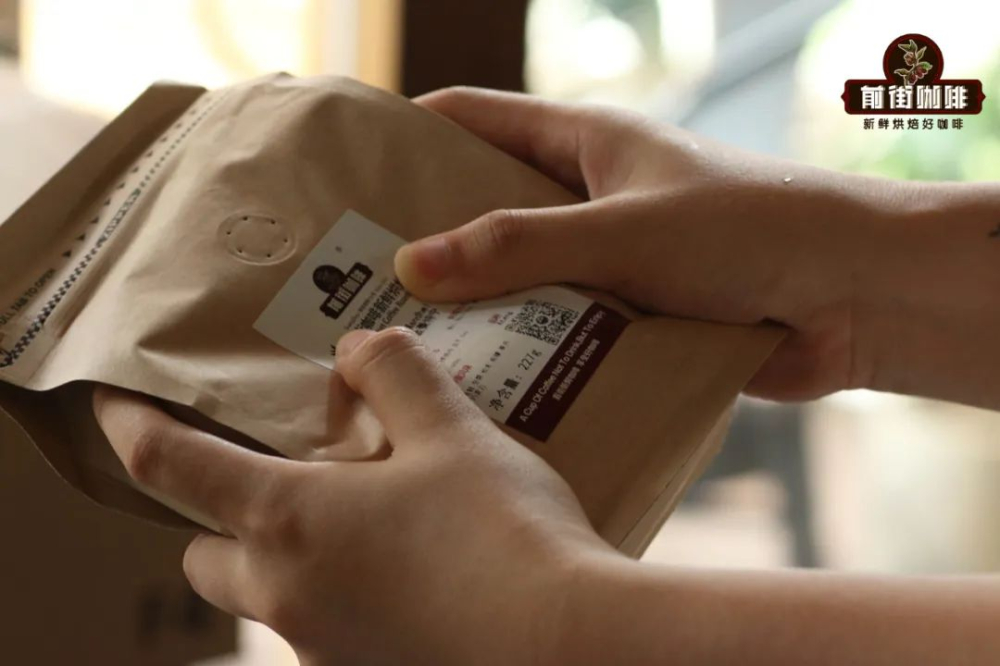
The most common coffee packaging includes one-way valve sealed bags and vacuum-sealed containers, both of which keep beans apart from moisture molecules in the air. On top of that, the carbon dioxide released by the beans themselves acts as a protective gas, wrapping around the coffee and slowing the dissipation of flavor. Once the package is opened, the oils meet moisture in the air and begin to oxidize, speeding up the aging of the beans.
Some medium-light roasted beans, left for a while, develop a film of oil across the entire surface. They smell weak and slightly greasy, which tells you that a significant share of the flavor has been lost, and they should be drunk as soon as possible.
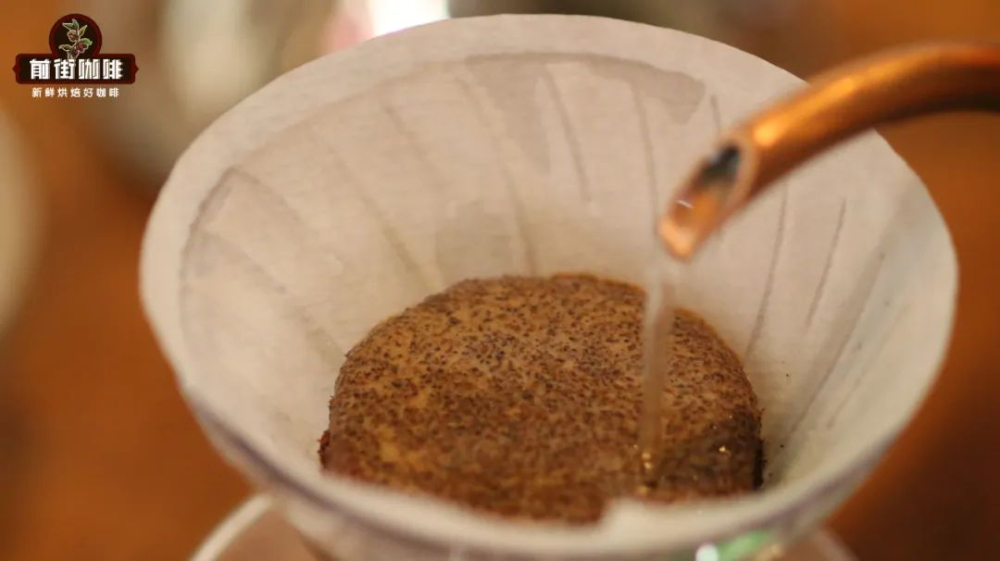
Freshness shows most clearly during extraction. During blooming, for example, if the coffee bed does not expand at all, the gases in the beans have already been fully released. Throughout the whole extraction no aroma comes through, the taste is empty and bland, and there is a woody, fibrous flavor in the cup.
The main factors that affect bean freshness are oxygen, moisture, light, and heat. To store coffee properly, then, keep it unground, sealed, away from light, protected from moisture, and at a low temperature. Even when all of those conditions are met, the flavor of the beans still fades over time. So, rather than storing coffee for the long term, FrontStreet Coffee recommends enjoying it during its optimal flavor period.
FrontStreet Coffee Recommendation
If you want beans that hold up well and are easy to keep at their peak, medium roasts are a dependable choice. FrontStreet Brazil Queen Estate is a rare Yellow Bourbon from Brazil's Mogiana region, roasted medium, with clean, gentle sweetness and notes of cream peanut, chocolate, toast, and sugarcane. It works equally well as pour-over, in a moka pot, or through an espresso machine, so a single bag covers several brewing methods.
For a medium-roast Chinese single origin, FrontStreet 2013 Natural Typica is processed naturally and roasted medium to keep its balance, showing nuts, brown sugar, black tea, and dried apricot, and it suits pour-over, cold brew, and drip machines. If you like a classic, elegant profile, FrontStreet Jamaica Blue Mountain No.1 is a Typica roasted medium, blending acidity, bitterness, sweetness, and aroma into chocolate, roasted nut, cream, and caramel notes that are hard to fault.
Important Notice :
FrontStreet Coffee is a long-established specialty coffee roaster in Guangzhou China, selling freshly roasted beans from its own farm in Yunnan as well as dozens of carefully selected single-origin beans from around the world for both pour-over and espresso. The products deliver consistently excellent quality and great value, with shipping within 24 hours. Guangzhou's FrontStreet Coffee shop is recommended by many coffee lovers, and the beans are now available online at the Tmall 。
FrontStreet Coffee has moved to a new address:
FrontStreet Coffee Address: 315,Donghua East Road,GuangZhou
Tel:020 38364473
 Scan and follow the En Gafei WeChat official account. Please indicate that the reprint comes from "En Gafei".