Why is SOE cheaper than pour-over coffee beans and which tastes better? Flavor characteristics description of SOE single-origin espresso

Understanding SOE Coffee
SOE (Single Origin Espresso) has become one of the most popular offerings in specialty coffee shops and chain cafés alike. It is an espresso pulled from a single-origin coffee, and its appeal lies in the way it can express a growing region's signature flavors even at high concentration.
Flavor Differences Between Pour-Over and Espresso
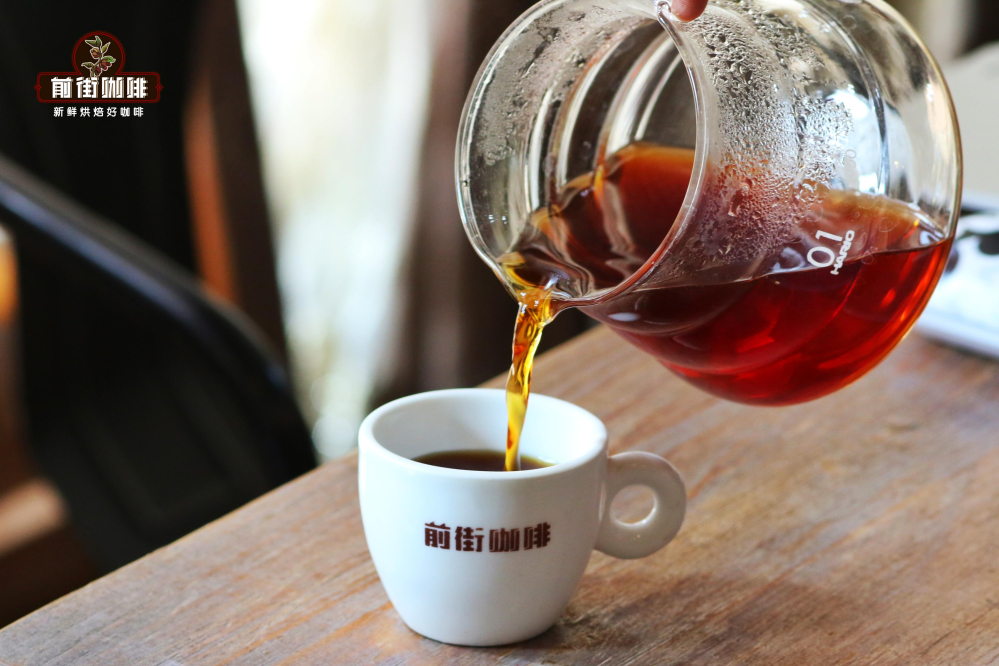
FrontStreet Coffee ran a side-by-side experiment using its own light-to-medium roasted FrontStreet Yirgacheffe Gedeb Cooperative Washed Coffee Beans. Brewed as pour-over with a medium-fine grind, a 1:15 coffee-to-water ratio and 91°C water, the coffee showed bright citrus acidity, delicate white florals and a honey-green tea finish — a balanced, full-bodied cup.
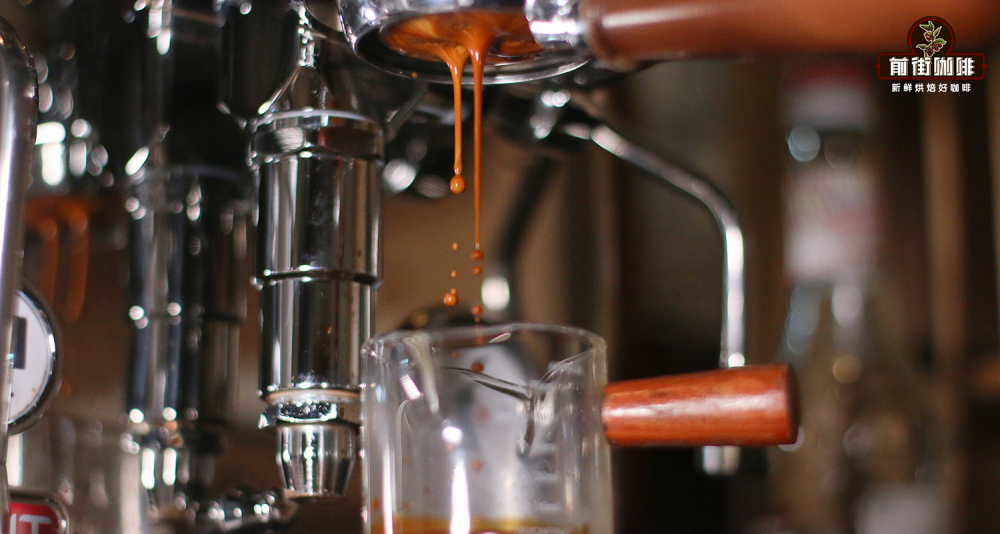
Ground much finer and pulled on an espresso machine — 9–10 bar of pressure, with 94°C water moving quickly through an evenly distributed, tamped puck — the same coffee as SOE delivered pronounced lemon acidity, berry-juice character and an oolong-tea-like finish, though with a somewhat thinner body overall.
The comparison shows that with the very same single-origin beans, the pour-over comes out balanced and delicious, while the espresso extraction ramps up both concentration and acidity. Because of the lighter roast, it lacks body, which leaves the mouthfeel thinner.
Advantages and Disadvantages of SOE Coffee
FrontStreet Coffee believes SOE's strength is that it spotlights the unique character of its origin, adding more layers to the cup. Turned into an Americano with water, or into milk drinks at various milk ratios, it still keeps the distinctive profile of its growing region.
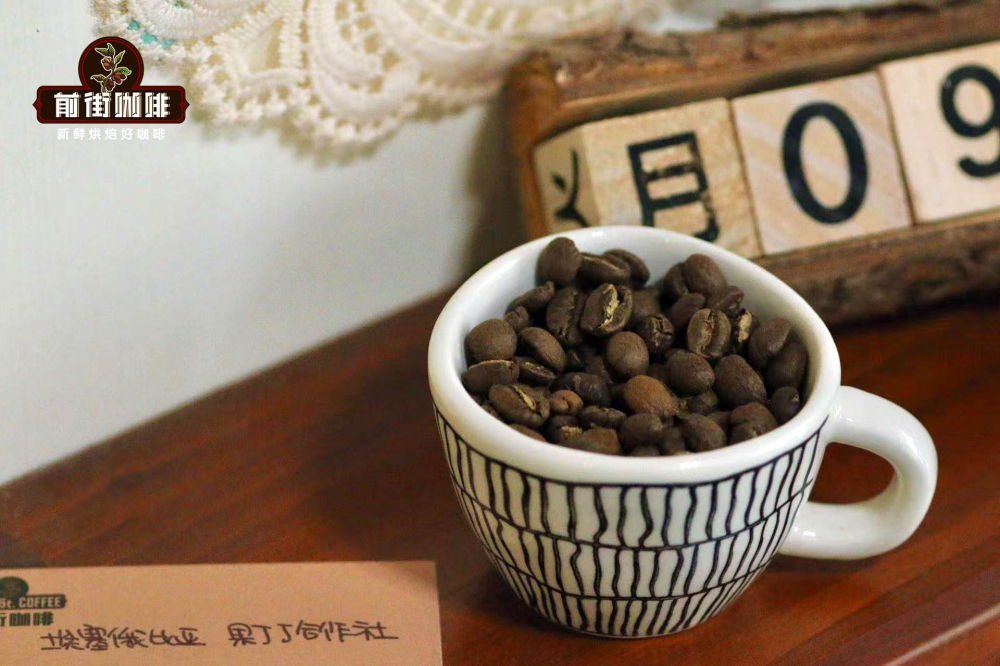
Its weakness, however, is consistency. Coffee is an agricultural product, and its flavor shifts from year to year with natural conditions. Even beans from the same region can differ, which makes it hard to keep an espresso's flavor stable over the long term. What's more, very lightly roasted beans can easily turn sharp and thin when pulled as SOE.
Espresso-based drinks are usually a café's bestsellers, and consistency is essential to keeping customers coming back. That is why many cafés default to a dark-roasted espresso blend and offer SOE as an extra option. SOE is priced according to the beans used, and it is not necessarily cheaper than pour-over coffee.
How to Choose SOE Coffee Beans?
Since SOE sets out to express origin flavor through espresso, many beans need roast curves designed specifically to reach their best expression. The market offers plenty of single-origin beans built for espresso. At FrontStreet Coffee, when you ask for beans suited to SOE, baristas usually give two suggestions: first, buy medium-to-dark roasted single-origin beans; second, pick beans from the SOE category directly.
Selecting from Pour-Over Single-Origin Beans
1. FrontStreet Honduras Whiskey Barrel-Aged Sherry Coffee Beans
The medium roast keeps the coffee's roasted aroma while preserving berry acidity. Pulled as SOE, it highlights vanilla biscuit and whiskey notes. Add milk and it turns chocolate-creamy, with a captivating aroma and a very smooth mouthfeel overall. FrontStreet Coffee's "Sunflower Sunshine Blend," used in its own stores, is built on a 7:3 ratio of FrontStreet Honduras Sherry and FrontStreet Natural Yirgacheffe Red Cherry, blending whiskey aroma, fruit sweetness and chocolate-milk smoothness into a single cup.

2. FrontStreet Costa Rica Mirasu Manor Strawberry Candy Coffee Beans
The anaerobic honey process lets the beans keep their mucilage for sealed fermentation before drying, maximizing sweetness. As pour-over it shows distinct raisin, strawberry candy and light floral notes; as espresso it expresses rich berry jam and orange chocolate.

3. FrontStreet Brazil Queen Manor Yellow Bourbon Coffee Beans
If the varieties above do not match your preferred profile, consider these FrontStreet Brazil Queen Manor beans from coffee powerhouse Brazil. The medium-dark roast brings rich nutty, creamy and peanut aromas with a sweet chocolate finish. The SOE has a beautiful, thick crema and makes very aromatic milk drinks.

For the same beans, many merchants offer different roast curves for pour-over and SOE. Typically, fruit-forward pour-over coffees are presented with light-to-medium roasts, while SOE beans are roasted slightly darker than the pour-over version — but not so dark that the primary flavors are lost. That way the espresso keeps both fruit acidity and caramelized sweetness, usually held at medium roast levels.
Take FrontStreet Coffee: both the FrontStreet Yirgacheffe Konga beans and the FrontStreet Huang Guai beans from Ethiopia come in two roast levels — "Pour-over Light-Medium Roast" and "SOE Espresso Roast." The former suits atmospheric brewing methods like pour-over, cold brew, French press and drip bags; the latter is tuned for pressure-based extraction such as espresso machines and moka pots.

Whichever extraction method you choose, FrontStreet Coffee believes freshness is crucial. Beans roasted more than a month ago may have lost aroma and picked up an unwanted woody note. FrontStreet Coffee hopes every customer can enjoy coffee within its optimal flavor window, and ships only beans roasted within 5 days. To make better SOE, FrontStreet Coffee recommends freshly roasted single-origin beans.
FrontStreet Coffee Recommendation
If this article has you curious about pulling SOE from a Yirgacheffe, FrontStreet Coffee has three single-origin options that fit the bill. The FrontStreet Washed Yirgacheffe is the classic starting point — white jasmine, bright citrus and lemon acidity, and a clean tea-like finish at an approachable price, which is why it becomes so many drinkers' first specialty bean. The FrontStreet Gedeb Cooperative Washed Coffee comes from a cooperative in the Worka area at the southeastern edge of Yirgacheffe; its traditional washed processing delivers the same fresh citrus and jasmine character with extra clarity for espresso. The FrontStreet Natural Red Cherry is dried in the whole fruit, layering the region's citrus acidity with tropical fruit, berry juice, honeyed sweetness and a creamy body — a natural pick when you want a fruitier SOE. Brewed as pour-over, FrontStreet suggests a V60, 90–91°C water, 15 g of coffee at a 1:15 ratio and a fine-sugar grind. And since SOE rewards freshness, choose a bean whose roast level matches the way you plan to extract it.
Important Notice :
FrontStreet Coffee is a long-established specialty coffee roaster in Guangzhou China, selling freshly roasted beans from its own farm in Yunnan as well as dozens of carefully selected single-origin beans from around the world for both pour-over and espresso. The products deliver consistently excellent quality and great value, with shipping within 24 hours. Guangzhou's FrontStreet Coffee shop is recommended by many coffee lovers, and the beans are now available online at the Tmall 。
FrontStreet Coffee has moved to a new address:
FrontStreet Coffee Address: 315,Donghua East Road,GuangZhou
Tel:020 38364473
 Scan and follow the En Gafei WeChat official account. Please indicate that the reprint comes from "En Gafei".