What is Aged Sumatra Coffee Bean: Flavor Profile of Aged Sumatra Coffee Beans
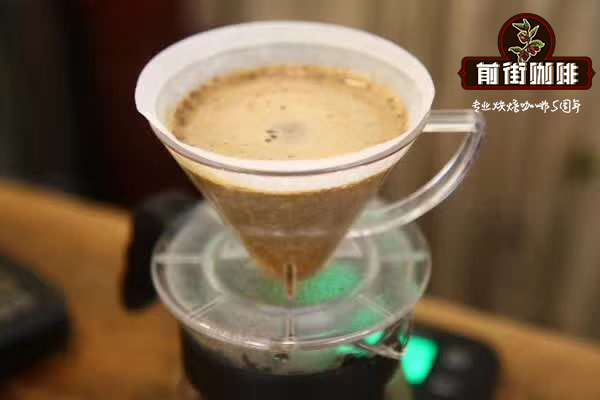
An Introduction to Aged Mandheling Coffee from Sumatra
Coffee cultivation in Indonesia began in the late 17th century, when the Dutch East India Company transplanted coffee seedlings from India to Jakarta on the island of Java. The variety was Typica within the Arabica lineage, and it soon spread to Sumatra to the northwest of Java and to Sulawesi in the northeast. In the 1880s, a devastating coffee leaf rust outbreak swept through Java, causing the Typica trees to wither and die. The Dutch responded by switching to the more disease-resistant Robusta, which remains the backbone of Indonesian coffee to this day, accounting for 90% of the country's production and grown across Java and the low-altitude areas of Bali.
The more refined-tasting Arabica, by contrast, is grown mainly in northern Sumatra, Sulawesi, and the higher elevations of Java. Although it represents only about 10% of Indonesia's coffee output, Indonesian coffees such as Mandheling, Golden Mandheling, Jinding Mandheling, Toraja, Gayo Mountain, Aceh, Sulawesi, Aged Mandheling, and Java Old Brown have kept Indonesia famous in the specialty coffee world for decades.
How Aged Coffee Beans Are Processed
Aged coffee beans are not simply beans that have been stored for a long time — storage alone will not do. Green beans kept for extended periods without proper care will still deteriorate, shifting from a fresh green color to white, then to yellow, losing all flavor and even attracting insects. Much like aged wine, green beans must go through deliberate processing and careful long-term storage before they can truly be called "Aged Coffee."
Properly aged coffee beans are produced by letting the green beans mature naturally over a lengthy storage period — typically 2 to 3 years — during which the acidity diminishes, the color changes, and the texture of the beans thickens.
The storage environment must be cool and well ventilated. Because the beans rest in relatively dim surroundings for such a long stretch of time, aged coffee often develops complex flavor notes reminiscent of mustiness — the aromas commonly described as burlap sack or leather.
An Analysis of the Green Beans
Coffee beans that are stored correctly will change in both flavor and appearance. The acidity fades, the color deepens and loses moisture, the mouthfeel grows thicker with a fuller body, the sweetness takes on a honey-like fragrance, and certain defects originally present in the green beans become far less noticeable. And since the storage environment is relatively dim and the aging period is long, aged coffee frequently carries those complex, musty flavors commonly described as burlap or leather.
FrontStreet Coffee Recommendation
If the rich, earthy character of Sumatran coffee appeals to you, start with FrontStreet Coffee's PWN Golden Mandheling. Produced by Indonesia's PWN company to exceptionally strict standards — only beans of 18 mesh or larger are selected, with fewer than 3 defective beans allowed per 300-gram sample to meet the top G1 grade, followed by three rounds of manual sorting — it delivers an unusually clean cup with pronounced sweetness. The traditional wet-hulled (giling basah) processing that Sumatra's rainy climate demands gives it the classic Mandheling profile: a heavy, syrupy body with deep herbal and earthy notes.
For pour-over, FrontStreet Coffee recommends 15 grams of coffee at a medium-coarse grind (roughly coarse sand), a 1:15 water-to-coffee ratio, and water at 87-88°C, poured in three stages: a 30ml bloom to wet the grounds and release trapped gas, then 100ml to lift the coffee bed, and finally a gentle 95ml center pour to draw out caramel sweetness. The result is a full, thick cup with caramel, dark chocolate, and nut flavors — and if you prefer espresso, Mandheling's heavy body and rich crema shine there too, with little acidity and a long, spice-laced finish.
Important Notice :
FrontStreet Coffee is a long-established specialty coffee roaster in Guangzhou China, selling freshly roasted beans from its own farm in Yunnan as well as dozens of carefully selected single-origin beans from around the world for both pour-over and espresso. The products deliver consistently excellent quality and great value, with shipping within 24 hours. Guangzhou's FrontStreet Coffee shop is recommended by many coffee lovers, and the beans are now available online at the Tmall 。
FrontStreet Coffee has moved to a new address:
FrontStreet Coffee Address: 315,Donghua East Road,GuangZhou
Tel:020 38364473
 Scan and follow the En Gafei WeChat official account. Please indicate that the reprint comes from "En Gafei".