Characteristics and Flavor Profile of Ethiopian Yirgacheffe Coffee
Coffee first originated in Ethiopia, where this ancient land nurtured the magical fruit that continues to influence the world today. While people in many parts of the world were still unaware of what coffee was, the Agao people of Ethiopia were already cultivating and drinking it. If you're a specialty coffee enthusiast, you've undoubtedly heard of Yirgacheffe coffee, whose fresh, lively floral and fruit flavors are unforgettable. FrontStreet Coffee is one of its most devoted fans.
Ethiopian Coffee Cultivation Models
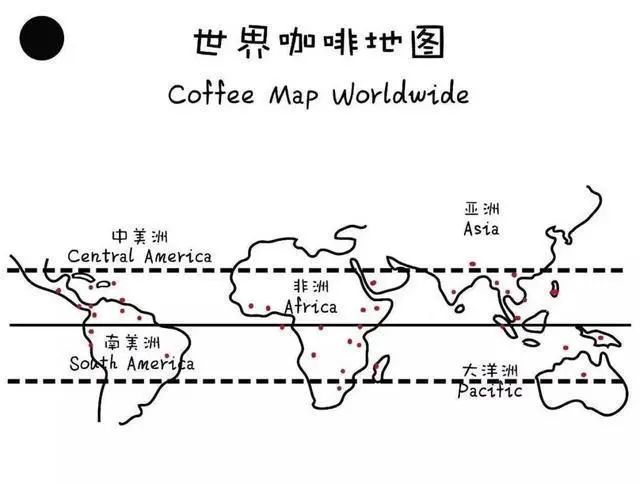
Coffee, as a tropical crop, needs to be grown in cool, comfortable places without frost. Coffee trees are primarily cultivated between 25° south latitude and 25° north latitude, centered on the equator—a region known as the "Coffee Belt." Approximately 70 coffee-producing countries lie within this belt, broadly divided into three major growing regions: Africa, Latin America, and Asia.
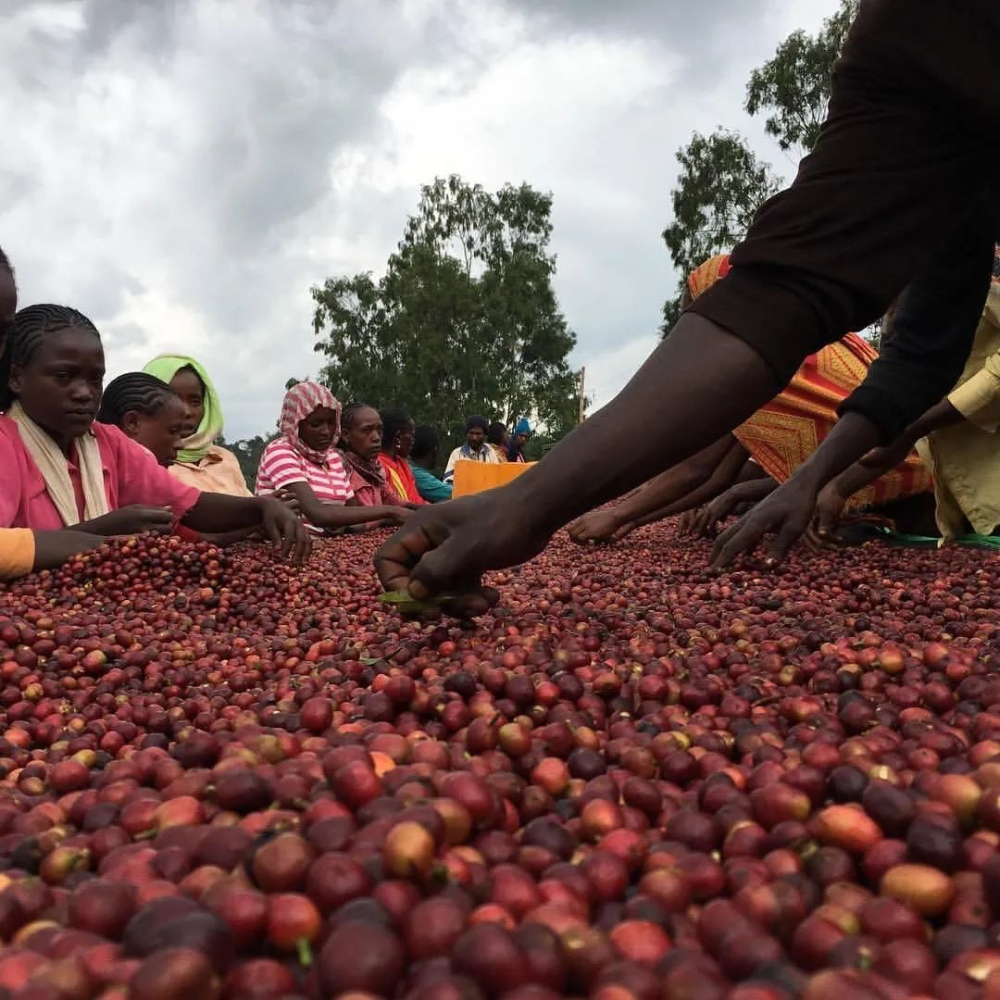
As the birthplace of coffee, Africa holds a pivotal position in the entire coffee industry. Coffees from this region typically possess rich aromas and captivating fruit acidity, with Ethiopia and Kenya as the most renowned representatives. Ethiopian coffee cultivation is concentrated in the western and southern regions, where smallholder families account for 90% of total cultivation—nearly 1.2 million smallholder families rely on coffee for their livelihood. The local production system is divided into four types: forest coffee, semi-forest coffee, garden coffee, and large-scale plantations, with garden coffee the most common. Because smallholders produce such small volumes, the region has numerous coffee cooperatives and processing stations of various sizes, primarily responsible for processing the green coffee from their respective areas. Farmers deliver their harvested cherries to nearby stations built close to water sources for unified processing, and the beans are then sold under the processing station's name. The Yirgacheffe growing region is one of these.
Yirgacheffe: The Jewel of Ethiopian Coffee
"Yirgacheffe" refers to a small town in the northwestern part of Ethiopia's Sidamo province. Nestled beside mountains and lakes, with elevations from 1,700 to 2,100 meters, it is one of Ethiopia's highest-altitude coffee regions. Originally part of Sidamo, it later gained independence from the larger growing region thanks to its unique flavor profile and growing reputation, becoming an exclusive Yirgacheffe designation. The town is shrouded in mist and enjoys spring-like weather year-round: gentle breezes that are cool but not cold, rain without oppressive humidity, and no winter frost. These conditions make it exceptionally suitable for coffee, producing beans with unique citrus and floral notes.
Because Ethiopian coffee varieties are so numerous and complex, fully organizing and categorizing them is extremely difficult. Additionally, out of a desire to protect the various wild varieties, the local government decided to harvest and process the different varieties together, naming them all "Ethiopia Heirloom." This is also why Ethiopian beans often look less uniform than those from other regions—"varying in size and shape, some plump and some slender."
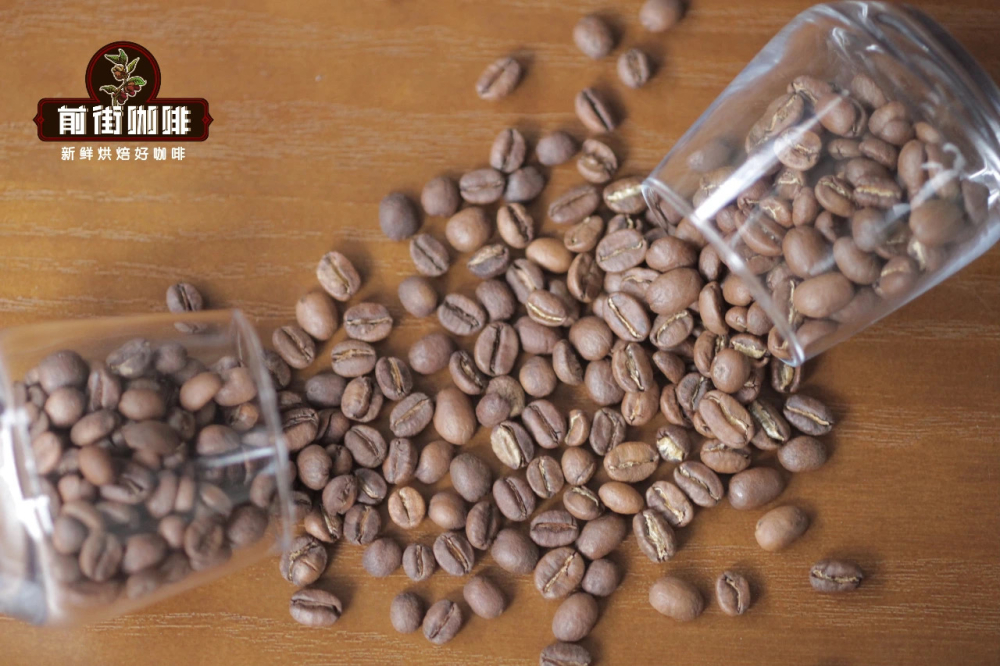
Washed Processing Enhances Yirgacheffe's Flavor Profile
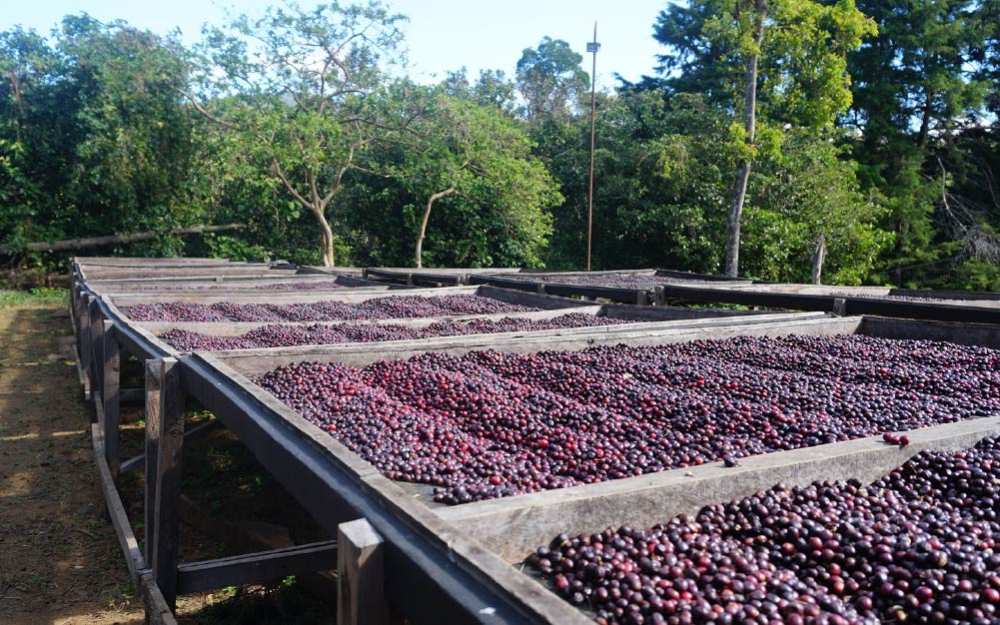
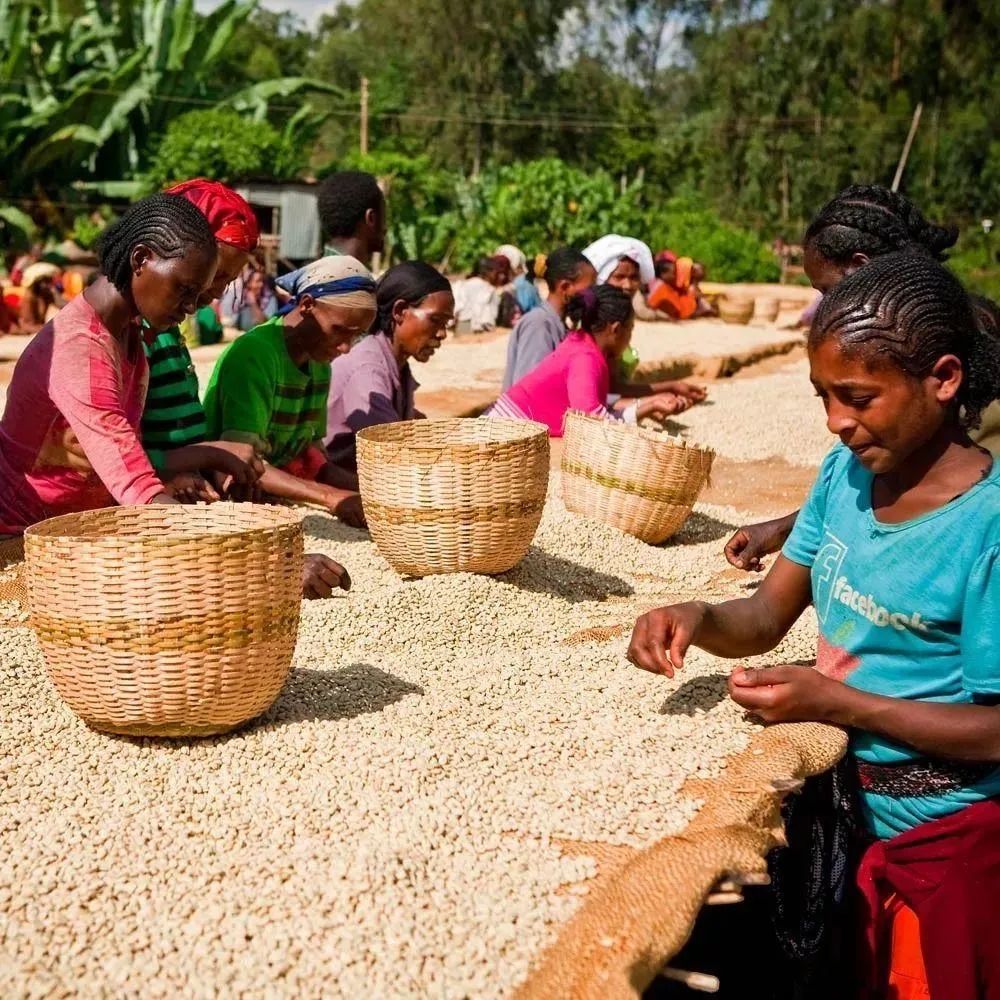
Ethiopia generally has high altitudes and abundant sunshine, making it well suited to drying coffee cherries naturally. Traditional natural processing was rather crude: each farmer could do it in their own small courtyard, spreading cherries directly on rooftops or the ground. These rough methods introduced many unpleasant flavors and produced inconsistent quality.
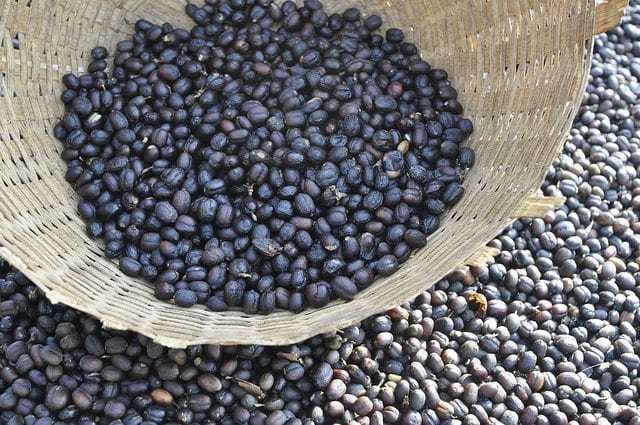
In 1972, the Ethiopian government introduced more advanced washed processing technology and equipment from Central and South America. Farms using the washed method must construct washing pools and have access to a continuous supply of fresh water, which raises production costs. During processing, the fermented beans are placed in the pool and moved back and forth, using the friction between beans and the power of flowing water to wash them until smooth and clean. Each step removes impurities and defective beans, producing more uniform green bean quality, and the beans ultimately command a higher price than natural-processed coffee.
Washed processing not only significantly reduces the defect rate but also gives Yirgacheffe its fresh citrus notes and elegant white floral aromas, with an overall flavor that is bright, delicate, and clean. Although washed coffee became popular, natural processing still accounts for the majority of Ethiopian production. Unlike the past, however, today's natural processing involves far more attention to manual selection and even drying. The Gedeb cooperative beans on FrontStreet Coffee's menu are Yirgacheffe processed by the classic washed method, while the Red Cherry beans are refined-natural processed, offering more pronounced fermentation notes and tropical fruit flavors.
Light-Medium Roasting Preserves More Floral and Fruit Notes in Yirgacheffe
In terms of roasting, FrontStreet Coffee believes Yirgacheffe should present acidity as its primary flavor direction, so a light-medium roast is used. The washed Gedeb cooperative beans are roasted light to preserve more bright acidity and white floral aromas, while the natural Red Cherry beans are roasted light-medium to present full berry sweetness and acidity. Before launching any coffee bean, FrontStreet Coffee runs at least one cupping session. Under identical standards, cupping lets us perceive the coffee's strengths and weaknesses more objectively.
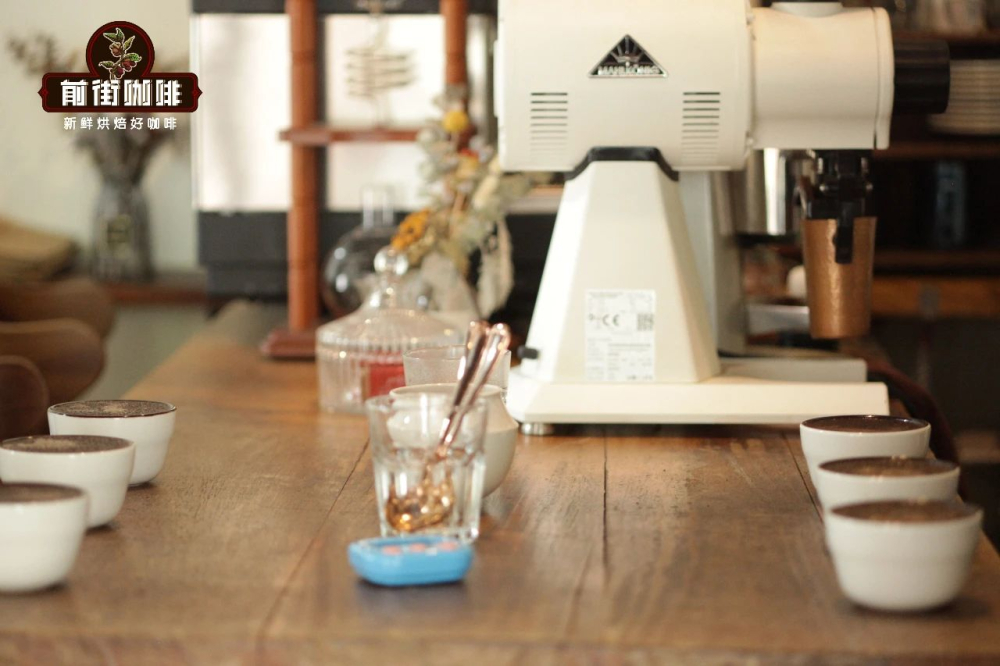
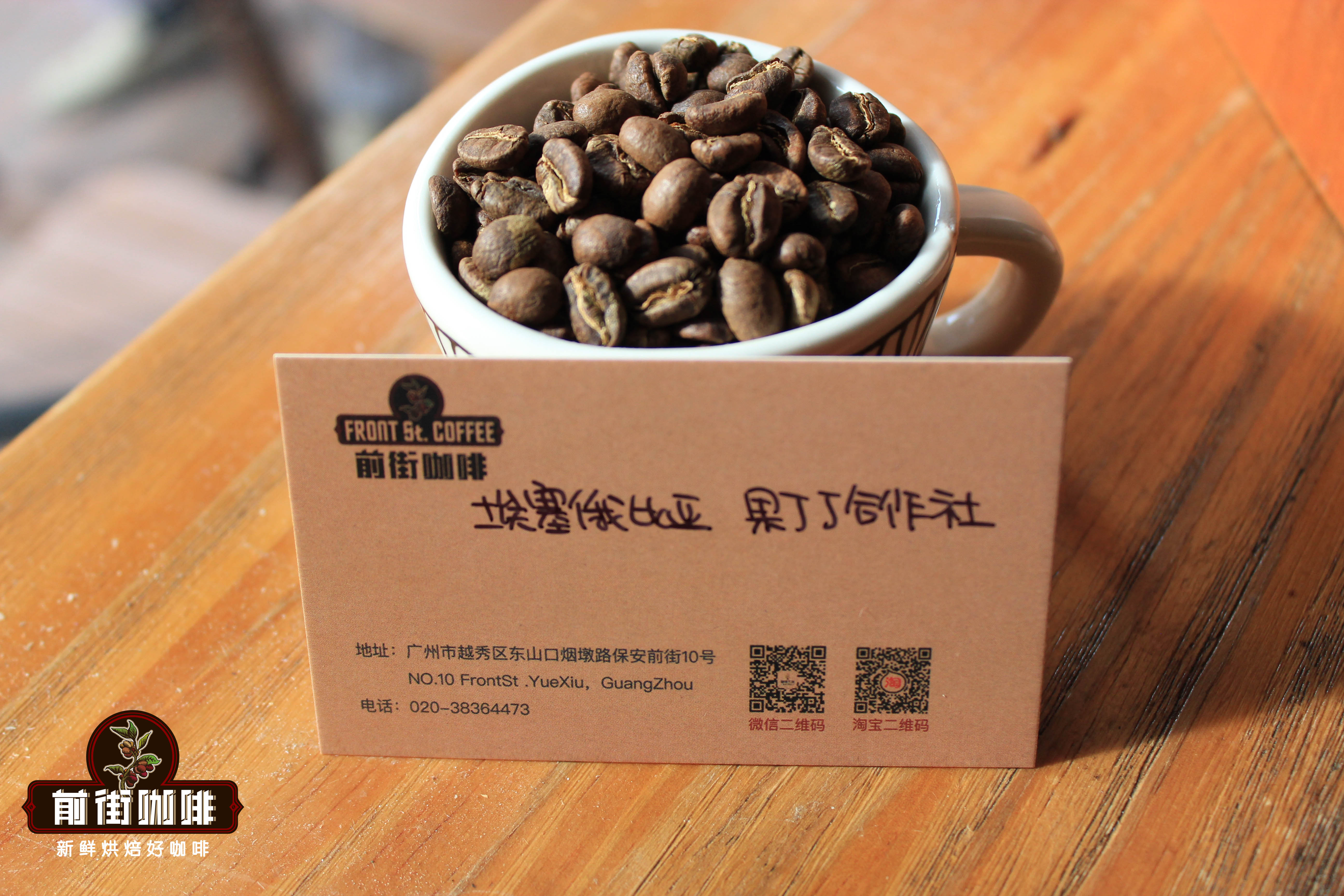
Washed Gedeb Cooperative Coffee Cupping Profile:
Dry aroma reveals fresh passion fruit, citrus, and berry fragrance; the wet aroma shows citrus and berries. Upon tasting: citrus acidity, berry sweetness, almond, and tea-like notes, with a honey-sweet aftertaste. Light body, bright acidity, clean and refreshing.
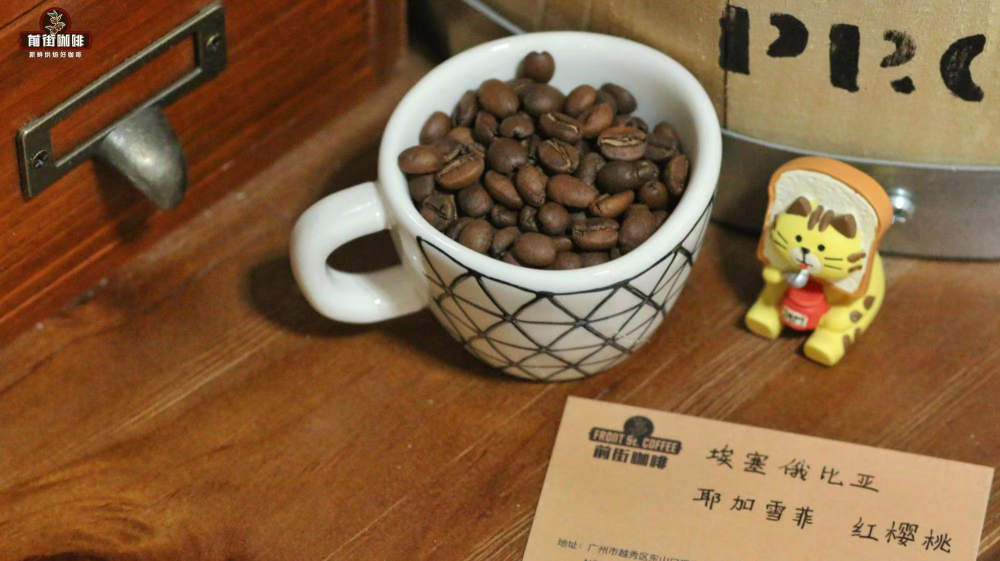
Natural Red Cherry Coffee Cupping Profile:
Dry aroma expresses full berry sweetness and acidity. Slurped at different temperatures, it offers soft berry sweetness and acidity, ripe-fruit fermentation notes, obvious honey sweetness, and a black tea finish, with a smooth mouthfeel.
FrontStreet Coffee's Brewing Recommendations
Some customers who have bought the beans ask for brewing advice. FrontStreet Coffee actually prints brewing parameters on the label of every package. Here, we'll walk through the extraction approach for Yirgacheffe based on our café's standards.
Since Yirgacheffe is lightly roasted, the beans have a hard texture and need high-temperature water at 92-93°C to unlock the floral and fruit notes. FrontStreet Coffee recommends a medium-fine grind (78% pass-through rate on the Chinese standard #20 sieve). Too coarse, and you won't extract the body-forming compounds, leaving thin coffee; too fine, and you risk over-extraction at high water temperatures, leading to bitter, astringent coffee.
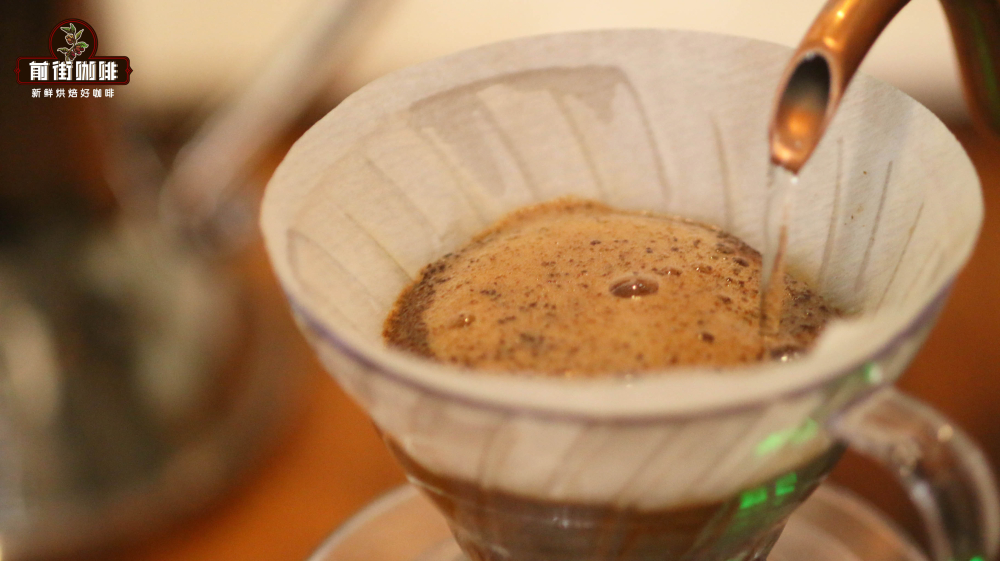
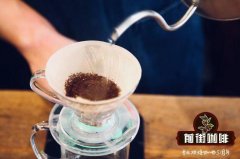
During cupping, FrontStreet Coffee noticed that this bean shows different flavors at different temperatures, so the brew uses three-stage extraction to let different flavor compounds express themselves as the coffee bed gradually heats up. To highlight the fresh, captivating aromas of washed Yirgacheffe, we use a V60 dripper: its spiral rib design lets the grounds degas better, maximizing the volatilization and dissolution of aromatic compounds.
For the ratio, FrontStreet Coffee finds both 1:15 and 1:16 acceptable. Use 1:15 for a richer mouthfeel, or 1:16 if you want to perceive the florals and sweetness more clearly by letting the flavors open up.
- Dripper: V60
- Water temperature: 92-93°C
- Dose: 15g
- Coffee-to-water ratio: 1:15
- Grind size: fine-sugar consistency (78% pass-through on a #20 sieve)
Three-stage pouring: wet the coffee bed with twice the dose in water, forming a dome, and bloom for 30 seconds. Then use a small water stream to pour in concentric circles from the inside out to 125g for the first stage. Wait until the coffee bed drops to half the height of the dripper, then continue with the same fine stream for the third stage to 225g. Remove the dripper once all the liquid has drained, with a total brew time of approximately 2 minutes.

For professional coffee knowledge exchange and more coffee bean information, please follow Coffee Workshop (WeChat official account: cafe_style).
For more specialty coffee beans, please add FrontStreet Coffee's private WeChat account: qjcoffeex
FrontStreet Coffee Recommendation: Washed Gedeb and Natural Red Cherry
To taste everything this article describes, pick up FrontStreet Coffee's two Yirgacheffe expressions. The washed Gedeb Cooperative beans—roasted light for bright acidity and white florals—cup with fresh passion fruit, citrus, and berries, a honey-sweet finish, and a clean, refreshing body. The natural Red Cherry beans are roasted light-medium for full berry sweetness, ripe-fruit fermentation notes, and a black tea finish. Brew either on a V60 at 92-93°C with 15g of coffee, a 1:15 ratio for richer body or 1:16 for clearer florals, and a fine-sugar grind; the three-stage pour of a 30-second bloom, then 125g and 225g, reveals a different character at every temperature.
Important Notice :
FrontStreet Coffee is a long-established specialty coffee roaster in Guangzhou China, selling freshly roasted beans from its own farm in Yunnan as well as dozens of carefully selected single-origin beans from around the world for both pour-over and espresso. The products deliver consistently excellent quality and great value, with shipping within 24 hours. Guangzhou's FrontStreet Coffee shop is recommended by many coffee lovers, and the beans are now available online at the Tmall 。
FrontStreet Coffee has moved to a new address:
FrontStreet Coffee Address: 315,Donghua East Road,GuangZhou
Tel:020 38364473
 Scan and follow the En Gafei WeChat official account. Please indicate that the reprint comes from "En Gafei".