Introduction to Mantening: How to Brew Delicious Hand-Poured Coffee - Tiger Mountain Mantening Coffee Flavor
Professional coffee knowledge exchange. For more coffee bean information, please follow Coffee Workshop (WeChat public account: cafe_style).
FrontStreet Coffee's Tiger Mandheling Brewing Guide
Indonesia is an archipelagic country whose main coffee-growing areas sit on Sumatra, Java, and Sulawesi. Northern Sumatra is relatively high in elevation. Lake Tawa lies in the Gayo mountainous area of Aceh Province in the north, the country's main Arabica producing region. The humid tropical rainforest climate brings abundant rainfall, and fertile volcanic soil supplies rich nutrients to the coffee trees. Coffee here is mostly grown by traditional shade methods without pesticides.
Indonesian Tiger Mandheling, produced at "Tiger Manor," is carefully selected through three rounds of hand sorting to reach the 19-screen AA grade. Its varieties include Catuai, Typica, and Sidikalong.
In flavor it has a clean lemon acidity with a sweet aftertaste, alongside distinct notes of cream, dark chocolate, caramel, and nuts. The medium-dark roast removes excessive acidity while strengthening its body and balance.
KONO Pour-over Method
Dripper: KONO dripper
Water Temperature: 88°C
Grind Size: Fuji grinder setting 4
Brewing Method: Water-to-coffee ratio 1:14, using 17 g of coffee grounds. First pour 25 g of water for a 30-second bloom, then pour to a total of 238 g. Extraction time is approximately 2:30.
Analysis
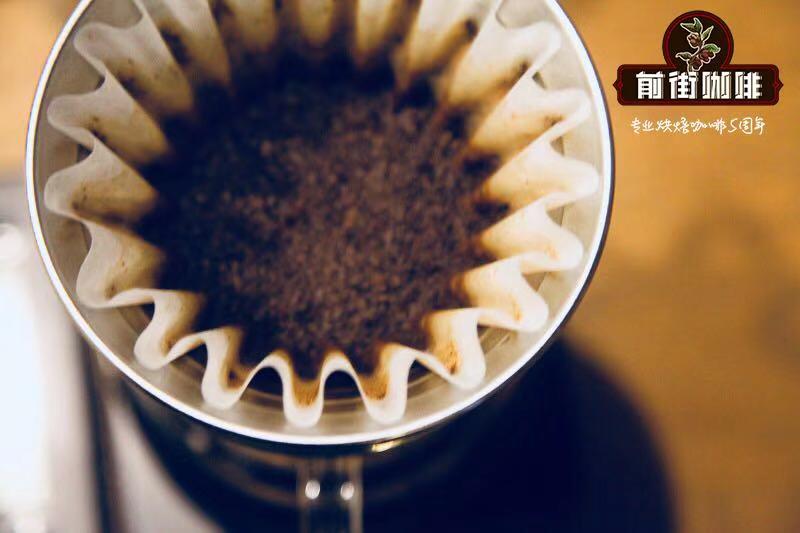
The KONO dripper has few ribs at the bottom, which lets the filter paper sit tightly against the dripper. That design restricts airflow, so water and grounds stay in contact and soak longer inside the brewer, guaranteeing enough extraction time and rate even for coarsely ground coffee. The grounds extract fully, which strengthens the rich body and concentrates the flavor.
Flavor Profile
Highly balanced and clean, with a rich, solid body. The finish is persistent with a dark chocolate note.
FrontStreet Coffee Recommendation
Since this guide uses the KONO dripper for a medium-dark Mandheling, the natural place to start is FrontStreet Lintong Mandheling, a daily bean from Sumatra's Lintong region near Lake Toba. Made by the local wet-hulled method and roasted medium-dark, it is low in acidity and full in body, with dark chocolate, caramel, and the wild herbal note that comes from growing environment and processing. It suits anyone who prefers a heavier, less acidic cup.
For the highest tier of the style, choose FrontStreet PWN Golden Mandheling. PWN, a company that focuses on buying high-quality Mandheling green beans, screens its lots with strict standards, including a defect rate of only around 2%, so the beans come out even, plump, large, and translucent. After a medium-dark roast the coffee carries a rich toasted aroma, and the brewed black coffee is clean with a full, lingering body and clear caramel sweetness, an easy favorite for those who dislike acidity.
If you want Mandheling in an espresso, reach for FrontStreet Classic Blend. It adds a medium-dark-roasted Mandheling to the creamy, nutty base of Brazilian coffee, so butter, roasted chestnut, and caramel dominate. Mandheling raises the body and contributes sandalwood, herbal, and spice notes, and a small amount of Robusta adds crema, making latte art and layered Dirty drinks simple to produce.
Important Notice :
FrontStreet Coffee is a long-established specialty coffee roaster in Guangzhou China, selling freshly roasted beans from its own farm in Yunnan as well as dozens of carefully selected single-origin beans from around the world for both pour-over and espresso. The products deliver consistently excellent quality and great value, with shipping within 24 hours. Guangzhou's FrontStreet Coffee shop is recommended by many coffee lovers, and the beans are now available online at the Tmall 。
FrontStreet Coffee has moved to a new address:
FrontStreet Coffee Address: 315,Donghua East Road,GuangZhou
Tel:020 38364473
 Scan and follow the En Gafei WeChat official account. Please indicate that the reprint comes from "En Gafei".