How to Distinguish Coffee Roast Levels? What are the Common Roast Levels and Their Respective Results
FrontStreet Coffee Shares Coffee Roast Levels
How can you distinguish coffee roast levels? The Specialty Coffee Association of America (SCAA) roasting standard uses infrared caramelization measurement (Agtron) to gauge the color of coffee beans and determine roast degree. The color range is divided into eight equal parts from light to dark, producing eight standard color blocks for the industry to use as roast identifiers.
Because taste preferences for roast degree differ from region to region, though, roast levels are also identified by country or area — French roast, city roast, medium roast and so on.
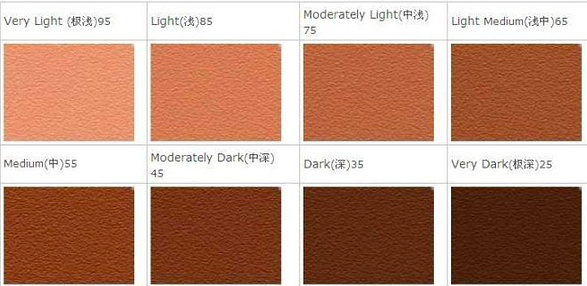
When these different preferred roast degrees are lined up from light to dark, they form the indicators used to distinguish roast levels. But because the standard is so broad, different roasters identify roast degrees differently.
What are the common roast levels, and what are the characteristics of the coffee produced by each?
From Light Roast to Dark Roast
Light Roast
Coffee beans roasted to near the first crack period. The taste and aroma are insufficient; generally used for testing and rarely for drinking.
Cinnamon Roast
Coffee beans roasted to about the middle of the first crack period. This is a roast degree often used for American coffee.
※This roast degree highlights acidity and is less popular with the general public. In terms of growing regions, Cuban coffee beans with less astringency, or Caribbean coffee beans of high maturity and high refinement from Haiti or the Dominican Republic, do better. It suits low-altitude beans with thin pulp and less water content, or beans that have been matured for more than two years under proper dryness.
Medium Roast
Coffee beans roasted to the end of the first crack period, often used for American coffee or blended coffee.
High Roast
Coffee beans roasted until wrinkles appear and the aroma changes. The taste is refreshing and rich, with balanced acidity and bitterness that isn't stimulating, and a slight sweetness. Both aroma and flavor are excellent.
※This roast degree suits Caribbean coffee beans with less water content, or Brazilian beans processed by the natural drying method. It coaxes the proper taste and aroma of coffee from the beans.
City Roast
Coffee beans roasted until the second crack period. The taste is bright and lively, with balanced acidity and bitterness in which the acidity is lighter, and it releases the high-quality flavors in the coffee. This is a standard roast degree that the general public accepts most readily.
Full-City Roast
Coffee roasted to the stage where the second crack is just ending. The taste is calm and full-bodied, with bitterness stronger than acidity, a sweet aftertaste and full aroma. Often used for iced coffee and black coffee.
※Balanced between bitterness and acidity, this is the roast degree that best showcases coffee's multi-layered flavors. It suits strongly characterful coffees such as Mandheling or Hawaii Kona.
French Roast
From dense second crack to the end of second crack, roasted until the beans are black with a little brown. The taste is strong and intense, with stronger bitterness and light, almost unnoticeable acidity, plus rich chocolate and smoky aroma. Often used for café au lait and Vienna coffee.
Italian Roast
From the end of second crack until the bean surface turns black and oily, roasted until the beans are completely black. The taste is strong and complex, with robust bitterness and a thick roasted, burnt aroma.
※The bitterness is obvious and the taste relatively simple. It suits high-altitude beans with thick pulp and strong acidity, such as Kenya, Colombia and Guatemala.
FrontStreet Coffee Recommendation
Once you're comfortable with roast levels, the sweet spot for most everyday drinkers is medium. If you dislike both sourness and bitterness, FrontStreet Coffee's Brazil Queen's Estate is a safe bet: a yellow Bourbon from the world's largest coffee producer, gentle and sweet, roasted medium to bring out cream, peanut, chocolate, toast and sugarcane aromas. It brews well as a pour-over and works just as happily in a moka pot or an espresso machine.
Want something sweeter? FrontStreet's Strawberry Candy Geisha blend is a fruit-forward medium roast that combines two famous Central and South American origins — a Costa Rican honey-process coffee and a washed Panamanian Geisha. Roasted medium to make the most of both, it shows orange-blossom honeyed notes and rounded sweetness, and takes well to cold brew, pour-over or espresso.
For a medium roast with a softer, more classic profile, FrontStreet's 2013 Yunnan Sun-Dried Typica carries the authentic Yunnan small-bean character: roasted medium, it brings nutty, brown-sugar, black-tea and dried-apricot notes with a gentle, balanced structure. And if you'd like a medium roast where acidity and bitterness meet in perfect harmony, FrontStreet's Jamaica Blue Mountain No.1 fuses those elements into a single elegant cup of chocolate, roasted nuts, cream and caramel — a level few other coffees reach.
Important Notice :
FrontStreet Coffee is a long-established specialty coffee roaster in Guangzhou China, selling freshly roasted beans from its own farm in Yunnan as well as dozens of carefully selected single-origin beans from around the world for both pour-over and espresso. The products deliver consistently excellent quality and great value, with shipping within 24 hours. Guangzhou's FrontStreet Coffee shop is recommended by many coffee lovers, and the beans are now available online at the Tmall 。
FrontStreet Coffee has moved to a new address:
FrontStreet Coffee Address: 315,Donghua East Road,GuangZhou
Tel:020 38364473
 Scan and follow the En Gafei WeChat official account. Please indicate that the reprint comes from "En Gafei".