What is Coffee Over-Extraction? How Does Over-Extracted Pour-Over Coffee Taste? How to Determine if Coffee is Over-Extracted
When making pour-over coffee, have you ever run into this: the cup turns obviously bitter and astringent, hard to swallow? That is a sign of over-extraction. In this article, FrontStreet Coffee explains what over-extraction is and what to do when your coffee comes out over-extracted.
What is Coffee Over-Extraction?
Over-extraction happens when coffee grounds stay in contact with water for too long and too many undesirable compounds are pulled out. When you taste it, your tongue clearly perceives a bitterness that lingers at the back of the tongue and masks the coffee's other flavors. There is an obvious, prolonged astringency that makes you resist the coffee. You also get a flatness — a "hollow sensation" — where after drinking you feel like you've had coffee, but no distinct flavors or tastes remain in your mouth.
Causes of Coffee Over-Extraction
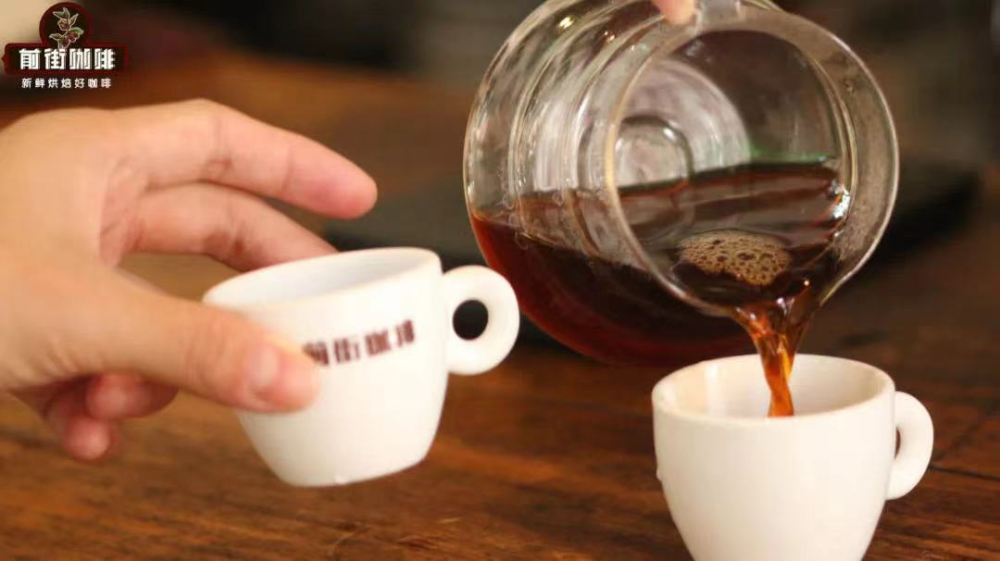
Based on FrontStreet Coffee's years of brewing experience, there are two main causes of over-extraction: brewing water that is too hot, and coffee grounds that are too fine.
One thing to note: the extraction rate of compounds varies among coffee beans at different roast levels.
From FrontStreet Coffee's roasting observations, beans with shorter roasting times and lighter roast degrees typically have lower density after roasting, which makes it harder for flavor compounds to release into the water.
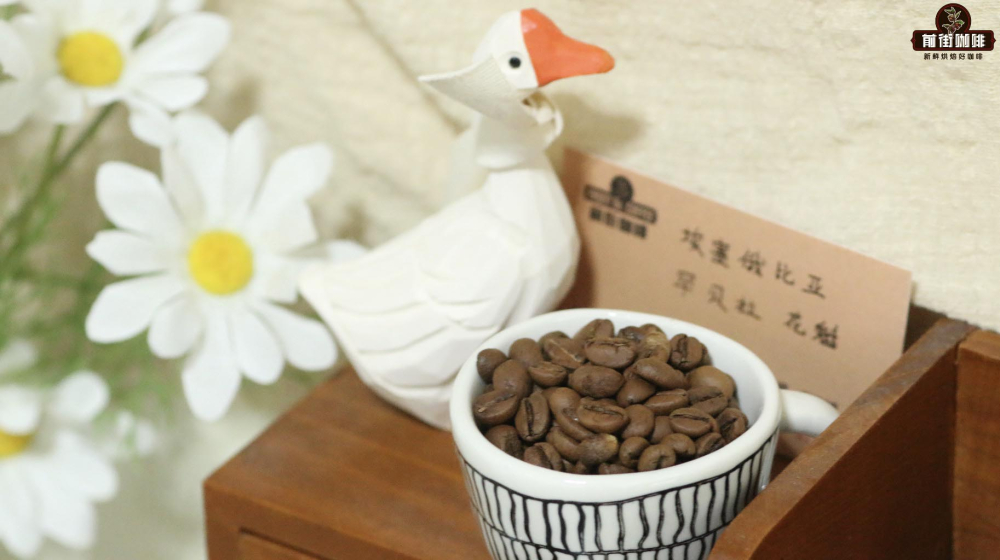
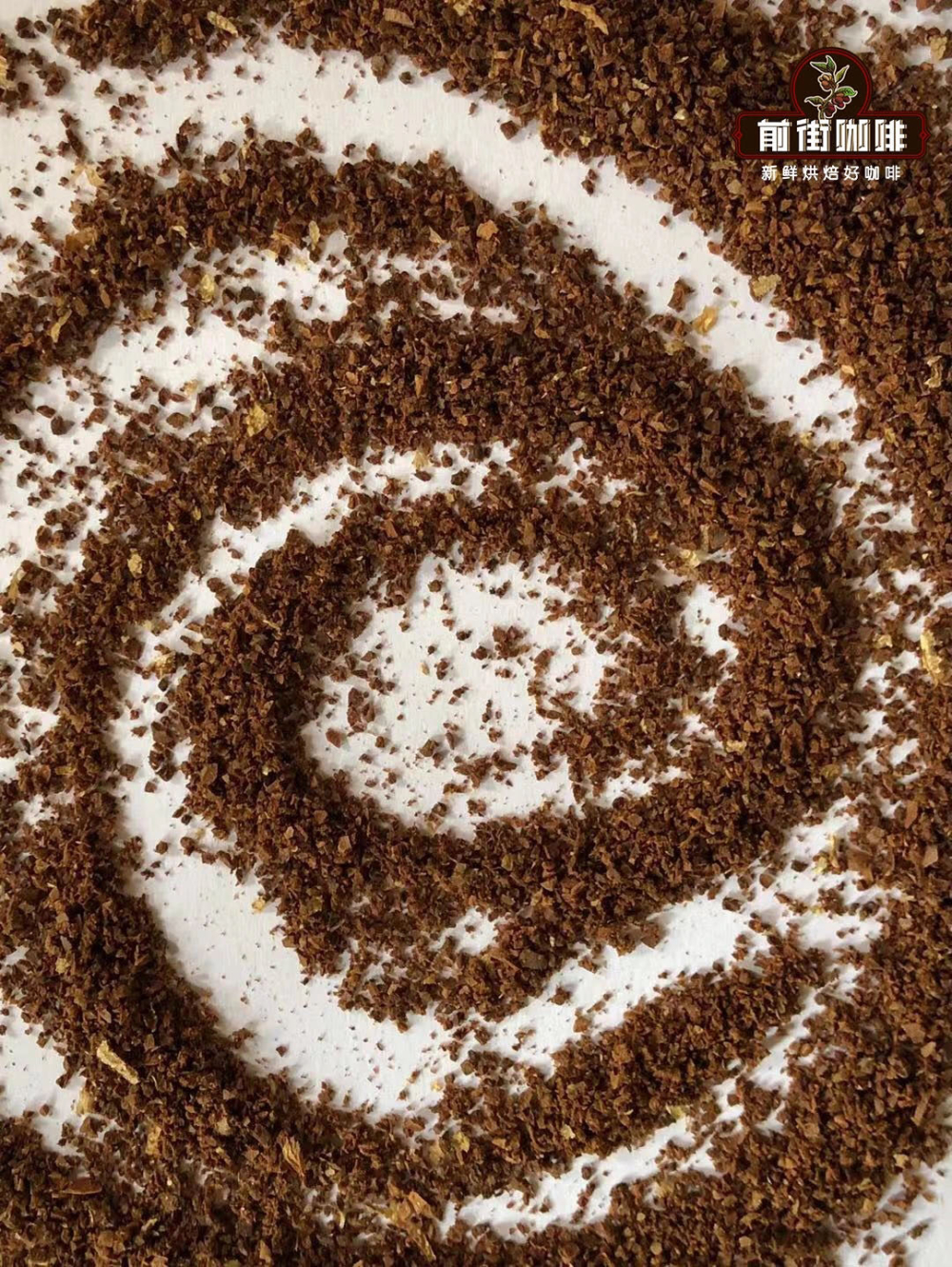
So when brewing light to medium roast beans, FrontStreet Coffee recommends a medium-fine grind (fine sugar size, 75-80% retention on China's #20 standard sieve) paired with 90-91°C water.
Medium-dark to dark roast beans, by contrast, have been roasted longer and have reached the second crack, so their structure is looser and compounds release into the water more easily.
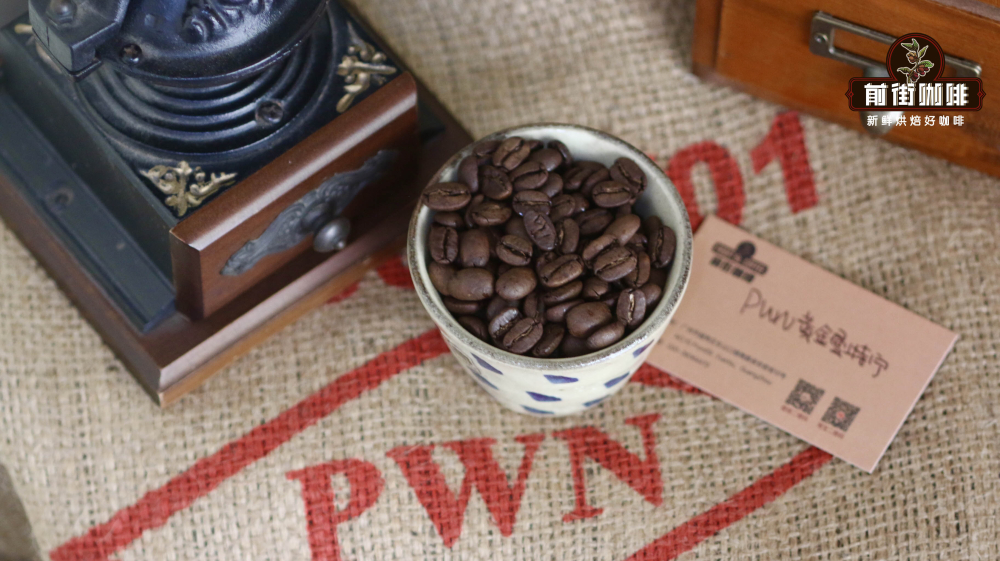
So when brewing dark roast beans, FrontStreet Coffee recommends a medium-coarse grind (coarse sugar size, 65-70% retention on China's #20 standard sieve) paired with 88-89°C water.

Pour-Over Coffee Ratio Recommendations
In FrontStreet Coffee's store preparations, regardless of the bean's roast level, we use 15g of coffee grounds at a 1:15 coffee-to-water ratio. The total time for water to pass through the grounds is roughly 2 minutes to 2 minutes and 10 seconds.
If that total extraction time runs more than 5 seconds over, there is a risk of over-extraction — which also tells you the grind is too fine. Adjust the grinder a little coarser for the next brew to increase the particle size.
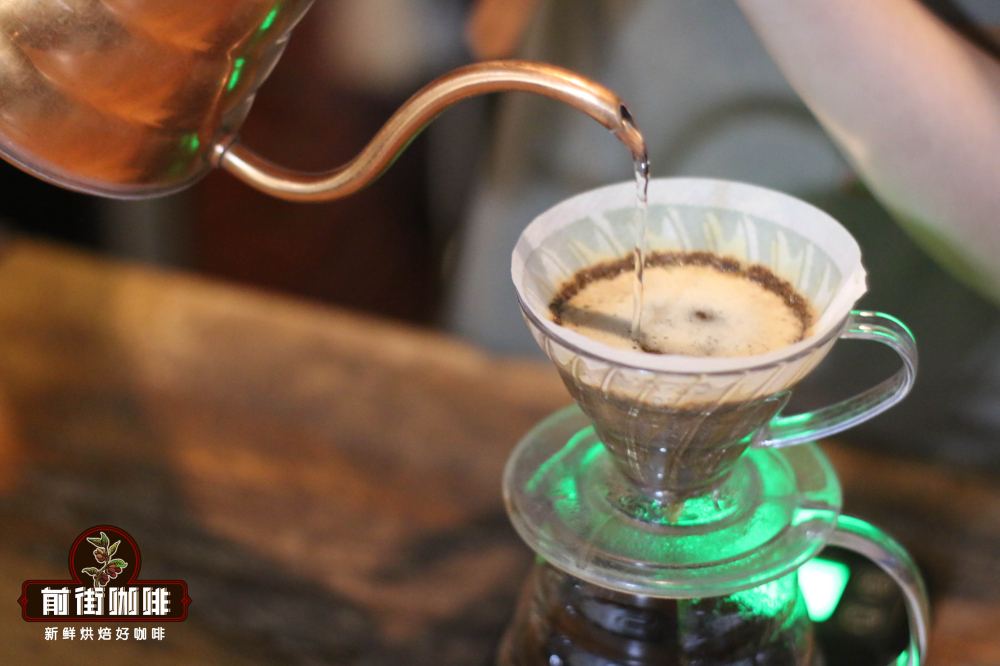
If the extraction time is normal at this ratio but the coffee still has an uncomfortable dry bitterness, then the water temperature is too high. Lower it by 1-2 degrees for the next brew. Alternatively, the beans may simply be too old and have lost their flavor.
To achieve a balanced taste and rich layers in a cup of pour-over, using freshly roasted beans is very important. FrontStreet Coffee currently ships all coffee beans within 5 days of roasting, ensuring that the beans you receive are 100% freshly roasted.
The flavor window for coffee beans is 5-30 days from the roast date. When storing them, remember to seal the bag and keep it in a cool, dry place.
FrontStreet Coffee Recommendation
The quickest way to avoid over-extraction is to pair a sensible grind and water temperature with a bean that thrives as pour-over. The V60 is a great place to start: its conical shape and 60° angle force the water to flow toward the center before dripping through, lengthening contact with the grounds so aromatics and flavor extract fully. FrontStreet's resin Hario V60 is the version we reach for most, because resin blocks heat loss and holds the tightest tolerances in mass production.
For a bean that shines in a V60, try FrontStreet's Gudgudina Cooperative coffee, a washed Ethiopian from the Woka area at the southeastern edge of Yirgacheffe. Its jasmine florals and bright citrus and lemon acidity come through clean and delicate, with none of the old bitter edge, so it stays fresh and transparent at 90-91°C with a medium-fine grind.
If you want more fruit, FrontStreet Huakui from Hambella leads with strawberry, passion fruit, and jackfruit aromas, crisp sweetness, and very low bitterness — the kind of pour-over many drinkers describe as "the coffee that doesn't taste like coffee." And for a floral, more refined cup, FrontStreet's Strawberry Candy blend of washed Panama Geisha and honey-processed Costa Rica brings caramel, raisin, and rose, and works for pour-over, moka pot, espresso machine, or cold brew.
Important Notice :
FrontStreet Coffee is a long-established specialty coffee roaster in Guangzhou China, selling freshly roasted beans from its own farm in Yunnan as well as dozens of carefully selected single-origin beans from around the world for both pour-over and espresso. The products deliver consistently excellent quality and great value, with shipping within 24 hours. Guangzhou's FrontStreet Coffee shop is recommended by many coffee lovers, and the beans are now available online at the Tmall 。
FrontStreet Coffee has moved to a new address:
FrontStreet Coffee Address: 315,Donghua East Road,GuangZhou
Tel:020 38364473
 Scan and follow the En Gafei WeChat official account. Please indicate that the reprint comes from "En Gafei".