What Are the Characteristics of El Salvador Sun-Dried Coffee - A Brief Introduction to El Salvador Coffee Flavor Profile
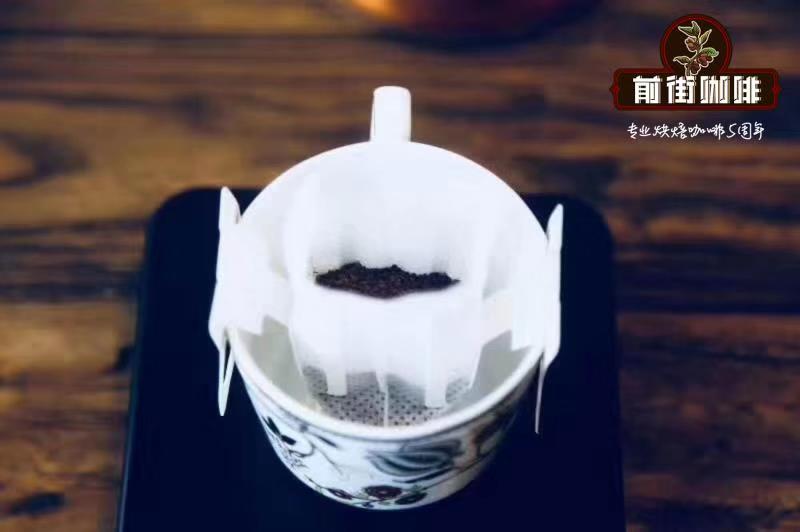
FrontStreet Coffee El Salvador Natural Pacamara Introduction
The fate of El Salvador's coffee industry has long been intertwined with the country's national destiny. Before coffee was widely cultivated, El Salvador's export economy leaned mainly on indigo dye. The invention of chemical dyes in the mid-19th century pushed the country toward coffee. It is said that President General Gerardo Barrios was the first person to grow coffee within the country's borders. In the mid-19th century, the government introduced measures such as tax reductions, export-tax exemptions and military-service exemptions for coffee farmers to encourage the industry. By the 1880s, El Salvador's coffee production had peaked, once ranking fourth in the world and accounting for half of the country's GDP, a status that truly earned it the name "Coffee Republic."
Coffee is El Salvador's most important export. The volcanic regions at altitudes of 900-1,500 meters provide exceptional conditions for growing it.
Large-scale plantations improved production efficiency, and their varieties and quality maintained an excellent reputation on the international market. Coffee is not only El Salvador's leading export crop and source of income, but coffee revenue also contributed significantly to the country's highways, seaports, churches and government buildings, while spurring the growth of cotton and light industry.
The civil war cut El Salvador's coffee production off from international markets, but unexpectedly spared it from switching to the newly bred high-yield varieties that other producing countries adopted. As a result, many distinctive native varieties were preserved, among them Bourbon, Pacas and Pacamara. These superior varieties offer balanced flavors and smooth acidity, some carrying the fresh aroma of citrus or the rich body of cocoa. They are favored by coffee connoisseurs and command prices several times higher than ordinary coffee, which has secured El Salvador a place in the premium market.
The harvest season runs from November to March each year. Because the coffee is grown on mountainsides, all of it is hand-picked. The varieties are characterized by native Bourbon types.
El Salvador enjoys unique natural conditions for specialty coffee. First, the volcanic soil drains exceptionally well and is rich in minerals. Second, the estates have a long history of cultivation and maintain the tradition of grading by altitude. The corresponding risk is that specialty coffee yields are lower than ordinary coffee, and its resistance to pests and disease is weaker than that of commercial varieties, requiring seedling renewal every 10-12 years. Growing coffee on steep high-mountain slopes calls for manual maintenance and harvesting, which raises costs further.
El Salvador Natural Pacamara
Estate: La Traviata Estate
Grade: SHG Premium Pacamara
Altitude: 1,800 meters
Processing Method: Natural
Flavor Description:
A very clean natural processed coffee, with a rich natural coffee flavor, refreshing sweet-and-sour peach juice and grape juice notes, plus delicate floral aromas. Its excellent balance gives this coffee a flavor all its own. We look forward to experiencing the rich character of this natural coffee with you.
FrontStreet Coffee Recommendation
If the bright, sun-dried fruit character of this Pacamara appeals to you, FrontStreet Coffee's naturally processed lots explore the same method across several origins. Its Huakui, for instance, is a natural Ethiopian coffee from Sidamo, built on the ripe cherry left intact through drying; roasted medium-light, it delivers a delicate fermented fragrance, florals, citrus and mango, with honey sweetness, a cocoa edge and a hint of spice over a full body and a lasting finish.
Along the same lines, FrontStreet Coffee's naturally processed Yirgacheffe Red Cherry selects only fully ripe, deep-red cherries and dries them on raised beds, turning them regularly, then roasts medium-light. The cup keeps an elegant floral and bright acidity while adding pronounced tropical fruit, a full fermented character and sweetness. For a different expression, FrontStreet Coffee's 2013 Yunnan natural typica and its Brazil Queen Estate use the same sun-dried approach, with the Brazil lot showing fresh sugarcane sweetness, black tea and nut notes over a balanced, gentle acidity.
Important Notice :
FrontStreet Coffee is a long-established specialty coffee roaster in Guangzhou China, selling freshly roasted beans from its own farm in Yunnan as well as dozens of carefully selected single-origin beans from around the world for both pour-over and espresso. The products deliver consistently excellent quality and great value, with shipping within 24 hours. Guangzhou's FrontStreet Coffee shop is recommended by many coffee lovers, and the beans are now available online at the Tmall 。
FrontStreet Coffee has moved to a new address:
FrontStreet Coffee Address: 315,Donghua East Road,GuangZhou
Tel:020 38364473
 Scan and follow the En Gafei WeChat official account. Please indicate that the reprint comes from "En Gafei".