Characteristics of Sun-Dried Yirgacheffe Coffee and Flavor Description
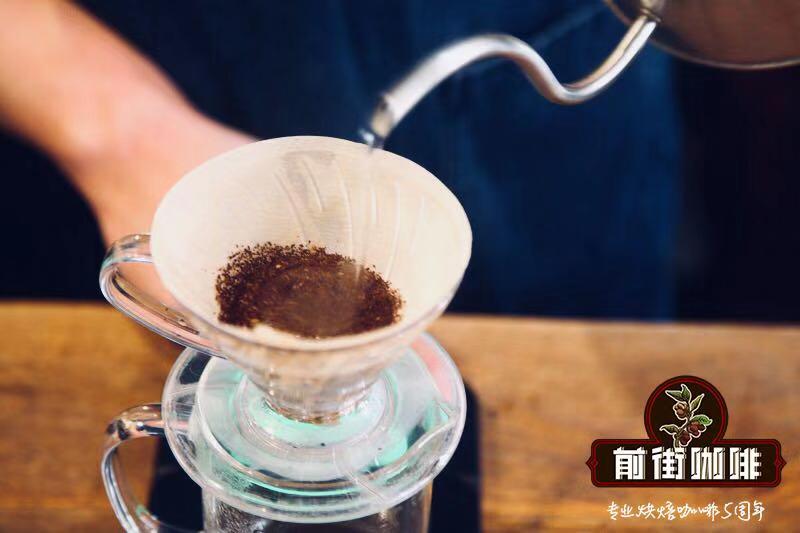
What makes a natural (sun-dried) Yirgacheffe different from its washed sibling? FrontStreet Coffee explains the character, the processing, and the flavors.
Introduction to FrontStreet Coffee's Sun-Dried Yirgacheffe
"Yirgacheffe" is a place name, but whether in translation or in Ethiopian pronunciation, the name carries a natural, girlish sweetness that sets it apart from other serious, weighty coffee regions.
Yirgacheffe is a small town in Ethiopia at 1,700-2,100 meters, a wetland since ancient times. In the old language, "Yirga" means "to settle down" and "Cheffe" means "wetland" — so Yirgacheffe originally means "let us settle down and make a living in this wetland."
On the map, Yirgacheffe is just a sub-region nestled among mountains and water, yet it has the highest altitude in Ethiopia's Sidamo province. Because its production methods and flavors are so outstanding, its unique style has made it the most prestigious coffee region in Africa.
The mountain villages of Yirgacheffe are shrouded in mist through all four seasons, with gentle breezes — cool but not hot, rainy but not humid. The original Yirgacheffe coffee trees were planted in the mountains by European monks; today they are mostly grown in farmers' own backyards or intercropped with other crops in farmland. Each household's yield is small, making this classic garden (pastoral) coffee. Yirgacheffe mostly uses washed processing to preserve its fresh, clean taste, but a small share of specialty lots is intentionally sun-dried to heighten the charming fruity aroma and body.
As one of the most distinctively flavored coffees in the world today, a cup of Yirgacheffe should bring strong citrus, lemongrass, jasmine, pomelo blossom, and gardenia aromas, with acidity that is rich yet soft and pleasant. Sun-dried Yirgacheffe is stronger and bolder, with fuller body and a more intense sweet-sour play of fresh fruit. No wonder people say that only those who have tasted top-grade sun-dried Yirgacheffe will believe that coffee is a fruit.
Sun-dried processing begins by picking fully ripe cherries and immediately laying them on drying beds, letting the sweetness of the pulp seep into the beans. The natural method is particularly suited to water-scarce or very dry environments. To avoid over-fermentation or mold, the fruit must be turned frequently on the beds for air circulation and even drying. Once dried, the cherries go to the dry mill to have the hardened pulp removed. The process is genuinely complex and prone to failure, but a well-executed natural brings stronger sweetness, fuller body, and more delicate acidity.
Brewed in a siphon at a 1:12 coffee-to-water ratio, exquisite sun-dried Yirgacheffe reveals distinct floral and fruit aromas — rich, bright citrus acidity accompanied by a caramel aftertaste and chocolatey richness. The flavor is intense and ever-changing.
FrontStreet Coffee Recommendation
Want to explore Ethiopia's naturals further? FrontStreet Coffee's Huakui (Flower Queen) coffee comes from the Hambella region of Guji in Sidamo, from a farm spanning 200 hectares that uses traditional natural processing. To keep the cherries from molding or picking up earthy odors while drying, workers spread the ripe fruit on raised beds for 21 days of sun exposure, turning the cherries constantly for even drying and hand-sorting out moldy or defective beans every three to five days before the dried husks are milled off and the green beans pass a final hand selection. Because the fruit dries whole, a medium-light roast reveals a faint fermented wine note, florals, citrus, and mango — much richer and more complex, with honey sweetness, cocoa, a touch of spice, thick body, and a long finish.
For a washed counterpoint, the FrontStreet Coffee Idido (Guodingding) Cooperative lot shows what careful washing does: clean, bright citrus and lemon acidity with jasmine fragrance and no harsh bitterness. And if you're brewing either at home, FrontStreet Coffee suggests a V60 with 90-91°C water, 15g of coffee at 1:15, ground to an EK43s setting of 10 (fine granulated sugar, 80% through a #20 sieve): bloom with 30g of water for 30 seconds, pour to 95g (scale reading about 125g) by the 1-minute mark, then add the final 100g (scale reading about 225g) when the bed drains to two-thirds, finishing around 1:35, with drawdown complete at 2:00-2:10.
Important Notice :
FrontStreet Coffee is a long-established specialty coffee roaster in Guangzhou China, selling freshly roasted beans from its own farm in Yunnan as well as dozens of carefully selected single-origin beans from around the world for both pour-over and espresso. The products deliver consistently excellent quality and great value, with shipping within 24 hours. Guangzhou's FrontStreet Coffee shop is recommended by many coffee lovers, and the beans are now available online at the Tmall 。
FrontStreet Coffee has moved to a new address:
FrontStreet Coffee Address: 315,Donghua East Road,GuangZhou
Tel:020 38364473
 Scan and follow the En Gafei WeChat official account. Please indicate that the reprint comes from "En Gafei".