COE Coffee - What Does COE Mean, What is the Cup of Excellence Competition, COE Coffee Evaluation Guide
When the world's finest coffee beans come up in conversation, aside from Panama's Geisha, the beans that get mentioned most are undoubtedly those from the COE coffee ranking list. The existence of COE coffee lets more people quickly learn about a producing region. Every year, the top-ranking coffee beans on the COE list become the auction champions of that year's COE competition, with auction prices potentially climbing year after year.
What is the Cup of Excellence?
Anyone who has come across specialty coffee has more or less heard of the COE competition. COE stands for Cup of Excellence. The COE Cup of Excellence competition is the world's most important specialty green bean competition and is currently the most renowned and authoritative specialty green bean competition worldwide.

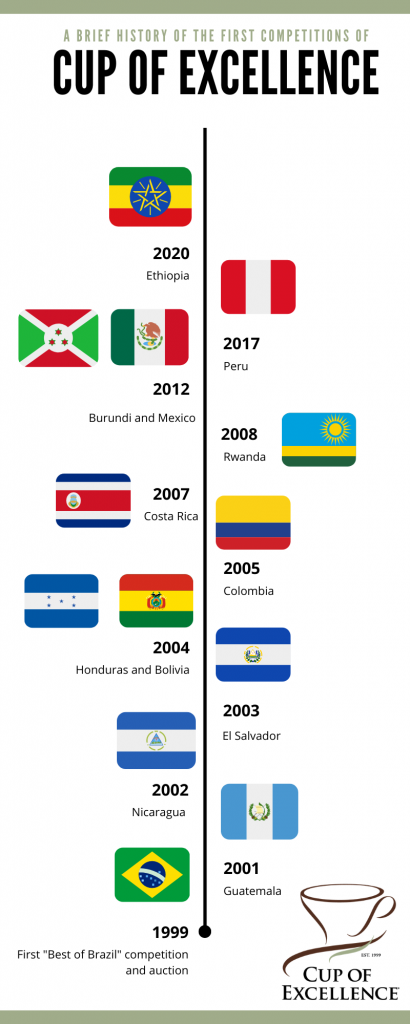
First held in Brazil in 1999 by the Alliance for Coffee Excellence (ACE), the Cup of Excellence has grown over the past twenty years to include more than ten participating countries. Each year the COE competitions held in various countries bring coffee lovers worldwide the finest beans from that year's harvest in each producing country. As COE judges, professional cuppers from around the world carry out cupping evaluations for every coffee entered, ultimately selecting the top 30 entries scoring above 87 points for global auction. The auction proceeds are returned to the coffee growers, providing an incentive for the development of coffee quality in each producing country.
Indonesian Coffee's COE Debut
Interestingly, while Indonesian coffee, a good coffee from the old era, may not hold much attraction in many people's eyes, Indonesia held its first COE competition in 2021. Those who have visited FrontStreet Coffee's stores to taste the Indonesian coffee on FrontStreet Coffee's bean menu may have noticed that Indonesian coffee typically shows herbal, spicy, full-bodied, nutty, and cocoa-like characteristics. Yet in Indonesia's first COE competition, the top-winning beans showed more fruity characteristics, quite different from the Indonesian coffee we usually encounter, while still bringing delightful surprises to connoisseurs.
COE Quality Standards
The quality of COE competition-winning beans is evident to all, thanks to the competition's strict judging standards. Coffee scoring 69 points or below is considered inferior commercial or industrial grade; coffee scoring between 70-74 points is general commercial grade; coffee scoring between 75-79 points is premium commercial grade; coffee scoring between 80-84 points is specialty coffee; and coffee scoring 85 points or above is COE competition level, currently recognized as the highest standard in the international coffee community.
FrontStreet Coffee's Cupping Standards
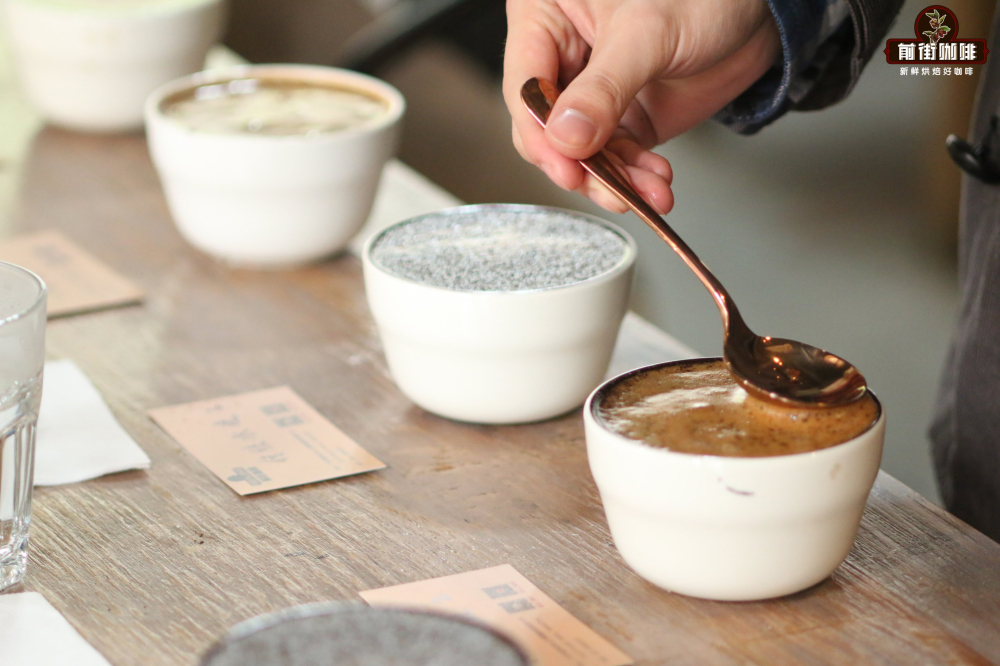
FrontStreet Coffee also references COE cupping criteria when cupping coffee beans to decide whether to add them to the menu. FrontStreet Coffee conducts cupping within 8 to 24 hours after the sample beans are roasted. FrontStreet uses 200ml cupping bowls with 11 grams of coffee, grinding controlled to a 70-75% pass-through rate on a Chinese standard #20 sieve, water at 94°C, and a steeping time of 4 minutes.
Ethiopia's Entry into COE
Ethiopia, recognized as the birthplace of coffee and originally a member of the TOH competition, joined the Cup of Excellence family in 2020, hosting the country's first-ever COE competition. FrontStreet Coffee naturally took part in this COE coffee bean auction and successfully bid on the 22nd-place bean.
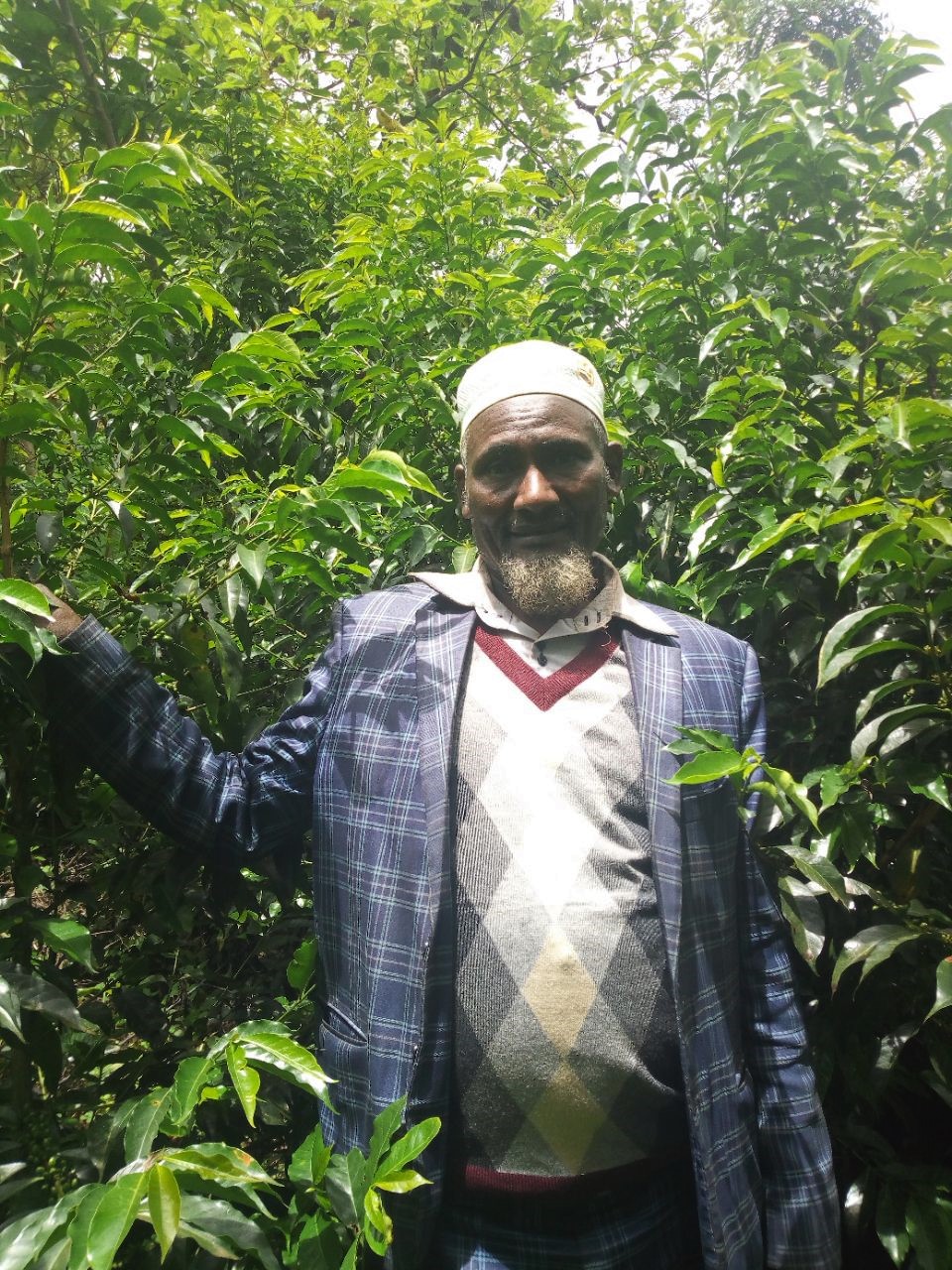
This coffee bean is a natural-processed Typica from the Sidamo West Arsi region, grown by Adem Banta Sute, with a cupping score of 87.64. The grower was then in his sixties, having grown coffee his whole life and being the father of 28 children. His family lives in Refisa village, Nensebo district, West Arsi, Oromia region. Adem Banta Sute cultivated and produced 4,500 kg of coffee beans on his modest 6 hectares of land. Before winning the first Ethiopian COE competition, he had never accessed the export market or had the chance to engage with it, selling the coffee from his land to local merchants. With the momentum of the 2020 Ethiopian COE competition, he seized the opportunity to enter the global market, bringing great hope to himself and his family. The opportunity also allowed more coffee lovers to discover the beans he grows.
Coffee Bean Details
Next, let's look at the basic information about this coffee bean with FrontStreet Coffee:
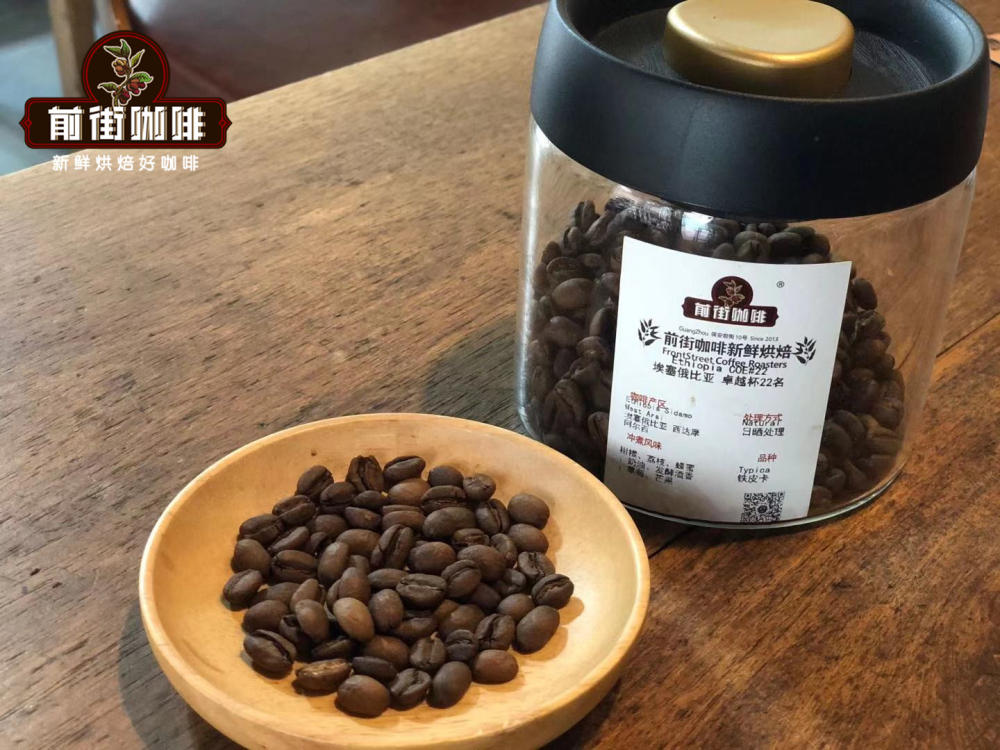
FrontStreet Coffee Ethiopia COE22
Region: West Arsi
Grower: Adem Banta Sute
Altitude: 2000 meters
Variety: Typica
Processing: Natural process
The beans that FrontStreet Coffee successfully bid on at Ethiopia's first COE auction were processed using the natural method. After harvesting and sorting the cherries, grower Adem Banta Sute evenly placed whole cherries with their pulp and skin intact on raised beds for sun-drying. Until the moisture content dropped to 25%, they required even manual turning every half hour to an hour, which prevented unpleasant over-fermentation flavors. This labor-intensive drying method, which keeps the cherries off the ground, prevents earthy and other off-flavors during drying and produces exceptionally clean, intense fruit flavors. After more than two weeks of sun-drying, the shriveled, dark brown cherries were stored for flavor maturation. Before shipment the green beans were extracted, and their sweetness can be imagined as rich and full-bodied. This bean ranked 22nd in the 2020 Ethiopian COE, so FrontStreet Coffee's menu simply marks it as "COE22".
Brewing and Tasting
FrontStreet Coffee's roaster used a medium-light roast level for this natural-processed Typica to preserve its rich fruit acidity and juice-like mouthfeel. FrontStreet Coffee's barista uses a Hario V60 dripper, water at 91°C, and a medium-fine grind size when brewing this bean.
Dripper: Hario V60
Water temperature: 91°C
Coffee dose: 15g
Coffee-to-water ratio: 1:15
Grind size: 80% pass-through rate on Chinese standard #20 sieve
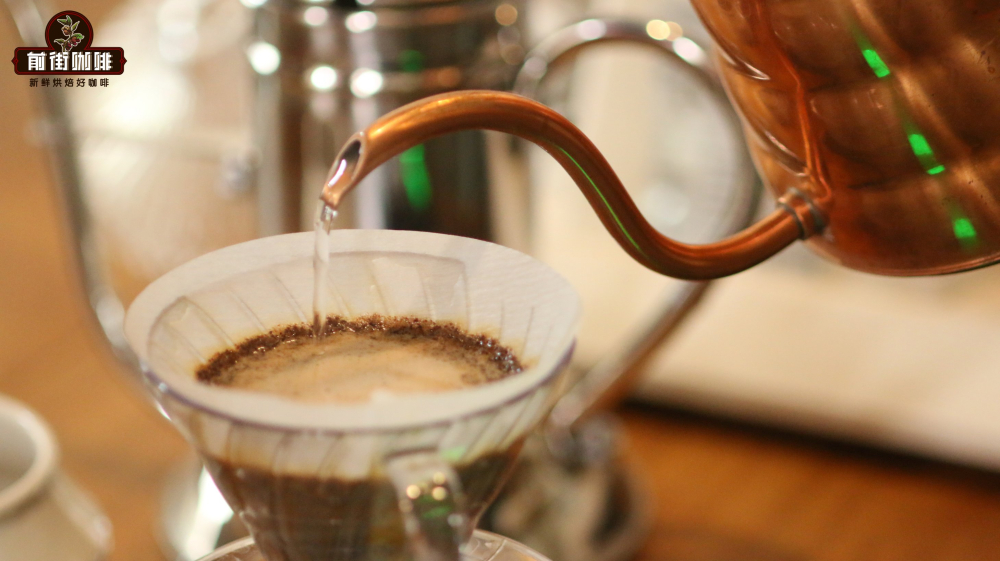
Regular readers of FrontStreet Coffee's articles will know that FrontStreet Coffee typically uses a three-pour method, since it gives the coffee richer complexity.
First, pour 30g of hot water for a 30-second bloom, then inject with a small stream from the center and slowly circle out to 125g for the segment. Wait until the water level in the dripper drops to just above the coffee bed, then continue circular pouring to 225g. Once the water has completely dripped into the server below, remove the dripper. Total extraction time is approximately 2 minutes.
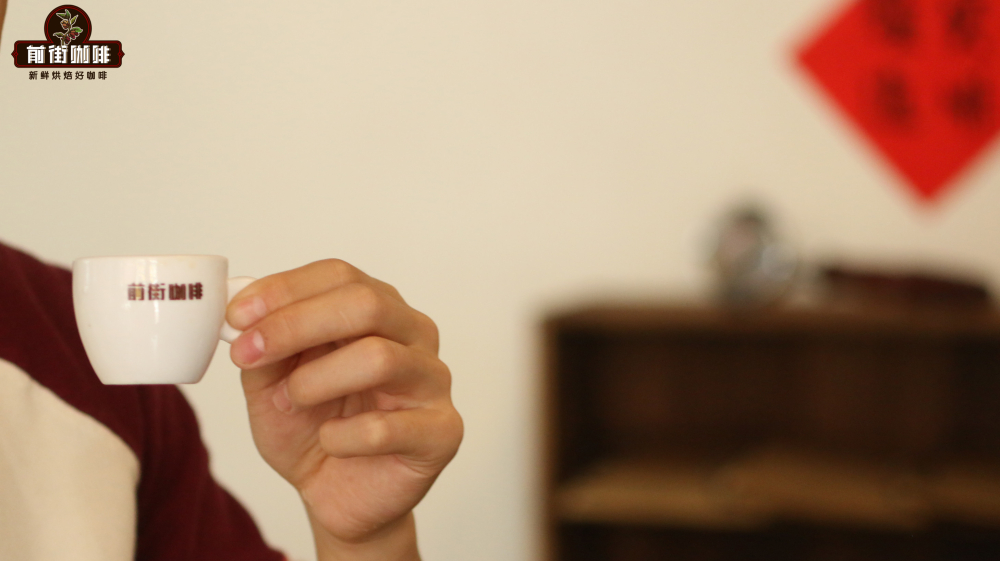
After brewing, FrontStreet Coffee's COE22 shows lychee and strawberry-like sweetness and acidity, with a hint of fermented wine aroma, a silky cream-like mouthfeel, and a honey-like sweet aftertaste.
For more coffee bean information, follow the Coffee Workshop column.
For professional coffee knowledge exchange, explore the full FrontStreet Coffee range.
FrontStreet Coffee Recommendation
The beans that rise to the top of a COE table and the beans that built Geisha's reputation share one thing: they are grown at altitude, sorted by hand, and handled with the kind of care that a competition rewards. FrontStreet Coffee's Geisha selection covers that same ground. The FrontStreet Emerald Red Label Geisha, properly known as Esmeralda Special, grows at 1600-1800 meters, cups above 90 points, and comes from a single plot such as Jaramillo, so each lot carries its own number and a subtly different flavor.
The FrontStreet Emerald Green Label Geisha, or Private Collection, blends lots from several plots to capture the estate's signature high-altitude character at a friendlier price. For a more accessible introduction, the FrontStreet Boquete Geisha shows the classic Panamanian profile of orange-blossom honeyed notes, oolong tea body, and delicate fruit acidity. All of them are roasted medium-light so the floral and fruit layers stay intact.
Important Notice :
FrontStreet Coffee is a long-established specialty coffee roaster in Guangzhou China, selling freshly roasted beans from its own farm in Yunnan as well as dozens of carefully selected single-origin beans from around the world for both pour-over and espresso. The products deliver consistently excellent quality and great value, with shipping within 24 hours. Guangzhou's FrontStreet Coffee shop is recommended by many coffee lovers, and the beans are now available online at the Tmall 。
FrontStreet Coffee has moved to a new address:
FrontStreet Coffee Address: 315,Donghua East Road,GuangZhou
Tel:020 38364473
 Scan and follow the En Gafei WeChat official account. Please indicate that the reprint comes from "En Gafei".