The Correct Way to Drink American Black Coffee: Can You Add Milk? What's the Difference Between American Coffee Beans and Espresso Flavor Profiles
What is the Proper Way to Drink Americano Coffee?

FrontStreet Coffee's baristas are occasionally asked tricky questions like this by customers, and each time the answer is the same: drink it with attention, and if it tastes good to you, that's what matters. Of course, what people are really asking is whether there's a set of standard rules for drinking coffee - but we believe you shouldn't be boxed in by superficial forms. Chasing ritual for its own sake yields diminishing returns, so drinking coffee at FrontStreet Coffee stays a casual affair. Questions like this usually come down to unfamiliarity with coffee, so let's take the opportunity to talk about the Americano.
The Origin of Americano Coffee
The Americano rose during World War II. American soldiers stationed in Italy didn't care for the strong espresso the Italians loved, so to approximate the drip coffee they drank back home, they added hot water to the iconic Italian espresso. Because this way of drinking was unheard of in Europe at the time - and traditionalists looked down on it - the drink was christened the "Americano."
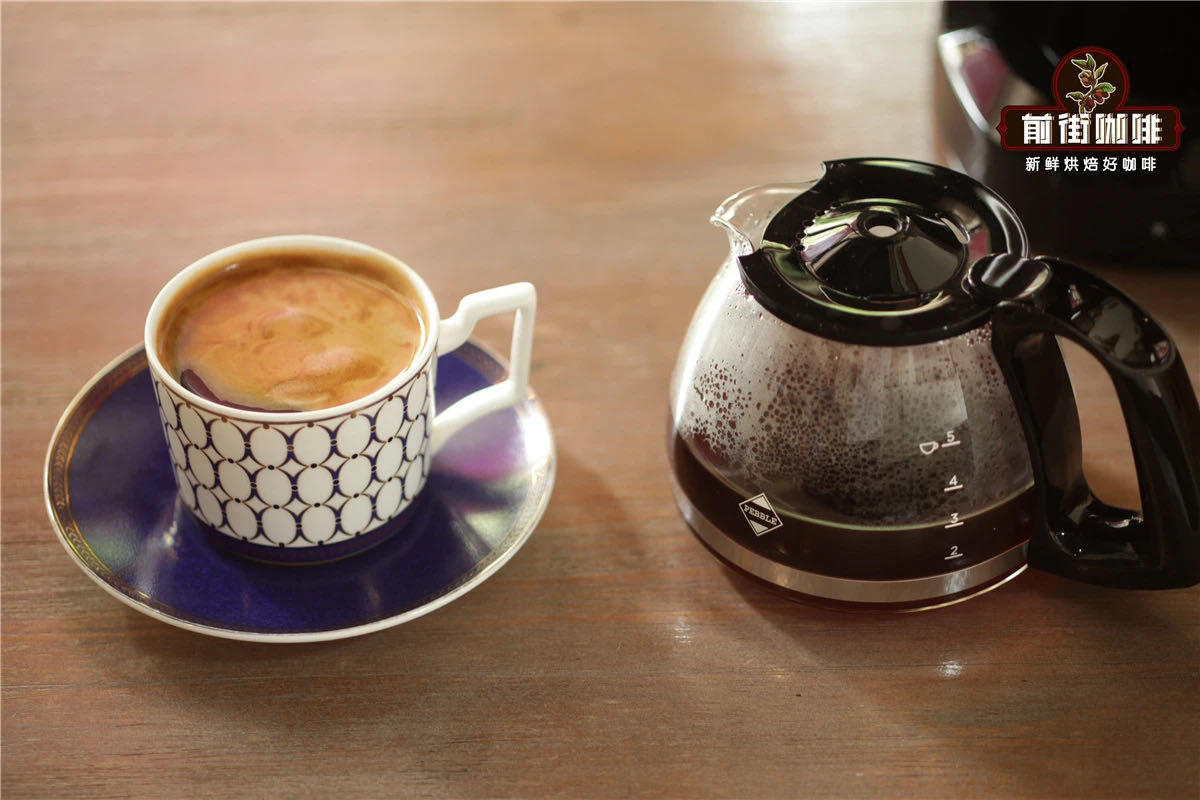
Although the Americano has two preparation methods, most cafes worldwide actually dilute espresso with water; traditional drip-style black coffee survives mainly in offices and homes. An Americano is a simple thing: just water and espresso, typically at a ratio between 1:4 and 1:8. But even diluted, an Americano can only taste as good as the espresso underneath it - and in the past, espresso options were far more limited and the mouthfeel far less comfortable than today's.
Espresso Coffee vs. Americano Coffee
To solve the problem of coffee being hard to drink, milk coffees like lattes and cappuccinos were invented and became hugely popular. Since they're all built on espresso, these drinks are now collectively grouped as "espresso coffee." So which tastes better - espresso coffee or Americano? FrontStreet Coffee can't hand you a simple answer.
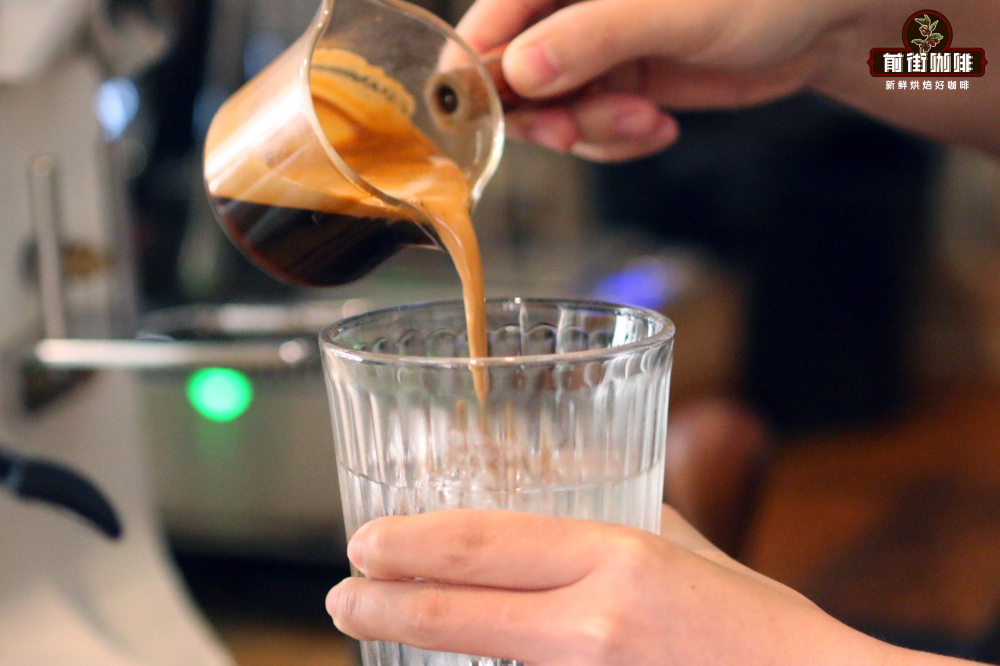
If we mean traditional drip coffee versus straight espresso, then the Americano is certainly the easier drink. But which tastes better depends entirely on the beans - the single most decisive factor in whether a coffee is delicious. For example, FrontStreet Coffee's commercial blend and Warm Sun blend can't simply be compared: it's not just the price gap. FrontStreet Coffee's Commercial Blend is supplied by FrontStreet Coffee to large commercial cafe chains, and to secure rich crema in the shot it deliberately includes 10% Robusta for extra body.
The Warm Sun blend is FrontStreet Coffee's proudest espresso, and our own shop has poured it for three consecutive years. "Unique flavor" is the verdict every customer gives it, and some come in specifically for a single shot. The texture is rich yet lively, with a heavy wine aroma from two fermented sources: the whiskey barrel treatment of the sherry component and the natural drying of the red-cherry component. Sweetness is prominent, accompanied by gentle fruit acidity.
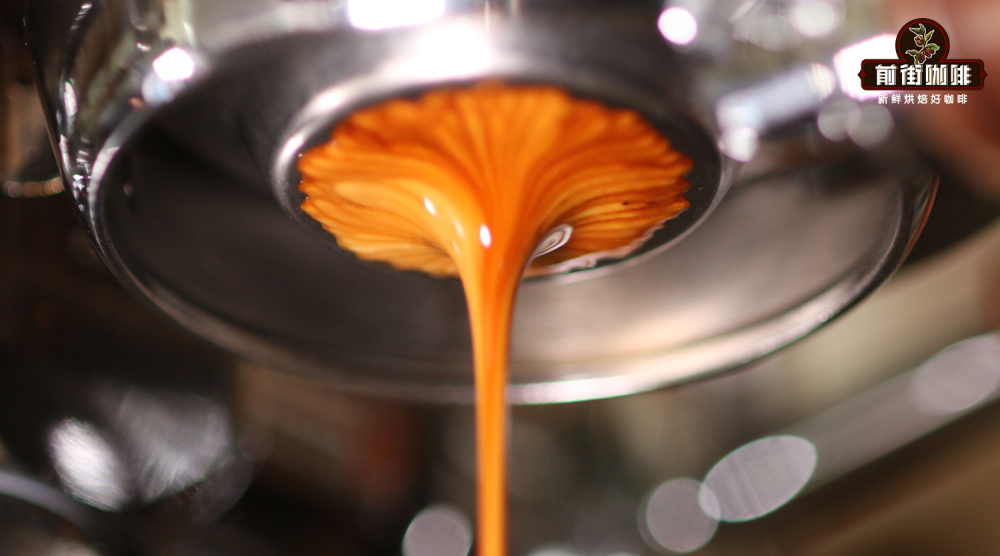
As noted, an Americano's taste is bound up with the beans. Setting brand recognition aside, FrontStreet Coffee would happily use its specialty blend for espresso too: a traditional formula of Brazil and Colombia, with prominent nuttiness, a smooth texture, and a light touch of chocolate that complements rich hot milk perfectly.

So you can see: the soul of every coffee drink is that small shot of espresso. At FrontStreet Coffee we generally extract 20 grams of coffee into 36 grams of liquid. The water-to-espresso ratio for an Americano varies from cafe to cafe, adjusted for the beans, machine, and grinder, and ultimately decided by the barista's palate.
How Espresso Machines Work
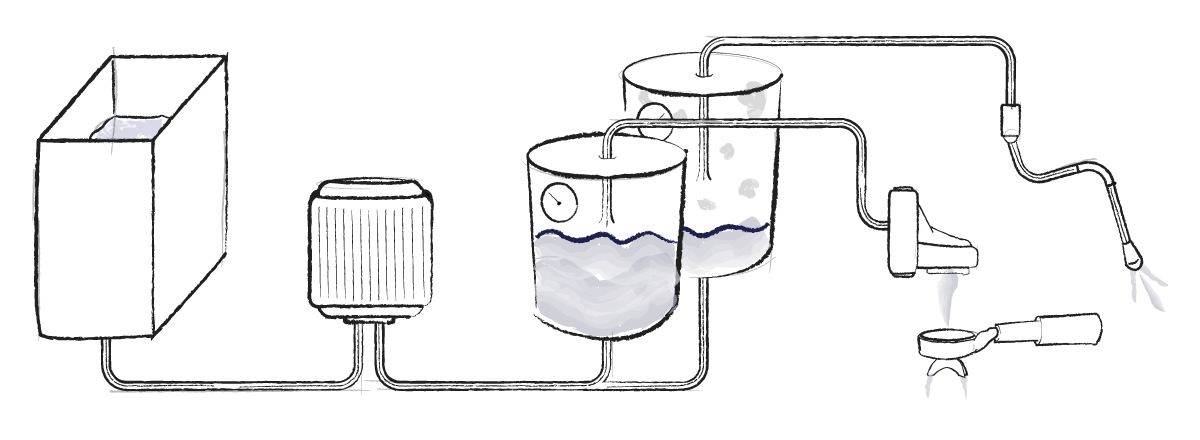
How is espresso extracted, then? That comes down to how espresso machines work. Most machines turn grounds into liquid through four stages: water source, pump, boiler, and brew head. Every machine needs water, drawn either from a tank or a plumbed supply line - which one depends on how the machine is used.
For FrontStreet Coffee, pulling great shots all day means a stable water supply is essential. The pump is the heart of espresso: what forces water through the dense coffee puck is pressure. Early machines used big lever pistons that baristas had to pull by hand, but most modern machines have abandoned that labor for electric pumps - vibratory or rotary. A vibratory pump is a small electromagnetic power source: a piston attached to a magnet sits inside a metal coil, and current through the coil drives the piston rapidly back and forth, pushing water through the machine - typically 60 strokes per second. Rotary pumps are mechanical instead.

A rotary pump is also an intricate mechanism: a motor spins a disc mounted off-center inside a circular chamber, and vanes divide the rotating disc into sections. As the disc turns, the vanes press against the chamber wall, shrinking the cross-section and building pressure; water enters during the wide phase and is forced out as the chamber contracts. The boiler is where the machine heats water and sustains the pressure delivered by the pump; it also governs brewing temperature. Today's market distinguishes between double-boiler and single-boiler machines.

Single Origin Espresso (SOE) and Future Trends
Once you know the history of the Americano and how espresso machines operate, you might wonder why Americanos made the same way can taste so different. As we said, it comes down to the beans. The whole point of a blend is to keep the overall taste as balanced as possible by every means available.
But as the market has evolved, SOE (Single Origin Espresso) coffees - built on a single origin - have appeared. Roasting has shifted too: the old demand for heavy crema has faded, and drinkers want to taste the bean's own character in the cup. Light-roasted coffees with prominent florals are now pulled as espresso as well. FrontStreet Coffee hasn't experimented with that yet, so we can't tell you whether it's good or not.
FrontStreet Coffee Recommendation
FrontStreet Classic Blend - For Beginner Americanos
If you're new to making Americanos on a machine, start with the FrontStreet Classic Blend: a traditional Italian-style formula of Indonesian Mandheling, Brazilian Red Bourbon, and washed Vietnamese Robusta. It combines the low acidity, mellow body, and herbal-woody tones of Asian coffee with the balanced smoothness and creamy texture of the Americas, extracting aromas of butter, nuts, spice, and dark chocolate. Americano or latte, its wild character and explosive crema are the Classic Blend's calling card.
FrontStreet Black Cocoa Blend - Value Pick
For an Americano bean that prioritizes value, choose the FrontStreet Black Cocoa Blend, which pairs Yunnan Arabica with Brazilian Cerrado. The Americano carries aromas of nuts, chocolate, and cream with the gentle acidity of ripe Chinese plum, and an overall soft, affordable cup - a genuine household staple, and thanks to its versatility, a first choice for opening a cafe too.
FrontStreet Strawberry Candy Espresso Blend
Tired of dark-roasted espresso? Try the medium-roasted FrontStreet Strawberry Candy Blend - the name tells you it's intensely sweet. Unlike traditional blends, it brings together washed, natural, and honey-processed Arabica from three world-famous origins in one formula: Colombia, Costa Rica, and Ethiopia. Besides a natural rose fragrance with low bitterness and light acidity, its Americano and latte serve up grape, dried blueberry, sweet orange, and fruit-candy flavors, richly layered, with a distinctive almond note in the finish.
FrontStreet Ethiopia Huakui SOE Americano
In cafes, "Huakui" refers to a natural-processed coffee from the Hambella region of Sidamo, Ethiopia - at the macro level a champion-grade Ethiopian bean; at the micro level, a fine natural lot processed at the Buku Abel washing station in Hambella. As pour-over it offers creamy strawberry, guava, dried mango, black tea, and citrus. As an SOE, it's a single-origin espresso pulled from FrontStreet's Huakui beans; add water to proportion and you have a Huakui SOE Americano - no bitterness at all, refreshingly sweet-tart, with lush tropical-fruit aromatics and a truly distinctive mouthfeel.
FrontStreet Ethiopia Granja Estate Gesha SOE
Native Ethiopian Gesha differs in flavor from Panamanian Gesha, winning attention not only through excellent value but through its distinctive Ethiopian specialty character. Thanks to the fertile soil of the original rainforest and a fully shaded growing environment, this native Gesha shows more layered complexity. To serve home espresso machines, FrontStreet offers the Granja Gesha SOE: a clear yellow-floral entry, bright bergamot, and a finish of fresh strawberry sweetness. With its natural fruit sweetness, the Americano brings fresh lime notes and the fermented sweetness of dark grapes, with a medium body.
Important Notice :
FrontStreet Coffee is a long-established specialty coffee roaster in Guangzhou China, selling freshly roasted beans from its own farm in Yunnan as well as dozens of carefully selected single-origin beans from around the world for both pour-over and espresso. The products deliver consistently excellent quality and great value, with shipping within 24 hours. Guangzhou's FrontStreet Coffee shop is recommended by many coffee lovers, and the beans are now available online at the Tmall 。
FrontStreet Coffee has moved to a new address:
FrontStreet Coffee Address: 315,Donghua East Road,GuangZhou
Tel:020 38364473
 Scan and follow the En Gafei WeChat official account. Please indicate that the reprint comes from "En Gafei".