Why is a Siphon Pot also called a Syphon Pot? How does Siphon Pot coffee extraction work and what type of coffee beans are suitable?
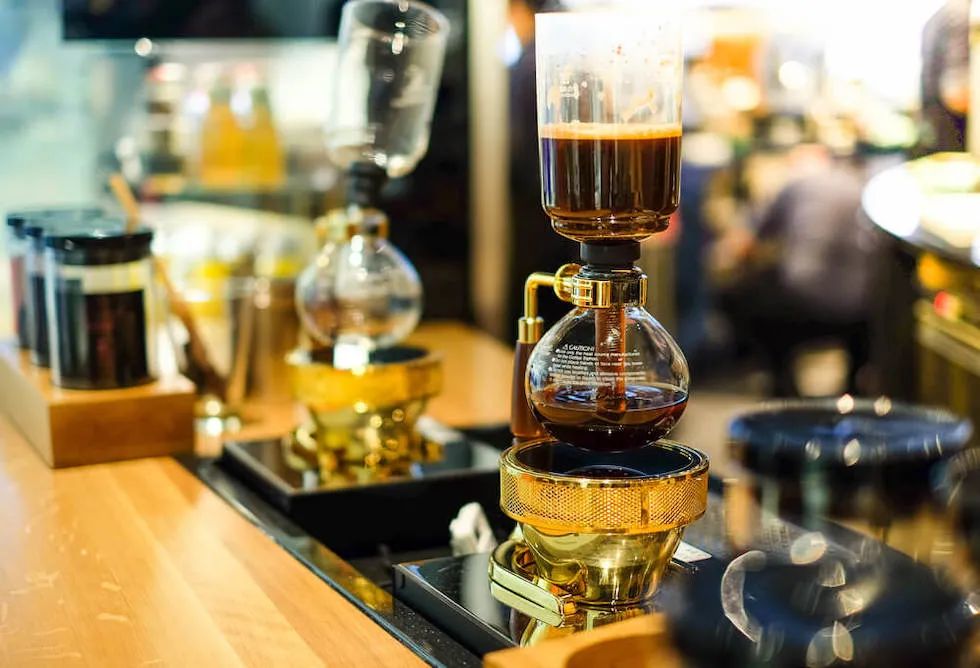
Siphon Coffee: The Mysterious Brewing Method
In many people's imagination, siphon coffee looks like a piece of laboratory glassware out of a period film, which lends the method a certain mystique. As coffee professionals, what matters most to FrontStreet Coffee is how the siphon pot is used and what the resulting cup actually tastes like.
The Structure and Extraction Principle of the Siphon Pot
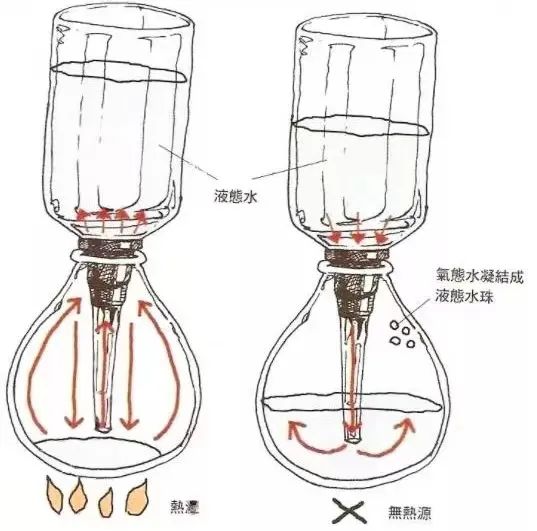
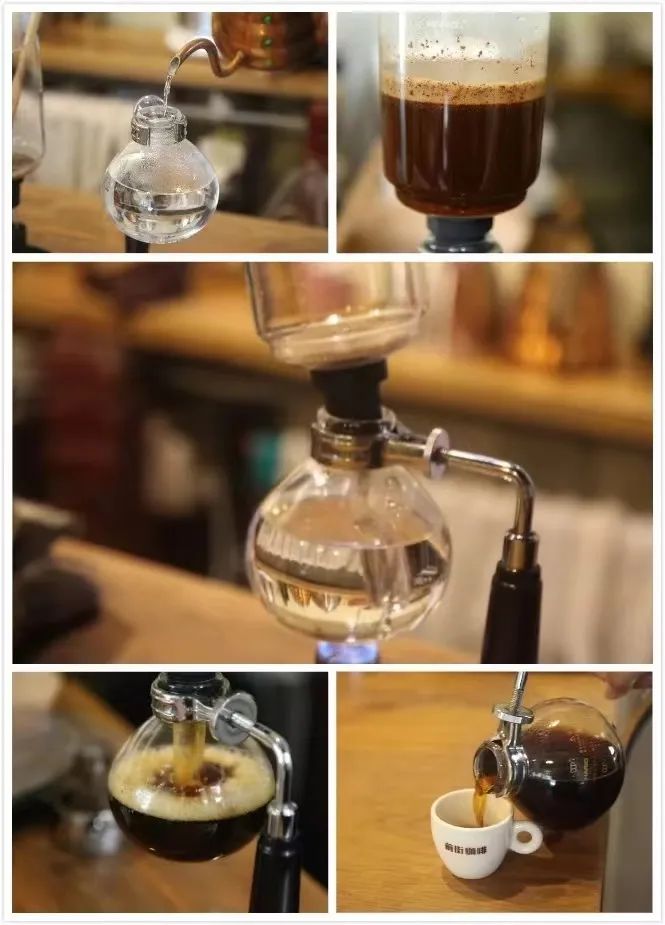
A siphon pot consists of an upper chamber, a lower chamber, and a stand. The stand connects to and supports the lower chamber, which is roughly spherical so it heats evenly. The upper chamber is cylindrical, narrowing at the bottom into a slender tube; a rubber gasket sits at that narrowing, sealing the joint when the upper chamber is seated on the lower one. As the lower chamber is heated, steam pressure pushes the water up into the upper chamber — where grounds and water meet. Remove the heat, and the brewed coffee drains back down, completing the siphon cycle.
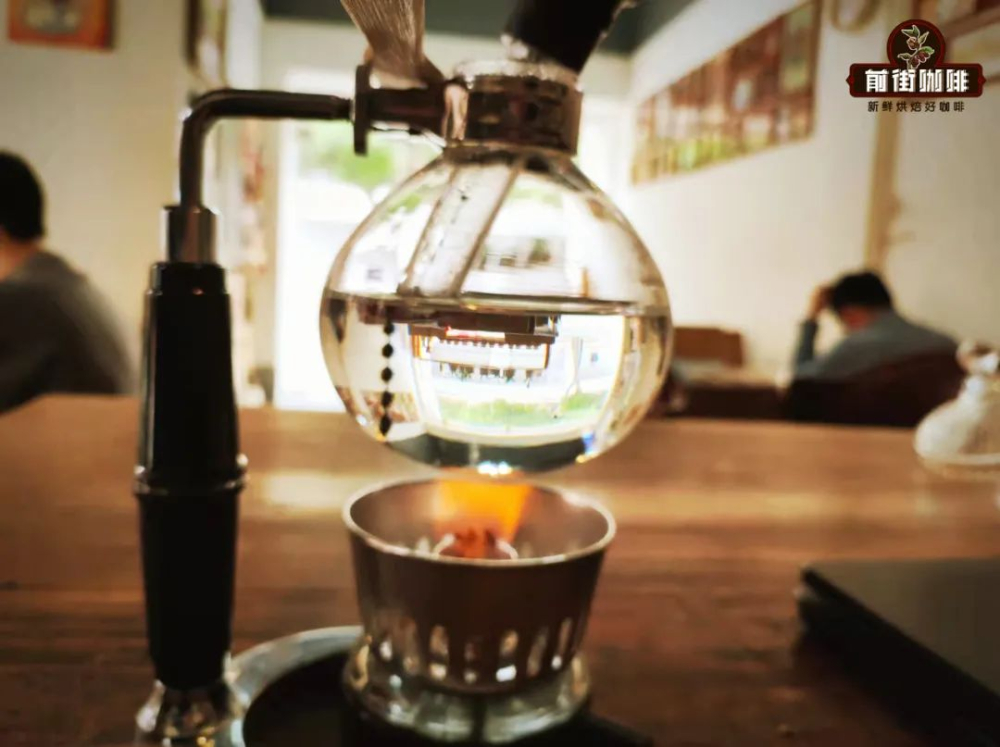
Heat sources include alcohol lamps, gas burners, and halogen lamps; FrontStreet Coffee uses an alcohol lamp. For filtering, you can choose between flannel cloths and round filter papers. Flannel is the traditional choice: it preserves the coffee's oils but is fussier to use and clean. Filter paper is the modern option, producing a cleaner cup by blocking fine particles, oils included. If you brew only occasionally for yourself, FrontStreet Coffee suggests flannel to experience siphon coffee at its fullest. The bead on the filter assembly prevents sudden boiling when the upper chamber is inserted, and the tiny bubbles around it are a handy gauge of water temperature. Beyond the pot and heat source, you will also need a stirring paddle and a wet cloth.
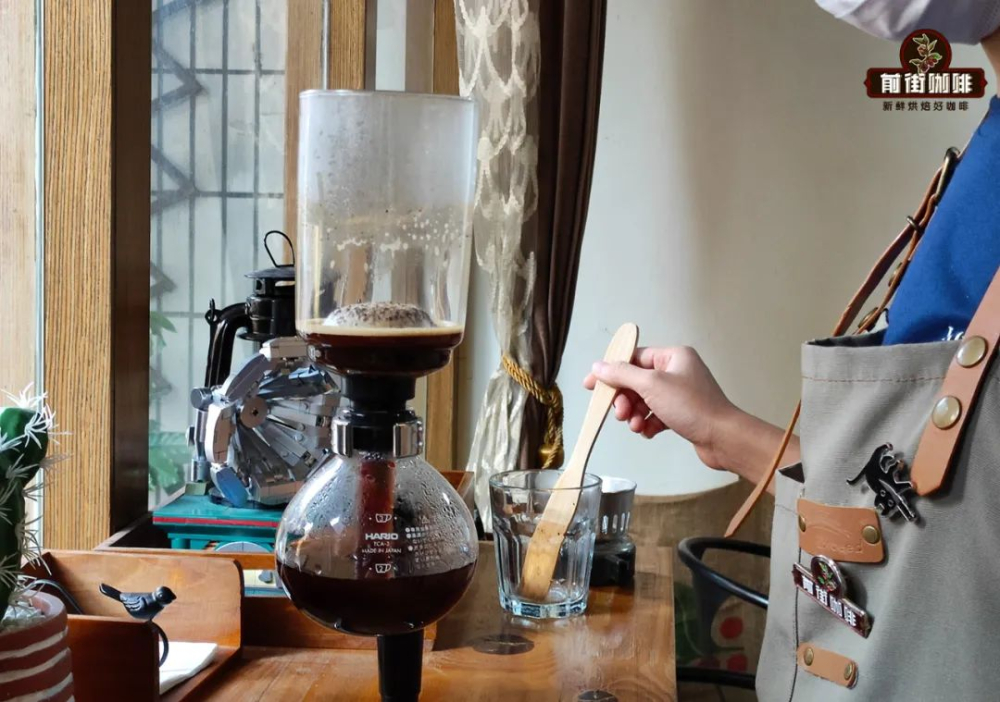
Siphon extraction is driven purely by pressure difference. First the water in the lower chamber is brought to a boil; inserting the upper chamber pressurizes the lower one, and the pressure gap pushes hot water up to mix with the grounds. When extraction finishes, the heat is removed, the pressure difference collapses, and the siphon effect draws the coffee back down. Wiping the lower chamber with a wet cloth shrinks the pressure difference further and speeds the return.
How to Use the Siphon Pot
A great cup of siphon coffee comes down to a few details. Here FrontStreet Coffee demonstrates with its own roasted Brazil Fazenda Rainha (Queen Estate) beans.
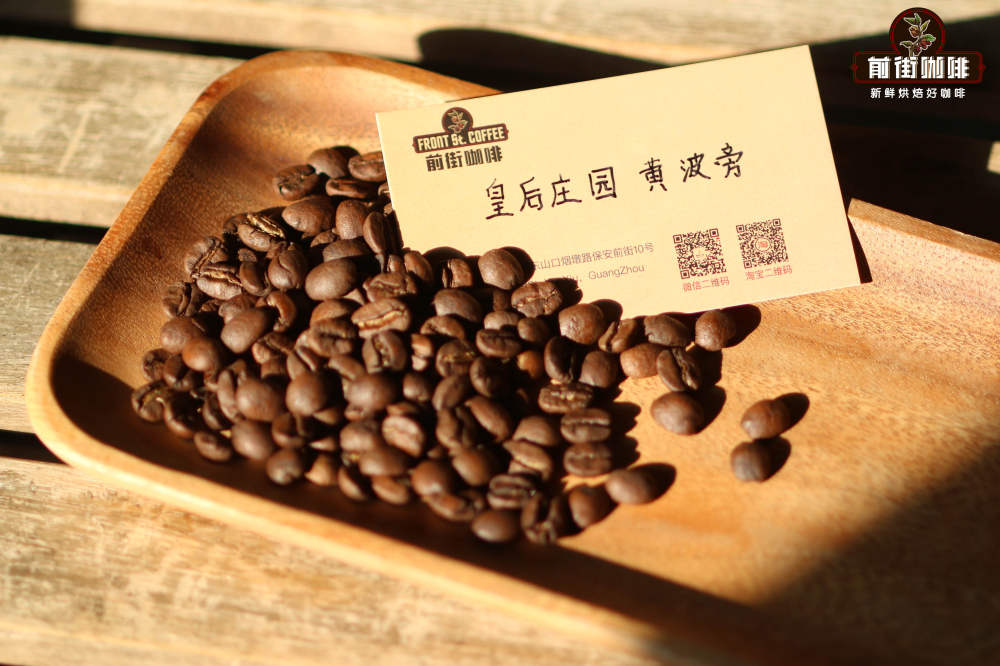
Water Temperature: 88°C
Grind Size: 90% pass-through on a #20 sieve
Coffee Amount: 18 grams
Coffee-to-Water Ratio: 1:10
1. Pour 180 ml of warm water into the lower chamber and wipe the outside dry (to avoid cracking over the flame). Light the alcohol lamp and place it beneath the lower chamber.
2. Fit the filter cloth to the upper chamber, hook it to the glass tube at the chamber's bottom, and insert the chamber diagonally into the lower one.
3. Watch the lower chamber. When a steady stream of small bubbles appears, straighten the upper chamber so it seats vertically and seals snugly.
4. Once the water has risen, pour in the grounds and stir clockwise from the outside toward the center for 10 seconds, making sure every particle is submerged.
5. Start timing. After 40 seconds, stir clockwise again for 5 seconds, then quickly remove and extinguish the alcohol lamp. The coffee will begin flowing back; wiping the lower chamber with a wet cloth speeds the return. Total extraction time is about 1 minute 10 seconds.
6. Gently remove the upper chamber and pour. Siphon coffee made this way is wonderfully aromatic and full-bodied. It may not match pour-over for clarity, but the oils floating on top add real richness.
What Coffee Beans Are Suitable for a Siphon Pot?
In the past, when drinkers prized rich, mellow flavors, medium-dark roasts dominated the siphon, yielding coffee with lush aroma and a rounded, balanced taste. If that is your style, popular options on FrontStreet Coffee's bean list — Jamaica Blue Mountain, Golden Mandheling, Brazil Fazenda Rainha, and Papua New Guinea Bird of Paradise — all take beautifully to siphon brewing.

These days, as palates have grown more adventurous, the choices have multiplied: all fifty single-origin beans on FrontStreet Coffee's list can be brewed in a siphon. Below are a few classic flavor profiles to choose from.
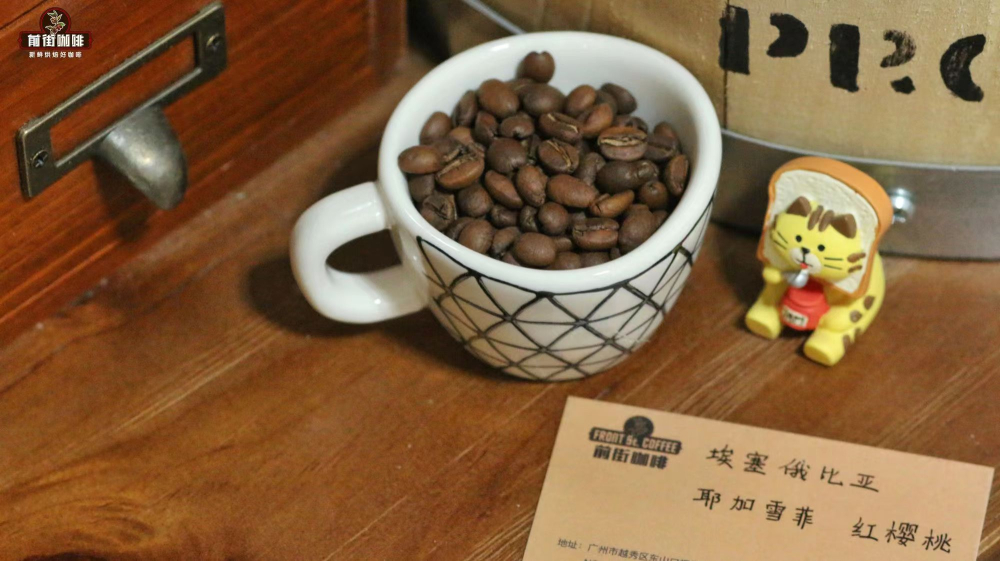
Tropical Fruit, Bright Sweet-Sour - FrontStreet Coffee Natural Red Cherry
This sun-dried Yirgacheffe was originally a pour-over favorite. Cherries picked at perfect ripeness dry whole in the sun, letting the beans absorb the fruit pulp's sugars — hence the very high sweetness and intense fruit aromas. Poured over, FrontStreet Coffee's Red Cherry shows ripe-berry sweetness and tartness with a black-tea finish. Through a siphon, the cup tastes of ripe fruit with pleasant sweet-sour notes and barely any bitterness — remarkably like a cup of fruit tea.
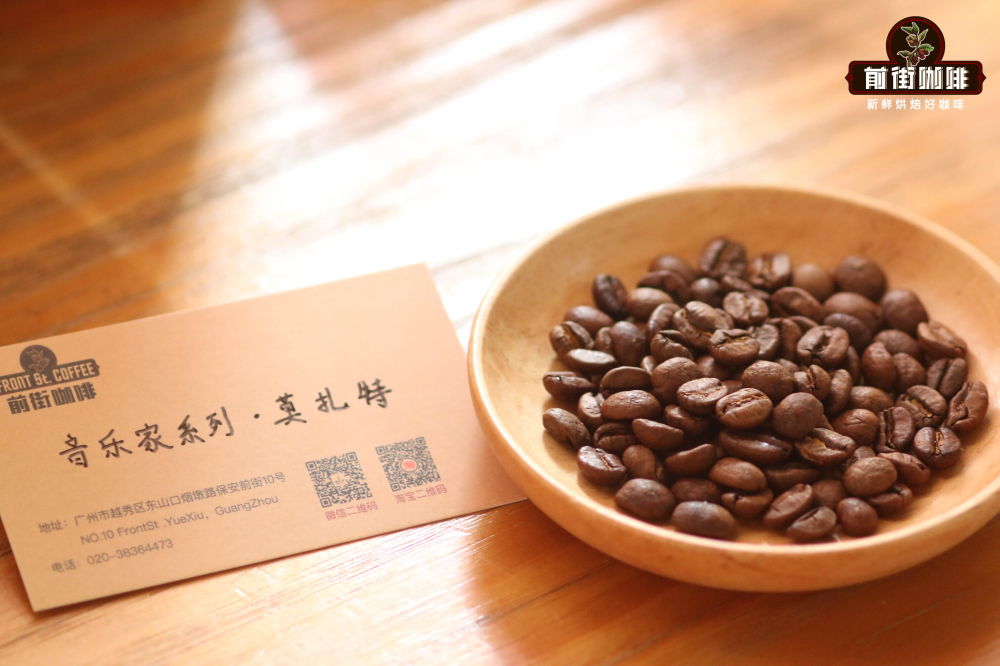
Rich Fermented Fruit Aroma - FrontStreet Coffee Costa Rica Mozart
Raisin honey processing retains 100% of the mucilage with zero water: fully ripe fruit is sealed with its mucilage to ferment before drying, maximizing sweetness. Poured over, this Costa Rica Mozart offers rose aromas, raisin, and the high sweetness of white wine. In a siphon it turns to full tropical-fruit sweet-sour with a rounded texture and pleasant acidity.
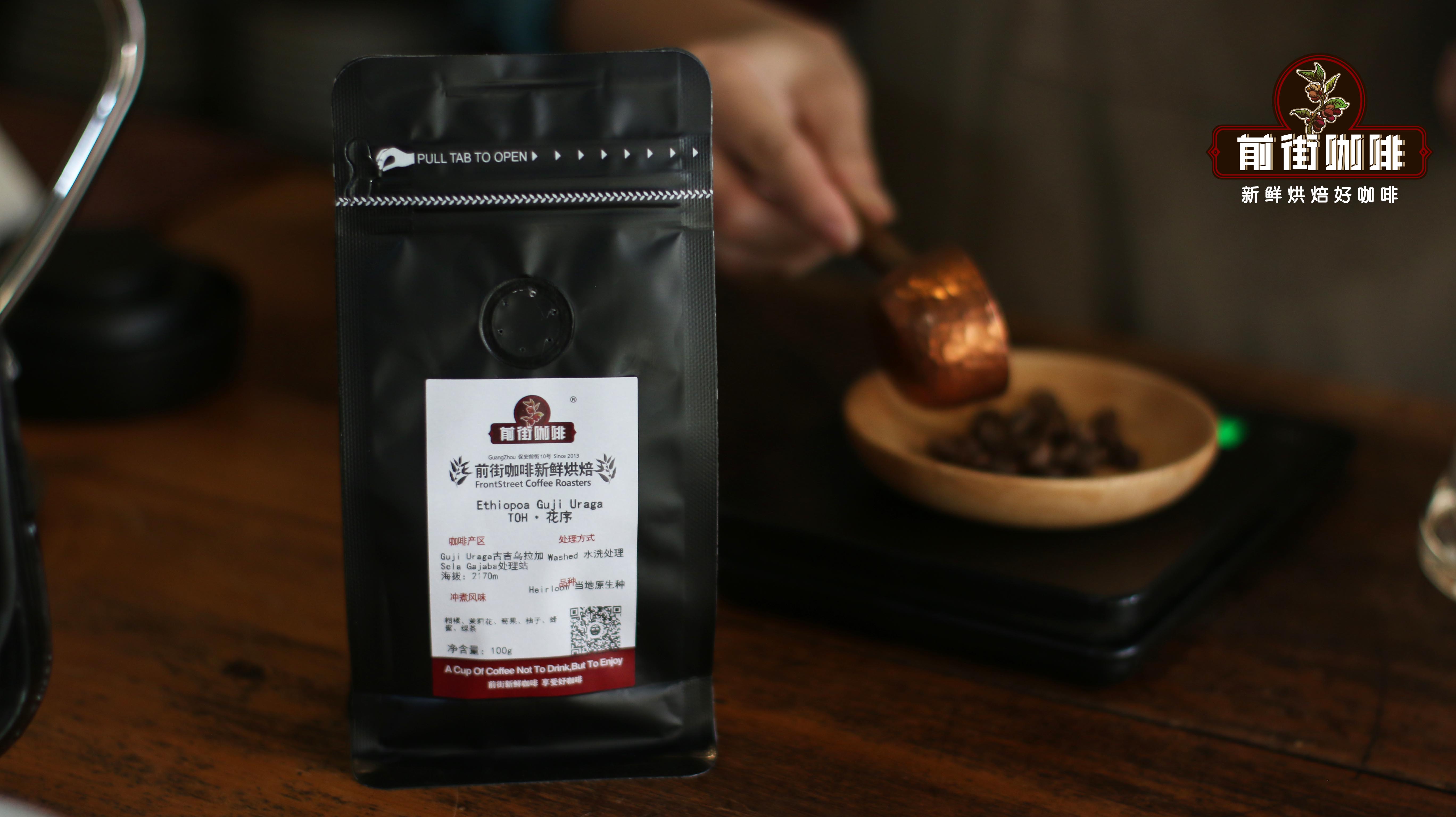
Refreshing Florals and Fruit - FrontStreet Coffee Ethiopia Inflorescence (TOH Washed Champion)
This bean comes from Ethiopia's Guji Uraga region, whose nutrient-rich black soil produces intensely fruity coffee. Washing highlights the clear floral and citrus notes: jasmine, citrus, and pomelo in the pour-over. In a siphon, it gains a rounder green-tea character with even greater richness and clarity.
For professional coffee knowledge exchange and more coffee bean information, please follow FrontStreet Coffee.
FrontStreet Coffee Recommendation
The V60 pour-over dripper and the siphon pot make an ideal pairing for exploring different roast styles. The V60's 60° cone and single large outlet deliver a fast, controllable extraction that flatters light roasts: florals, fruit acidity, delicate sweetness, and tea notes all come forward, which is why classic Yirgacheffe-profile beans like FrontStreet Coffee's Gedeb, the tropically fruity Huakui, and the raisin-sweet Costa Rica Mozart shine through it. Before the third wave, when medium-dark roasts set the tone, siphon and cloth brewing were the standard for the era's classics — FrontStreet Coffee's Jamaica Blue Mountain No. 1 and PWN Golden Mandheling — and both remain the go-to choice for a syrupy, low-acid cup.
For a modern, balanced all-rounder, FrontStreet Coffee's Jamaica Blue Mountain No. 1 strikes a near-perfect harmony of acidity, sweetness, bitterness, and fragrance — cream, caramel, chocolate, nuts, honey, and a whisper of fruit, with none of the sharp edges — which is why industry professionals so often call it the specialty coffee almost anyone can love. However you brew it, keep the fundamentals: for V60, 15 g of coffee at a 1:15 ratio with water at 90–91°C; for siphon, the 88°C, 1:10 method above.
Important Notice :
FrontStreet Coffee is a long-established specialty coffee roaster in Guangzhou China, selling freshly roasted beans from its own farm in Yunnan as well as dozens of carefully selected single-origin beans from around the world for both pour-over and espresso. The products deliver consistently excellent quality and great value, with shipping within 24 hours. Guangzhou's FrontStreet Coffee shop is recommended by many coffee lovers, and the beans are now available online at the Tmall 。
FrontStreet Coffee has moved to a new address:
FrontStreet Coffee Address: 315,Donghua East Road,GuangZhou
Tel:020 38364473
 Scan and follow the En Gafei WeChat official account. Please indicate that the reprint comes from "En Gafei".