Costa Rica Mozart Coffee Bean Flavor Description Introduction Brewing Water Temperature Ratio for Mozart Coffee

FrontStreet Coffee's Costa Rica Mozart Coffee, as a classic representative in the musician series, showcases outstanding floral aromas and clear, sweet preserved fruit flavors whether extracted through pour-over or cold brew, impressing many coffee enthusiasts. In this article, FrontStreet Coffee explores the characteristics of FrontStreet Coffee's Mozart coffee from multiple perspectives.
The Origin of the Musician Series
The Musician Series is produced at Finca Canet in Costa Rica, located in the highest altitude range of the renowned Tarrazú region, which is also the most intensive area for growing various fruits in Costa Rica. Tarrazú is one of Costa Rica's main coffee-producing regions, with the highest average latitude, excellent climate conditions, fertile soil, and good drainage. These superior conditions make Tarrazú widely recognized as the most excellent coffee-producing region in Costa Rica, having received considerable favor and recognition.
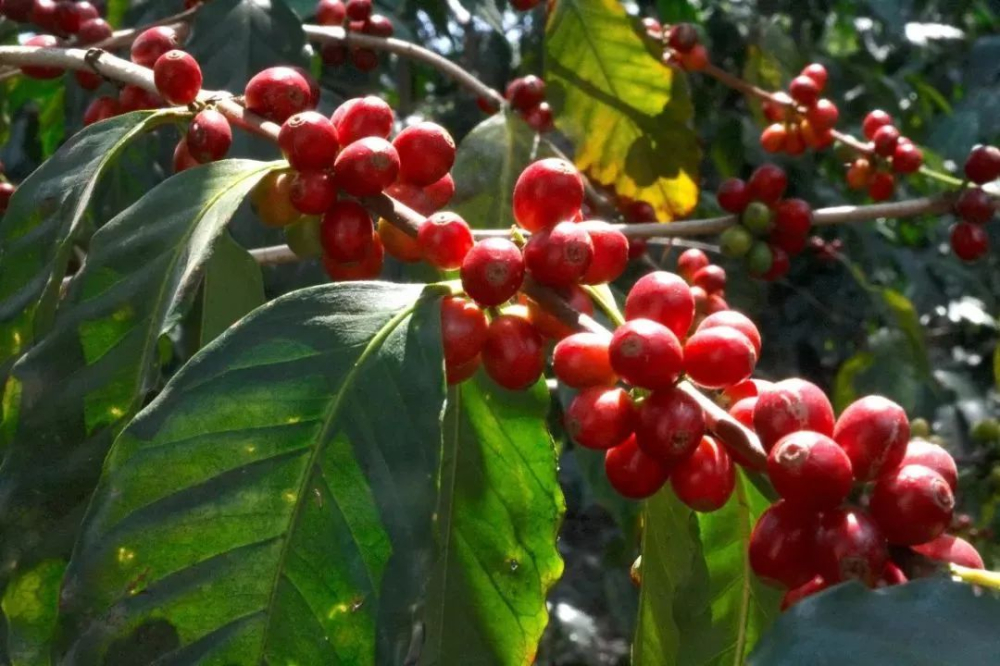
Finca Canet is jointly operated by three brothers' families, with most coffee beans produced using honey processing methods, now having over ten years of coffee production experience. The plantation mainly grows passion fruit and other fruits, with coffee trees concentrated in specific areas for management. During the coffee cherry ripening season each December, the plantation owner arranges for coffee cherry picking and transportation to a small nearby water processing plant (Beneficio) for processing.
The owners of Finca Canet are passionate about classical music and pursue romanticism, so all coffee beans produced at the plantation are named after musicians such as Bach, Beethoven, Mozart, and Chopin. The plantation owner continuously researches coffee selection and post-processing methods, combining high-quality coffee beans with raisin honey processing of varying mucilage levels. The resulting coffees mostly feature good sweetness, consistency, and body, with ripe fruit flavors similar to bananas, and are more easily remembered by borrowing the famous names of great musicians.

What's the Difference Between Raisin Honey Processing and Honey Processing?
When it comes to processing methods, the most common are washed, natural, and honey processing. Natural processing involves dehydrating and drying the entire fruit under the sun, then mechanically removing the outer shell - it's the simplest method. Washed processing first uses machines to remove the outer skin and pulp, with residual mucilage naturally decomposing and fermenting in water, then manually cleaning and drying, making washed processing more costly. Honey processing can be considered a combination of the two methods, removing the skin while retaining varying degrees of mucilage for fermentation, also known as semi-natural/semi-washed.
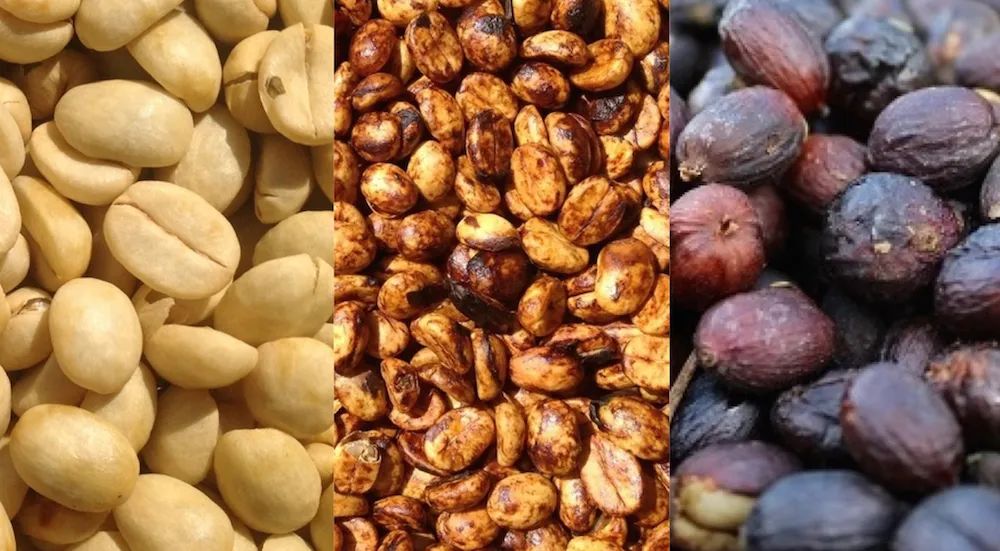
When producers use honey processing, they first pour fresh coffee cherries into water tanks for floatation screening, removing unripe fruits and impurities, then use a pulping machine to remove the outermost layer of the fruit. Unlike washed processing, after the coffee cherries are pulped, they are not rinsed with large amounts of water to remove mucilage; instead, the mucilage is retained for drying. Because mucilage contains sugar and has a sticky consistency that easily reminds people of honey, it was named honey processing. Coffee processed with honey methods typically presents full tropical fruit flavors and fermented sweetness in cupping, with an overall fresh taste and clean acidity.
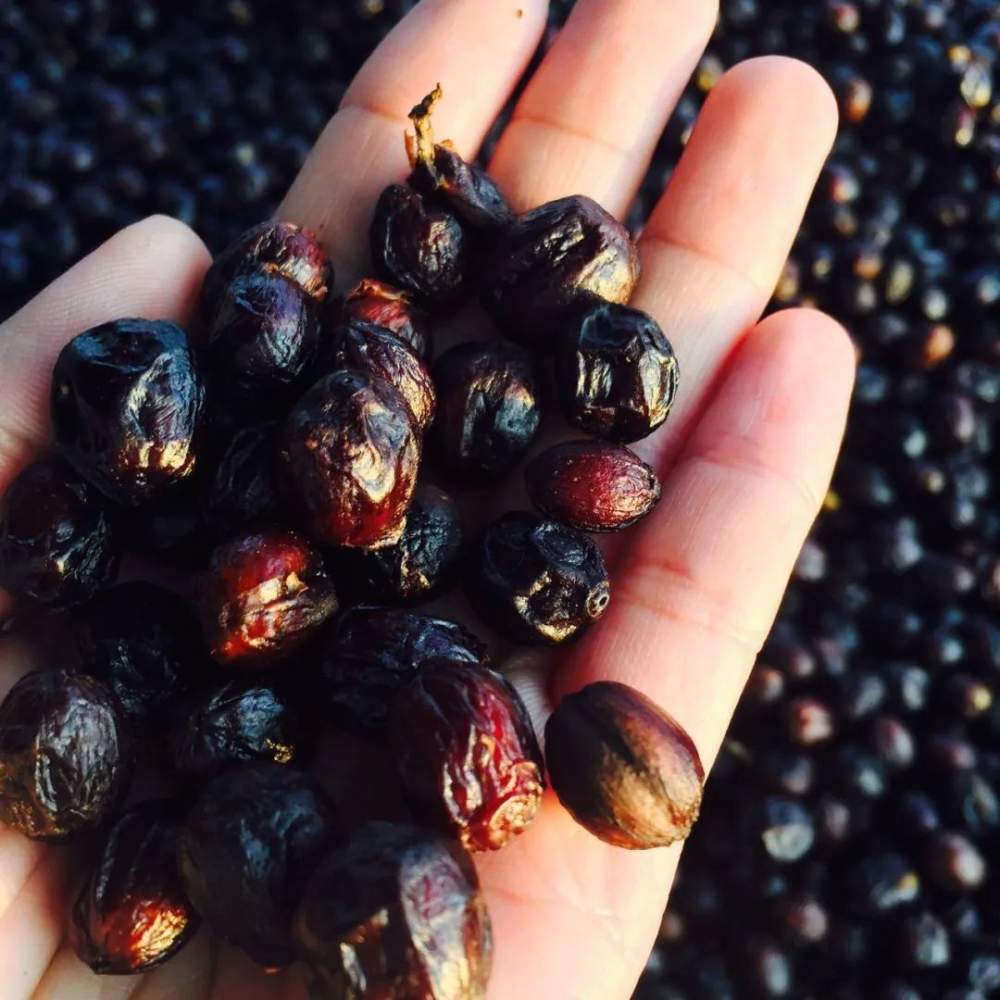
Raisin honey processing, on the other hand, combines natural and honey processing techniques. After floatation screening of red fruits to remove defects, the entire coffee fruit (in anaerobic/aerobic environment) is first dried to a "wrinkled" state like raisins, with fresh fruits changing from bright red to purplish-black. Then machines are used to remove the fruit skin while retaining varying degrees of mucilage, entering the second stage of honey processing fermentation. At this time, careful control of fermentation time is crucial - too fast leads to incomplete flavor development, while too slow risks over-fermentation, making the processing technique more difficult. Each fermentation requires combining technique and experience, adjusting according to temperature, sunlight, humidity, and weather. The dual mucilage fermentation adds more fruit flavors, clear sweetness like fruit wine, and balanced acidity to the coffee.
Roasting and Flavor Profile
In terms of roasting, FrontStreet Coffee hopes to retain more fruity acidity and floral aromas, so they adjusted to a medium-light roast. Through cupping, FrontStreet Coffee's Mozart coffee shows rich osmanthus and preserved fruit aromas in the dry fragrance. After adding hot water, you can smell dark fruit notes like grapes and berries. The entry reveals flavors of sweet orange, raisins, and berries, with a slight fermented sensation. After swallowing, you can feel the lingering aroma of rose tea in your mouth.
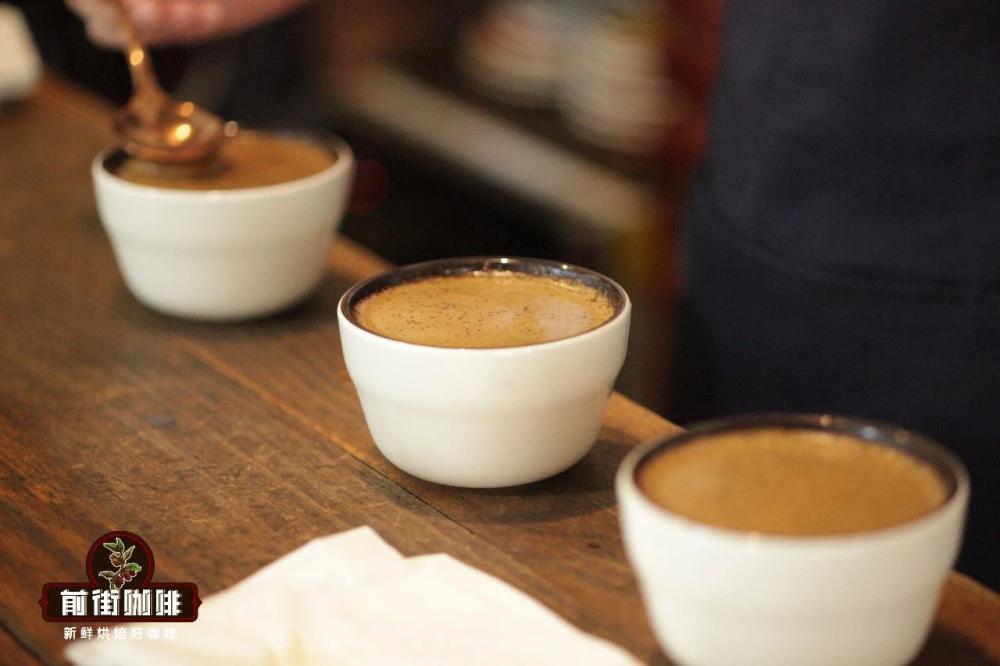
How to Brew FrontStreet Coffee's Mozart Coffee to Extract Its Sweet Flavors?
Although Mozart coffee shows very rich aromas in cupping, FrontStreet Coffee believes that attention to some details is still needed to brew it well. Among various brewing parameters, water temperature and grind size are particularly crucial.
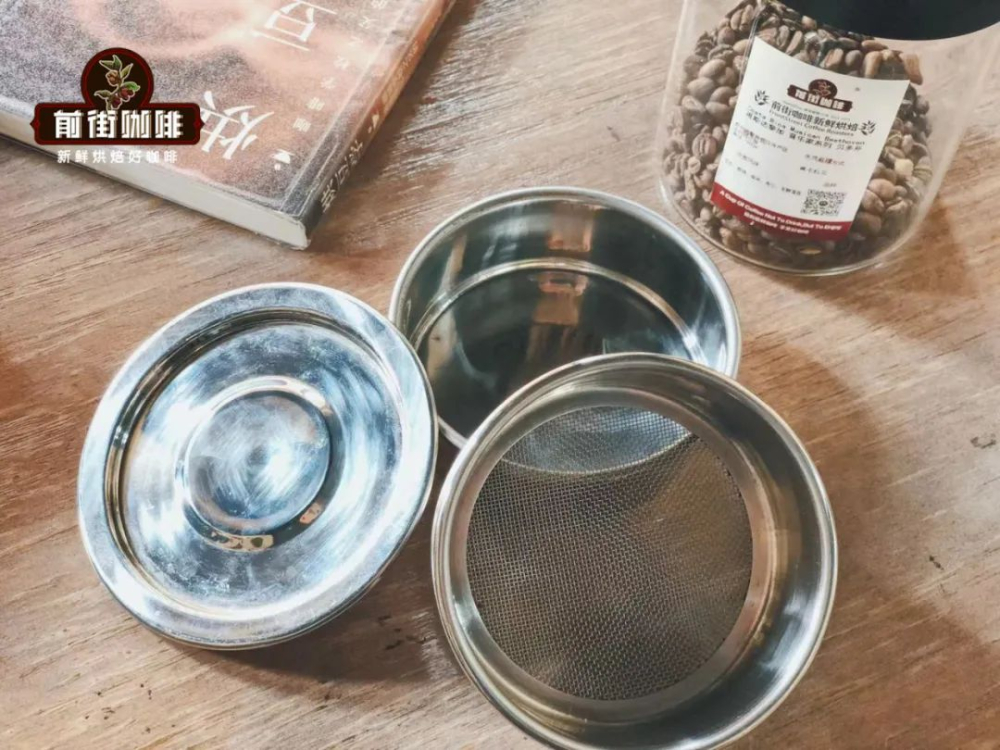
FrontStreet Coffee uses a tool to adjust grind size - China No. 20 0.85mm standard sieve. For medium-light roasted coffee beans, FrontStreet Coffee consistently uses a 75-80% sieve passing rate, while for medium-dark roasted coffee beans, they use 70-75%. Here, FrontStreet Coffee's Costa Rica Mozart coffee beans undergo anaerobic-type fermentation, making the coffee bean texture more porous with better water absorption, allowing water to pass through the coffee grounds more quickly, which can easily lead to under-extraction. Therefore, FrontStreet Coffee adjusts the grind to be finer, with stores using an EK43s grinder setting of 9.2-9.5.
Water temperature plays a similar role to grind size - the higher the water temperature, the higher the coffee extraction efficiency, making it easier to release various flavor compounds and resulting in higher concentration. If brewing with near-boiling hot water, it's easy to extract unpleasant bitter substances. Therefore, for medium-dark roasted coffee beans, FrontStreet Coffee recommends using 87-90°C, while light roasted coffee requires higher temperatures to stimulate aromas, thus using 91-93°C. FrontStreet Coffee suggests brewing Mozart at 90°C, as this coffee tends toward a mellow and rounded profile. If too high temperature water is used, it can easily extract heavy bitterness, masking the various fruit and floral aromas.
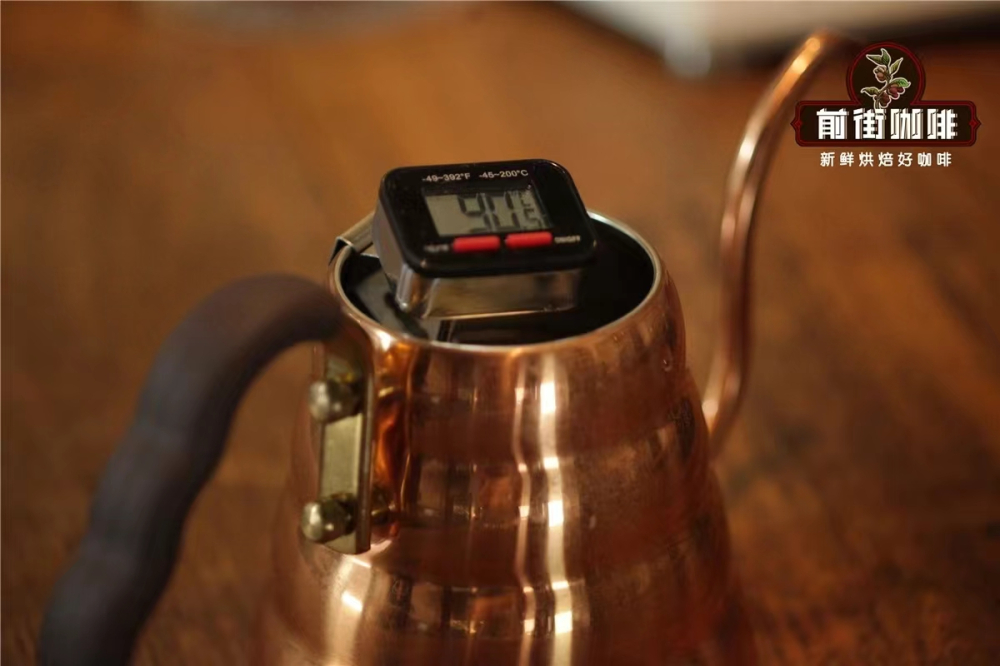
The brewing amount still uses 15g, with a coffee-to-water ratio of 1:15. Moderate concentration is more conducive to experiencing the various flavors of Mozart coffee.
Three-Stage Pouring Method:
First, place the folded filter paper in the dripper and wet it with water to make it fit better. Prepare hot water and a thermometer, while pouring 15 grams of ground coffee into the dripper and zeroing the electronic scale.

For the first stage, pour 30g of water for a 30-second bloom. Start timing while pouring, using a small water stream to pour from the center point and spiral outward, ensuring the entire coffee bed is moistened. At this time, you can see the coffee grounds forming a dome as they release gas.
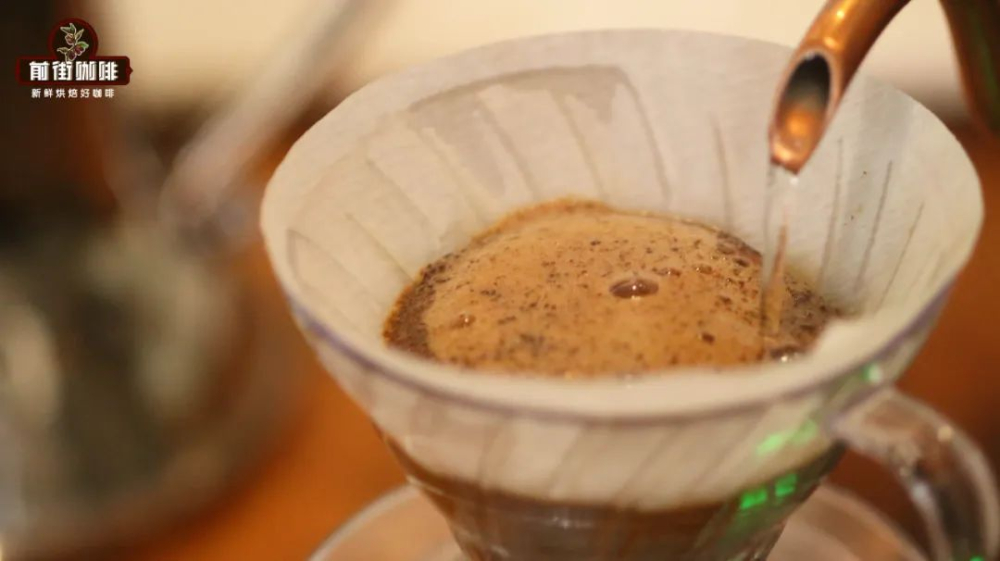
After 30 seconds, use a steady water stream to pour the second stage of 100g water, aiming to raise the entire coffee bed. The water column needs to be poured vertically and evenly, with the timer scale showing 130g, completed in about 55 seconds.
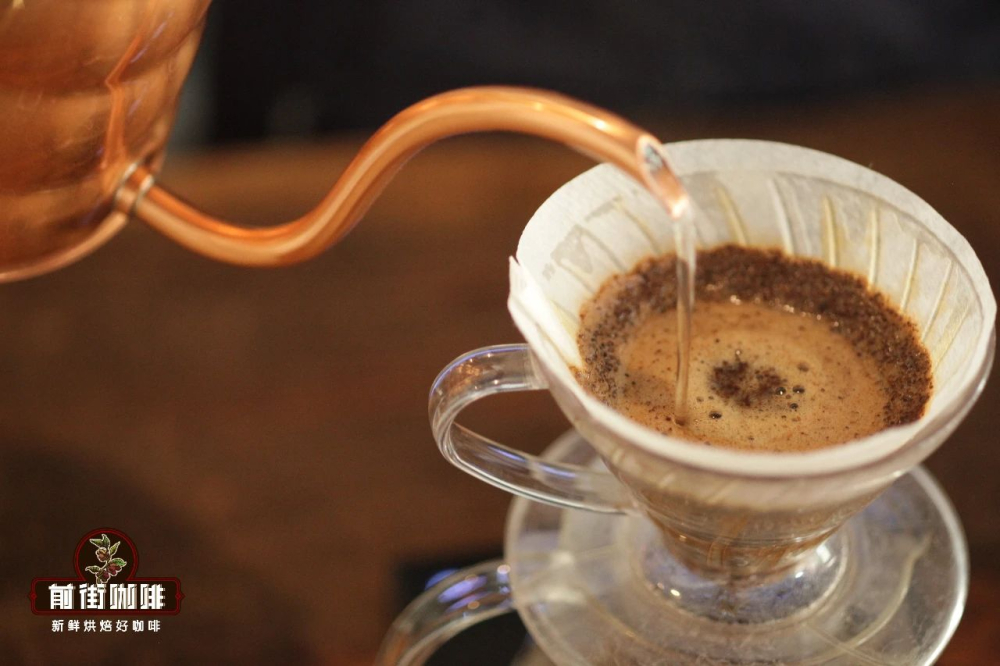
When the liquid level drops to nearly expose the coffee bed, start pouring the third stage of 95g using a small water stream in small circles. Try to control the water stream to not make too large circles, and also try not to let the coffee liquid level exceed the powder wall formed by the second stage accumulation, as this can cause water to flow down along the filter paper, leading to under-extraction.
The final total pour amount is 225g, with drip completion time approximately 1 minute 50 seconds. After removing the dripper, shake the coffee liquid in the sharing pot evenly and you can begin tasting.
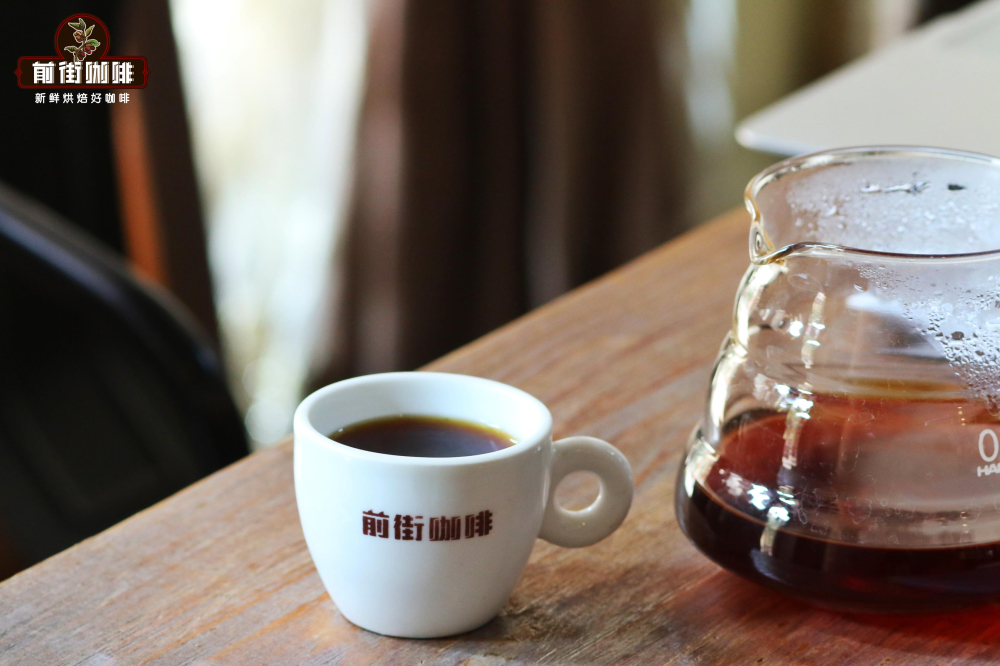
Mozart is a forgiving bean at the table, but it responds most clearly to careful control of water temperature and grind: keep the temperature moderate, keep the grind fine enough to compensate for the porous, well-absorbing structure of the anaerobically fermented bean, and the sweet orange, raisin and berry notes come to the front.
Serve it in a preheated cup and taste it across the temperature range, from hot to cool, to follow the preserved fruit aroma as it opens into rose tea at the finish.
FrontStreet Coffee Recommendation
When the weather turns warm, cold brew is one of the easiest ways to enjoy a fruit-forward coffee at home. Because cold water extracts slowly, the resulting cup is usually lower in bitterness, while the pleasant acids and sugars are drawn out more fully, giving a rounder, smoother drink.
For cold brew, a floral, fruit-driven coffee is the best starting point, and Yirgacheffe is a natural first choice. It typically carries bright citrus, berry and floral notes with a green-tea sweetness, and a good washed Yirgacheffe tastes softly and brightly acidic, more like the natural sweet-sourness of fruit than a sharp bite. For anyone new to specialty coffee, it is a very approachable bean. FrontStreet Coffee's Gedeb cooperative lot is one of the most representative washed Yirgacheffe coffees and works especially well as cold brew, showing a sweet berry character, good layering and a honeyed finish.
If you want a bolder tropical-fruit profile, try a natural lot such as FrontStreet Coffee's Huakui, whose strawberry, passion fruit, jackfruit and even lychee aromas are extremely prominent, with marked sweetness, very little bitterness and a juicy, smooth body. For a clear, layered cup, a Panama Geisha brings elegant jasmine and the fine citrus, bergamot and black-tea notes that make it a benchmark for specialty coffee. Kenya is another excellent choice: FrontStreet Coffee's Kenya Cherry Tomato, a washed lot from Thika at 1,550-1,750 meters using the SL28 and SL34 varieties and a 72-hour double washed process, is roasted light so its bright, full acidity and layered fruit survive the cold extraction, showing cherry tomato, dark plum and a long, clean finish.
Cold brew also uses more coffee than pour-over, so an affordable, tasty everyday bean or a blend often makes more sense. A popular approach is to pair a complex lot with a simpler one: for example, blend FrontStreet Coffee's Colombia Sidra, with its passion fruit, grape, apricot and dried-fruit sweetness, together with FrontStreet Coffee's Costa Rica Tarrazu at a 1:2 ratio to keep the floral-fruit character while lifting the value, since Tarrazu adds a clean citrus acidity.
To make it, grind 30g of beans to a medium-fine, sugar-like consistency and place them in a clean, sealable container. Add water at a 1:10 ratio (300g of water), seal and refrigerate for 8-12 hours, then filter out the grounds. If the result is too strong, simply add water or ice to taste.
Important Notice :
FrontStreet Coffee is a long-established specialty coffee roaster in Guangzhou China, selling freshly roasted beans from its own farm in Yunnan as well as dozens of carefully selected single-origin beans from around the world for both pour-over and espresso. The products deliver consistently excellent quality and great value, with shipping within 24 hours. Guangzhou's FrontStreet Coffee shop is recommended by many coffee lovers, and the beans are now available online at the Tmall 。
FrontStreet Coffee has moved to a new address:
FrontStreet Coffee Address: 315,Donghua East Road,GuangZhou
Tel:020 38364473
 Scan and follow the En Gafei WeChat official account. Please indicate that the reprint comes from "En Gafei".