Light or Dark Roast: A Brief Introduction to the Differences Between Coffee Roasts
FrontStreet Coffee PWN Golden Mandheling and FrontStreet Coffee Ethiopia Kochere Coffee Roast Degree Flavor Comparison
FrontStreet Coffee PWN Golden Mandheling
The Golden Mandheling introduced by FrontStreet Coffee is produced by Indonesia's PWN company, which locally sources Mandheling beans in Indonesia and registered the name "Golden Mandheling"—so Mandheling from this company is the true Golden Mandheling.
FrontStreet Coffee's Golden Mandheling comes from the Lintong region of northern Sumatra, Indonesia. Harvesting is limited to fully ripe cherries picked individually by hand to safeguard bean quality from the start. The cherries are processed by the semi-washed (wet-hulled) method and naturally sun-dried, then undergo a second drying refinement after hulling, along with two rounds of green-bean cleaning and four rounds of hand-picking—a strictly selected premium Mandheling by any measure.
The "PWN" marking on the Golden Mandheling is the abbreviation of Indonesia's PWN company, whose Golden Mandheling coffee is registered in Indonesia.
Flavor Characteristics:
FrontStreet Coffee's PWN Golden Mandheling is roasted medium-dark, showing quality herbal notes, stronger caramel sweetness, and relatively calm, elegant fruit acidity. It offers rich sweetness, a thick body, and wild spice flavors. Generally, an Indonesia Lintong Mandheling is best roasted to just past second crack to effectively mute off-flavors, but FrontStreet Coffee's Golden Mandheling already has excellent clarity and sweetness before second crack, allowing far broader roasting interpretation.
FrontStreet Coffee · Ethiopia Kochere Region
Kochere sits on a plateau at 1650-1800 meters altitude.
Ethiopia's main harvest runs through November and December. Most farmers use no modern farming methods; instead they tend their coffee trees by hand, without harmful pesticides or herbicides. Nearly all Ethiopian coffee is therefore organic by default, certified or not. This combination of traditional growing and precise processing has made the region's coffee world-famous. The owner of Neko farm said: "This time we didn't have time to prepare, but we will prepare for RFA organic certification in the next harvest season."
Washed processing demands more resources (water) than natural processing, and it yields higher-quality washed green coffee. The beans are spread evenly on drying beds for proper ventilation and turned regularly to avoid over-fermentation.
Washed processing delivers brighter acidity than natural processing, which gives FrontStreet Coffee's Yirgacheffe beans their "clean" taste. We prefer FrontStreet Coffee's washed Yirgacheffe precisely because it's clearer.
FrontStreet Coffee · Ethiopia Kochere · Washed Yirgacheffe
Flavor Profile:
Fruity (rich fruit flavor), Fresh Jasmine Aroma, Berries, Citric Acidic (lemon acidity), Pineapple, Apple, Smooth, Clean, Long Aftertaste
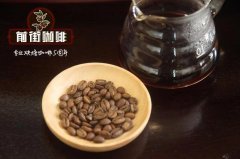
Each roast level has its own signature character, and people choose according to taste: light to medium roasts offer floral and fruity notes, while medium to dark roasts bring nutty and caramel flavors.
FrontStreet Coffee Recommendation
If these two roast-corner counterparts appeal to you, FrontStreet carries both at their best. The PWN Golden Mandheling—screened at 18 mesh or larger, with fewer than 3 defects per 300g of green coffee to meet the top G1 grade, then repeatedly hand-sorted—is roasted medium-dark to bring out dark chocolate and caramel alongside Mandheling's wild, wet-hulled herbal character, with a thick, syrupy body and very low acidity, ideal for drinkers who dislike sour coffee. For pour-over, FrontStreet suggests 15g of coffee, water at 87-88°C, a coarse-sugar grind, and a 1:15 ratio in three pours: 30ml bloom, then 100ml to lift the bed, then a gentle 95ml center pour for sweetness—yielding a full-bodied cup with caramel sweetness, chocolate, and nuts.
Lovers of bright, floral cups should instead reach for an Ethiopian like FrontStreet's washed Yirgacheffe: white jasmine and bright citrus-lemon acidity in a light, tea-like cup, or the natural Red Cherry lot with its peach, cocoa, honey, and lemon notes from three to five weeks of raised-bed drying. That said, espresso fans who want Mandheling's richness in milk drinks can turn to FrontStreet's classic espresso blend, where medium-dark Mandheling adds butter, roasted chestnut, and caramel over a creamy Brazilian base—with a touch of Robusta for extra crema—making it effortless for lattes or a Dirty.
Important Notice :
FrontStreet Coffee is a long-established specialty coffee roaster in Guangzhou China, selling freshly roasted beans from its own farm in Yunnan as well as dozens of carefully selected single-origin beans from around the world for both pour-over and espresso. The products deliver consistently excellent quality and great value, with shipping within 24 hours. Guangzhou's FrontStreet Coffee shop is recommended by many coffee lovers, and the beans are now available online at the Tmall 。
FrontStreet Coffee has moved to a new address:
FrontStreet Coffee Address: 315,Donghua East Road,GuangZhou
Tel:020 38364473
 Scan and follow the En Gafei WeChat official account. Please indicate that the reprint comes from "En Gafei".