El Salvador Coffee Varieties and Flavor Profile Introduction
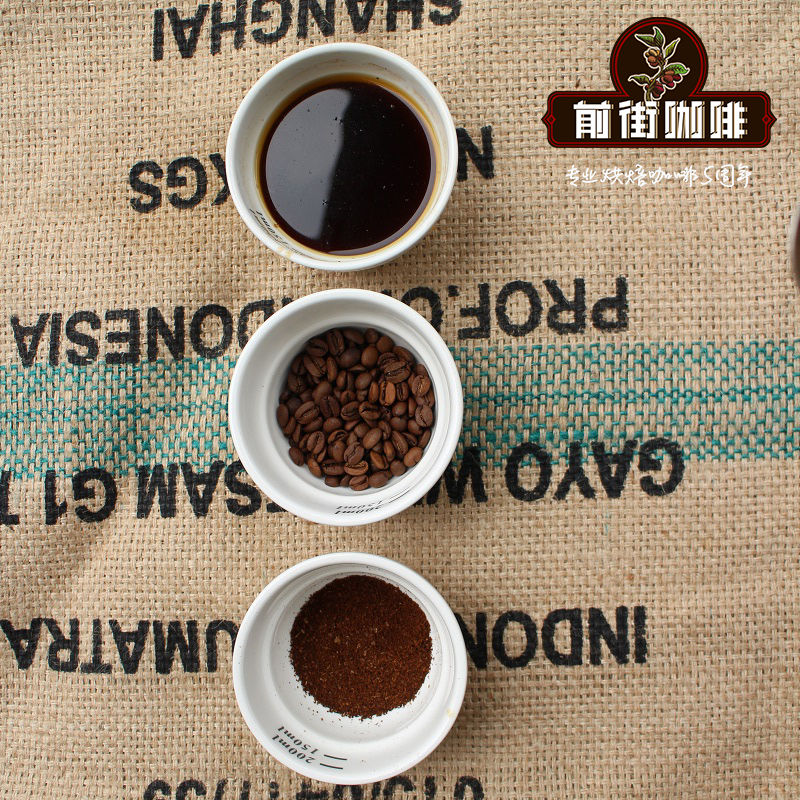
FrontStreet Coffee's El Salvador Olive Tree Estate Coffee Introduction
El Salvador is known as the "Land of Volcanoes," where volcanic soil has raised high-quality coffee trees and forged a relationship of mutual dependence between Salvadorans and coffee. Geographically, El Salvador sits between Honduras and Guatemala, with the Pacific Ocean to the south. The terrain is mostly mountainous highland, and its volcanic zones are rich in minerals. Most coffee farms in the country also practice shade cultivation.
El Salvador Coffee Varieties
The Pacamara variety was first cultivated in 1958 by researchers in El Salvador. Pacamara is an exceptional variety produced by artificial selection, and it surpasses its parent plants in quality. It inherits the best of both: the excellent cup of Pacas and the large bean size of Maragogipe. The beans reach at least 70-80% the size of elephant beans, with 100% measuring 17 screen or above and 90% measuring 18 screen or above. Average bean length is 1.03 cm, compared with 0.8-0.85 cm for typical beans, average width is 0.71 cm, compared with 0.6-0.65 cm, and thickness is 0.37 cm, giving a full, rounded shape. The variety's signature is its lively, sophisticated acidity: sometimes biscuit aromas, sometimes fruit, always with excellent body and mouthfeel. The best quality comes from El Salvador and Guatemala.
Pacamara beans are long, full, and rounded, averaging 1.03 cm in length. They are smaller than elephant beans but larger than typical coffee beans, and most Pacamara selections use beans of 18 screen or above. Pacamara is an exceptional variety from artificial selection, with production once reaching 3.225 million bags (60 kg per bag), though output has declined significantly since.
FrontStreet Coffee's El Salvador Olive Tree Estate Coffee Introduction
Variety
Kenya SL-28 is one of the two most revered varieties produced in the 1930s by Kenya's Scott Laboratories. Scott Laboratories no longer exists, but it survives as the National Agricultural Laboratory, part of the Kenya Agricultural and Livestock Research Organization. Both varieties descend from Bourbon, though along different lines: SL-28 was developed from drought-resistant varieties originally planted in Tanganyika, part of modern Tanzania, and it is generally considered to have the highest quality but lower yields than other commercial Arabica varieties.
The SL varieties show bronze-colored young leaves. SL28 does not yield as much as growers might hope, but its copper-colored leaves and kidney-shaped beans deliver wonderful sweetness, balance, and complex, varied flavors, along with distinctive citrus and plum characteristics. In the cup the coffee has strong, rich fruit acidity, a full body, and beautiful balance.
Flavor Profile
Berry aromas rise from the fragrance, with citrus, berry, and lemon notes in the cup, followed by a subtle herbal finish. The aftertaste carries nutty and cream aromas, and the overall mouthfeel is clean and bright.
El Salvador Olive Tree Estate
Estate: Olive Tree Estate
Altitude: 1800-1950M
Variety: Kenya SL28
Processing: Washed
Grade: SHB
Harvest Year: 2019
END
FrontStreet Coffee Recommendation
SL-28 is the thread that ties this estate to East Africa, and the FrontStreet Kenya Little Tomato lets you follow it to the source. Grown in Kenya's Thika region at 1,550-1,750 meters from the classic SL28 and SL34 varieties, it undergoes a Kenyan-style 72-hour double washed fermentation that amplifies fruit while keeping the cup clean and pure, then a light roast that preserves the lively acidity and layered fruit. The dry fragrance alone brings dried cherry tomato and florals; in the cup you get clear cherry tomato and smoked plum, bright and solid acidity with the fullness of fresh-pressed juice, a sweet mid-palate of snow pear and black plum, and a clean, long finish of yellow sugar sweetness and a hint of green tea.
For a fruitier, more tropical take on the same light-roast style, the FrontStreet Ethiopia Hualui is worth a place on the shelf. Its tropical fruit aromatics are remarkably forward, with strawberry, passion fruit, jackfruit, and even lychee showing up regularly, backed by obvious sweetness and almost no bitterness, a smooth entry, and a mouthwatering juiciness that has led many drinkers to call it the coffee that does not taste like coffee.
Important Notice :
FrontStreet Coffee is a long-established specialty coffee roaster in Guangzhou China, selling freshly roasted beans from its own farm in Yunnan as well as dozens of carefully selected single-origin beans from around the world for both pour-over and espresso. The products deliver consistently excellent quality and great value, with shipping within 24 hours. Guangzhou's FrontStreet Coffee shop is recommended by many coffee lovers, and the beans are now available online at the Tmall 。
FrontStreet Coffee has moved to a new address:
FrontStreet Coffee Address: 315,Donghua East Road,GuangZhou
Tel:020 38364473
 Scan and follow the En Gafei WeChat official account. Please indicate that the reprint comes from "En Gafei".