Flavor Profile and Taste Description of Brazil Cerrado Queen's Estate Bourbon Variety Coffee Beans with Special Processing Methods
Brazilian Coffee Characteristics
Among the many specialty coffees at FrontStreet Coffee, the Brazilian coffee doesn't dazzle with any single standout trait — and that's exactly its charm. It offers a balanced taste, low acidity, moderate body, and chocolate and nut notes. Those balanced characteristics, combined with excellent quality and an affordable price, are why it features so widely in espresso formulations. FrontStreet Coffee's menu includes three self-roasted espresso blends, and all of them contain Brazilian beans.
Brazil leans into this mild taste profile, grading green coffee into five quality levels to express its gentle, smooth "soft bean" aesthetic: Strictly Soft, Soft, Softish, Hardish, and Rioy. Premium Brazilian coffee should embody subtle nut sweetness, lower acidity, good viscosity, and a smooth mouthfeel. Beans from the Cerrado region are renowned for precisely these traits; most are exported to Europe and the Americas, making Cerrado coffee synonymous with Brazilian specialty coffee.
Brazil Cerrado Region
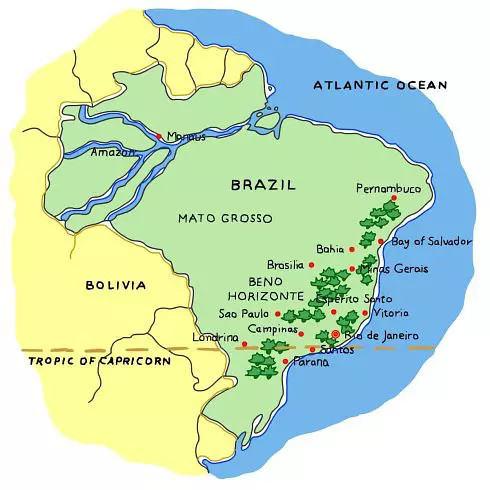
Cerrado sits in the northwestern part of Minas Gerais state, one of Brazil's seven major coffee-producing states. It produces an average of 5 million bags of coffee annually — a quarter of the state's production and 12.7% of Brazil's total output. As the first Brazilian coffee region to obtain a designation of origin for specialty coffee, Cerrado represents Minas Gerais on the world stage and has won numerous awards in Brazil's Cup of Excellence (COE) competition.
While most Brazilian regions compete on quantity, Cerrado's excellent soil and climate are inherent advantages. The average annual temperature is around 21 degrees Celsius, and the fertile, mineral-rich soil gives the beans ample nutrition. Distinct wet and dry seasons mean cherries typically mature between May and September — which is what makes Cerrado coffee stand out among Brazilian beans.
Semi-Washed Processing Method
Cerrado's premium flavor also owes much to the semi-washed method, also known as pulped natural. Brazil's harvest season coincides with the dry season, so cherries are well suited to direct sun drying. But traditional natural processing could be crude — cherries dumped straight onto the ground, often lending the coffee earthy flavors. To improve quality, Brazil developed and promoted semi-washed processing in the 1990s, a method falling between natural and washed.
The steps: after picking, cherries are sorted to remove leaves, stones, and other impurities, then poured into water tanks where flotation removes underripe fruit. Machines remove the skin, pulp, and part of the mucilage, followed by an hour of washing. Because the soaking and fermentation time is short, the mucilage isn't fully washed away. The parchment beans, still carrying some mucilage, are spread on patios to dry. Semi-washed saves water and labor and takes less time than traditional natural drying, which is why it's so widely used in Brazil.
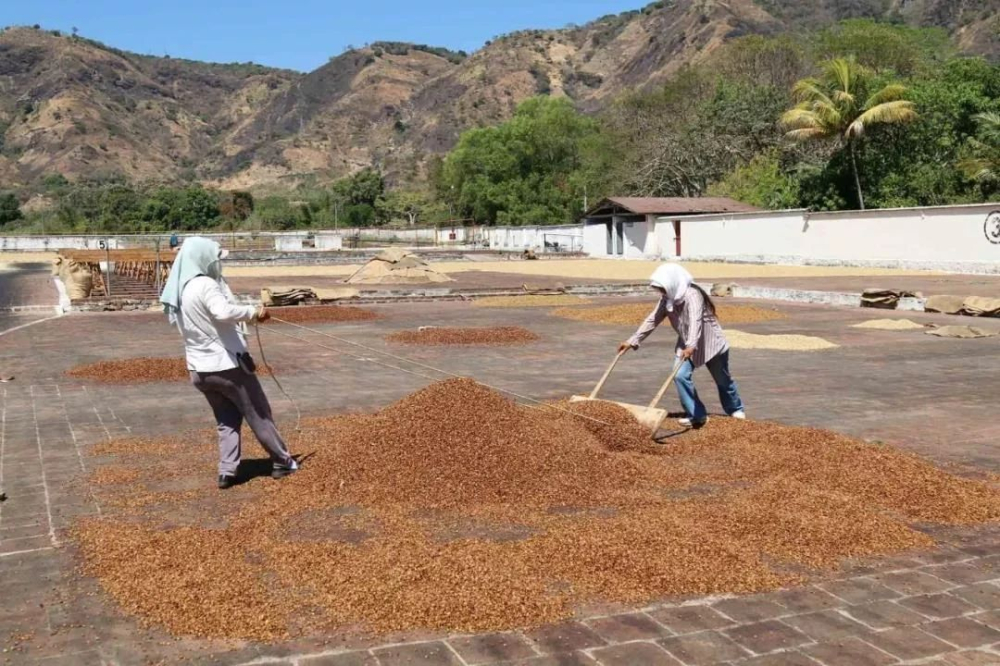
FrontStreet Coffee's Brazilian Cerrado daily beans use semi-washed processing with multi-stage screening that greatly improves bean cleanliness. Another FrontStreet Coffee offering — the Brazilian Queen Estate beans — uses refined small-batch natural processing instead. At large scale, natural lots can over-ferment when turning is insufficient, creating undesirable fermented flavors. Queen Estate dries its beans entirely in small batches on raised African beds, avoiding earthy and fermented notes, with a sweetness that surpasses traditional semi-washed processing.
Bourbon Variety
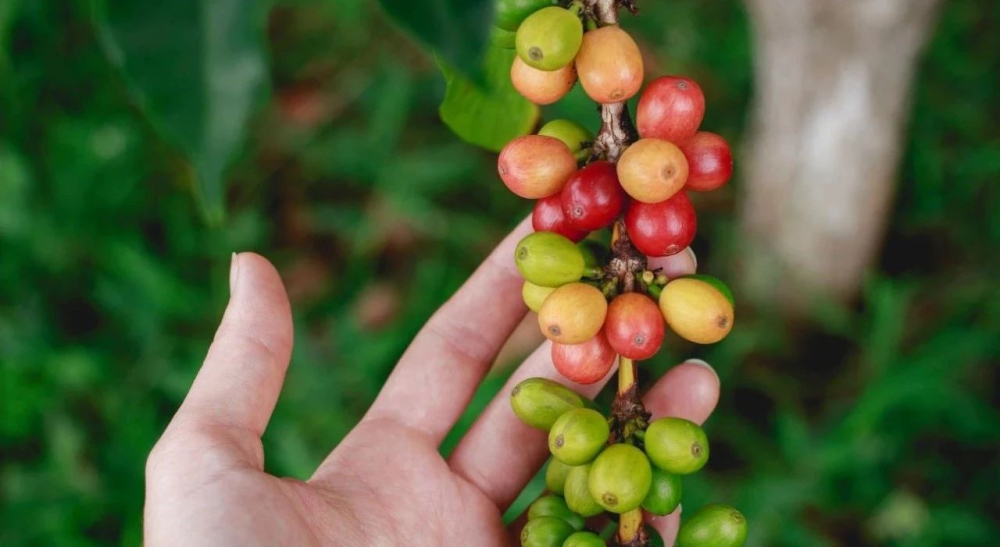
Bourbon derives from the ancient Typica variety and has round-shaped beans. It was introduced to Brazil in 1927 and subsequently spread across Central and South America. Although its yield isn't high, compared to delicate Typica it resists leaf rust better. High-altitude Bourbon features rich, delicate flavors, aromatic fragrance, and smooth acidity. The Bourbon cherries we usually see transition from green to light yellow, orange-yellow, red, and finally fully ripe dark red — that's Red Bourbon.
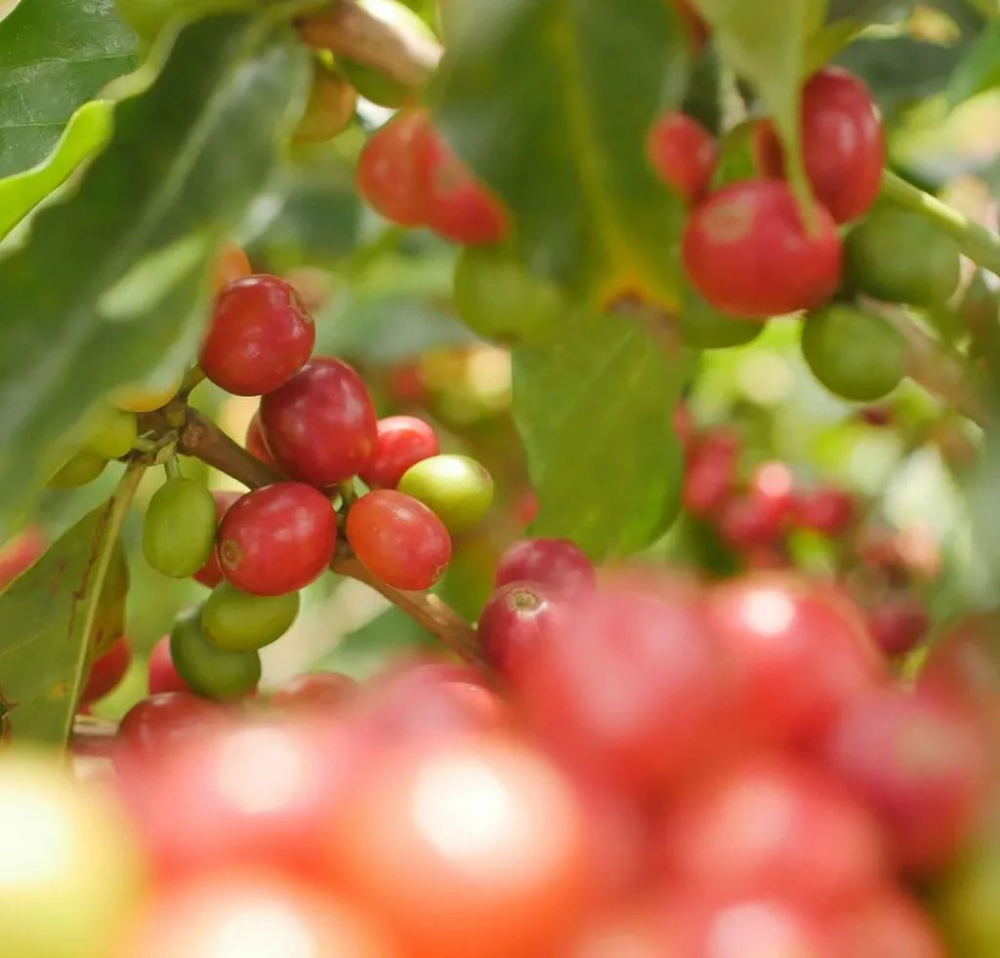
Brazil also has a Bourbon variant whose ripe fruit turns orange-yellow — Yellow Bourbon, unique to São Paulo state. High-altitude Yellow Bourbon is rich in fructose and can deliver sweet, juicy flavor profiles. It once dominated Brazil's "Super Cup" competition for two consecutive years, nearly sweeping all the top three places, and became a sensation in the specialty coffee community! FrontStreet Coffee's Brazilian Queen Estate coffee is made from this exquisite Yellow Bourbon variety, while the FrontStreet daily beans use the common Red Bourbon.
Bourbon Coffee Bean Flavors
The idea behind FrontStreet Coffee's daily bean series is to help anyone new to specialty coffee quickly recognize classic regional flavors. To showcase what makes each region unique, FrontStreet Coffee has selected representative regions across various varieties and roasts each appropriately — the chocolate richness of the Brazilian Red Bourbon, the jasmine fragrance of the Ethiopian washed Yirgacheffe, the herbal spice notes of the Indonesian Mandheling, and the elegant, clean dark chocolate of the Colombian Huila. And because FrontStreet Coffee wants everyone to have the best possible brewing experience, only beans roasted within the last 5 days are shipped, so they arrive still at their optimal tasting window.
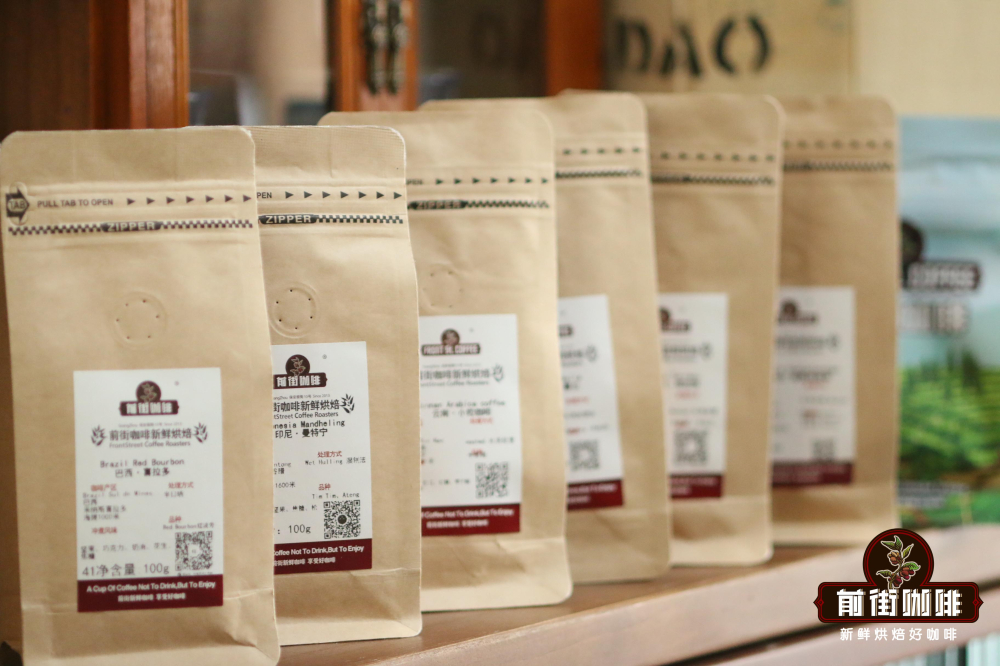
Because high-altitude Bourbon beans have higher density and glucose content, FrontStreet Coffee's roasting approach highlights the classic rich aroma of Brazilian coffee while letting Bourbon's inherent sweetness shine. After multiple roasting experiments and cupping comparisons, both Brazilian beans on the menu use a medium-dark roast. Below, FrontStreet Coffee brews both coffees — if you want to understand Brazilian coffee flavors, follow along with this pour-over approach.
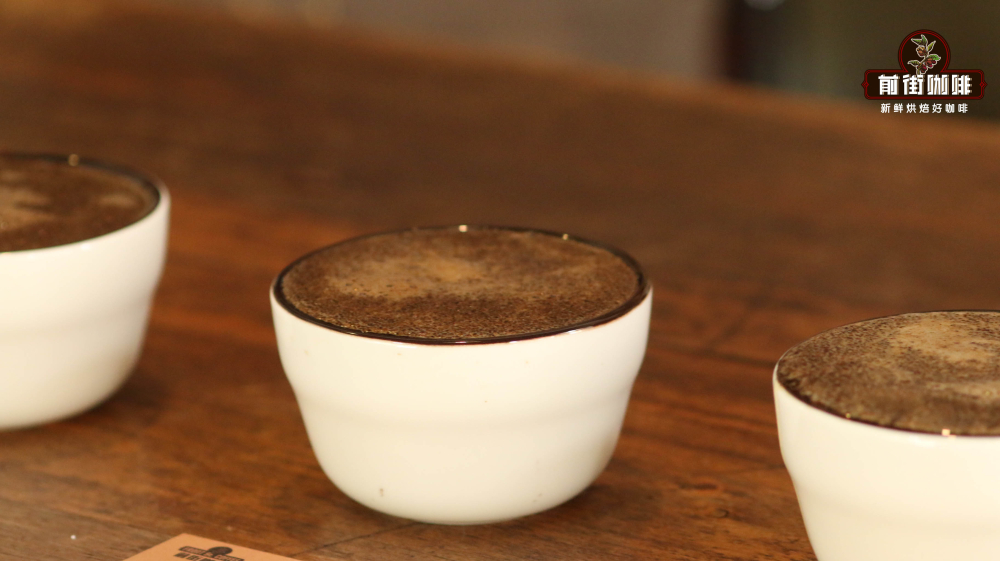
Medium-dark roasting significantly changes the beans' internal structure, making them more porous, and ground coffee absorbs water more readily. If your parameters aren't adjusted, the cup can easily over-extract and turn bitter. To get plenty of aroma without over-extraction, you need to lower the extraction rate. FrontStreet Coffee uses a lower water temperature and a coarser grind to limit the release of large bitter molecules, and extracts with a KONO dripper to boost body and roundness.
Pour-over Parameters:
Water temperature: 87-88°C
Medium grind (70% pass-through rate on a #20 standard sieve)
Coffee: 15 grams
Coffee-to-water ratio: 1:15
Three-stage pouring method
Use twice the coffee's weight in water to wet the bed, let it dome and bloom for 30 seconds. Then, with a small stream, pour in circles from the center outward up to 125g for the first stage. Once the bed drops to half the height of the dripper, continue with the same fine stream to 225g for the final stage. Remove the dripper once all the liquid has drawn down — about 2 minutes total. Give the server a gentle swirl to even out the cup before enjoying.
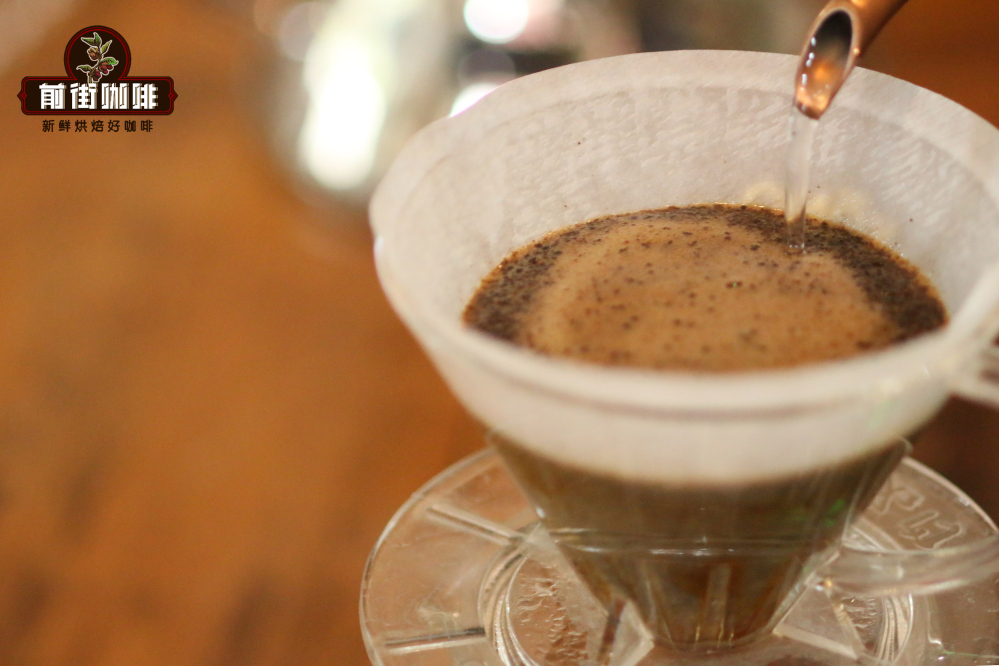
The pour-over FrontStreet Brazilian Cerrado daily beans taste clean overall, with full nutty and caramel aromas and a sweet chocolate aftertaste — everything in balance.
The pour-over FrontStreet Brazilian Queen Estate Yellow Bourbon presents aromas of dark chocolate, cream, and nuts, an entrance as refreshingly sweet as sugarcane, clear flavors, and a long-lasting finish.
Professional Coffee Knowledge Exchange
For more coffee bean information and specialty coffee recommendations, follow FrontStreet Coffee.
FrontStreet Coffee Recommendation
If you just want a taste of classic Brazil, go for the FrontStreet pulped natural Cerrado Red Bourbon — a truly classic Brazilian single origin. Roasted medium, it pours with rich aromas of creamy peanut, toast, caramel, and hazelnut, round on the palate with no acidity, just a whisper of bitterness. It works everywhere: pour-over, moka pot, espresso as a single origin, siphon, or French press.
For something more refined, the FrontStreet Queen Estate Yellow Bourbon from Mogiana — grown in fertile red volcanic soil near southern Minas — is a rare mutation of Red Bourbon with an even cleaner fruit character. Through pour-over, moka pot, or a home espresso machine you'll find the sugarcane sweetness unique to this estate, plus fruit and chocolate notes. And Brazil is the backbone of FrontStreet Coffee's espresso blends too: the crema-rich Classic Blend, the nutty Signature Blend, the balanced Dark Cocoa Blend, and the café-oriented Commercial Blend all include Brazilian beans, adding chocolate, cream, and a soft sweet-sour-bitter balance that keeps extractions stable.
Important Notice :
FrontStreet Coffee is a long-established specialty coffee roaster in Guangzhou China, selling freshly roasted beans from its own farm in Yunnan as well as dozens of carefully selected single-origin beans from around the world for both pour-over and espresso. The products deliver consistently excellent quality and great value, with shipping within 24 hours. Guangzhou's FrontStreet Coffee shop is recommended by many coffee lovers, and the beans are now available online at the Tmall 。
FrontStreet Coffee has moved to a new address:
FrontStreet Coffee Address: 315,Donghua East Road,GuangZhou
Tel:020 38364473
 Scan and follow the En Gafei WeChat official account. Please indicate that the reprint comes from "En Gafei".