Is Guji Coffee Delicious? Comparing Flavor Profiles and Taste Characteristics of Guji and Gesha Coffee Varieties
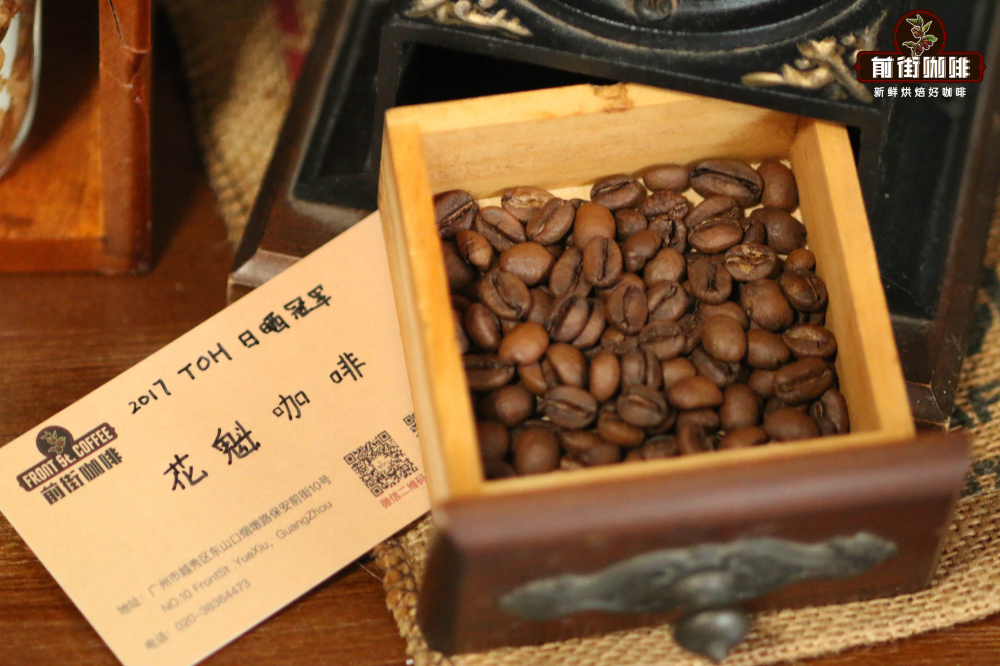
The full English name of FrontStreet Coffee's Flower Queen coffee beans available in our stores is Ethiopia Guji Hambela Buku Abel, where "Hambela" is the region name. Chinese green bean traders introduced it and named it Flower Queen, aiming to compete with Panama's Geisha from La Esmeralda estate. Light-roasted FrontStreet Coffee Flower Queen shows elegant pink floral notes when pour-over brewed, with clear, juice-like flavors of peach, passion fruit, and mango on entry. The pleasant acidity and sweetness have made it a top choice for many lovers of floral and fruity coffee.
FrontStreet Coffee Flower Queen Originates in Ethiopia
Hambela lies at the junction of Ethiopia's West Sidamo and Guji zones, under the administration of the Guji zone, and it is adjacent to Yirgacheffe's Kochere across the mountains. The range running through it reaches 3,200 meters, making it Ethiopia's highest-altitude sub-region. Sidamo sits on the fertile highlands south of Lake Awasa in the East African Rift Valley, with abundant rainfall and a suitable climate. With elevations from 1,500 to 2,200 meters, it is a perfect place for coffee. The high altitude combined with moderate shade growing lets the cherries mature slowly in cool temperatures, accumulating more nutrients that later become flavor compounds.
This FrontStreet Coffee Flower Queen was entered by the DW company in the 2017 TOH (Ethiopia National Taste of Harvest competition), where it took first place and then began to reach the market. In English, Flower Queen is called Hambella, the name of the Hambella region. Flower Queen coffee consists of natural-processed beans from the Buku Abel processing station in Guji. The Buku Abel station buys coffee cherries from different nearby areas for processing and sale.
Characteristics of the Natural Process
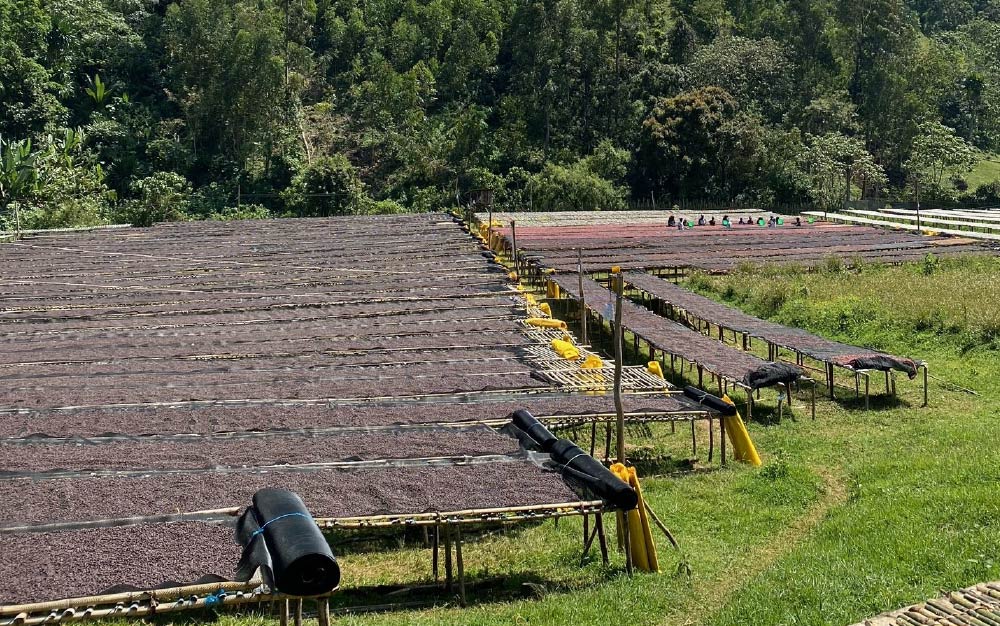
During the annual harvest season, from December to January, the Buku station organizes farmers to pick fully red cherries with a sugar content above 30 degrees, and the selected fruit is placed on African raised beds to dry. Because the local day-night temperature difference is large, farmers use shade covers at midday to avoid excessive heat and over-fermentation, and wrap the beds in plastic at night to guard against sudden rain. The fruit is turned around the clock to ensure even drying while preventing sun scald or unpleasant fermentation flavors. After roughly 18 days of natural processing, the moisture content of the green beans drops to 13%, allowing the outer shell to be removed mechanically.
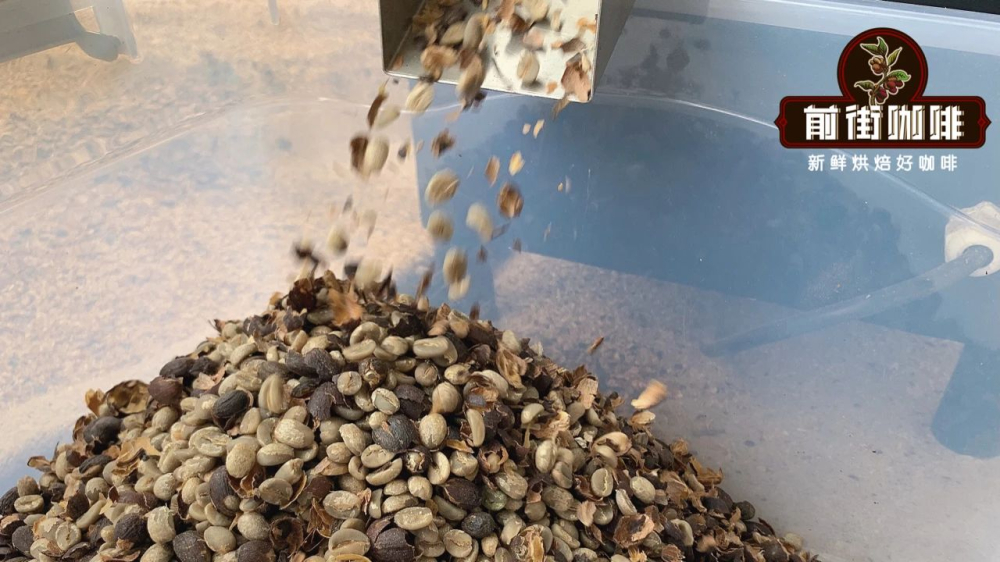
As Ethiopia's oldest traditional processing method, natural drying is still used for the vast majority of green beans in the Sidamo region. Classic Sidamo flavor is characterized by the full body that natural processing gives, with complex sweetness, a thick and smooth mouthfeel, and rich layers of interwoven spice, flower, and fruit notes, accompanied by a bright aftertaste.
Compared with washed processing, natural processing involves a longer fermentation and a higher degree of reaction between microorganisms and fruit pulp. When the fruit begins to ferment, microorganisms produce more volatile compounds, especially esters. Although most sugars are destroyed during roasting, these compounds turn into other aromatic compounds through caramelization reactions, giving roasted beans more floral and tropical-fruit fermentation notes. This broadens the flavor profile of natural coffee and makes it taste sweeter.

How Ethiopian Flower Queen Differs from Geisha
Geisha is a coffee variety from the Kaffa forest of Geisha Mountain in Ethiopia. In 1931 a British collector gathered coffee beans from the Geisha Mountain area in southwestern Ethiopia and exported them to Kenya in 1932. They reached Uganda and Tanzania in 1936 and Costa Rica in 1953, and in the 1970s Francisco Serracin of Panama's Finca Deborah introduced the Geisha variety from Costa Rica's CATIE.
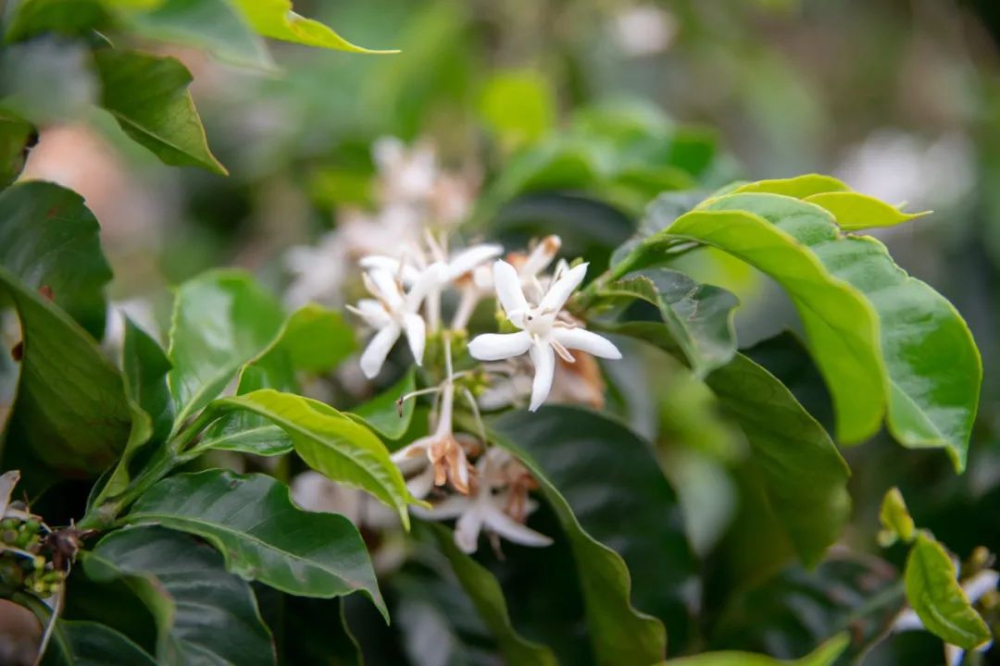
Compared with other varieties, the most striking feature of Geisha coffee is its extremely low yield. Its morphology includes long internodes on the branches, wide spacing between nodes, and fewer flowers and fruits on the trees. Geisha beans are slender and elongated, pointed at both ends, with full, plump middles. The variety is quite "picky" about its environment, requiring high altitude, frequent cloud cover or significant tree shade, and fertile soil to develop its rich, captivating florals, refined and elegant fruit acidity, and tea-like aftertaste. If you are tasting Geisha for the first time, FrontStreet Coffee suggests starting with Geisha from its famous origin region of Panama, whose estates have more cultivation experience with the variety and whose Geisha flavors are more representative.
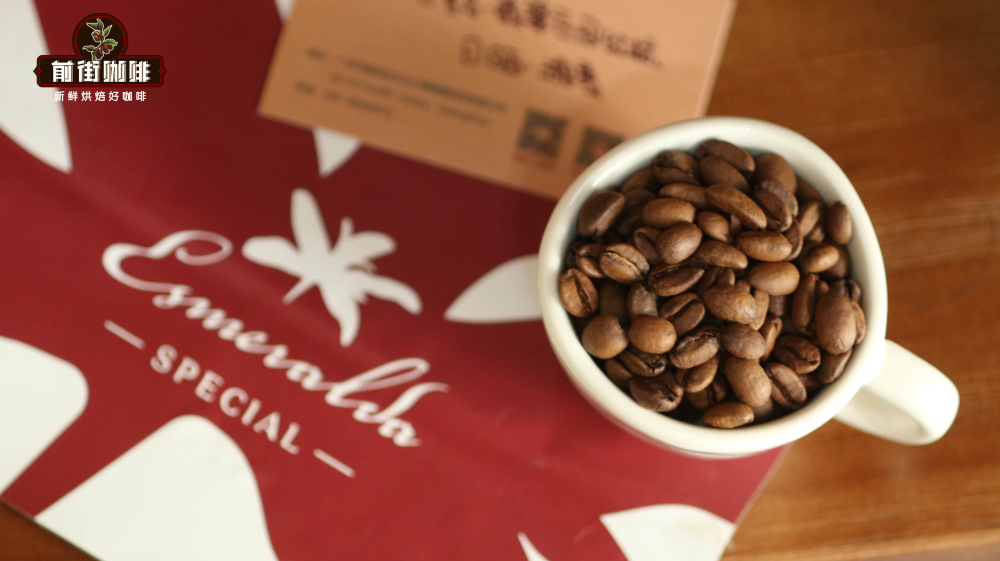
Flower Queen, meanwhile, belongs to Ethiopia's local heirloom varieties. You can usually see that the bean sizes and shapes are not uniform, since the lot may contain multiple varieties that were never separated. This is because Ethiopia, as a treasure trove of coffee genetics, has too many varieties, and local farmers have limited resources, which makes classification difficult. The local government also chooses not to disclose variety information for protection reasons, so these beans are collectively called "heirloom varieties."
As everyone knows, coffee is an agricultural product, and flavor is influenced not only by variety but also by terroir, post-processing, roasting, and brewing, all of which shape the cup to different degrees. Flower Queen and Geisha are two different varieties, so their flavors will certainly differ.

Through cupping, FrontStreet Coffee found that its high-altitude Geisha beans, whatever the processing method, always show captivating florals, bright citrus acidity, and oolong tea sensations. FrontStreet Coffee Flower Queen, as a natural-processed Ethiopian heirloom, gains fermentation notes and sweetness from the natural method, so while it keeps the rich florals and fruit of a heirloom variety, it adds full sweetness, making FrontStreet Coffee Flower Queen taste like berries and tropical fruit with a sweet-and-sour juice quality, and its aftertaste carries oolong tea notes.
FrontStreet Coffee Brewing Recommendations
Next, FrontStreet Coffee uses two regular contenders from our stores, FrontStreet Coffee Flower Queen 8.0 and FrontStreet Coffee Panama Boquete Washed Geisha, as brewing subjects, then tastes and compares their flavor and mouthfeel.
Everyone knows that both Ethiopian Flower Queen and Panama Geisha are world-famous for their rich florals and complex fruit profiles. FrontStreet Coffee wants to preserve more of their quality fruit acidity, so we choose medium-light roasting, with small adjustments for different batches. This roast level does not overly alter the quality of beans from high altitudes, so brewing calls for an increased extraction rate to present fuller flavor layers. That means higher water temperatures and finer grind sizes, paired with a standard V60 dripper, to draw out more aromatic compounds.

Dripper: V60
Water Temperature: 91-92°C
Dose: 15g
Ratio: 1:15
Grind Size: Fine sugar consistency (80% passes a No. 20 sieve)
Three-stage extraction: the first stage uses 30g of water for a 30-second bloom, poured in even circles to form a dome. The second stage adds 95g of hot water. When the coffee bed drops to halfway, begin the third stage with 100g of water until all the coffee drips through. Start pouring from the center point, using a gentle, small stream with circular movements throughout to avoid uneven extraction. Once the coffee has dripped through, swirl gently to mix, and you can begin tasting from high temperature.

FrontStreet Coffee Panama Washed Boquete Geisha: at high temperature the coffee shows distinct white floral notes. On entry you feel the clean acidity of citrus, lemon, and bergamot, with a cream-like smooth mouthfeel on swallowing. The finish features the sweetness of Longjing green tea and honey with a mouth-watering quality. As the temperature drops slightly, the fruit acidity becomes more complex with distinct layers.

FrontStreet Coffee Ethiopia Sidamo Natural Flower Queen 8.0: even before tasting, FrontStreet Coffee smells an intense fruity sweetness, reminiscent of roasted sweet potato in winter. On entry there are multiple intertwined sweet-and-sour notes of dried mango, jackfruit, orange, and passion fruit, with a clear juice-like quality and a rounded mouthfeel. As the temperature drops slightly, the delicate sweetness of peach and the bright acidity of berries begin to emerge. After swallowing, you experience an aftertaste similar to drinking black tea, with extremely rich layers.
FrontStreet Coffee Recommendation
If the floral, fruit-forward character of Ethiopian coffee is what you love, FrontStreet's Yirgacheffe line is a rewarding place to explore next. FrontStreet Water-Washed Yirgacheffe is the classic everyday choice, known for white jasmine, bright citrus and lemon acidity, and a clean tea-like body; its accessible price has made it the first specialty bean for many drinkers just getting started.
FrontStreet Washed Gotiti comes from Gotiti village, whose cooperative lies at the southeastern end of Yirgacheffe and sticks to the most traditional washed processing. Known as the last pure land of Yirgacheffe, it carries clean citrus and lemon acidity with jasmine fragrance and none of the usual bitter character. For a natural alternative, FrontStreet Red Cherry uses a full-red-cherry natural process: only fully ripe, sound cherries are picked, screened, and dried on raised beds, turned every two to three hours in the first days to keep the drying even. After three to five weeks the outer fruit is machine-scraped and the beans are stored. Because the fruit dries with the cherry intact, the coffee keeps the classic Yirgacheffe profile while adding tropical fruit, with citrus-like acidity, a juicy berry quality, honeyed sweetness, and a creamy smoothness. A V60 at 90-91°C with 15g of coffee, a 1:15 ratio, and a fine grind brings out its best.
Important Notice :
FrontStreet Coffee is a long-established specialty coffee roaster in Guangzhou China, selling freshly roasted beans from its own farm in Yunnan as well as dozens of carefully selected single-origin beans from around the world for both pour-over and espresso. The products deliver consistently excellent quality and great value, with shipping within 24 hours. Guangzhou's FrontStreet Coffee shop is recommended by many coffee lovers, and the beans are now available online at the Tmall 。
FrontStreet Coffee has moved to a new address:
FrontStreet Coffee Address: 315,Donghua East Road,GuangZhou
Tel:020 38364473
 Scan and follow the En Gafei WeChat official account. Please indicate that the reprint comes from "En Gafei".