How are Guatemala Antigua Coffee Beans - Characteristics and Flavor Profile of Guatemala Coffee Beans
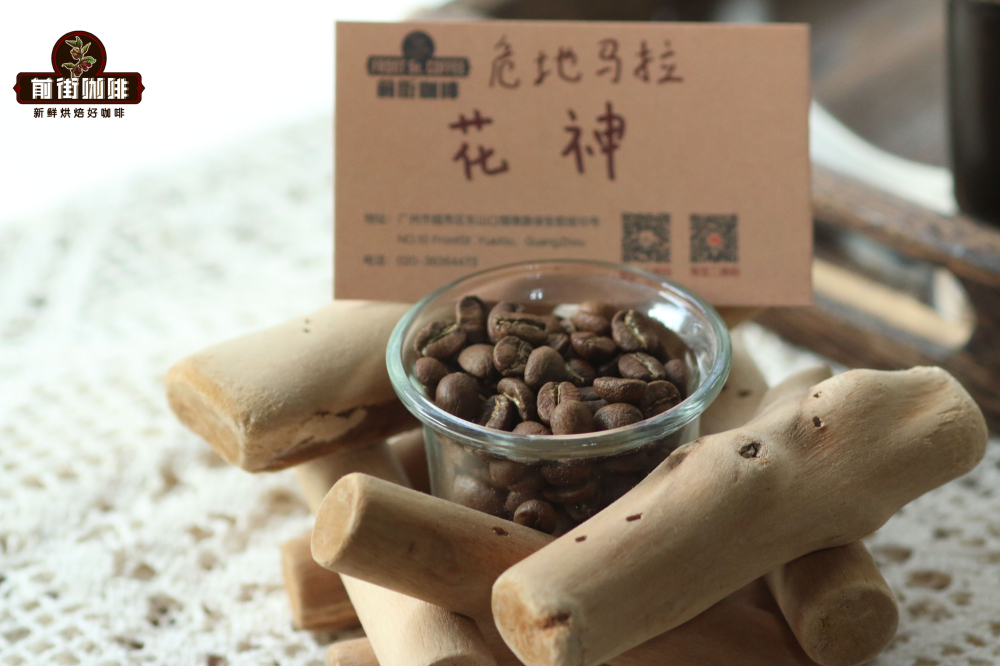
Guatemalan coffee is prized for its deep chocolate, cocoa and toffee sweetness, and nowhere is that character more pronounced than in Antigua, in the country's south-central highlands. Cups from this region come out smooth and full-bodied, layering chocolate and nut flavours over an elegant floral acidity and a distinctive smoky, almost charred note.
The Antigua Region
Antigua sits in southern Guatemala, hemmed in by three volcanoes: Agua, Fuego and Acatenango. Summers there are dry and winter frosts are not uncommon. The region is fortunate to lie in an active volcanic zone, though: pumice thrown out by eruptions breaks down in the soil into countless fine pores that hold moisture well, and the many shade trees planted across the estates shield the coffee trees from cold damage in winter. The wide swing between daytime and nighttime temperatures at high altitude gives the valley a microclimate all its own. FrontStreet Coffee carries a washed Flora Goddess from the Alaminuta estate in Antigua.
Alaminuta Estate Excellence
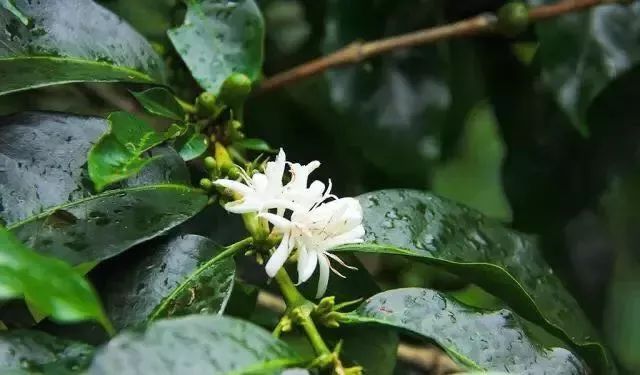
Alaminuta is known for excellent cultivation, careful processing and unusually strict quality control. The estate commissions Las Pastores, Antigua's largest washed processing mill, to handle its green coffee to very high standards, and sells the result under the name "Flora Goddess." The coffee keeps its regional character intact, while the dry aroma carries rich floral and tea notes. In the cup, lime-like acidity and berry flavours emerge and then give way to a honeyed finish. Outstanding clarity and generous layering are what set this Flora Goddess apart.
Organic Cultivation Practices
Alaminuta places great emphasis on organic farming. High altitude and a distinctive climate naturally limit pest populations, so no pesticides are used at all. The estate tests its soil twice a year to work out how often and how heavily to fertilize, delivering more nutrients to the trees and keeping disease at bay. That disciplined, science-led approach to farm management is what gives Flora Goddess its excellent flavour and has sustained its consistent quality over the years.
Washed Processing Method
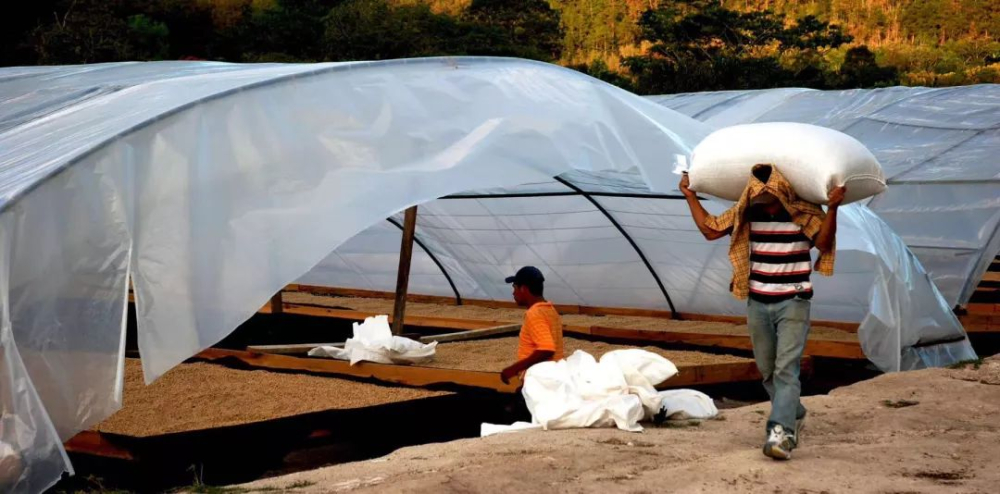
After the cherries are harvested, underdeveloped beans are removed by flotation. A pulping machine then strips away the fruit, and the coffee moves into fermentation, where microbial activity loosens the mucilage from the beans inside. The beans rest in the fermentation tanks for 16-36 hours. Once that stage is complete they are rinsed thoroughly in plenty of running water, then dried until their moisture content falls to 10-14%, at which point they can be bagged.
Coffee Varieties
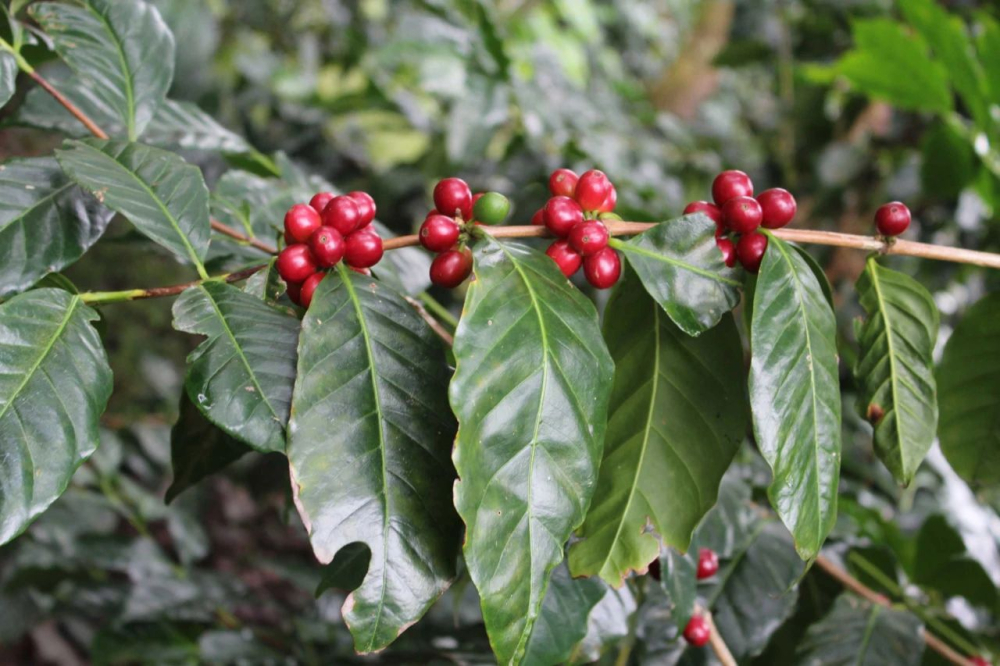
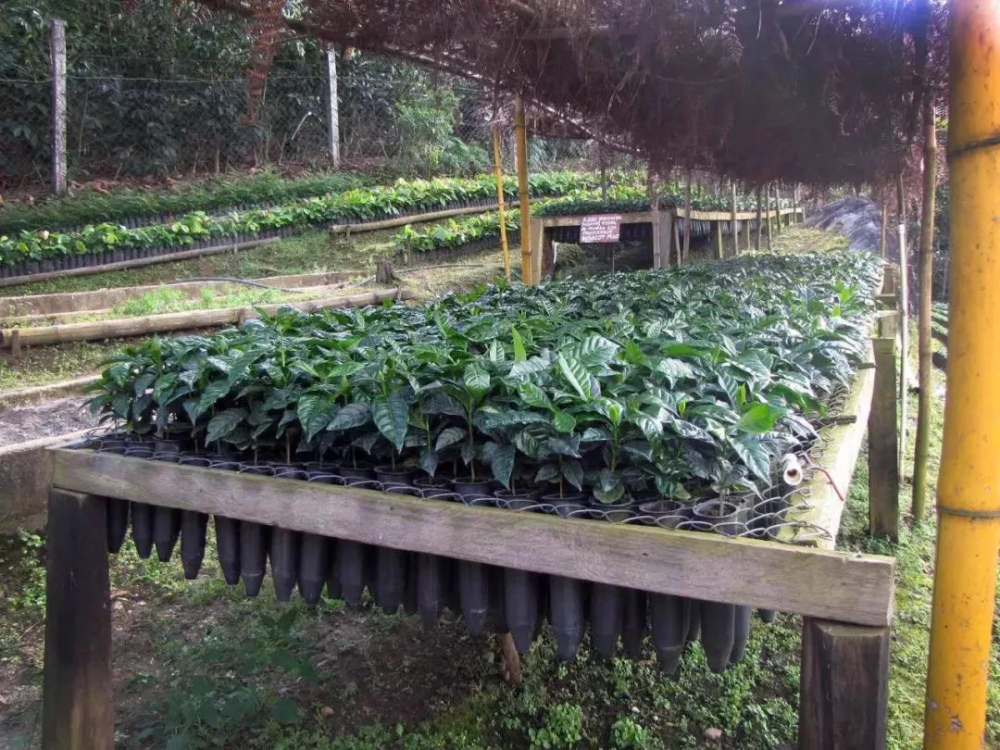
The Guatemala Flora Goddess is made up mainly of Bourbon, Caturra and Catuai. Bourbon and Typica are both old, high-quality varieties, clean in the cup with balanced acidity. Caturra brings lemon and citrus acidity but falls short of Typica and Bourbon on sweetness, and how sweet it tastes depends on how often and how heavily the grower fertilizes. Caturra has real yield potential, but sustaining that requires continuous fertilization and pruning, which produces short trees with many branches. Even so, the two-year harvest cycle and higher care costs put a ceiling on overall production.
Roasting and Flavor Profile
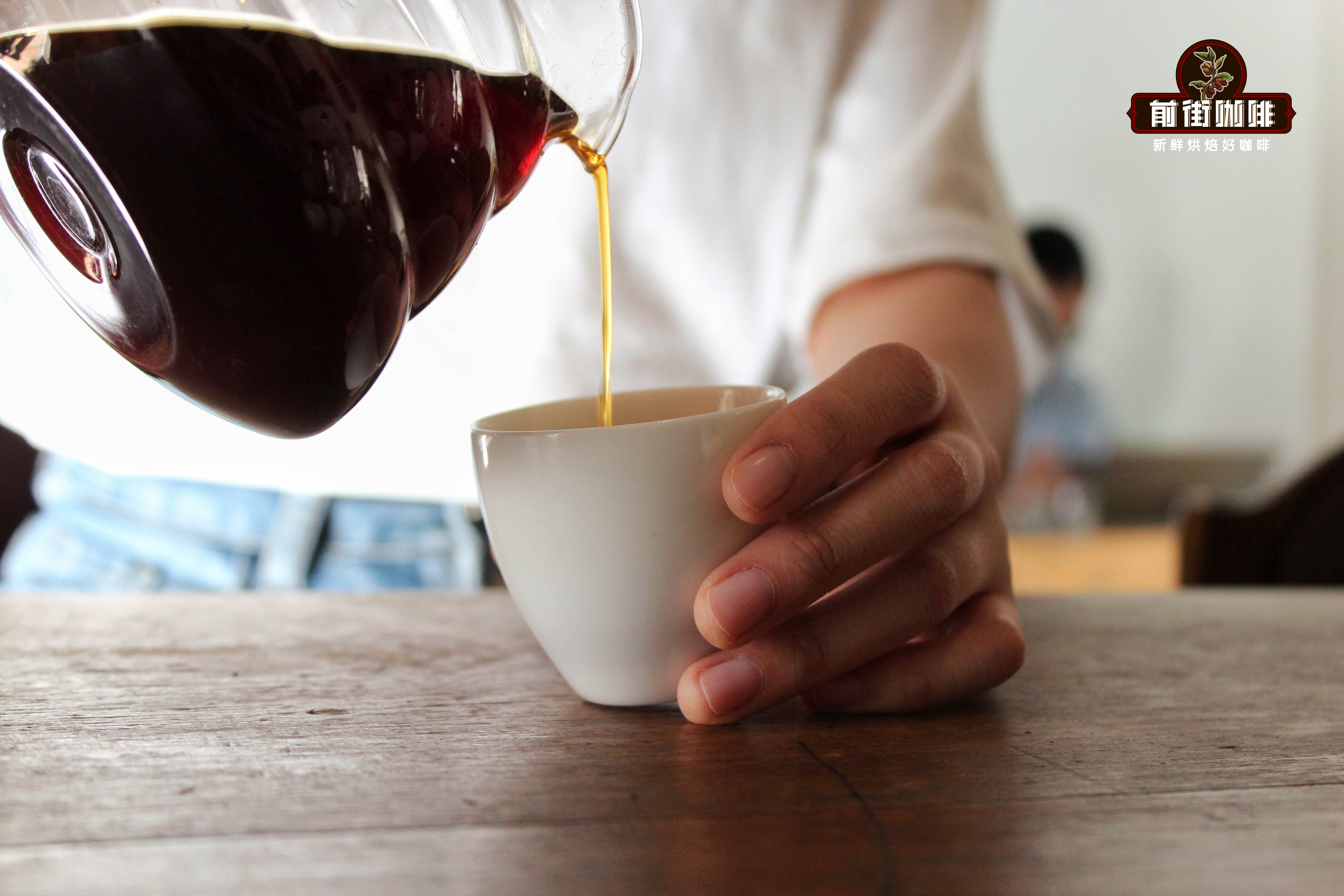
FrontStreet Coffee roasts this Flora Goddess to a medium level, preserving the bright acidity that showcases floral and fruit aromas while building richness and balance. This washed Guatemalan cup shows prominent, juicy citrus acidity, abundant florals, pleasant sweetness and a medium body, with faint caramel and smoky notes in the finish. Overall it is clean, mild and smooth in texture. FrontStreet Coffee most enjoys the lively, layered character of Flora Goddess as a pour-over black coffee.
FrontStreet Coffee's Brewing Recommendations
FrontStreet Coffee's pour-over reference:
Filter: V60
Water Temperature: 91°C
Dose: 15g
Ratio: 1:15
Grind Size: 80% pass-through on a #20 standard sieve
Coffee beans need 4-7 days after roasting to degas before they enter their optimal flavour window. As storage time increases, the coffee's aroma accelerates its escape and the flavour deteriorates noticeably. So that everyone can taste coffee at its best, FrontStreet Coffee ships only beans roasted within 5 days. Fresh beans make it far easier to draw out the excellent flavours of Flora Goddess.
Brewing Technique
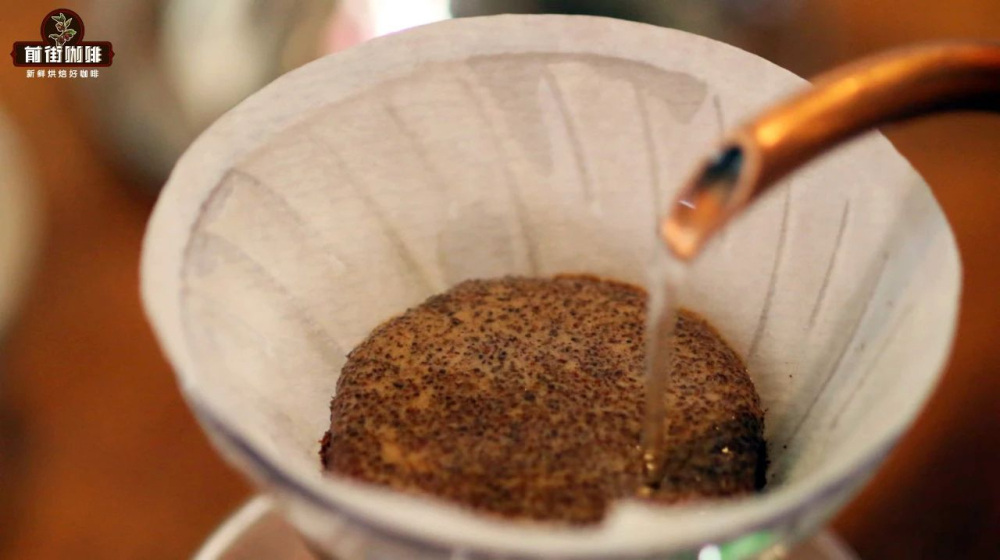
In brewing, FrontStreet Coffee's baristas habitually use a three-stage pouring technique.
The first stage is 30g of water for a 30-second bloom. Then pour 95g (the scale reads about 125g), finishing in roughly 1 minute. When the water level drops to two-thirds of the coffee bed, pour the remaining 100g (the scale reads about 225g), finishing in about 1 minute 35 seconds. The drip finishes at 2'10"; remove the filter cone and the extraction is complete.
FrontStreet Coffee Recommendation
The washed process runs through every stage of this Guatemalan cup, and it is where FrontStreet Coffee's own washed lineup shines brightest. If you like the lime-bright acidity and floral lift of a good Antigua, FrontStreet Coffee's washed Yirgacheffe Gudingding Cooperative is the natural next step: washing lets the bean's own aromatics lead, so the cup stays jasmine-forward and citrus-bright, with green tea and honey in the finish. Roasted light-medium, it works beautifully as pour-over, cold brew or espresso.
For a washed coffee with more fruit weight, FrontStreet Coffee's Kenya Cherry Tomato is a benchmark of the style. Kenya is known for putting its beans through a double washed process, and all that repeated soaking and rinsing pushes the juice-like character to the front: cherry tomato, smoked plum, snow pear and black plum, backed by a yellow-sugar sweetness. It rewards the same three-stage pour-over approach used above.
If balance rather than acidity is what you are after, FrontStreet Coffee's Jamaica Blue Mountain No. 1 is washed and famously even, with hazelnut, cream, chocolate and caramel and no single note dominating. Brew it slightly cooler and a touch coarser to keep the finish clean.
Important Notice :
FrontStreet Coffee is a long-established specialty coffee roaster in Guangzhou China, selling freshly roasted beans from its own farm in Yunnan as well as dozens of carefully selected single-origin beans from around the world for both pour-over and espresso. The products deliver consistently excellent quality and great value, with shipping within 24 hours. Guangzhou's FrontStreet Coffee shop is recommended by many coffee lovers, and the beans are now available online at the Tmall 。
FrontStreet Coffee has moved to a new address:
FrontStreet Coffee Address: 315,Donghua East Road,GuangZhou
Tel:020 38364473
 Scan and follow the En Gafei WeChat official account. Please indicate that the reprint comes from "En Gafei".