Mandheling Coffee Bean Flavor Profile Guide: Understanding the Taste Characteristics of Mandheling Coffee
The coffee wave has quietly developed into a fourth wave. Since 2004, specialty coffee has conquered café after café with its fruit-bomb style, winning over wave after wave of drinkers. Yet even with the fourth wave of specialty coffee upon us, some enthusiasts remain loyal to the robust flavors of the second coffee wave. Among these, the FrontStreet Coffee Mandheling beans from Indonesia's Sumatra have been spreading their fragrance for more than half a century, since the 1960s.
Even though FrontStreet Coffee's bean shelf displays several equally rich, aromatic, low-acidity coffees such as FrontStreet Coffee's Brazil Queen Estate Sun-Dried Yellow Bourbon, FrontStreet Coffee's Papua New Guinea Washed Typica, and FrontStreet Coffee's Jamaica Blue Mountain No. 1, there are always connoisseurs who reach for Indonesia's PWN FrontStreet Golden Mandheling.
The Unique Character of FrontStreet Coffee Mandheling
FrontStreet Coffee Mandheling has always expressed a distinctive sweetness through its equally distinctive bitterness, much like bitterness and sweetness in life. FrontStreet Coffee has heard friends describe drinking it with a phrase that translates as "sweetness comes after bitterness." Of course, appreciating that bitterness and sweetness takes some training.
The Historical Origins of Sumatra Coffee
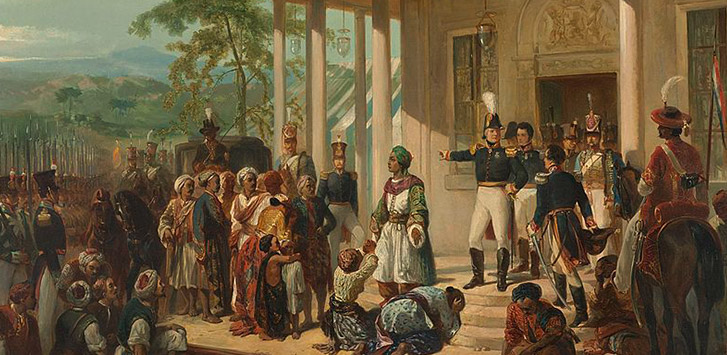
The reason Indonesia's Sumatra can produce FrontStreet Coffee Mandheling is inseparable from a stretch of European colonial history. Coffee seeds were often smuggled secretly out of Africa and transplanted to the colonies. At the end of the 17th century, the Dutch East India Company moved Arabica coffee trees from India to the island of Java. With a favorable combination of climate, soil, and people, coffee quickly took root on Java and spread to the islands of Sumatra and Sulawesi.
In the early 20th century, an outbreak of coffee leaf rust caused devastating damage to the coffee trees on Java, forcing a switch to the more disease-resistant Robusta. Today Indonesia is a major coffee-producing country, with some regions growing first-class Arabica. The Arabica produced on Sumatra is commonly called Mandheling coffee.
FrontStreet Coffee's Mandheling Varieties
On FrontStreet Coffee's bean shelf you can find two types of Mandheling: PWN FrontStreet Golden Mandheling and FrontStreet Lintong Mandheling from the daily bean series. Together they represent the traditional and the newer flavors of Sumatran Mandheling.
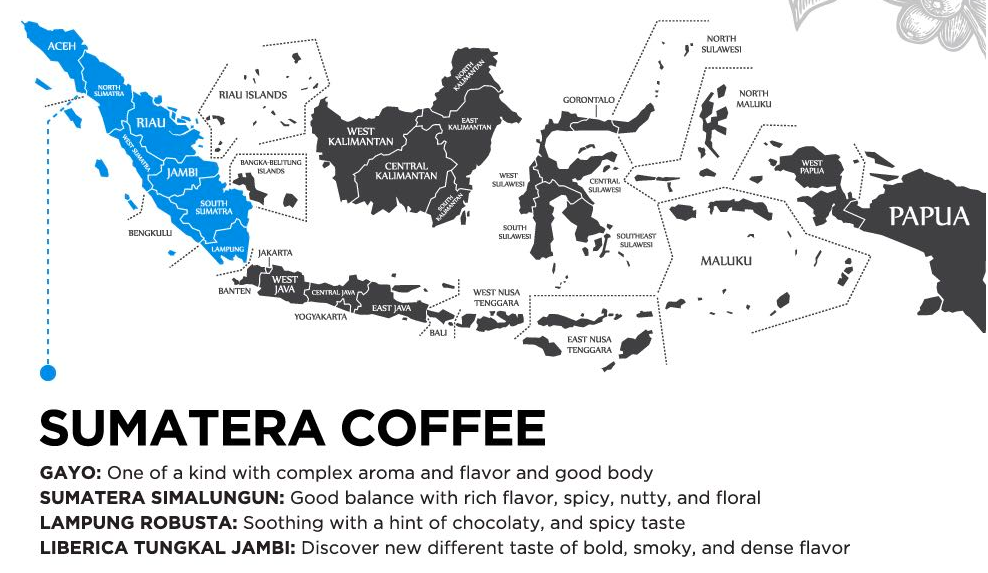
The traditional Mandheling producing region lies in the Lintong area south of Lake Toba in North Sumatra Province. The local wet-hulling process gives FrontStreet Coffee Mandheling a heavy mouthfeel, with herbal plant notes like camphor and pine alongside chocolate and caramel aromas.
It was not until 1924 that the Aceh region of North Sumatra introduced Arabica coffee trees from North Sumatra Province. Coffee production in Aceh then gradually surpassed the traditional Lintong area. With global warming, the area suitable for coffee cultivation in the traditional Lintong region may shrink significantly or even disappear by 2050, while Aceh may become the winner in this climate shift, replacing Lintong's standing.
Flavor Differences and Processing Methods
Although both are called "Mandheling," they differ subtly in flavor. Mandheling from the Aceh region, for instance, is brighter in flavor and mouthfeel, with less intense herbal notes — closely tied to the methods and practices used to produce Mandheling in the two regions.
Because Sumatra has abundant year-round rainfall, high temperatures, and high humidity, sun-drying could leave coffee cherries ruined by rain or even over-fermented. Washed processing, meanwhile, requires ample water and capital investment, making it difficult to carry out under limited economic conditions. So the wet-hulling method emerged.
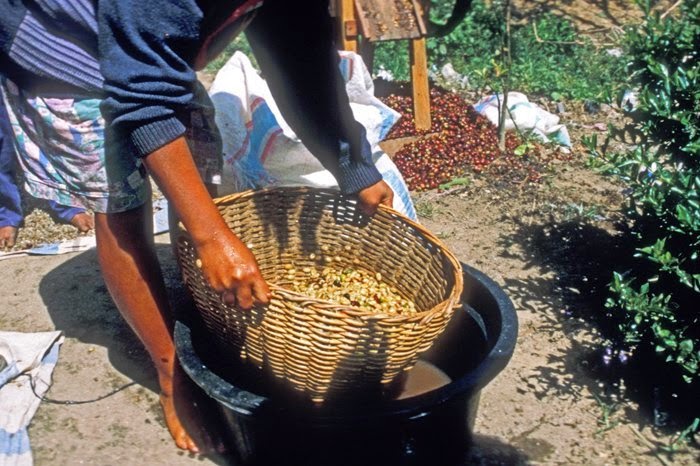
After the pulp is removed from selected cherries, the parchment beans with their sticky mucilage are briefly washed and then placed in water tanks for a short fermentation. The longer the fermentation, the more pronounced the acidity. Some processing plants or estates, aiming to create FrontStreet Coffee Mandheling with extremely low acidity, may skip the fermentation step entirely and spread the parchment beans out to dry directly. This approach suppresses acidity while enhancing the viscosity of the mouthfeel.
The Wet-Hulling Process
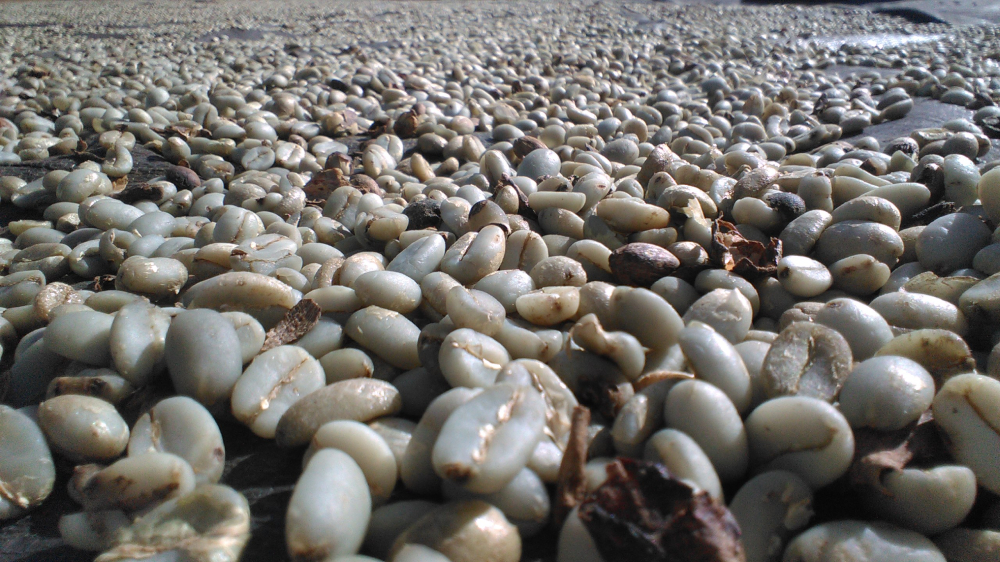
When the parchment beans reach a semi-dry, semi-wet state, the outer parchment layer is removed. The parchment is an important protective layer for green coffee, so removing it before the beans are fully dry leaves them directly exposed to the air and accelerates the entire drying process.
During hulling, significant friction occurs between the green beans and between the beans and the machinery, generating excess heat that can cause rapid aging of the green coffee and produce special aromas like wood and earth.
PWN's Strict Quality Standards
On this foundation, PWN applies strict standards when producing Golden Mandheling: only the highest grade G1 beans of 18 screen size or larger qualify, with fewer than three defective beans per 300-gram sample. Three rounds of hand-picking then remove the defective beans entirely, giving FrontStreet Coffee Golden Mandheling a cleaner taste and stronger sweetness.
The word "Golden" alone conveys how hard-won each bean is, and how much rarer its production is — which is why it costs more than regular Mandheling. Some merchants have noticed the gap and sell G1 Mandheling that has undergone the same three rounds of hand-picking under the name "Golden Mandheling."
FrontStreet Coffee's Expert Blind Tasting
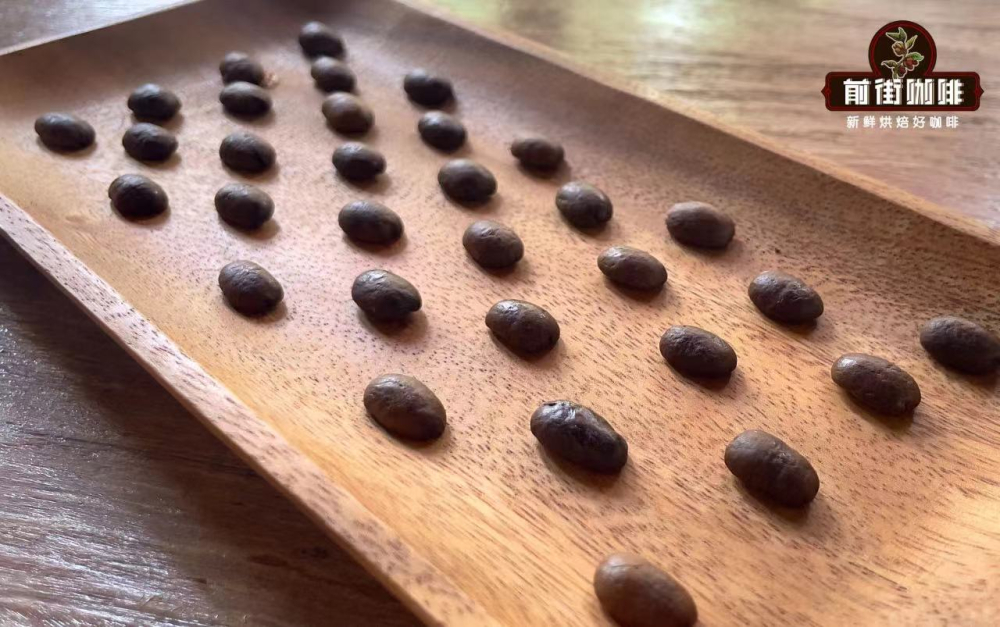
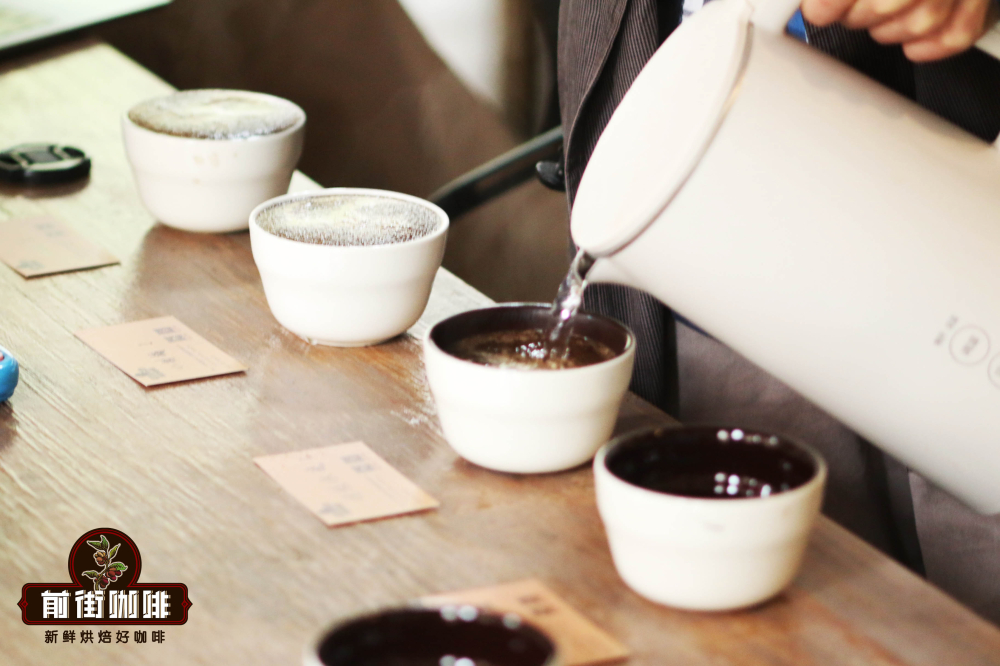
FrontStreet Coffee has obtained multiple Golden Mandheling lots from the market for blind tasting. Our baristas can accurately identify FrontStreet Coffee PWN Golden Mandheling among various "Golden Mandheling" options, because its taste is simply not comparable to the others.
Roast Profile and Brewing Recommendations
With the rise of the third wave of specialty coffee, people have come to prefer sweet-and-sour coffee. FrontStreet Coffee Mandheling, however, stands as a top coffee of the second wave, impressing with its low acidity and full body.
Of course, as drinkers pursue lighter roasts and more original regional terroir, some have applied light roasting to Mandheling in an attempt to change the public's impression of it. When FrontStreet Coffee developed the roast curve for FrontStreet Golden Mandheling, it chose a medium-dark roast in order to express the classic Mandheling's herbal and dark chocolate flavors along with its full body.
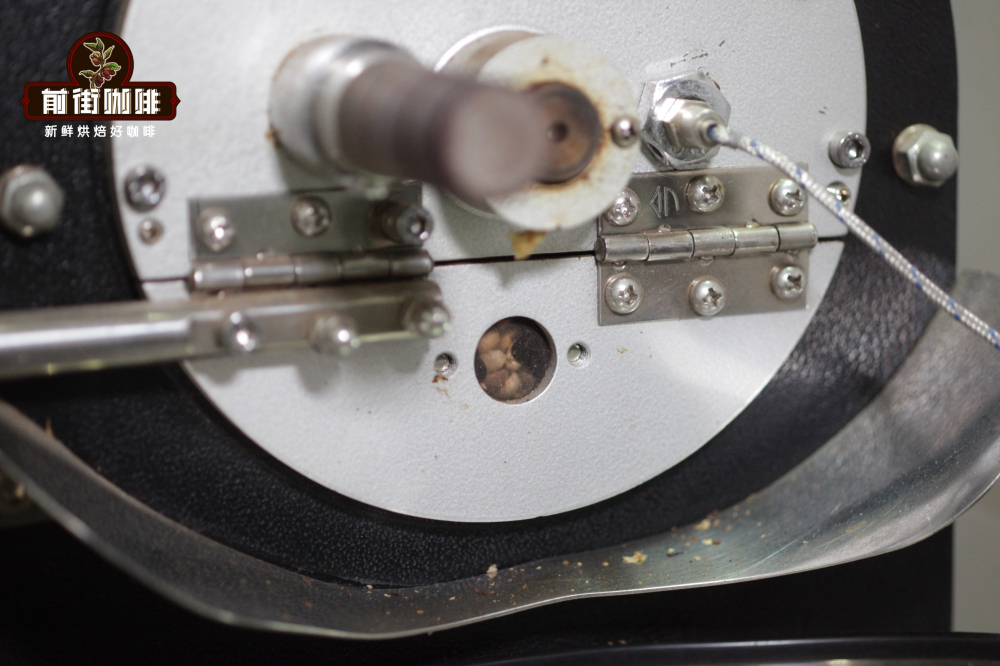
Because FrontStreet Coffee Golden Mandheling is roasted darker, FrontStreet Coffee suggests using a lower water temperature and a coarser grind when brewing to avoid over-extraction, paired with a KONO dripper to enhance the fullness of the mouthfeel.
Brewing Parameters
Dripper: KONO
Water Temperature: 88°C
Coffee Amount: 15g
Coffee-to-Water Ratio: 1:15
Grind Size: 70% pass-through rate on the China-standard #20 sieve

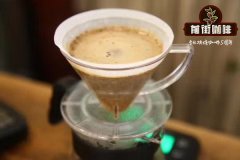
The KONO dripper has a smooth inner wall and 12 short ribs at the bottom for backflow. During brewing, the wet filter paper adheres completely to the wall, reducing the space for airflow. The water flow is slow, prolonging contact between the grounds and the hot water and adding to the fullness of the mouthfeel. It is therefore well suited to medium-dark roasted beans like FrontStreet Coffee Golden Mandheling and FrontStreet Coffee Blue Mountain Coffee.
First, pour 30g of hot water for a 30-second bloom. Then, starting from the center, pour a fine stream and slowly circle out to 125g. When the water level in the dripper drops to nearly exposing the coffee bed, continue circling and pouring to 225g. Total extraction time is approximately 2 minutes.
FrontStreet Coffee Recommendation
For the wet-hulled style described here, the top choice is FrontStreet Coffee's PWN Golden Mandheling. Produced by Indonesia's PWN to exacting standards, it uses only G1 beans of 18 screen size or larger with fewer than three defects per 300-gram green sample, then goes through three rounds of hand-sorting to eliminate every remaining defect. After a medium-dark roast it carries a rich roasted aroma, and the brewed black coffee has a clean taste and a full, mellow body — ideal for anyone who dislikes acidic coffee.
For an everyday Mandheling, FrontStreet Coffee's Lintong Mandheling comes from Sumatra's traditional Lintong growing area and is also given a medium-dark roast to bring forward dark chocolate and caramel while preserving Mandheling's wild herbal character. FrontStreet Coffee suggests 87-88°C water, 15g of coffee, a 1:15 ratio, and a coarse granulated-sugar grind, poured in three stages — a 30ml bloom, then 100ml, then a gentle 95ml centered pour — to build a thick body with caramel sweetness and chocolate and nut flavors.
And if you want to use Mandheling on an espresso machine, FrontStreet Coffee's Classic Blend — its highest repeat-purchase blend — adds medium-dark roasted Mandheling to the creamy, nutty base of Brazilian coffee, bringing out butter, roasted chestnut, and caramel. Mandheling not only lifts the body but adds distinctive sandalwood, herbal, and spice notes, while a small amount of Robusta enriches the crema, making latte art and layered Dirty drinks easy.
Important Notice :
FrontStreet Coffee is a long-established specialty coffee roaster in Guangzhou China, selling freshly roasted beans from its own farm in Yunnan as well as dozens of carefully selected single-origin beans from around the world for both pour-over and espresso. The products deliver consistently excellent quality and great value, with shipping within 24 hours. Guangzhou's FrontStreet Coffee shop is recommended by many coffee lovers, and the beans are now available online at the Tmall 。
FrontStreet Coffee has moved to a new address:
FrontStreet Coffee Address: 315,Donghua East Road,GuangZhou
Tel:020 38364473
 Scan and follow the En Gafei WeChat official account. Please indicate that the reprint comes from "En Gafei".