China's Finest Yunnan Coffee Origins: Flavor Profile Differences Between Catimor and Typica Varieties

Introduction to Yunnan Coffee
When it comes to famous Chinese coffee, Yunnan coffee is undoubtedly the most notable. Although its history in the specialty coffee market is relatively recent, FrontStreet Coffee believes that Yunnan is China's best coffee-producing region, and its coffee beans show tremendous potential. What kind of geographical environment has created Yunnan coffee? In this article, FrontStreet Coffee will introduce the main coffee-producing regions and the cultivation history of Yunnan coffee!
Yunnan Coffee Cultivation History
Although Yunnan coffee is still an emerging name in the specialty coffee market, the cultivation history of Yunnan coffee in China is not short.

Specifically, it began in 1904, when French missionaries brought the first batch of coffee seedlings (Typica) from Vietnam to Binchuan County, Yunnan, and China has been producing coffee ever since. However, large-scale cultivation of Yunnan coffee began in 1955, with a planting area of 4000 hectares. By the end of 1997, the coffee cultivation area in Yunnan Province had reached 7800 hectares. Currently, Yunnan Province's cultivation area accounts for 70% of the country's total, and Yunnan coffee production accounts for 83% of the national total. In terms of both area and production, then, Yunnan coffee has established its dominant position in China.
Yunnan Coffee Bean Regions
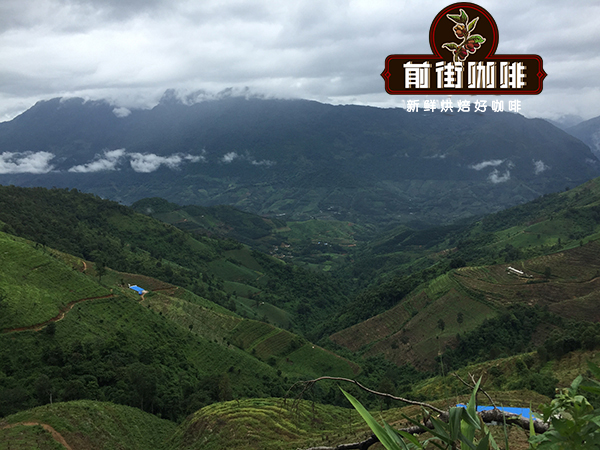
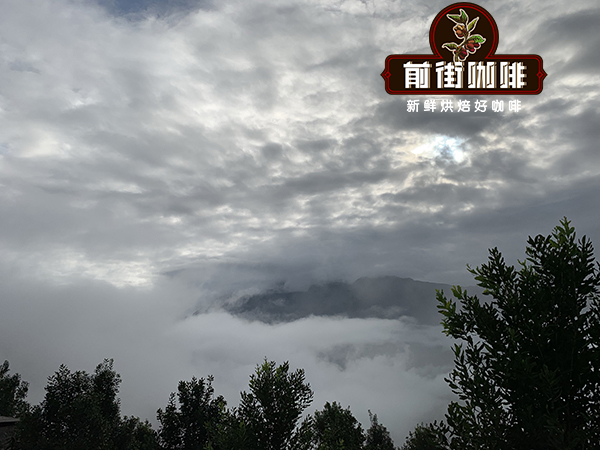
The western and southern regions of Yunnan Province are located between 15 degrees north latitude and the Tropic of Cancer. Most areas sit at altitudes of 1000-2000 meters, and the terrain is predominantly mountains and slopes. Unique natural conditions - fertile land, abundant sunshine, plentiful rainfall, and significant temperature differences - have created Yunnan coffee's flavor profile: rich but not bitter, aromatic but not overwhelming, with a slight fruity note. This is why FrontStreet Coffee often says that a single-origin coffee's flavor is inseparable from the climate and geography of its producing region. After all, coffee is an agricultural product, easily influenced by factors such as soil and climate that can make its flavor better or worse.
According to FrontStreet Coffee's understanding, Yunnan coffee farms are currently distributed mainly in the southern and southwestern parts of the province, including Pu'er, Xishuangbanna, Dehong, Baoshan, and other regions.

Pu'er Region
Pu'er City is famous for tea, and its coffee cultivation area covers 789,000 mu, with coffee bean production of 586,600 tons and a total output value of 2.469 billion yuan. It has become Yunnan's largest coffee cultivation base. Its climate, geography, and soil conditions offer unique advantages for coffee, and it has become the largest coffee-producing region in mainland China by cultivation area and production, as well as the largest distribution center for high-quality coffee trade.
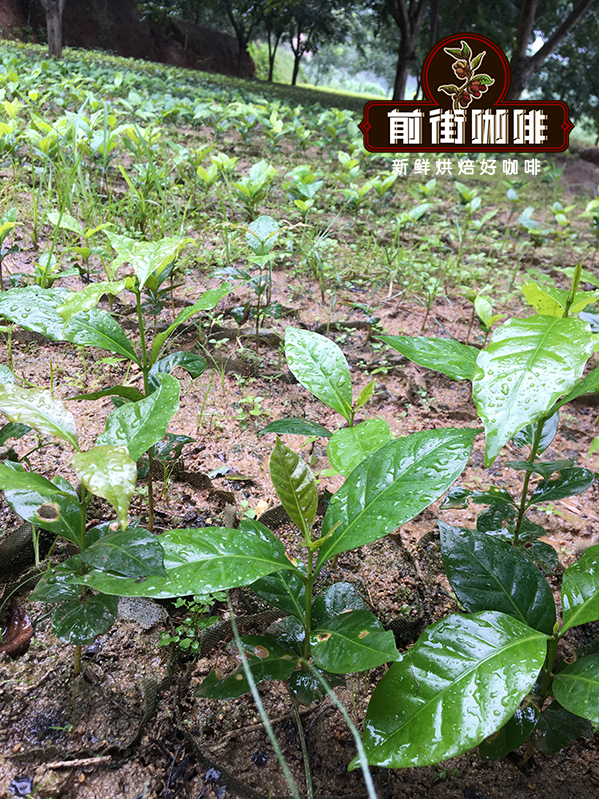
Coffee is cultivated in 54 townships across 9 counties and 1 district of Pu'er City, which is renowned as the "Coffee Capital of China." Pu'er is not only a major coffee-producing region but also the area that receives the most coffee study tours.
Dehong Region
Dehong Prefecture is one of the main coffee-producing regions in Yunnan Province and one of the earliest. According to historical records, Arabica coffee was introduced to Nongxian Village in Dehong County as early as 1914. Dehong is also home to China's largest coffee seed gene bank - the Ruili Coffee Germplasm Resources Garden of the Ministry of Agriculture, one of the first nine crop germplasm nurseries in tropical regions designated by the Ministry. Coffee cultivation in Dehong is primarily Arabica, with a national record yield of 363.5 kilograms of coffee beans per unit area (the average yield in China is about 80-100 kilograms per mu).
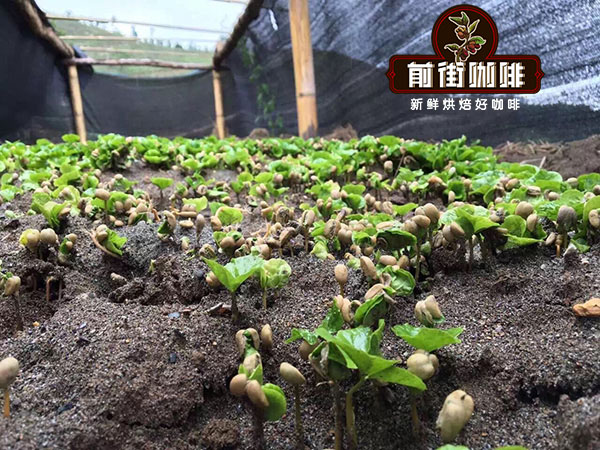
Coffee in Dehong Prefecture is cultivated at altitudes exceeding 1000 meters, with 30,000 mu of it on mountains above 1600 meters. In addition, Dehong primarily uses organic fertilizers and organic pest control. The coffee it produces is of high quality, making Dehong one of the rare producers of premium coffee in the world.
Baoshan Region
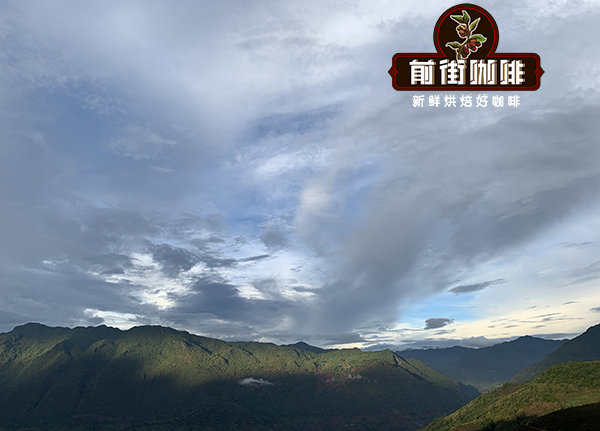
Baoshan coffee has a long cultivation history. It is a national geographical indication product and counts among the high-quality coffees of both China and the world. The average temperature in Baoshan is 21.5 degrees C, with a maximum of 40.4 degrees C. It is essentially frost-free year-round and is considered one of the best origins for Arabica coffee. FrontStreet Coffee finds that the Arabica coffee grown here is famous for being rich without bitterness, aromatic without being overpowering, uniform in bean size, gently fragrant, and fruity.
Baoshan's Lujiangba is a relatively famous coffee-producing area, known for Typica variety coffee. Compared with Catimor, Typica has superior flavor quality but lower yield and is harder to cultivate, so Yunnan's coffee farmers are generally more inclined to plant high-yield Catimor. FrontStreet's Yunnan Huaguoshan comes from Typica in Lujiangba. It is washed processed, which better reflects the flavor characteristics of the region.
This coffee shows notes of melon seed fragrance, black tea, cantaloupe, and plum acidity, with a very gentle and aromatic profile.

Lincang Region
Lincang City is located in the southwestern part of Yunnan Province. The Tropic of Cancer passes through its southern part. It borders Pu'er to the east, Dali to the north, Baoshan to the west, and Myanmar to the southwest, and it takes its name from the Lancang River - a brilliant pearl on China's southwestern border. The average annual temperature in Lincang ranges between 16.8 and 17.2 degrees C. Dry and wet seasons are distinct, and sunlight is ample.
Lincang has become a focus of attention for many coffee companies thanks to its unique location and climate. High-quality coffee seedling bases of 200 mu and 100 mu have been established in Mengding Town of Gengma Dai and Yi Autonomous County and at Lincang Huanle Farm, and coffee is cultivated in Gengma, Zhenkang, Yun County, Cangyuan, and Yongde.

It is precisely because of this potential that FrontStreet Coffee established its own plantation in Lincang, Yunnan, dedicated to growing Typica coffee along with a small number of Bourbon trees. The purpose is to let everyone experience the charm of Yunnan coffee, because Typica is one of the highest-quality derivatives of Arabica, and its flavor expression is the most primitive and the best - which is why FrontStreet Coffee chose it.
Without personally planting coffee, how can one truly describe the real coffee production process? That was the philosophy on which FrontStreet was founded. To grow coffee in Yunnan, you could buy an existing estate and start at easy difficulty, or choose a piece of land suitable for coffee and start from scratch at hell difficulty. FrontStreet chose the latter, because we understand deeply that to produce excellent coffee, variety, soil, environment, cultivation, and processing must all be in place.
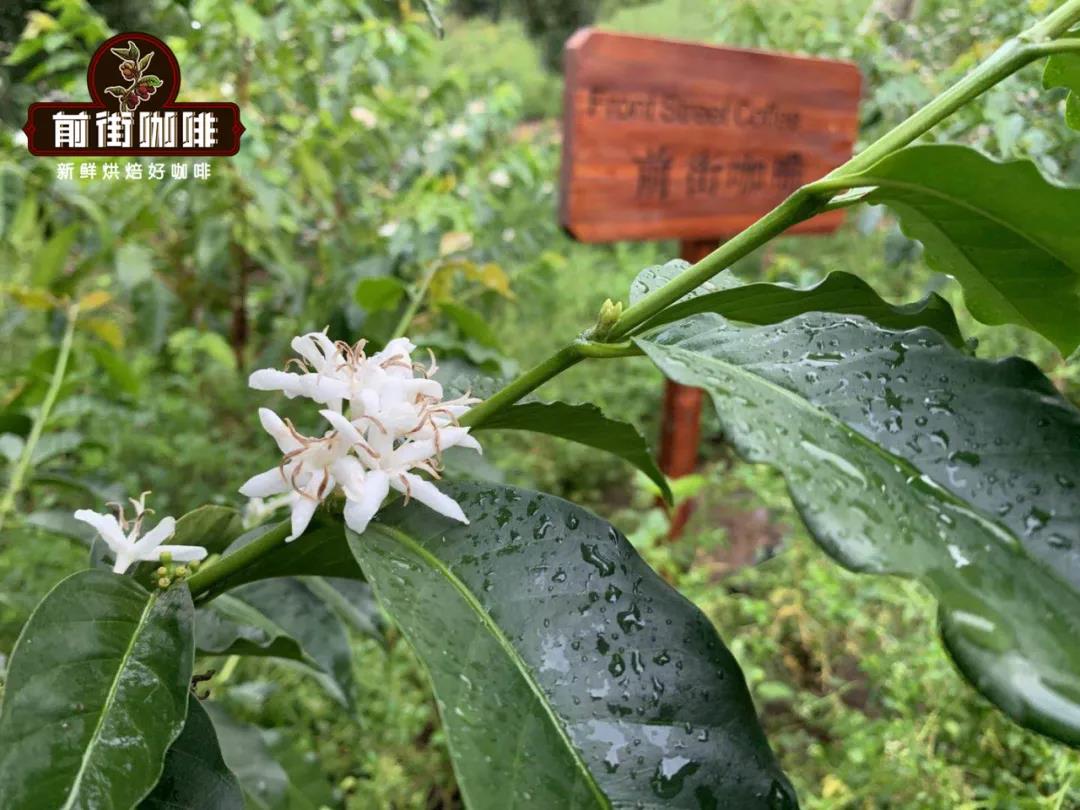
FrontStreet selected and bred the Typica variety, a pure Arabica whose flavor is superior to the Catimor currently planted across Yunnan. From seedling to first fruiting takes at least 4-5 years, which is why Yunnan's farmers, despite knowing Catimor's flavor is inferior, are unwilling to uproot and replant. The first batch of FrontStreet's self-produced Yunnan coffee, from the 2020-21 season, was named "FrontStreet 2013" and received unanimous praise. In February 2022, the new season's FrontStreet 2013 finally became available again.
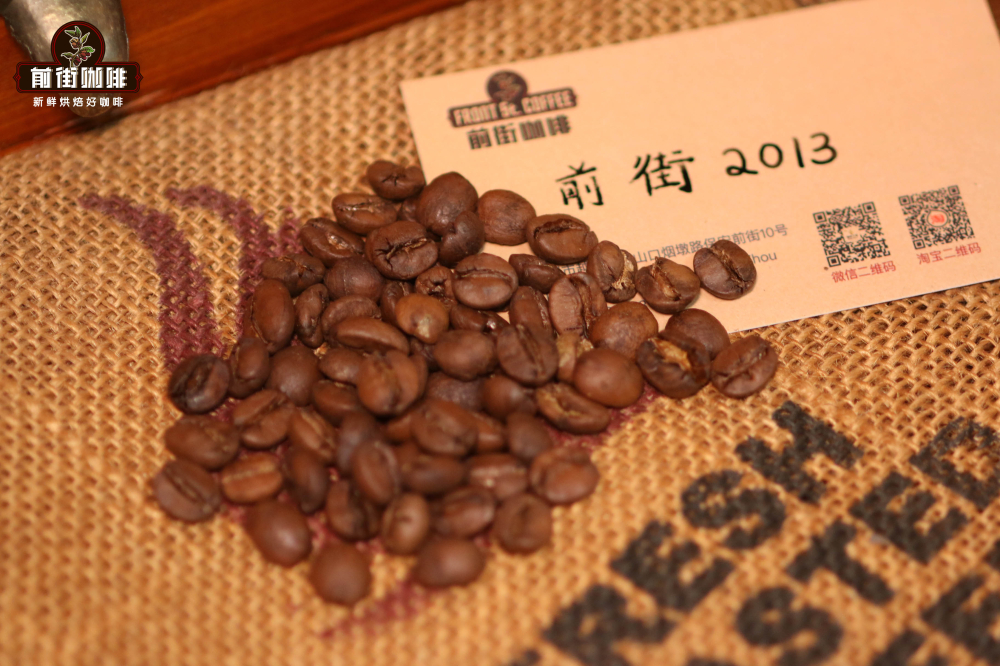
This year's beans are fuller and larger than last year's; like last year, they were processed only naturally. After processing, they were immediately shipped to Guangzhou for roasting. The day after roasting, FrontStreet's barista could not wait to cup this coffee. The performance was stunning - dried apricot, caramel, black plum, and black tea. Overall, it showed a very sweet flavor profile.
Roasting and Brewing Recommendations
Before launching any new single-origin coffee, FrontStreet Coffee runs roasting and brewing flavor tests to select the best flavor profile, making future brewing easier for the coffee lovers who visit us. Below, FrontStreet shares the roasting and brewing data for our single-region Yunnan coffee beans.
FrontStreet Yunnan Huaguoshan Coffee Roasting Recommendations
The moisture content of typical coffee beans is 10.9%, so FrontStreet Coffee's roaster charges the beans when the drum reaches 200 degrees C, then uses high heat and a small air valve to speed up dehydration. After the dehydration stage, the air valve is opened to medium and heat reduced to medium, so the Maillard reaction is not rushed, with a 3-minute development after first crack before dropping. Turning point: 1 minute 32 seconds, 92.5 degrees C; yellowing point: 5 minutes 40 seconds, 148.5 degrees C; first crack: 8 minutes 59 seconds, 188.0 degrees C; 3-minute development before dropping at 12'00, 196 degrees C.

FrontStreet 2013 Yunnan Coffee Roasting Recommendations
Heat the roaster to 200 degrees C, set the air valve to 3, and after 1 minute adjust the heat to 160. The turning point comes at 1:36. Roast until 4:50, when yellowing occurs at 150.7 degrees C, the grassy smell completely disappears, and dehydration is complete. Keep the heat unchanged and adjust the air valve to 4; at the 6th minute reduce the heat to 140, and at the 7th minute to 120. At the 8th minute, wrinkles and dark spots appear on the bean surface and the toast smell clearly turns to coffee aroma - the prelude to first crack. Listen carefully for it. At 8:33 first crack begins: reduce the heat to 90 and fully open the air valve to 5. At the 9th minute reduce the heat further to 20, develop 2'05" after first crack, and drop at 198.5 degrees C.
FrontStreet Coffee Pour-Over Recommendations
Because both of these beans come from Yunnan and are roasted to a medium level, FrontStreet recommends the V60 conical dripper. The V60's large opening, together with its spiral ribs, lets air escape more easily and improves extraction quality. The body may not be as thick, but the high clarity that brings out Yunnan coffee's fruit acidity and distinct aroma is its major strength.
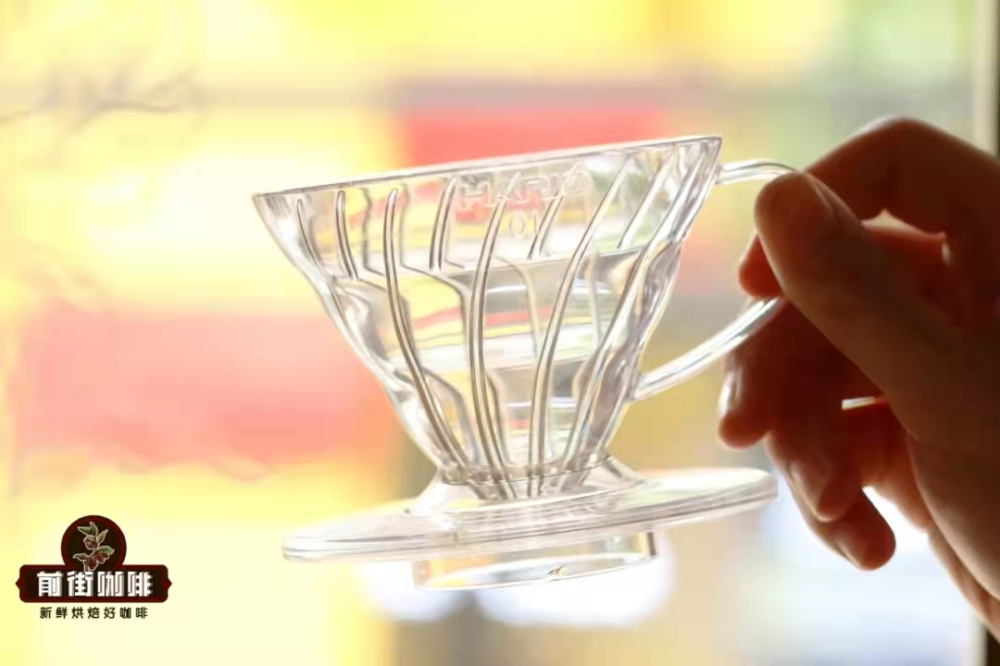
Dripper: V60
Water Temperature: 90-92 degrees C
Coffee-to-Water Ratio: 1:15
Grind Size: Medium-fine (75% pass rate through a #20 sieve)
Brewing Method: Segmented pouring.
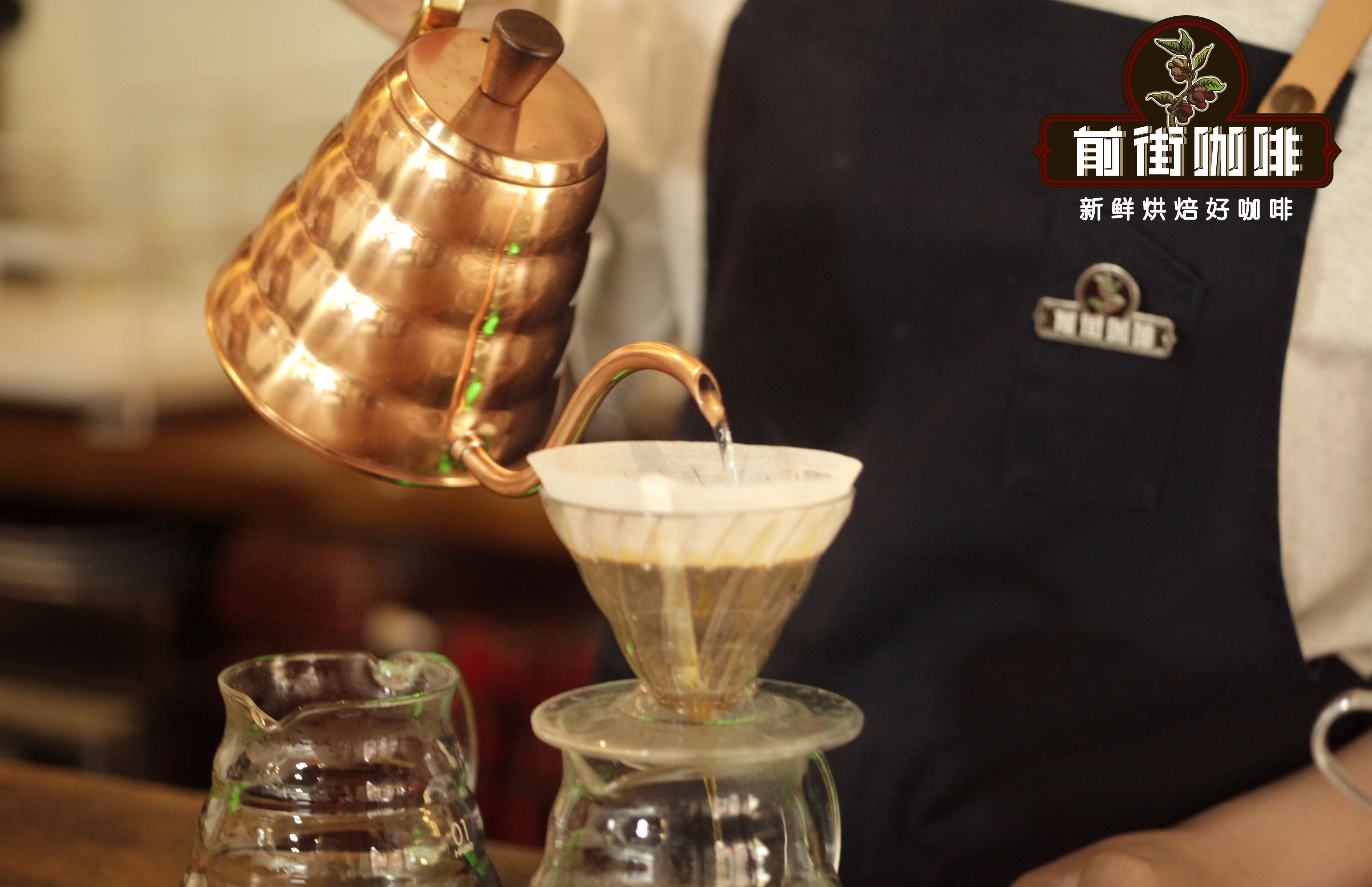
Use 30g of water for a 30-second bloom, then pour in small circles to 124g for the second segment. When the water level drops and is about to expose the coffee bed, continue pouring to 227g and stop. When the bed is about to be exposed again, remove the dripper. (Timing starts from the bloom.) Total extraction time is 2 minutes.
Huaguoshan flavor description: rich but not bitter, aromatic but not intense, with floral notes, cantaloupe sweetness in the middle, and a black tea finish.
FrontStreet 2013 flavor description: dried apricot, gentle fruit acidity, chocolate, black tea.
FrontStreet Coffee Recommendation
Want to explore Chinese coffee for yourself? FrontStreet Coffee offers two Yunnan beans on its everyday menu. The entry-level choice is the FrontStreet Yunnan small-bean coffee from Baoshan - washed processed and medium roasted, highlighting a gentle caramel sweetness, soft nut and chocolate aromas, and a touch of plum acidity at a friendly price, making it the perfect first taste of Yunnan coffee. For a clearer expression of the region, step up to the FrontStreet 2013 natural Typica from our own Lincang estate: made only from fully ripe cherries and dried whole in the sun, it is fuller-bodied with more pronounced sweetness and acidity, showing dark berry and citrus tones, caramel sweetness, chocolate, dried apricot, and a black tea finish.
If you prefer your Yunnan in espresso form, try the FrontStreet Black Cocoa Blend, which combines Yunnan small-bean coffee with Brazilian Cerrado beans. The Brazil component contributes mixed-nut aroma and balance, while the Yunnan brings chocolate and citrus character. As an Americano it is balanced across sweetness, acidity, and bitterness with nutty, brown-sugar notes, and as a latte it offers the smooth texture of almond and cream - very beginner-friendly and a favorite of many baristas.
Important Notice :
FrontStreet Coffee is a long-established specialty coffee roaster in Guangzhou China, selling freshly roasted beans from its own farm in Yunnan as well as dozens of carefully selected single-origin beans from around the world for both pour-over and espresso. The products deliver consistently excellent quality and great value, with shipping within 24 hours. Guangzhou's FrontStreet Coffee shop is recommended by many coffee lovers, and the beans are now available online at the Tmall 。
FrontStreet Coffee has moved to a new address:
FrontStreet Coffee Address: 315,Donghua East Road,GuangZhou
Tel:020 38364473
 Scan and follow the En Gafei WeChat official account. Please indicate that the reprint comes from "En Gafei".