Honduras Sherry Coffee Beans Barrel Fermentation Processing Method - Brewing Flavor Characteristics of Barrel-Treated Coffee Beans
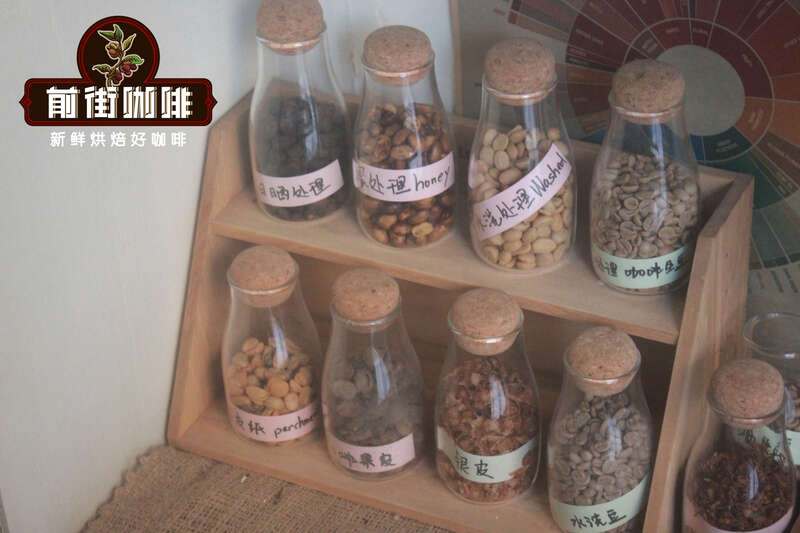
At FrontStreet Coffee, many coffee lovers walk in and order a cup of Honduras Sherry or Lychee Lan. Their flavors are highly distinctive, and FrontStreet Coffee believes that comes down to how they are processed: both use barrel fermentation, which produces their captivating character. In this article, FrontStreet Coffee looks at what makes Honduras coffee special and explores the factors behind its charm.
Honduras Coffee Growing Conditions
Honduras sits in northern Central America, next to the renowned coffee countries of Guatemala and Nicaragua. More than three-quarters of its territory is mountains and plateaus, with ranges running west to east, volcanic plateaus inland, many intermountain valleys, and coastal plains. The climate is tropical, with an average annual temperature of 23°C and abundant rainfall — ideal for coffee cultivation.
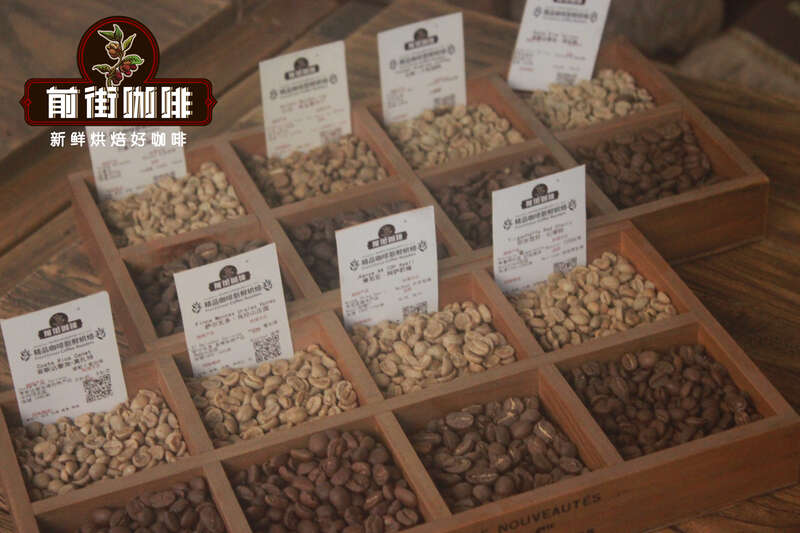
Based on FrontStreet Coffee's cupping and brewing of Honduran beans, the flavor resembles neighboring Guatemala and Nicaragua but carries a distinctly noticeable exotic spice aroma in the fragrance. It drinks very comfortably, with a rich nutty-chocolate sensation in the aftertaste and a layered, complex overall balance that is easy to fall for.
Honduras Coffee History
As FrontStreet Coffee understands it, coffee first arrived in Honduras through Spanish merchants in the late 18th century and was cultivated on a small scale in 1804.
Even so, Honduras' coffee industry started later than its neighbors', and its reputation lagged accordingly. The reason: the country lacked the transport infrastructure connecting growing regions with ports, which held the industry back.
After 1970, the government began prioritizing coffee cultivation and established an official coffee institution, IHCAFF (Instituto Hondureño del Cafe), dedicated to improving coffee quality.
Then in 1975, Brazil suffered frost damage that slashed its coffee production. Honduras seized the moment, with production surging from 500,000 bags to 1.8 million bags — all quickly sold out. From that point on, Honduran coffee production truly took off.
By the 1990s, specialty coffee had swept through Central America. While neighboring countries competed on quality, Honduras trailed behind — mainly because during green bean processing, the region's abundant and unpredictable mountain rainfall disrupted the final drying stage.
In 2004, Honduras held its first Cup of Excellence competition.
Finally, in 2011, since virtually the entire country can grow coffee cherries, Honduras' production surpassed that of Costa Rica and Guatemala, making it the second-largest coffee exporter in Central America and the tenth-largest in the world.
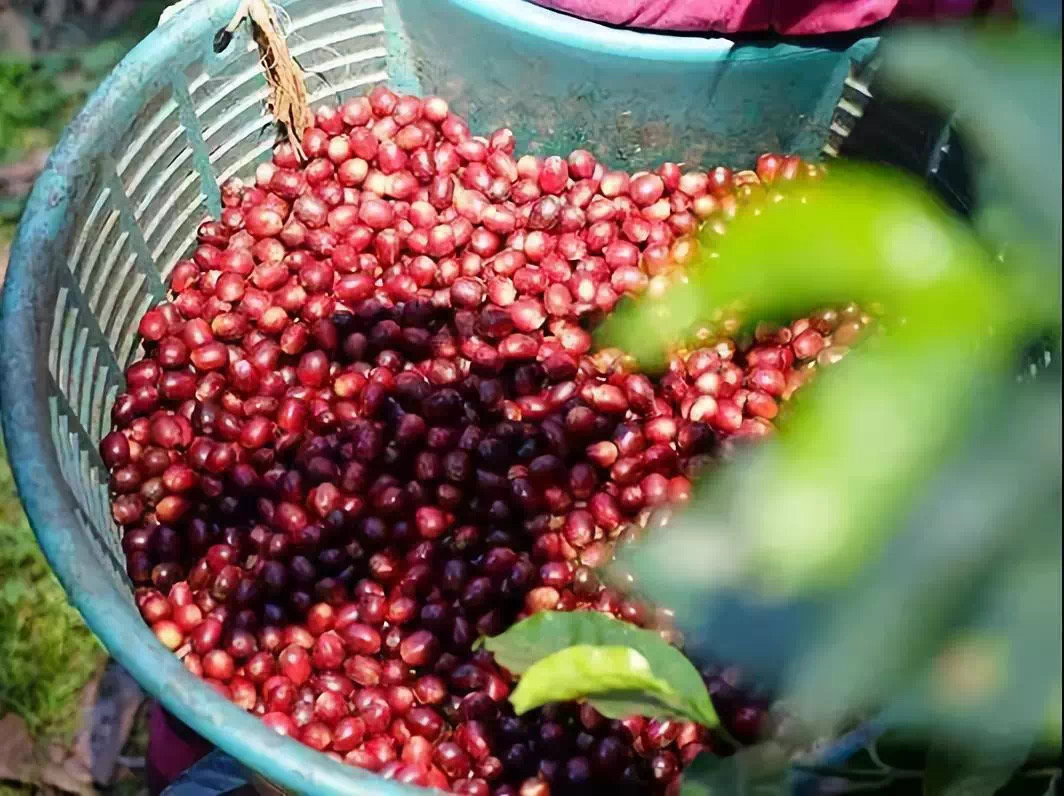
Coffee matters enormously to Honduras' economy and national development. The country has 280,000 hectares of coffee plantations, predominantly small farms — most smaller than 3.5 hectares — and these plantations account for 60% of Honduras' total coffee production.
Honduras Coffee Growing Regions
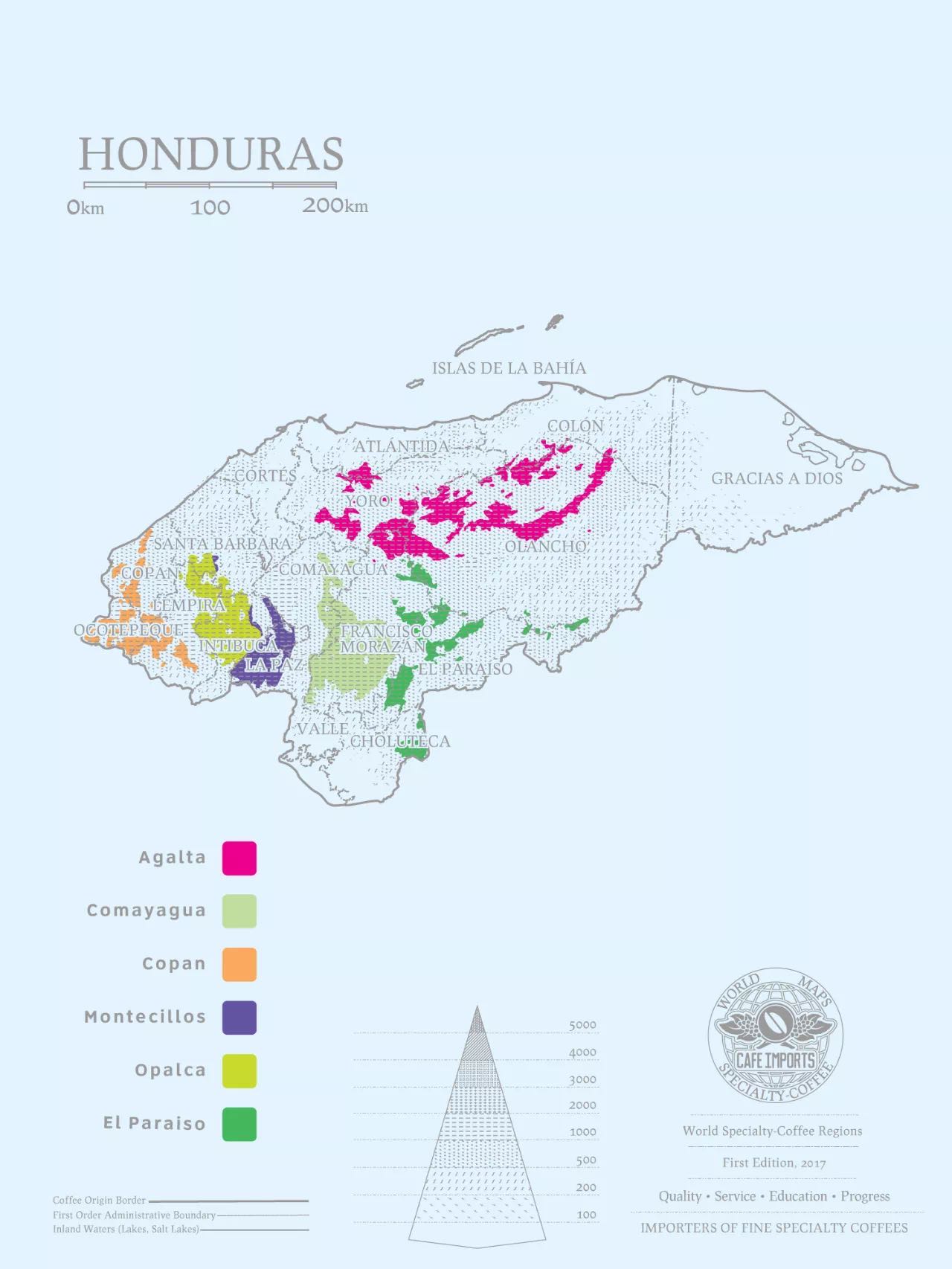
Honduras' growing regions fall mainly into six: Copán and Opalaca in the west and south, plus Montecillos, Comayagua, Agalta, and El Paraíso. Here is a brief introduction to each.
1. Copán Region
Location: Western Honduras, bordering Guatemala.
Altitude: 1000 - 1500 meters
Temperature: 11.5-22.5°C
Precipitation: 1300-2300 mm
Harvest: November - March
Flavor: Intense chocolate notes, characterized by honey and caramel sweetness, with relatively subtle fruit flavors.
2. Opalaca Region
Location: Between the Santa Bárbara, Intibucá, and Lempira regions.
Altitude: 1100-1500 meters
Temperature: 11.5-22.5°C
Precipitation: 1400-1950 mm
Harvest Season: November - February
Varieties: Bourbon, Typica, Catuai, Pacas
Flavor: Very delicate acidity with a balanced overall expression, carrying distinct tropical fruit flavors like grape and blackberry.
3. Montecillos Region
Location: In La Paz, Comayagua, Santa Bárbara, and Intibucá in southwestern Honduras, bordering El Salvador.
Altitude: 1200-1600 meters
Temperature: 12-21.2°C
Precipitation: 1300-2300 mm
Harvest Season: November - April
Varieties: Bourbon, Catuai, Typica
Flavor: Bright, lively acidity with notes of orange and peach, a long aftertaste, and a velvety mouthfeel.
4. Comayagua Region
Location: Central Honduras, in Comayagua.
Altitude: 1000 - 1500 meters
Temperature: 14.0 - 22.0°C
Precipitation: 1350 - 1700 mm
Varieties: Bourbon, Caturra, Typica, Pacas
Harvest Season: December - March
Flavor: Predominantly lemon-flavored, with distinct sweet fruit aromas and a creamier mouthfeel, plus citrus sweetness and sweet, chocolatey notes.
5. Agalta Tropical Region
Location: Southeastern Honduras, in Olancho.
Altitude: 1000-1400 meters
Temperature: 14.5-22.5°C
Precipitation: 1300-1950 mm
Harvest Season: December - March
Varieties: Bourbon, Catuai, Typica
Flavor: Honey fragrance and aroma, a strong citrus flavor, and subtle yet distinct acidity.
6. El Paraíso Region
Location: Southern Honduras, in El Paraíso, bordering Nicaragua.
Altitude: 1100-1500 meters
Temperature: 16-22.5°C
Precipitation: 1000-1400mm
Harvest Season: December - March
Honduras Coffee Grading
Honduras grades its coffee by altitude, as follows:
Strictly High Grown (SHG): Exceeding 1200 meters.
High Grown (HG): Above 1000 meters.
Central Standard (CS): Cultivated at altitudes exceeding 600 meters.
Honduras Coffee Varieties
Honduras grows mainly Arabica varieties: Bourbon, Caturra, Catuai, Typica, and Pacas-derived types. Here is a quick look at how they differ.
Typica
Start with the most ancient variety, Typica — the oldest native variety from Ethiopia, from which almost all current Arabica varieties descend. Typica offers elegant flavors but a weak constitution and low disease resistance, making it prone to leaf rust. Yields are too low to be economically attractive, and in recent years Typica in Central and South America has gradually been replaced by Caturra and Catuai, so it grows ever rarer. Its flavors are elegant, yet it is not as popular as Bourbon.
Bourbon
Bourbon is a sub-variety resulting from a Typica mutation and counts, alongside Typica, among the oldest existing coffee varieties. When its green fruit matures, it turns bright red. Compared to Typica, Bourbon plants have broader leaves and grow more densely. The fruit yield is higher than Typica's, but the harvest still follows a two-year cycle, so it remains a low-yield variety. In return it offers outstanding flavor, with wine-like acidity and a sweet aftertaste.
Pacas
Pacas is a natural mutation of Bourbon, first discovered in 1949 at the Pacas family's estate. In 1956, someone noticed plants with different morphological traits in a Bourbon field, collected them for selective breeding research, and invited Professor William Cogwill of the University of Florida to identify them. The findings showed that the Bourbon at the Pacas farm carried a single-gene mutation producing smaller plants — a new variety, named "Pacas" after the farm owner. Its compact stature allows denser planting and higher yields than the original Bourbon, and high-density cultivation brought the farm both higher output and superior flavor.
Caturra
Caturra is a single-gene mutation of Bourbon, discovered in Brazil in 1937. Both productivity and disease resistance are better than Bourbon's, and the shorter plants are easier to harvest. Unfortunately it shares Bourbon's biennial production cycle. Its flavor is comparable to, or slightly below, Bourbon beans. Most importantly, it adapts extremely well — thriving without shade trees even under blazing sun, the so-called sun coffee. It tolerates high-density planting but needs heavier fertilization, which raises costs, so farmers were slow to adopt it at first.
Catuai
Catuai is an Arabica hybrid, a cross between Mundo Novo (New World) and Caturra, with better resistance to natural disasters — particularly wind and rain. It inherits Caturra's short stature, fixing Mundo Novo's main shortcoming, and sets fruit solidly so cherries rarely drop in strong winds, compensating for the fragile nature of Arabica fruit. Its overall flavor, however, is more monotonous than Caturra's and less substantial than Mundo Novo's — its greatest regret — and its productive fruiting lifespan is only about ten years, another weakness.
That covers the basics of Honduran coffee. Next, FrontStreet Coffee introduces the Honduran beans currently popular on our own menu.
FrontStreet Coffee Honduras Sweet Orange Estate Coffee Beans
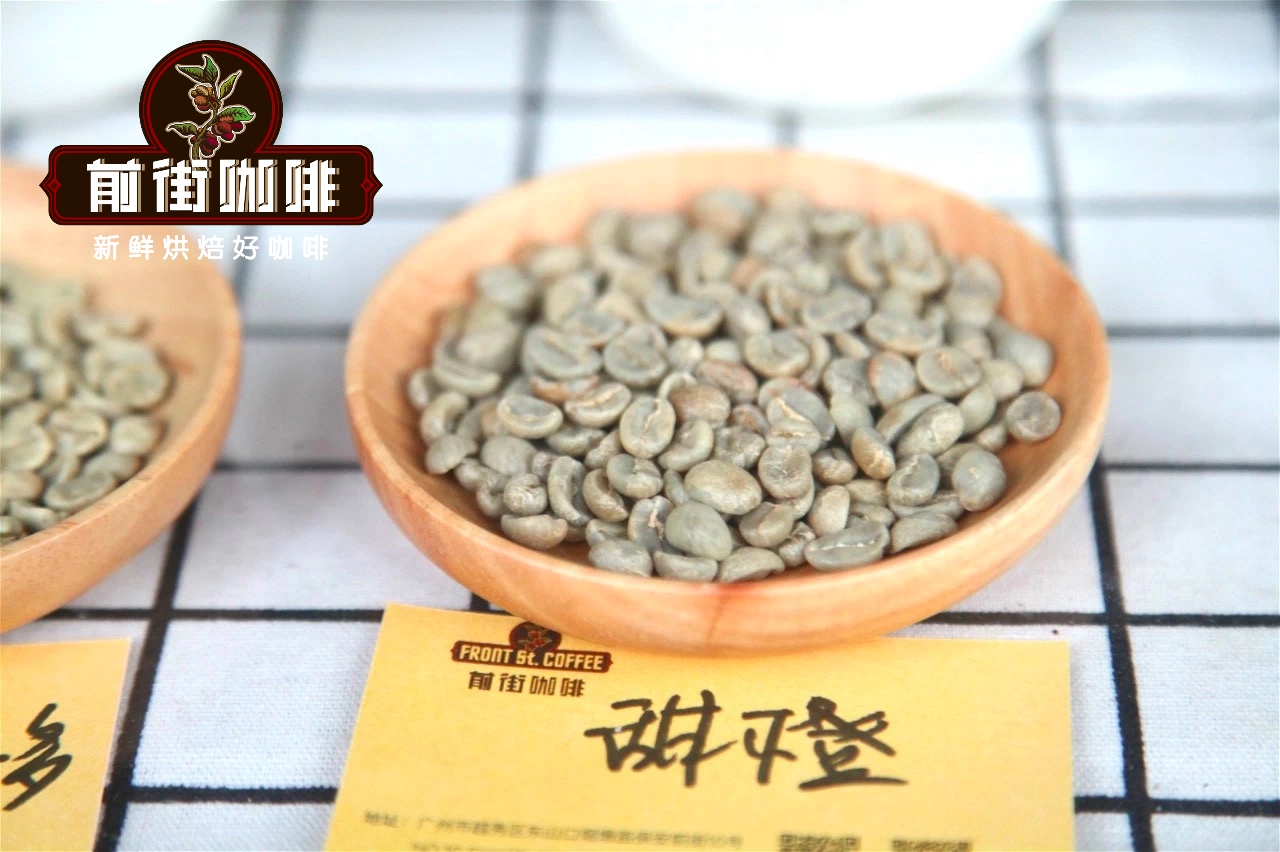
Country: Honduras
Region: Marcala (Sweet Orange Estate)
Altitude: 1425m
Variety: Catuai
Processing: Washed processing
Flavor: Citrus, melon, floral notes, cane sugar, orange peel, nuts, tea-like sensation
Sweet Orange Estate sits in Marcala, Honduras' most famous coffee region. The estate takes its name from its shade trees, which are wild orange trees — and their aroma is strong, so the coffee grown beneath them develops a rare richness of sweetness. The orange trees also lend the coffee rich layers of floral and fruit aromas, which is how Sweet Orange Estate earned its fame.
The estate's main varieties are Caturra, Bourbon, and Geisha; FrontStreet Coffee's Sweet Orange Estate beans are Caturra. In 2016, the estate also took 14th place in the Cup of Excellence competition.
FrontStreet Coffee's cupping and brewing confirm that these beans have a genuine orange character, quite special in the cup. Coffee lovers who enjoy orange flavors should certainly try them — you're likely to fall in love after the first taste.
FrontStreet Coffee Honduras Lychee Lan Coffee Beans
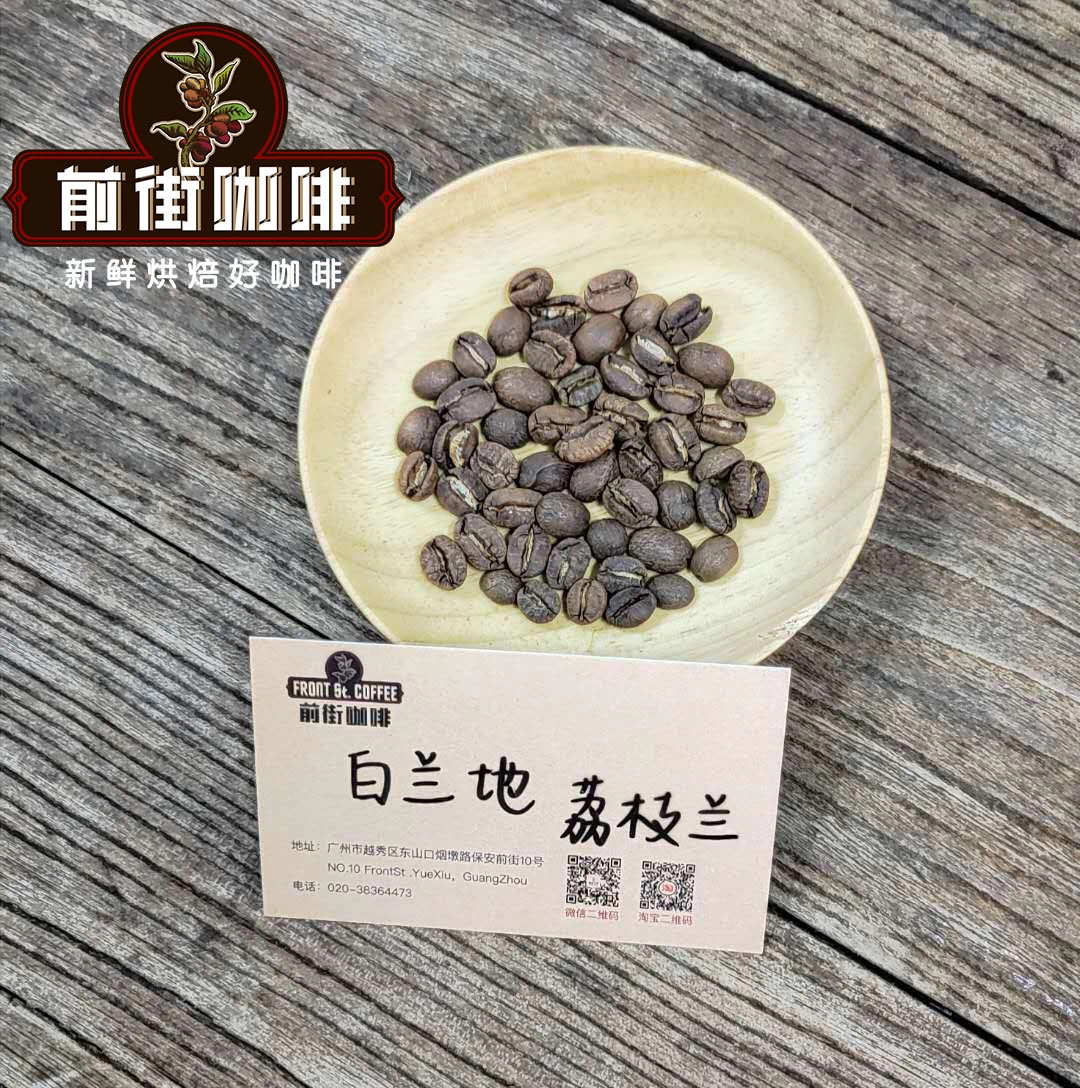
Country: Honduras
Region: Marcala (Moca Estate)
Altitude: 1500-1700m
Varieties: Caturra, Catuai
Processing: Fine washed + brandy barrel fermentation
Flavor: Brandy, dark chocolate, berries, soft fruit acidity, honey
Moca Estate lies in the southern part of the Jesús de Otoro valley in Marcala, Honduras, surrounded by mountains and hills. It is dedicated primarily to coffee cultivation and drives the local economy, while the lower parts of the valley are given over to basic grains and livestock. The area averages 853 meters in altitude, with highland zones exceeding 1500 meters. FrontStreet Coffee's Lychee Lan comes from here.
Barrel Fermentation Processing
Lychee Lan, as mentioned, is processed by barrel fermentation. It is a specialty bean carefully selected by FrontStreet Coffee and works on the same principle as the Sherry beans: both are barrel-fermented, and both show rich wine-like flavors. The difference is that Lychee Lan is fermented in brandy barrels while Sherry uses whiskey barrels, giving each its own winey character.
The Honduran barrel fermentation process works like this: the cherries are harvested, finely washed, then placed in brandy oak barrels for low-temperature fermentation of 30-40 days at approximately 15-20°C, followed by shade drying. Because of that brandy barrel fermentation, Lychee Lan shows a soft sensation with lychee and honey sweetness, woven together with brandy's full-bodied aroma and oak fragrance. Truly wonderful.
FrontStreet Coffee Honduras Sherry Coffee Beans
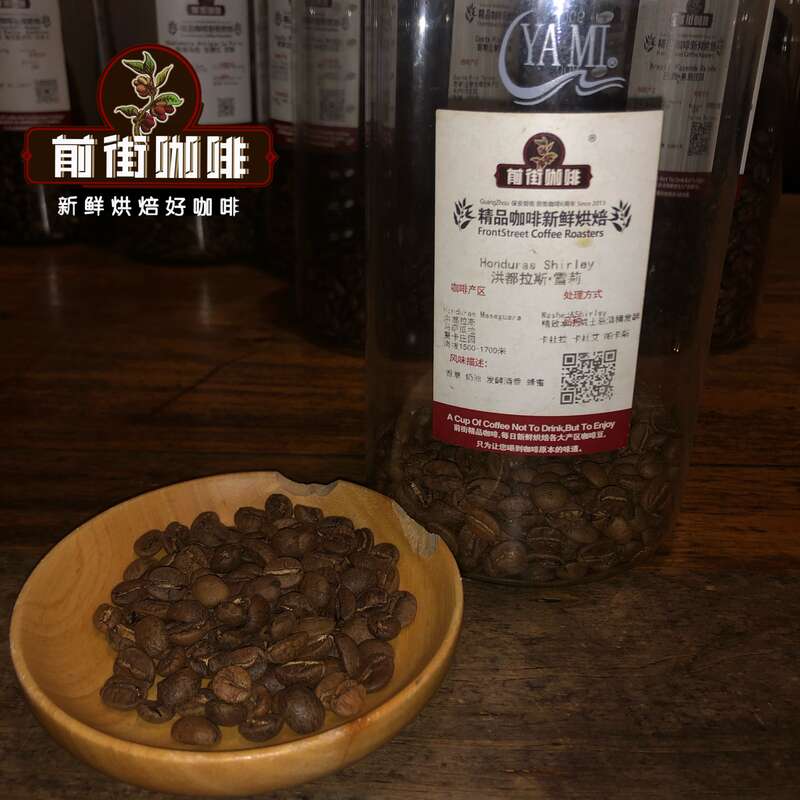
Country: Honduras
Region: Marcala (Moca Estate)
Altitude: 1500-1700m
Varieties: Caturra, Catuai, Pacas
Processing: Fine washed + whiskey barrel fermentation
Flavor: Vanilla, cream, fermented wine aroma, dark chocolate
FrontStreet Coffee's Sherry beans come from the same Moca Estate as Lychee Lan. As noted above, both are barrel-fermented — Sherry in whiskey barrels — and the Sherry lot additionally includes the Pacas variety.
According to FrontStreet Coffee's cupping and brewing, Sherry is more balanced and complex than Lychee Lan, with restrained acidity, distinct wine notes, and dark cocoa reminiscent of liqueur-filled chocolates. Lychee Lan, meanwhile, pairs its wine notes with a persistent fermented sensation, and as the cup cools it reveals lychee and grape notes — refined and elegant.
That concludes FrontStreet Coffee's overview of Honduran coffee. We hope it gives coffee lovers a deeper understanding of Honduran beans and helps you pick ones that suit your taste — which is exactly what FrontStreet Coffee aims to do.
FrontStreet Coffee Recommendation
Many people love coffee built on bittersweet chocolate: creamy, thick sweetness blended with an aroma like candied walnuts, a restrained acidity, and a mouthfeel as smooth as satin. To chase that profile beyond Honduras, look to Colombia, Indonesia, Brazil, and Papua New Guinea. A fine single-origin choice is the FrontStreet Brazil Queen Estate, a Yellow Bourbon whose pale yellow fruit gives a cleaner fruit character; roasted, it shows nuts, cream, toasted peanut, and caramel-cookie flavors with low, quiet acidity, a balanced cup, and a lasting sweet finish — equally good as pour-over, French press, moka pot, or home espresso.
For something darker and more unapologetically bold, the entry-level FrontStreet Indonesia Linong Mandheling comes from the Linong region of Sumatra at Indonesia's highest green grade, G1. Wet-hulled and roasted dark, it maximizes Mandheling's caramelized character — palm sugar, spice, herbs, nuts, and dark chocolate — with a full, rich, low-acid body that suits pour-over, moka pot, and clever-cup brewing alike.
Important Notice :
FrontStreet Coffee is a long-established specialty coffee roaster in Guangzhou China, selling freshly roasted beans from its own farm in Yunnan as well as dozens of carefully selected single-origin beans from around the world for both pour-over and espresso. The products deliver consistently excellent quality and great value, with shipping within 24 hours. Guangzhou's FrontStreet Coffee shop is recommended by many coffee lovers, and the beans are now available online at the Tmall 。
FrontStreet Coffee has moved to a new address:
FrontStreet Coffee Address: 315,Donghua East Road,GuangZhou
Tel:020 38364473
 Scan and follow the En Gafei WeChat official account. Please indicate that the reprint comes from "En Gafei".