Which Brand of Blue Mountain Coffee Tastes Best? Jamaica Blue Mountain Coffee Beans Pour-over Parameters, Flavor Characteristics and Taste Description
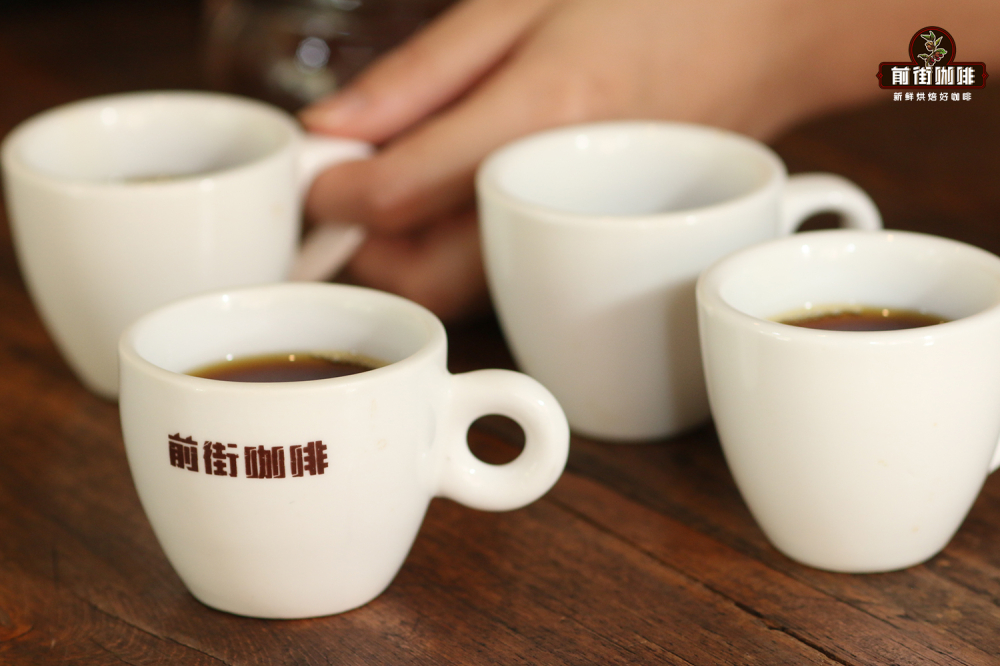
We've always said that FrontStreet Coffee's Blue Mountain coffee is exceptional, with an extraordinarily mellow flavor that makes it a standout among specialty coffees. But for anyone new to coffee, that may not mean much. Blue Mountain coffee is genuinely famous — coffee lovers know its prestigious place in the coffee world — so today, FrontStreet Coffee invites you to explore Blue Mountain with us!
Blue Mountain is one of the most expensive coffees in the world. Some might compare it to Geisha, but FrontStreet Coffee believes that while Geisha is certainly delicious, before the new millennium the nobility and aroma of Blue Mountain were simply unmatched. The flavor of Blue Mountain coffee is rich, balanced, and fruity with gentle acidity, satisfying all kinds of preferences. High-quality, fresh Blue Mountain also has a remarkably lasting flavor — as wine connoisseurs would say, an endless aftertaste. It blends coffee's sour, bitter, sweet, and mellow notes into one harmonious whole, creating an elegance other coffees can't match. Enthusiasts call it "a coffee beauty that combines all the virtues of fine coffee."

The market is full of products labeled "Blue Mountain coffee" — but are they all genuine? FrontStreet Coffee's answer: no. The Blue Mountains sit in eastern Jamaica at elevations of 1,000–1,700 meters, and only coffee grown in this specific region can truly be called Blue Mountain coffee. The range takes its name from a lovely optical effect: on clear days, sunlight hitting the azure Caribbean Sea reflects a brilliant blue light off the peaks.
The Blue Mountains' highest peak reaches 2,256 meters — the highest in the Caribbean and a famous tourist destination. Located in an earthquake zone, the region has fertile volcanic soil, fresh unpolluted air, and a humid climate with year-round fog and rainfall (average precipitation of 1,980mm, temperatures around 27°C). These conditions created the world-renowned Jamaican Blue Mountain coffee — and one of the world's most expensive. It has all the hallmarks of fine coffee: rich and aromatic, yet with sweet, sour, and bitter notes in perfect balance, so it never tastes harshly bitter, only gently, perfectly acidic.

The exceptional mellowness of Blue Mountain is inseparable from its growing environment. The trees grow on rugged mountain slopes that make harvesting extremely difficult — only skilled local women workers can manage it. Picking the cherries at just the right stage of ripeness is crucial, since underripe or overripe beans hurt quality. After harvest, the beans must be hulled the same day, then fermented for 12–18 hours, washed and sorted, and dried on concrete floors or thick blankets until moisture drops to 12%–14%, before being stored in specialized warehouses.
Not every product labeled "Blue Mountain" is the real thing. Genuine Blue Mountain coffee is exported only by companies designated by the Coffee Industry Board (CIB), packaged with green beans in wooden barrels, and carries Rainforest Alliance certification. The CIB stipulates that only beans grown in the designated Blue Mountain region above 2,200 feet may be called Jamaican Blue Mountain. Grades are classified by bean size: No.1, No.2, No.3, and hand-selected PB. The baseline standard for No.1 green beans includes beans larger than 17 mesh, a defect rate below 3%, and moisture content around 13%. Today, the Jamaican Coffee Industry Board issues certificates for all exported Blue Mountain coffee.
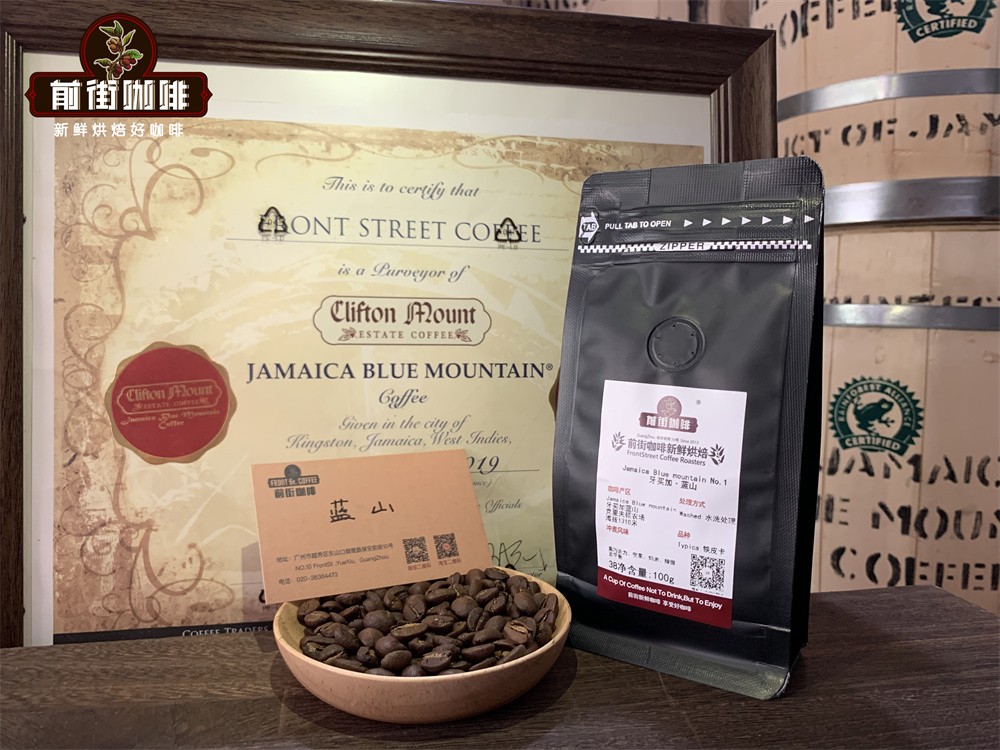
The FrontStreet Coffee Blue Mountain No.1 comes with a certificate issued by the Jamaican Coffee Industry Board, and the barrels packaging the beans feature a green frog logo. FrontStreet specifically chose Clifton Farm, a Rainforest Alliance certified estate producing Jamaican Blue Mountain No.1. Jamaica is also the only origin that ships green beans in wooden barrels.
Blue Mountain Coffee Varieties
FrontStreet's Blue Mountain beans are of the Typica variety. Typica plants have bronze-colored young leaves, oval or pointed slender beans, and tall trees with branches inclined at 50–70 degree angles. The cup is elegant, but the plants are physically frail with poor disease resistance, so yield per tree is very low.

Typica has one telling feature — copper-colored leaf tips, which earned it the nickname "red-topped coffee." The opposite leaves are long ovals with smooth surfaces; the terminal branches are long with few side branches. The flowers are white, blooming at the junctions where leaf stems meet branches, and the mature cherries resemble bright red cherries in appearance.

Blue Mountain Coffee Processing Methods
Washed Processing:
Washed processing removes pulp and mucilage through washing and fermentation. Farms using this method must build washing pools and have continuous fresh water. The pulp is removed first, then the beans ferment for 12–18 hours. Next they go into pools, where the friction between beans and the force of flowing water wash them until smooth and clean. After washing, the beans are still enclosed in parchment at roughly 50% moisture and must be sun-dried to 12–14%. They are then sorted and stored in specialized warehouses. Every step must be strictly controlled, or quality suffers.

Natural Processing:
In the 2020 harvest season, Clifton Farm released natural-processed Blue Mountain beans for the first time — a genuinely innovative move. Jamaica has a tropical rainforest climate, with rainy seasons from May to June and September to November, and the most frequent showers in January and May. The Blue Mountain harvest and processing season runs from February to June each year, with half of it overlapping the rainy season, which makes natural processing impractical. Traditional natural processing also yields inconsistent quality, since everything depends on the weather. And done well, natural processing costs more in labor than washing: drying cherries must be raked by hand every few hours to keep them ventilated, prevent mold, and ensure even drying. For Jamaica, this labor-intensive method with a poor cost-benefit ratio was long out of reach.

Producing a Jamaican natural Blue Mountain is genuinely hard. For decades only washed processing was used, because washing delivers the most essential expression of Blue Mountain flavor — changing the method inevitably changes its flavor structure.
On FrontStreet Coffee's bean menu, you'll find both the washed Blue Mountain and the natural Blue Mountain.
FrontStreet Coffee Blue Mountain Brewing Parameter Recommendations:
FrontStreet primarily demos Blue Mountain with a Kono dripper, and the choice is deliberate. Blue Mountain is roasted on the darker side, and high brewing temperatures can easily lead to over-extraction — so we chose 88°C water. At that temperature, faster-flowing drippers like the V60 would likely under-extract. The Kono has fewer, shorter ribs, which creates a gap between filter paper and wall, slowing the water down and adding an immersion effect. After testing every parameter, the Kono won.
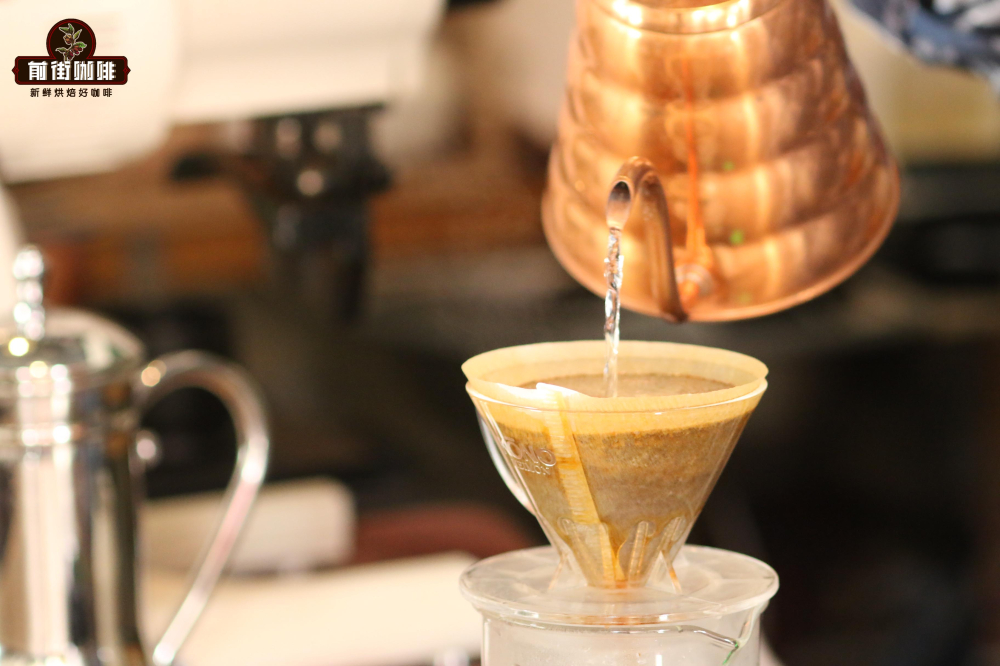
Dripper: Kono. Water temperature: 88°C. Coffee dose: 15g. Coffee-to-water ratio: 1:15. Grind size: medium-fine (75% retention on the Chinese standard #20 sieve).
Brew in segments: bloom with twice the coffee dose in water (30g for 30 seconds) — the bloom lets the grounds release their carbon dioxide and stabilizes the extraction that follows. With a small stream, pour in circles to 125g, then continue to 225g and stop. Remove the dripper once all the water has dripped through. Time the extraction from the first pour to 2'00". Stir the full cup well before pouring into tasting cups.
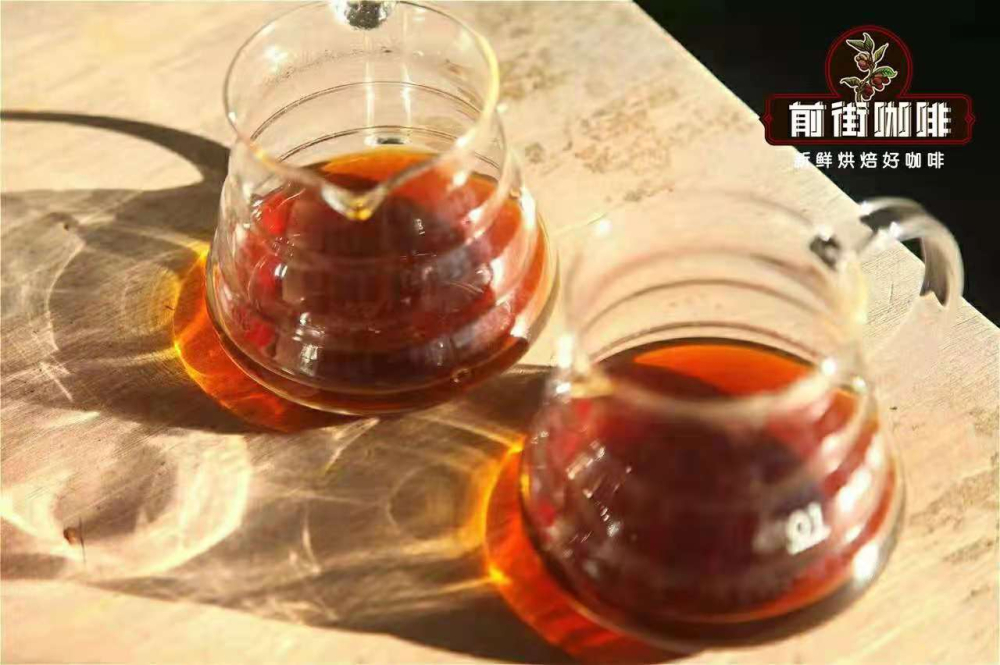
FrontStreet Coffee Natural Blue Mountain: slight berry acidity reminiscent of dark plum and mulberry, excellent overall balance, rich dark chocolate and nutty flavors, with a subtle fermentation note.
FrontStreet Coffee Washed Blue Mountain: rich dark chocolate and nutty flavors, a creamy smooth texture, and a perfect balance of sweet, sour, and bitter.
As always, FrontStreet Coffee recommends freshly roasted beans to best appreciate a coffee's flavors. Every order ships with beans roasted within 5 days, because freshness matters enormously to flavor. Our roasting philosophy is "freshly roasted good coffee," and with a resting period of around 4–7 days, coffee arrives right at its flavor peak.
Some customers prefer to have FrontStreet grind the beans, which is fine — but one reminder: pre-ground coffee should be brewed promptly. Ground coffee needs no further resting; in fact, the pressure from carbon dioxide building up in the sealed package during transport helps mellow the flavor, so you can brew immediately on arrival.
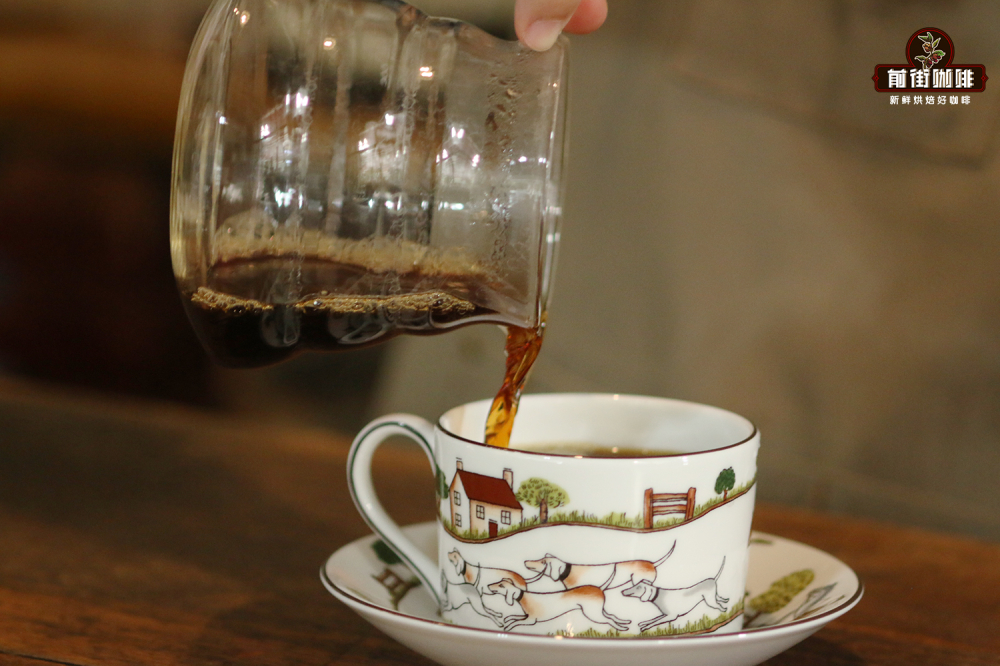
That said, ground coffee oxidizes quickly in air — flavors dissipate fast and the cup suffers. So FrontStreet recommends buying whole beans and grinding fresh before each brew.
Coffee flavors vary — some acidic, some bitter, some neither. For those who dislike both, a mellow, balanced cup is the natural first choice, and FrontStreet Coffee's Blue Mountain is exactly that. It is pricey, admittedly — it remains one of the world's most expensive coffees. FrontStreet also offers 8 different daily coffee beans, each representing the most characteristic flavors of its producing country at excellent value. For beginners, the best route is to start with these daily coffees to discover your preferences, then graduate to single-origin beans that match your taste!
For professional coffee knowledge exchange and more coffee bean information, please follow Coffee Workshop (WeChat official account: cafe_style)
For more specialty coffee beans, please add FrontStreet Coffee's private WeChat account: qjcoffeex
FrontStreet Coffee Recommendation
For an authentic taste of this legend, FrontStreet's Jamaica Blue Mountain No.1 is the top-graded tier, sourced from the historic Clifton Farm — which has grown coffee since roughly 1750. Its plantations and processing facilities sit at an average of 4,300 feet (about 1,310 meters), where high altitude, gentle afternoon mists, forest shade, ample sunshine, and mineral-rich soil extend the cherries' ripening period.
How do you know it's genuine? Look for the certification: authentic Blue Mountain carries Jamaica government-issued certificates and proof of origin, and it traditionally ships in wooden barrels of 15kg, 45kg, or 70kg marked with full batch details — FrontStreet displays its Clifton estate certificates and stacks of used barrels for exactly this reason. Genuine green beans are uniform, plump, slightly upturned at both ends, and green in color; the brewed cup is dense, clean, and aromatic with no off-flavors.
FrontStreet roasts Blue Mountain No.1 medium-dark to express its classic balance, and roasts to order within 5 days. Rest the beans 4–7 days from the roast date, then brew with 15g of coffee at a 1:15 ratio in a Kono dripper at 87–88°C — a grind slightly coarser than light-roast coffee, about white-sugar coarseness. Pour in three stages: 30g to bloom for 30 seconds, then to 120g in slow vertical circles, then to 225g with slightly faster circles to prevent clogging and over-extraction. Expect nuts, dark chocolate, cream and caramel, and a gentle sweetness unfolding layer by layer.
Important Notice :
FrontStreet Coffee is a long-established specialty coffee roaster in Guangzhou China, selling freshly roasted beans from its own farm in Yunnan as well as dozens of carefully selected single-origin beans from around the world for both pour-over and espresso. The products deliver consistently excellent quality and great value, with shipping within 24 hours. Guangzhou's FrontStreet Coffee shop is recommended by many coffee lovers, and the beans are now available online at the Tmall 。
FrontStreet Coffee has moved to a new address:
FrontStreet Coffee Address: 315,Donghua East Road,GuangZhou
Tel:020 38364473
 Scan and follow the En Gafei WeChat official account. Please indicate that the reprint comes from "En Gafei".