Why Everyone Says Espresso Coffee Tastes Too Bitter and How to Adjust When Espresso is Too Bitter
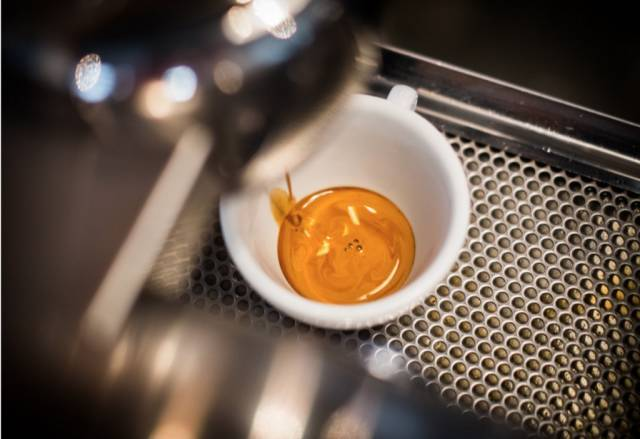
Espresso concentrates the finest flavor compounds in coffee into a rich, intense taste, which is exactly why many people find it "too bitter." Outside of Italy, few drink it straight. Most people dilute it with water or milk, which is how the familiar staples we see today, the Americano, the latte, gradually came about. In this article, FrontStreet Coffee takes a closer look at what espresso really is, and what to do when it tastes too bitter.
Why is Espresso So Bitter?
Espresso, as the name suggests, comes from Italy. It was developed to speed up coffee preparation. At first, "espresso" referred to a method of making coffee, the root means "fast" or "pressed out," signaling that a cup of black coffee could be served in a very short time.
In 1884, Angelo Moriondo of Italy designed the first espresso machine, with two independent boilers delivering 1.5 bar of pressure plus steam, producing a relatively viscous coffee with a heavier body than drip coffee. As machines kept improving, water temperature and pressure became better controlled. In 1948, Achille Gaggia, a café owner in Milan, invented a lever-driven machine that could generate the high pressure needed to produce what we now call crema. From then on, crema was considered one of the quality markers of espresso, and espresso came to be defined specifically as high-concentration coffee made under pressure and topped with rich crema.
Because Italians favor mellow, full-bodied, strong coffee, they traditionally roast beans very dark, and even blend in Robusta to make the crema richer, the aroma more concentrated, and the taste more forceful. That heavy approach is a big part of why espresso gets a reputation for bitterness. Today's consumers, however, chase more diverse flavor profiles, and many fresh, distinctive beans now go into espresso blends. For example, the espresso served at FrontStreet Coffee's stores uses the "Sunflower Warm Sunshine Espresso Blend," which presents fermented wine notes, berry sweetness and tartness, obvious vanilla on the entry, and a soft fruit acidity, an elegant yet rich taste that is far from harsh.

What is Espresso Crema?
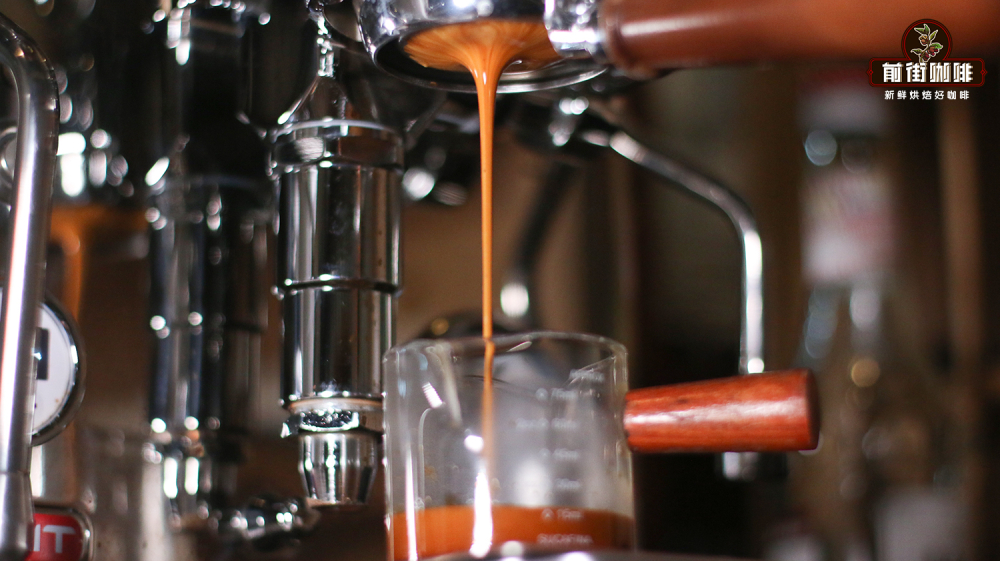
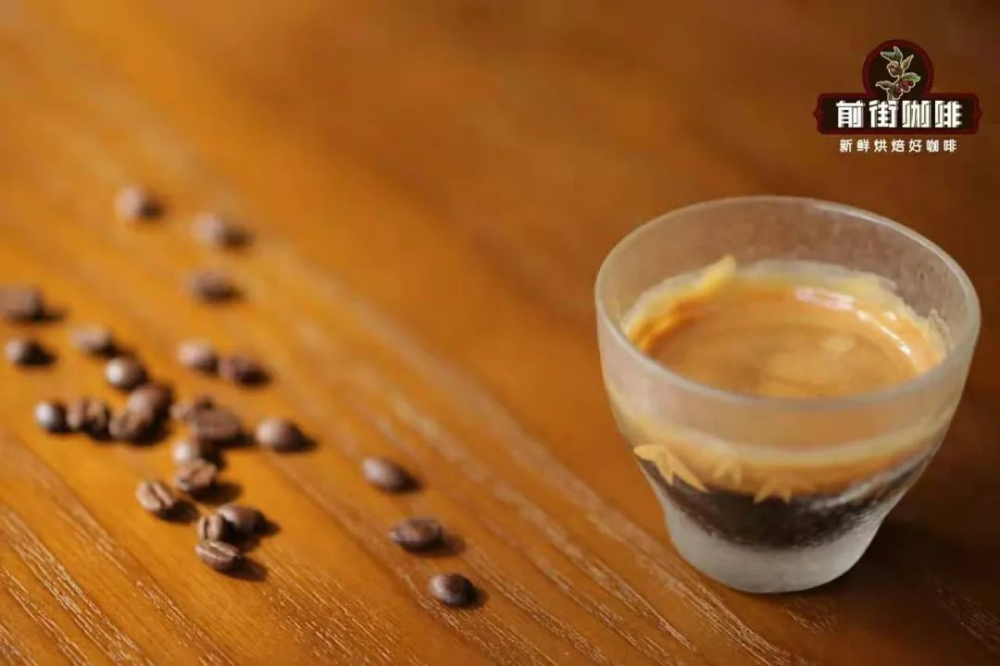
You'll notice that freshly extracted espresso carries a fine, dense golden-brown foam floating on top, the layer commonly called crema.
Freshly roasted coffee beans release a large amount of gas (mainly carbon dioxide). Commercial espresso machines typically run at pressures above 9 bar. Under that pressure, CO2 is forced out of the cell walls through thermal expansion, while the hot water also extracts oils that emulsify the coffee liquid, trapping the gas and pushing it out as a dense foam. The lighter bubble clusters float to the top.

How much crema you get depends mainly on roast level and roast date. The darker the roast, the more gas the beans hold. The fresher the roast date, the more CO2 remains, and the richer the crema. A moderate, rich crema adds noticeable aroma and is a huge help for pouring latte art. But too much CO2 can obstruct the extraction of soluble coffee compounds, so beans need a resting period to let some gas escape first, which makes extraction far more stable. FrontStreet Coffee recommends resting espresso beans for 7–10 days, in other words, start using them about a week after roasting.
How to Drink Espresso?
Most of us rarely order a straight espresso at a café, since not everyone can handle that intensity, but lovers of "strong flavors" will happily order one and sip it slowly.
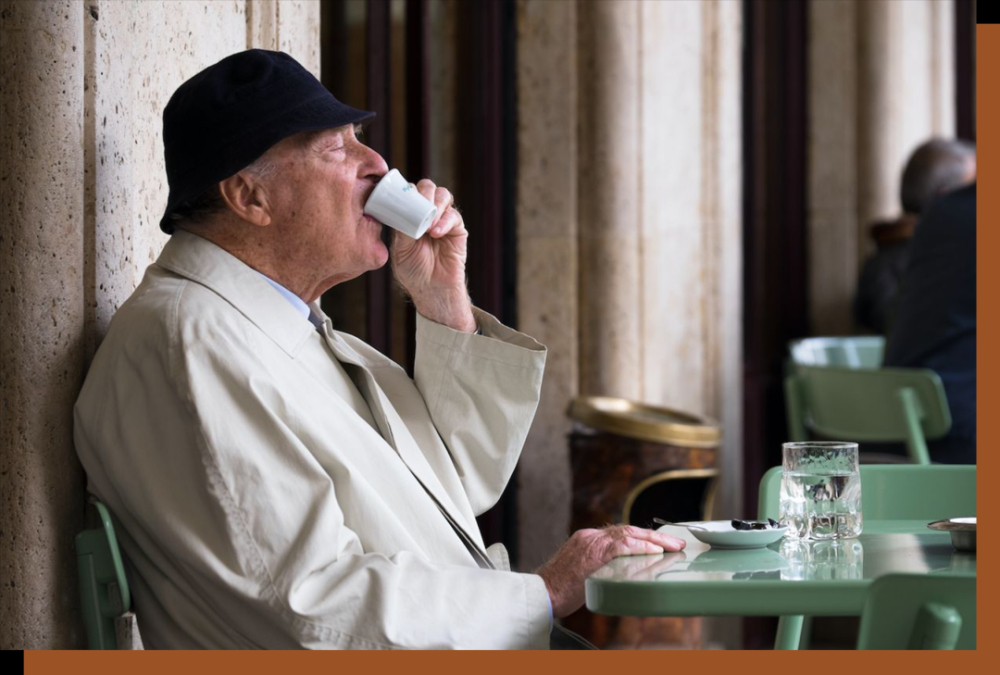
If you're curious about that intense taste, order an espresso next time you visit a coffee shop. Observe its color, aroma, texture, and aftertaste, and get a small taste of Italian tradition. If the thickness and punch of straight espresso really aren't for you, choose the classics instead, Americano, latte, cappuccino, flat white, which let you enjoy coffee's charm without the bitterness hitting you full force.

FrontStreet Coffee believes that even though espresso is rarely served on its own, some shops don't even list it, it is the soul of any coffee shop. Every specialty drink stands on a well-extracted espresso base. Whether the cup highlights the character of the beans used, whether extraction is stable, and whether any taste defects show up, all of these demand the barista's attention and quick, experience-based adjustments to keep every drink on the menu consistent.
FrontStreet Coffee Recommendation
FrontStreet Classic Blend (first choice): This blend was designed specifically for espresso machines and moka pots, and its biggest strength is outstanding crema. Even a beginner using a non-professional home machine can pull dense, silky crema with ease. The lattes, cappuccinos, and Dirty coffees we drink every day all depend on good crema, and the Classic Blend hits that need perfectly. It uses the traditional Mandheling–Brazil formula, giving a mellow, rounded cup that both seasoned drinkers and complete newcomers can appreciate, a reliable choice for home or commercial use.
FrontStreet Black Cocoa Blend (high-value commercial option): Not everyone chases maximum crema. For beginners or café owners watching costs, "good taste, fair price" is what matters, and FrontStreet Coffee's Black Cocoa Blend delivers exactly that. It uses 100% Arabica beans, offers plenty of crema and a full-bodied cup, and is priced very affordably, quality and value in one bag.
FrontStreet Strawberry Candy: Strawberry Candy is FrontStreet's popular fruit-forward espresso blend. By combining the native flavors of Arabica beans from different origins, it recreates a vivid strawberry-soft-candy sweetness. It suits everyday home brewing as well as commercial café service. Anyone who prefers fruity coffee, fears bitterness, or wants to differentiate their milk-coffee menu should consider it, one bag covers many brewing methods, making it a versatile daily driver.
FrontStreet Commercial Blend (classic business option): Before FrontStreet Coffee's Black Cocoa Blend hit the market, FrontStreet Coffee's Commercial Blend was the workhorse for cafés. It costs less than the specialty blends, and while its formula doesn't chase extreme crema, it has been tuned to keep taste solid while controlling costs, a long-time favorite for commercial settings of all kinds.
FrontStreet Specialty Blend (house classic): This is the espresso blend FrontStreet's own stores have used the longest, nearly ten years, carrying core drinks like Americanos and lattes. It pairs Brazil Cerrado with Colombia Huila beans for a thoroughly classic flavor: the espresso taste we all remember. Equally good at home or in a shop.
Important Notice :
FrontStreet Coffee is a long-established specialty coffee roaster in Guangzhou China, selling freshly roasted beans from its own farm in Yunnan as well as dozens of carefully selected single-origin beans from around the world for both pour-over and espresso. The products deliver consistently excellent quality and great value, with shipping within 24 hours. Guangzhou's FrontStreet Coffee shop is recommended by many coffee lovers, and the beans are now available online at the Tmall 。
FrontStreet Coffee has moved to a new address:
FrontStreet Coffee Address: 315,Donghua East Road,GuangZhou
Tel:020 38364473
 Scan and follow the En Gafei WeChat official account. Please indicate that the reprint comes from "En Gafei".