Does Guatemalan Huehuetenango Region Rose Specialty Coffee Estate Geisha Coffee Have Rose Flavor?

Guatemala Huehuetenango Finca Las Rosas Geisha Washed Rose Flavor
Guatemala Huehuetenango Finca Las Rosas Geisha Washed
Country: Guatemala
Region: Huehuetenango
Altitude: 1980 meters
Processing Method: Washed
Grade: SHB
Variety: Geisha
Flavor Description: Rose, bergamot, lemon, flower nectar, smooth body

Finca Las Rosas began growing coffee in 1915 and has a history of more than 100 years. Set in the high-altitude Huehuetenango region of Guatemala, in the well-known San Pedro Necta area, it focuses on high-quality micro-batch specialty coffees of varieties such as Geisha, Pacamara, Bourbon, Caturra, Pache and Catuai. Geisha, Pacamara and Bourbon in particular are global bestsellers every year.
Finca Las Rosas lies in the magnificent Cuchumatanes mountain range of high-altitude Huehuetenango. The name Las Rosas comes from the owner's grandmother, who loved to plant roses around the farmhouse, so the family called the farm Finca Las Rosas.

The current owner, Isabel Villatoro Hernandez, has built on the experience of previous generations and is even more committed to improving production processes and equipment to raise coffee quality. For the family, high-quality coffee not only fetches better prices but also improves the lives of their workers through better wages, healthcare and education. Because their quality standards are so high, the estate rarely sells to local cooperatives or exporters and mostly trades directly with overseas clients.
Las Rosas made the C.O.E. winners list twice, in 2008 and 2017, taking seventh place in 2017 with its washed Geisha.
Coffee is an agricultural crop tied directly to the climate of its origin. Guatemala sits on high-altitude volcanic terrain, and these volcanoes are the most ideal places to grow coffee, which is why Guatemalan coffee carries a smoky note. Guatemalan Geisha is a wild coffee from Ethiopia, a very rare premium coffee. This single origin comes from the Nueva Granada coffee farm in San Marcos, Guatemala, where the plants grow at an altitude of 5000 feet. The farm sits between two volcanoes, Tacana and Tajumulco, with rich soil from the Tacana volcano. Guatemalan Geisha can be described as having low-acidity chocolate and nutty flavors. The annual harvest is limited. It is Rainforest Alliance certified and medium roasted. Cupping: crisp, elegant, sweet and delicious, with baker's chocolate, lemon blossom, musk, dried peach and almond aroma and cup.
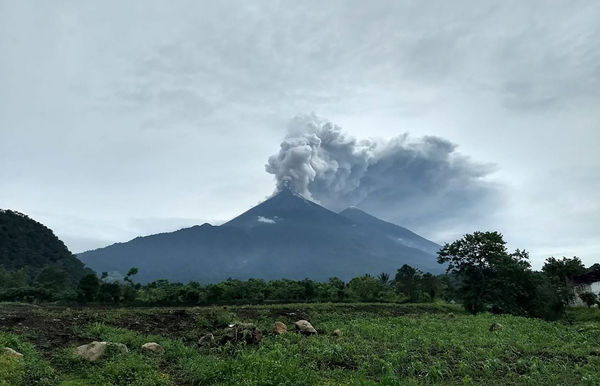
Coffee produced in Guatemala ranks among the world's top-tier coffees. Because it is grown on high-altitude volcanic terrain, tasters tend to prefer this mixed-flavor coffee with spicy notes over other varieties. The Strictly Hard Bean (SHB) from this region is a rare fine coffee, with full beans, delicious taste and balanced acidity. Its large beans also earn Guatemala high regard.
Guatemala Coffee Growing Regions
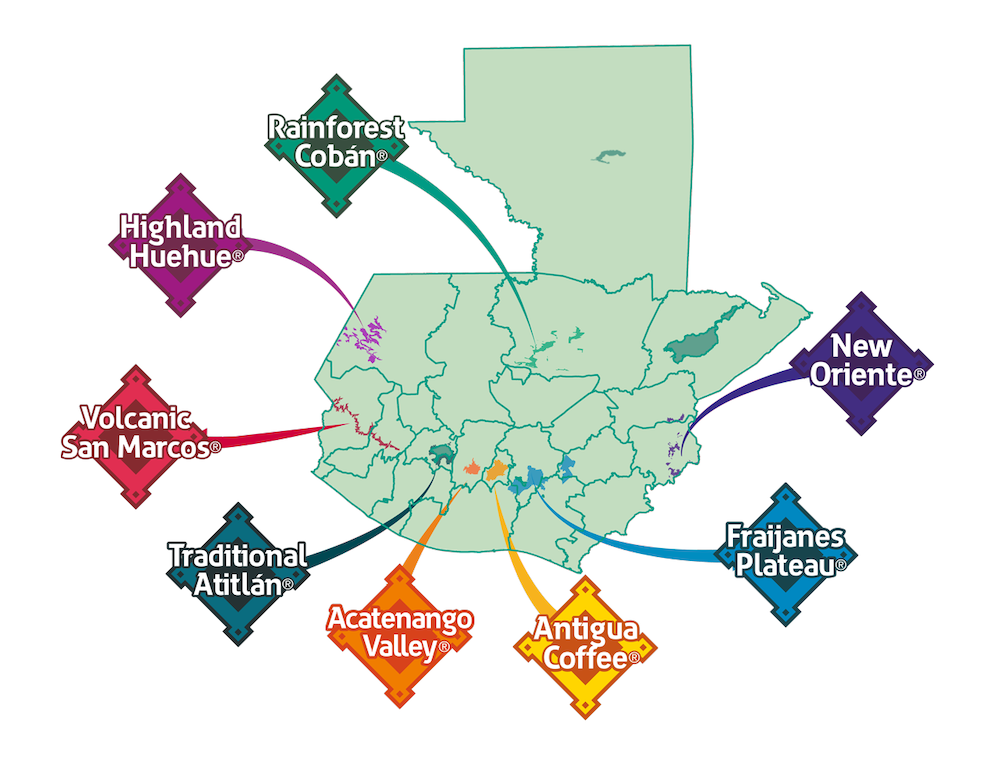
Coffee was truly introduced to Guatemala in 1750 by Jesuit priests, and by the late 19th century German colonists had developed the coffee industry here. Guatemala has eight growing regions in total, divided into five volcanic regions and three non-volcanic regions. The five volcanic regions are Antigua, Acatenango, Atitlan, Volcanic San Marcos and Fraijanes. The three non-volcanic regions are Huehuetenango, Coban and New Oriente. Guatemala has over 300 microclimates nationwide, the most of any country in the world. The flavors of coffee from its various regions differ, but generally Guatemalan coffee presents a gentle, mellow texture with elegant aromas and a special, pleasant fruit-like acidity, making it truly the aristocrat of coffees. Among them, Antigua Classic is highly recommended by coffee connoisseurs worldwide.
Huehuetenango
The Huehuetenango region lies in the northwestern highlands of Guatemala, where growing altitudes reach 1800-2100 meters, making it the highest-altitude coffee growing region in the country and famous for producing excellent-quality beans. The hot, dry winds from Mexico's Tehuantepec plateau protect the region's coffee from frost, and local people plant coffee trees at close to 2000 meters, which can be described as a god-given coffee growing environment. Although Huehuetenango has a dry climate, streams thread through the area, providing ample clean water for irrigation and for the washing stations. During the harvest season, washing can be done directly in the mountains. Because Guatemala is woven with rivers and lakes, Huehuetenango has rich mountains and water resources: a dry climate but abundant water, with complete water-conservancy facilities, so its coffee is mostly washed. Harvest period: January-April.
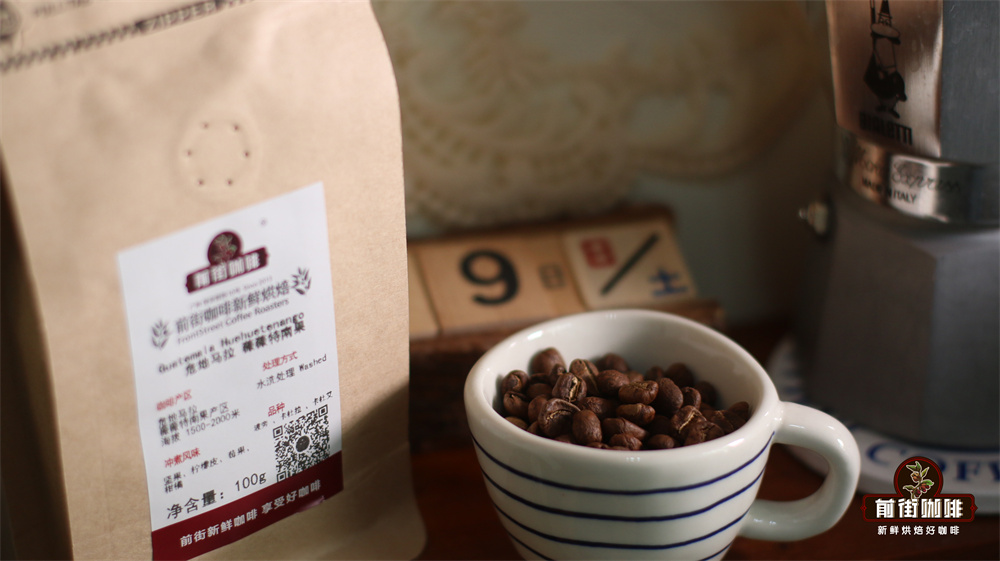
FrontStreet Coffee has chosen its washed Huehuetenango, with distinct citrus notes, the acidity of lemon peel yet the richness of berries, and nutty flavors in the finish, as a daily drinking bean. It is representative of the Huehuetenango region and of Guatemalan coffee as a whole.
Antigua
Antigua is the oldest and most beautiful city in the Americas. As early as 1543 it was the capital of the entire colonial era in Central America, and the Spanish governor's palace was established here. After the great earthquake of 1773 the whole city was destroyed, and the capital was moved to Guatemala City. Antigua lies about 40 kilometers west of Guatemala City. Its colonial buildings were damaged by earthquakes, and their post-earthquake appearance has been completely preserved, making the city a living historical museum.
Coffee Varieties
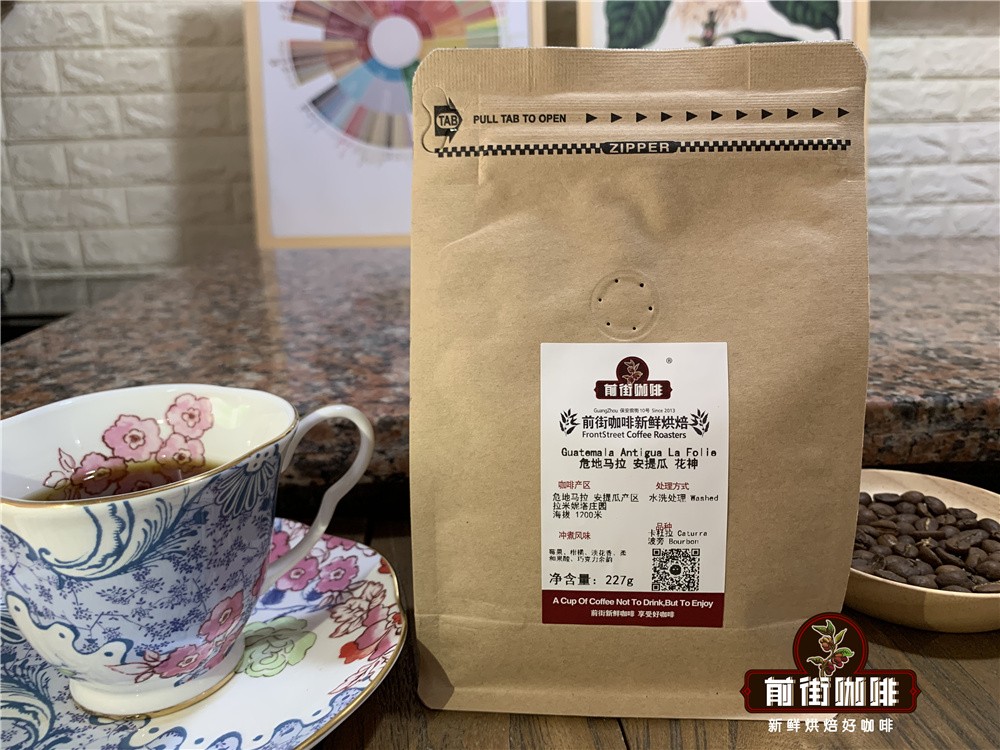
Guatemala mainly grows Bourbon, Typica, Caturra and Catuai. Bourbon and Typica are both among the oldest Arabica varieties, mostly appearing as specialty coffees.
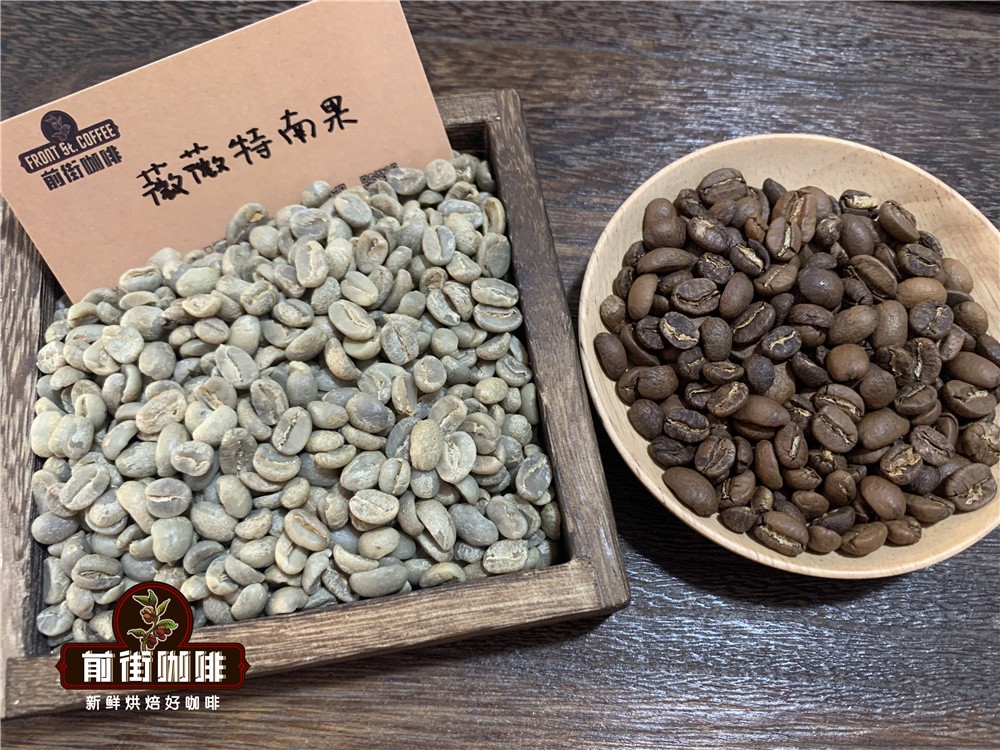
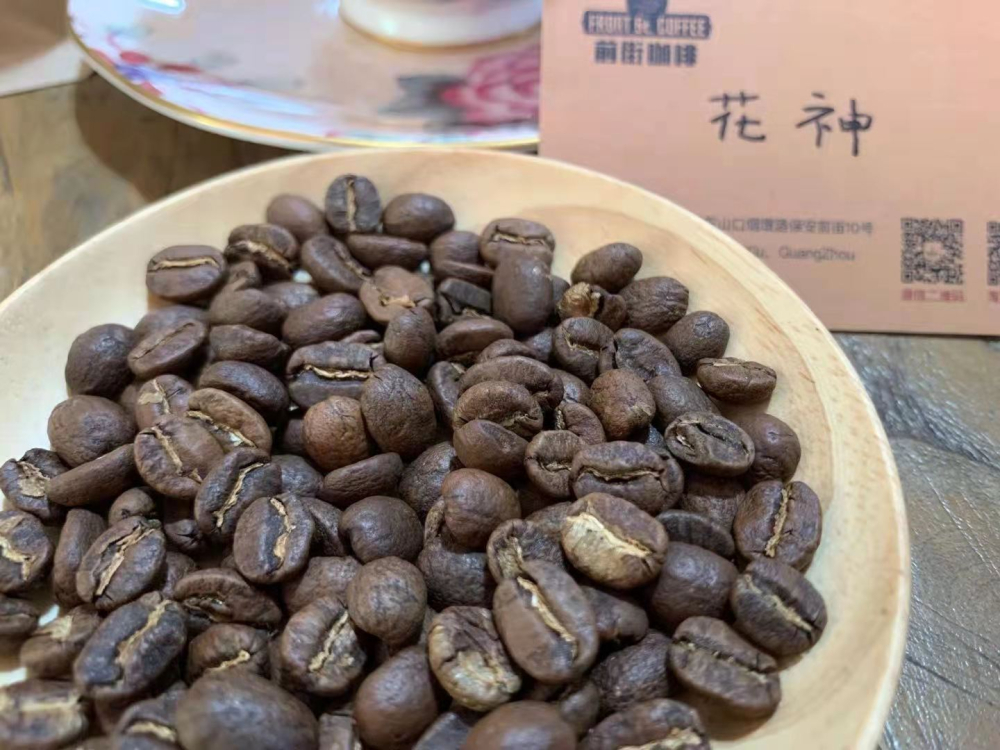
FrontStreet Coffee carries two Guatemalan coffees: one is the daily drinking bean, Huehuetenango, with varieties of Bourbon, Caturra and Catuai; the other is the single-origin Guatemala Flower Goddess, with varieties of Caturra and Bourbon.
Guatemala Coffee Bean Processing Methods
Guatemalan coffee beans are mainly processed using the washed method.

After harvesting, the selected cherries are put into a depulper to remove their skin and pulp. The beans, still carrying pulp and mucilage, are then placed in water to ferment for about 24 hours. After fermentation they go into flowing-water tanks for washing, then are dried in the sun or with dryers until the moisture content drops to about 12%, before being moved to warehouses. Finally the parchment is removed before sale. This method presents a very clean taste. FrontStreet Coffee also believes that washed coffee best reflects the basic flavor of a region, so this bean is very suitable for coffee newcomers and marks the flavor characteristics of the Guatemalan origin.
FrontStreet Coffee Roasting Suggestions
FrontStreet Coffee carries two Guatemalan coffees: the daily drinking bean Huehuetenango, with varieties of Bourbon, Caturra and Catuai, and the single-origin Guatemala Flower Goddess, with varieties of Caturra and Bourbon. Guatemalan beans naturally carry the unique nutty and cocoa tones of Latin America, with light floral notes and soft fruit acidity. FrontStreet Coffee uses a medium-light roast to preserve more floral and fruity aromas, with clean and bright acidity.

FrontStreet Coffee Guatemala Coffee Brewing Parameters:
Guatemalan coffee beans are medium-light roasted. Lightly roasted beans dissolve coffee solids more slowly than darkly roasted ones, so FrontStreet Coffee recommends a faster-flowing V60 dripper, a higher water temperature and a finer grind size.

FrontStreet Coffee uses a medium-fine grind, about the size of granulated sugar (China No. 20 standard sieve, 80% pass rate). Use 15g of coffee, a V60 dripper, 91°C water, a 1:15 coffee-to-water ratio and a three-stage pouring technique.
For the three-stage extraction, bloom with twice the weight of water as the coffee, meaning 30g of water for 30 seconds. The bloom lets the coffee release its internal carbon dioxide so that later extraction is more stable. Pour with a small circular stream to 125g for the first segment, then continue to 225g and stop. Wait for the water in the dripper to finish dripping, then remove the dripper. Start timing from the beginning of the pour; extraction time is 2'00". Then pick up the whole cup and swirl it evenly before pouring into cups for tasting.

Guatemala Huehuetenango flavor characteristics: citrus, berry acidity, lemon peel, nutty aromas through the middle, tea-like finish.
Guatemala Flower Goddess flavor characteristics: berry acidity, citrus, light chocolate, rich layers, smooth mouthfeel.
FrontStreet Coffee Brewing Suggestions:
On brewing, FrontStreet Coffee has always believed that the freshness of coffee beans strongly affects the flavor of the cup. FrontStreet Coffee therefore ships beans that were roasted within 5 days. Its roasting philosophy is "Freshly Roasted Good Coffee," ensuring that every customer who places an order receives the freshest coffee on arrival. The resting period is about 4-7 days, so by the time customers receive it the coffee is at its peak of flavor.

For friends who need ground coffee, FrontStreet Coffee kindly reminds you: if the beans are ground in advance there is no need for a resting period, because during transport the pressure of the carbon dioxide produced in the packaging also rounds out the flavor, so you can brew a cup as soon as the ground coffee arrives. Ground coffee must be brewed promptly, however, because once it meets air it oxidizes quickly, meaning the flavor dissipates faster and the cup is not as good. FrontStreet Coffee therefore recommends buying whole beans and grinding fresh before brewing to appreciate the flavor of the coffee more fully.
Besides Geisha coffees from different regions, FrontStreet Coffee also offers more than fifty different single-origin coffee beans from around the world, each with its own flavor characteristics. Some like acidity, some prefer bitterness, and some like neither acidic nor bitter. Whatever flavor profile you are looking for, FrontStreet Coffee can meet your needs.
FrontStreet Coffee Recommendation
If this Guatemalan Geisha has drawn you toward the variety, FrontStreet's Geisha line spans several origins and price points. FrontStreet's Esmeralda Estate Red Label Geisha is grown at 1,600-1,800 meters, and every lot must cup above 90 points and carries its own number, with each batch coming from a single plot such as the Jaramillo plot, so buyers can pick a lot for its subtler flavors. FrontStreet's Esmeralda Estate Green Label Geisha, originally "Private Collection," blends batches from several plots to express the estate's signature high-altitude Geisha character at a more accessible price. From Ethiopia, FrontStreet's Genlana Estate Geisha comes from a processing station established in 2014 in the border area between Kochere and Genlana Abaya, growing across some 700 hectares; harvested by hand and dried on raised beds for 14-20 days depending on the weather, it is roasted medium-light and shows bright citrus acidity, elegant ginger-flower aroma and ripe-fruit sweetness.
Important Notice :
FrontStreet Coffee is a long-established specialty coffee roaster in Guangzhou China, selling freshly roasted beans from its own farm in Yunnan as well as dozens of carefully selected single-origin beans from around the world for both pour-over and espresso. The products deliver consistently excellent quality and great value, with shipping within 24 hours. Guangzhou's FrontStreet Coffee shop is recommended by many coffee lovers, and the beans are now available online at the Tmall 。
FrontStreet Coffee has moved to a new address:
FrontStreet Coffee Address: 315,Donghua East Road,GuangZhou
Tel:020 38364473
 Scan and follow the En Gafei WeChat official account. Please indicate that the reprint comes from "En Gafei".