Peruvian Coffee Beans: Origin, Production, Flavor Characteristics, and Aroma
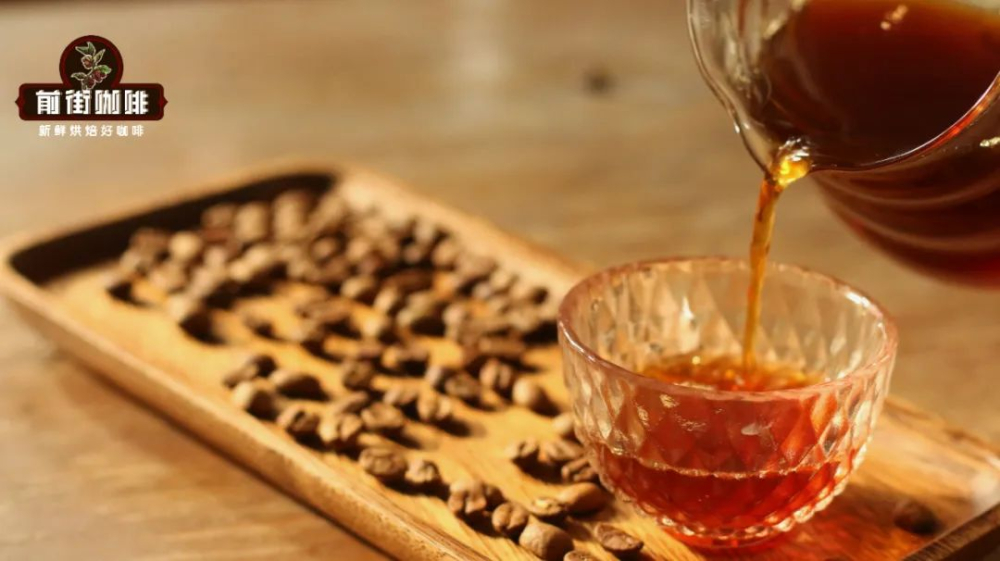
Peruvian coffee has long kept a low profile in the coffee world. It is widely used in blends, valued mainly for its stable body: mixed with other beans, it lends a distinctive mellow flavor to the cup.
The History of Peruvian Coffee
Before the 1880s, political, economic, and social troubles nearly halted coffee farming in Peru, with only minimal exports reaching the international market, so Peruvian coffee gradually faded from memory. It was not until the mid-1990s that it returned to the spotlight. Because cultivation had been interrupted for so long, Peru's plantations preserved old varieties, predominantly Typica.
Peruvian coffee is grown under shade, and the green beans are processed using the washed method. Most Peruvian coffee is also grown under natural conditions, which makes Peru one of the best origins for organic, environmentally friendly coffee. In recent years, Peruvian coffee has been in high demand internationally, frequently winning gold awards. Its mellow flavor and delicate acidity are deeply loved by consumers.
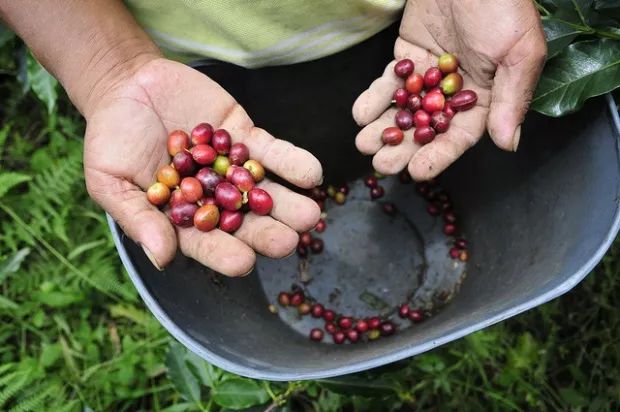
Geography and Growing Conditions
Peru lies in western South America, with a coastline stretching 2,254 kilometers. The Andes run north to south, and mountainous areas make up one-third of the country's land. It belongs to the tropical desert zone, with a dry and mild climate.
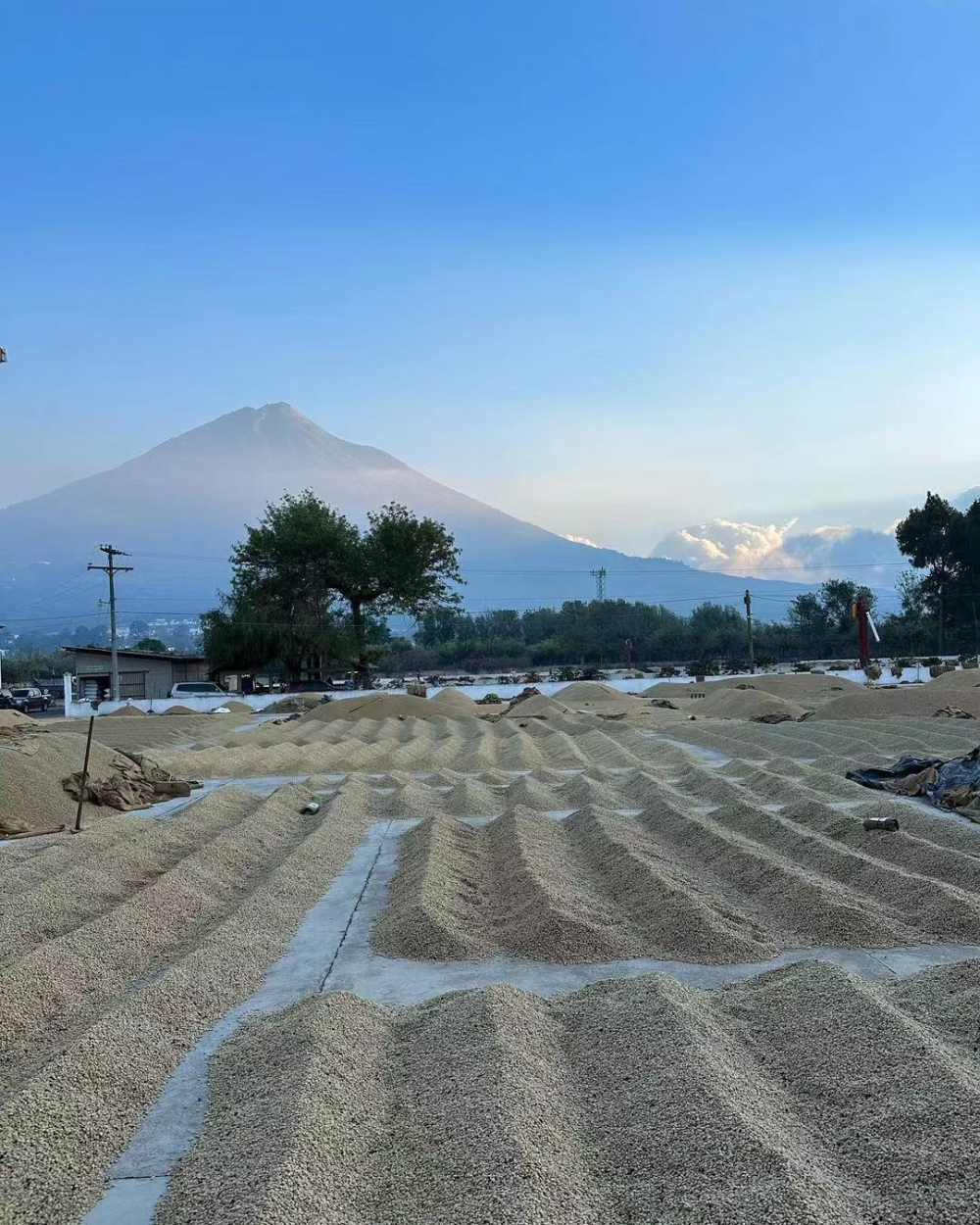
Most Peruvian coffee is grown at the foot of the Andes, where high-quality traditional Central American premium beans are produced. Peru has rich natural landscapes: tropical rainforests, distinctive hilly terrain, and the driest deserts. Coffee is cultivated along the eastern side of the Andes at 1,300 to 1,850 meters. The finest Peruvian coffee grows in the high-altitude Andes, reaching up to 2,000 meters.
Peruvian Coffee Growing Regions
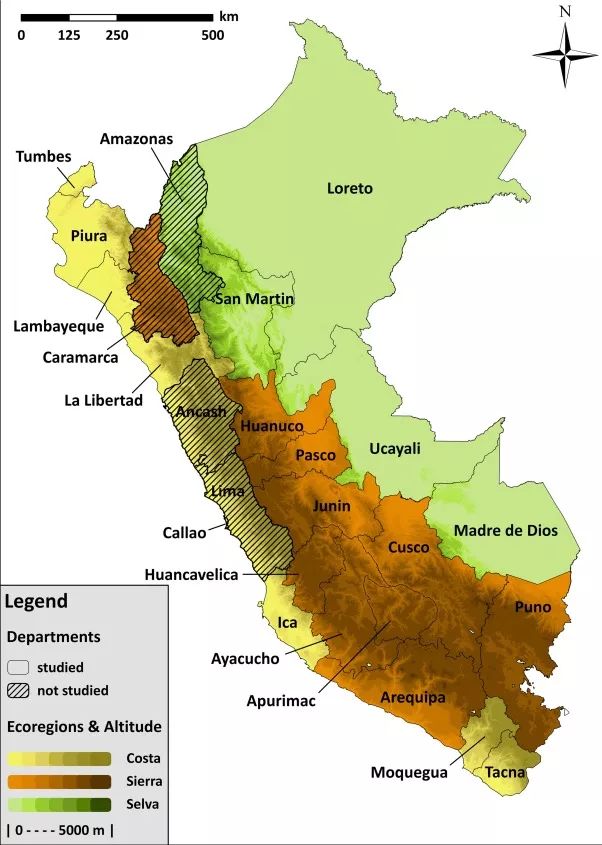
Peruvian coffee is divided mainly into three growing regions: northern, central, and southern. The planted varieties are 70% Typica and 20% Caturra, with the balance Catimor and others. Thanks to Peru's varied natural resources and rich cultural diversity, beans from different regions each have their own character.
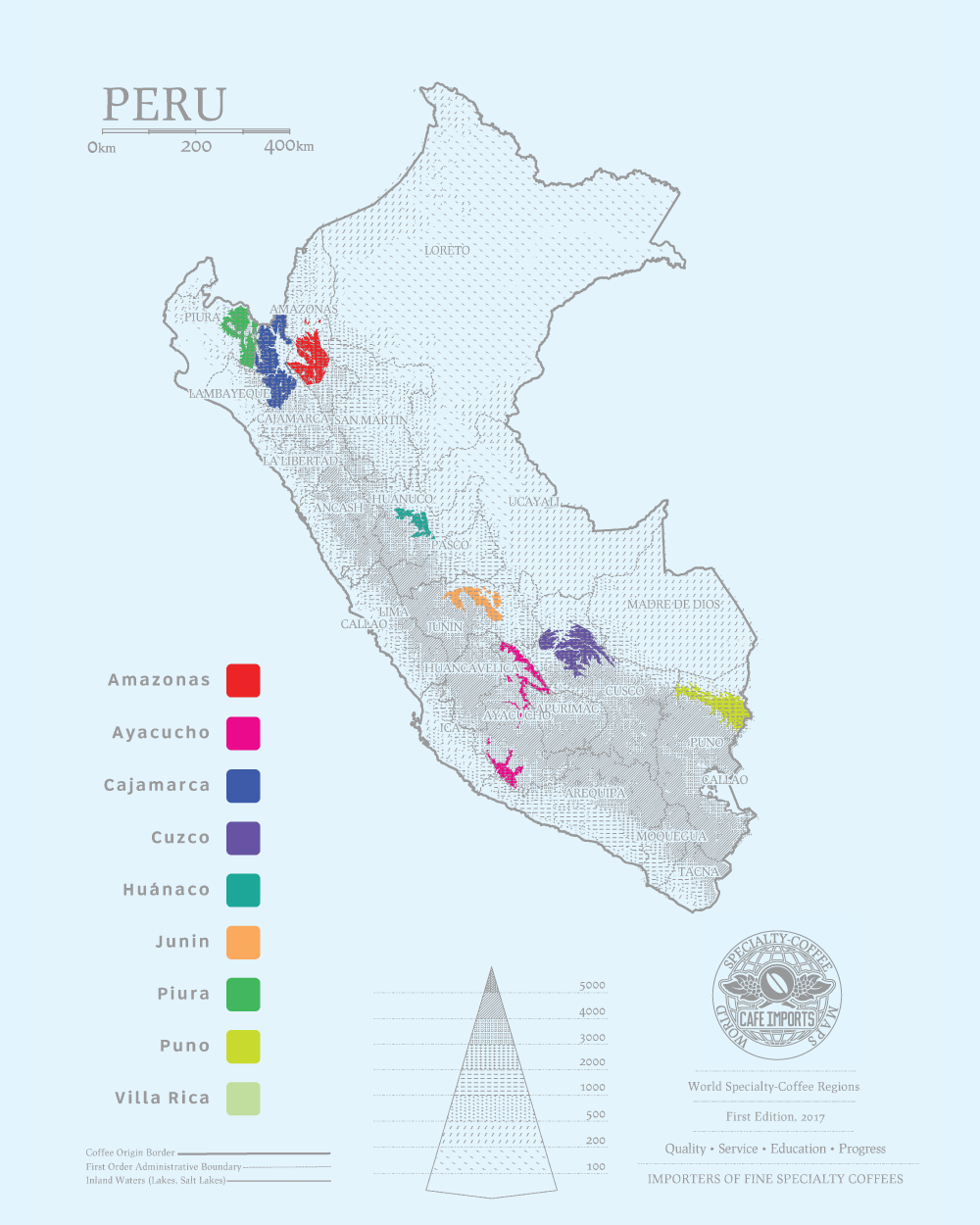
Cajamarca Region
This region lies in northern Peru, named for its capital, and covers the northern end of the Peruvian Andes. Its advantage lies in its equatorial climate and soil suited to coffee. Most producers are small farmers, but they are well organized into various groups. These organizations provide technical assistance, training, and loans to help them improve quality. Among them, CENFROCAFE is a major organization with 1,900 small farmers that also promotes coffee roasting and runs local cafes, helping farmers diversify.
Altitude: 900-2,050m
Harvest: March-September
Varieties: Typica, Caturra, Bourbon, Pache, Catuai
Junín Region
This region produces about 20%-25% of Peru's coffee, grown in tropical rainforest. During the 1980s and 1990s it suffered guerrilla attacks and the spread of plant disease, sending the local coffee industry into decline; it did not officially begin to recover until the late 1990s.
Altitude: 1,400-1,900m
Harvest: March-September
Varieties: Bourbon, Typica, Caturra, Pache, Catuai
Located in central Peru, this region is known for coffee with just the right acidity, a light and gentle aroma, and a smooth mouthfeel.
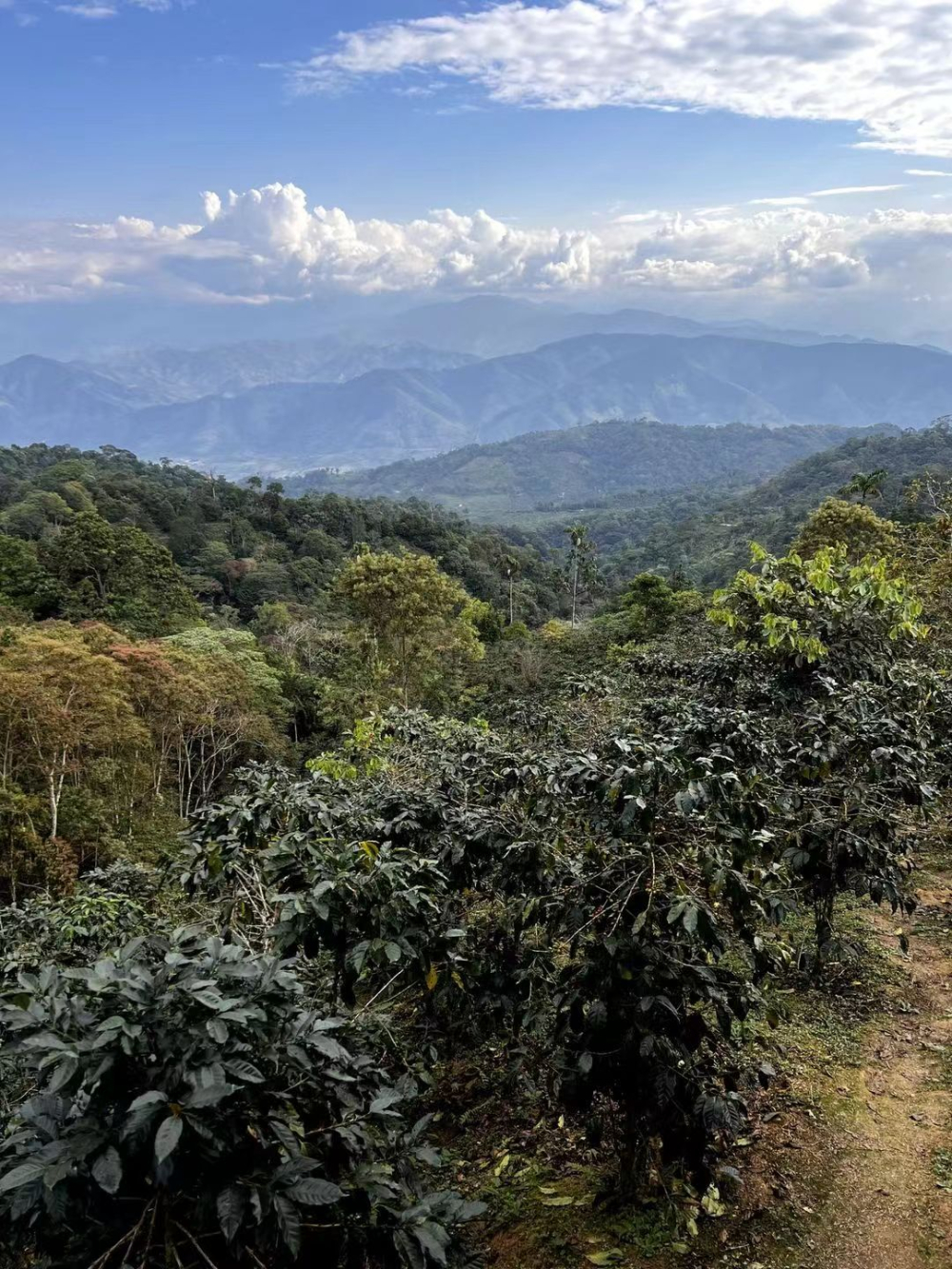
Cusco Region
This region lies in southern Peru, where most coffee is grown by small farmers rather than large estates. The region has a thriving tourism industry, with many travelers departing from Cusco city to visit Machu Picchu.
Altitude: 1,200-1,900m
Harvest: March-September
Varieties: Bourbon, Typica, Caturra, Pache, Mundo Novo, Catuai, Catimor
Peruvian Coffee Production
Peru is also a major coffee producer. As much as 98% of Peruvian coffee is grown in forested areas, with most producers being small farmers. Peru's favorable economic environment and stable political situation provide strong guarantees for quality coffee production.
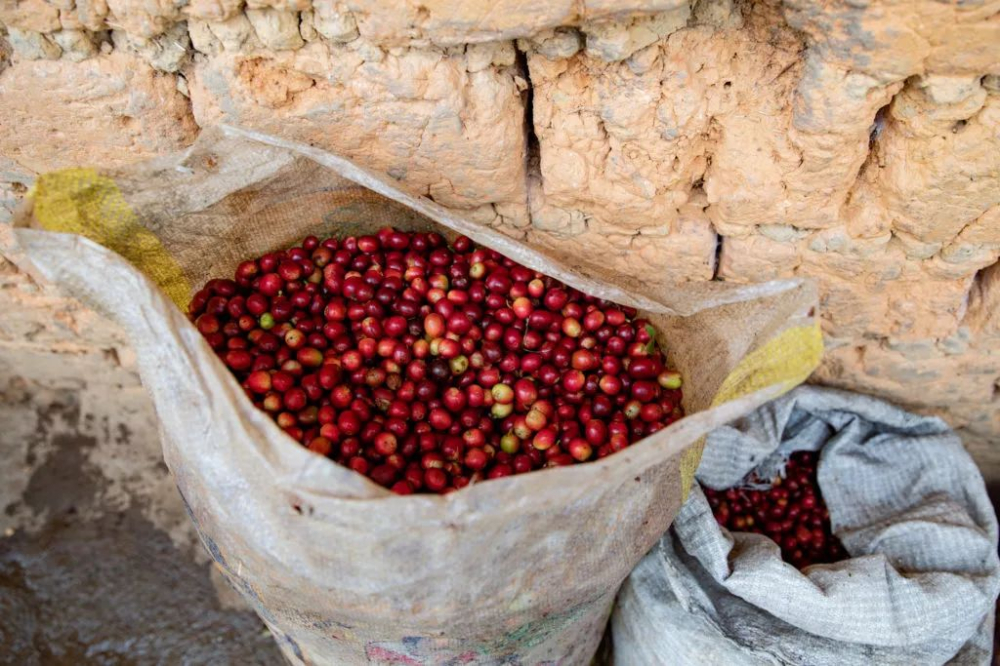
Yet the country also faces regional problems, including guerrilla warfare, drug trafficking, and a cholera outbreak in coastal areas in the mid-1990s. These troubles led to economic depression, with annual inflation at times reaching as high as 7,000%.
In the mid-1970s, Peru's annual coffee production was about 900,000 bags. Output then grew steadily to around 1.3 million bags a year. Although private exporters bought coffee from remote areas through intermediaries, the main market remained under government control. Over time, the private Peruvian Chamber of Coffee Exporters (Cámara de Exportadores de Café del Peru) was established, focusing on improving quality, with its primary task to set standards and eliminate inferior products.
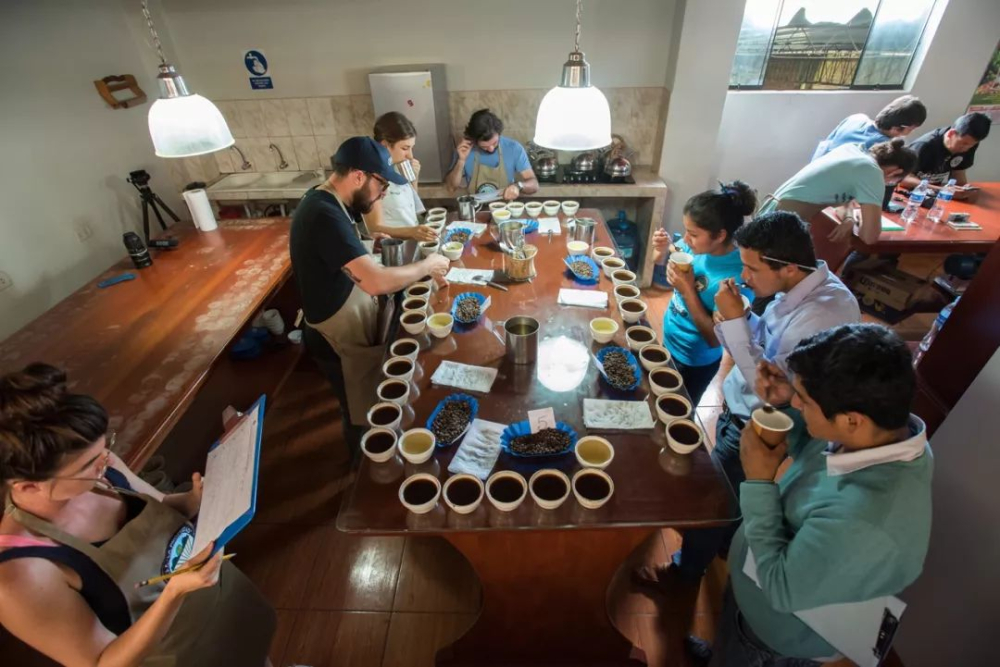
Rising prices then encouraged farmers to plant more coffee instead of traditional cash crops like cacao. The quality of Peruvian coffee can compete with any coffee from Central and South America. The finest Peruvian beans are first shipped to Germany for blending, then transported to Japan and the United States.
Peruvian Coffee Grading System
In Peru, beans are graded differently based on altitude and green bean size. High-altitude beans are graded primarily by cultivation altitude, while medium and low-altitude beans are graded by green bean size. The number of defects from the origin is one auxiliary factor, and buyers typically apply their own "cup quality" standards as well. Specifically: Strictly High Bean (SHB)—beans grown above 1,350 meters; High Bean (HB)—beans grown between 1,200 and 1,350 meters.
Peruvian Coffee Processing Methods
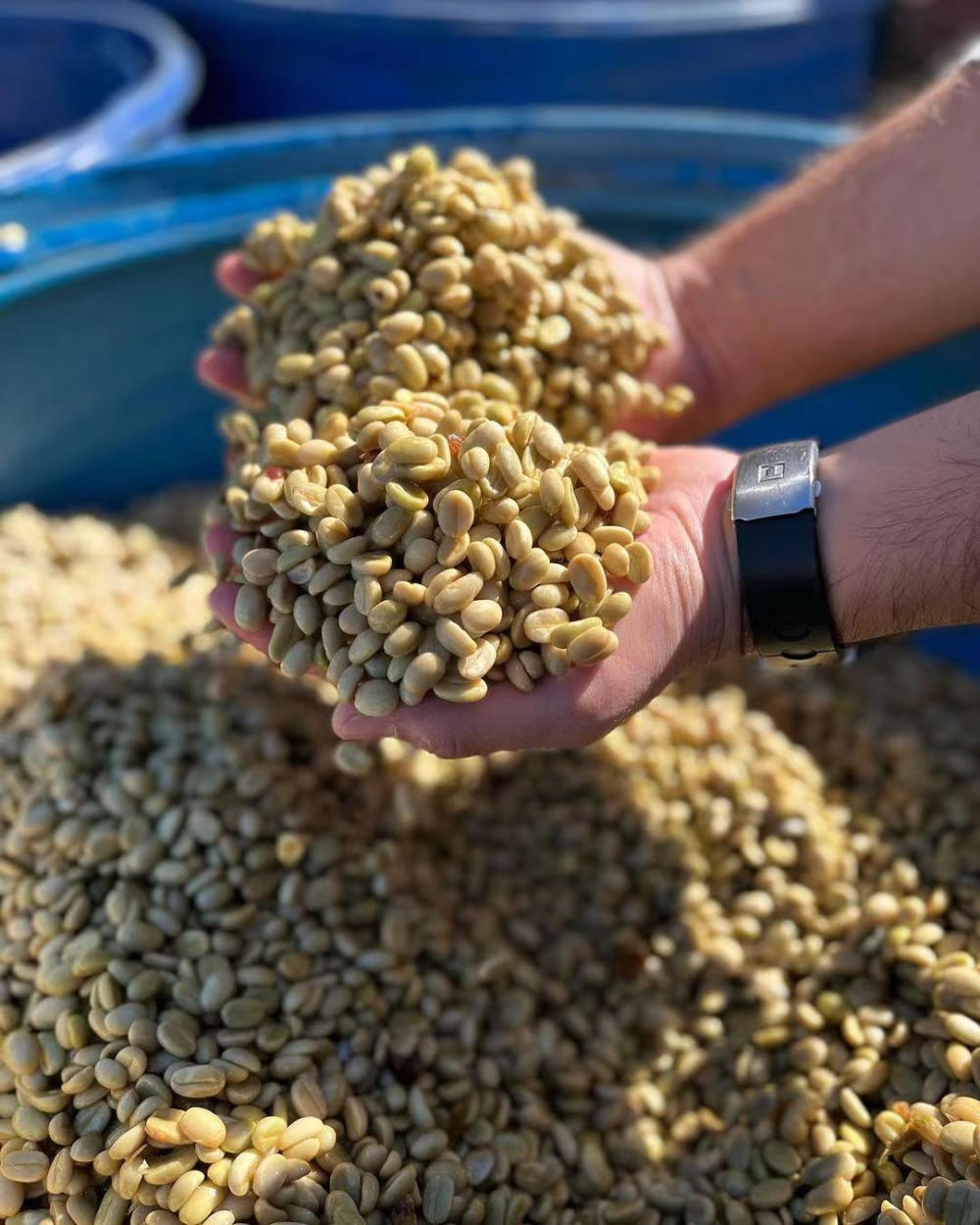
Thanks to abundant water, Peru relies mainly on traditional washed processing. Harvested cherries first undergo flotation to remove fruit that is not dense enough. Machines then remove the skin and pulp, after which the beans are placed in tanks to ferment with or without water, breaking down the mucilage layer. Once fermentation is complete, the beans are washed with clean water to remove the mucilage. Finally, the washed beans are sun-dried to bring moisture content down to between 11% and 13%. The beans are stored in parchment, which is removed only before export.
Flavor Characteristics of Peruvian Coffee
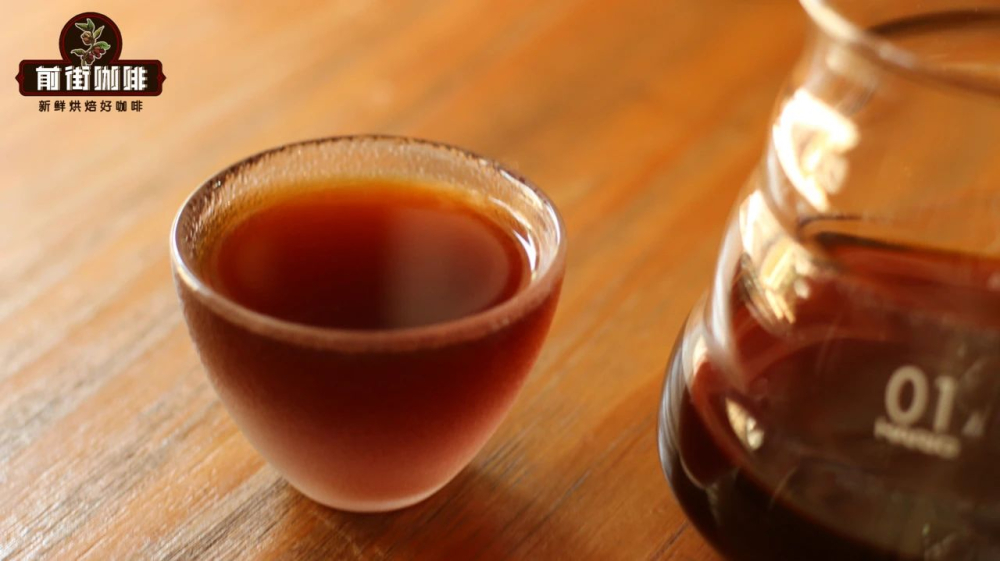
Peruvian beans look similar in color to semi-natural processing, which adds a distinctive touch to their appearance. They have moderate body, a high-quality and balanced mouthfeel, and moderate acidity with a lasting aftertaste. Peruvian beans also carry a slight drupe flavor, making the cup gentler and only mildly acidic.
For professional coffee knowledge exchange and more coffee bean information, please follow Coffee Workshop (WeChat official account: cafe_style).
For more specialty coffee beans and brewing guidance, explore the FrontStreet Coffee selection.
FrontStreet Coffee Recommendation
Peru's clean, balanced washed profile—moderate body, mild acidity, and a lasting finish—has a lot in common with the straightforward clarity of other washed origins, and FrontStreet Coffee's washed range is a good place to taste that idea. The FrontStreet washed Yirgacheffe staple is the classic entry point, known for white jasmine, bright citrus and lemon acidity, and a tea-like body at a friendly price; Yirgacheffe itself sits at roughly 1,700-2,100 meters, with trees planted above 1,800 meters on some of the highest coffee ground anywhere.
If you want tighter washed character, the Gudingding cooperative—a single-origin lot from Gudingding village in the Worka area—expresses jasmine florals and bright citrus acidity without heavy bitterness, and a medium-light roast adds green tea and honey notes, working well for pour-over, cold brew, or espresso. FrontStreet's Kenya "Small Tomato" is a leading example of the washed style, made with the double-washed method Kenya is known for: repeated soaking and rinsing push the juice-like quality to its limit, bringing cherry tomato, smoked plum, pear, black plum, and yellow sugar in a sweet-tart, juicy cup. And FrontStreet's Jamaica Blue Mountain No. 1 shows how washing shortens drying time in an island climate, cutting defects and yielding a bright bean with rich aroma and a balanced cup of hazelnut, cream, chocolate, and caramel in which no single note dominates. For anyone who enjoys the mild, food-friendly balance of a Peruvian cup, these washed lots offer the same reassuring clarity with a little more definition and lift.
Important Notice :
FrontStreet Coffee is a long-established specialty coffee roaster in Guangzhou China, selling freshly roasted beans from its own farm in Yunnan as well as dozens of carefully selected single-origin beans from around the world for both pour-over and espresso. The products deliver consistently excellent quality and great value, with shipping within 24 hours. Guangzhou's FrontStreet Coffee shop is recommended by many coffee lovers, and the beans are now available online at the Tmall 。
FrontStreet Coffee has moved to a new address:
FrontStreet Coffee Address: 315,Donghua East Road,GuangZhou
Tel:020 38364473
 Scan and follow the En Gafei WeChat official account. Please indicate that the reprint comes from "En Gafei".