Differences Between Drip Coffee Maker and Siphon Brewer & What Coffee Beans Are Suitable for Siphon Brewing
For professional coffee knowledge exchange and more coffee bean information, follow Coffee Workshop (WeChat public account: cafe_style).
Siphon brewing is a coffee extraction method that combines a sense of ritual with an appealing visual performance. FrontStreet Coffee would like to share the following siphon method.
How a Siphon Extracts Coffee
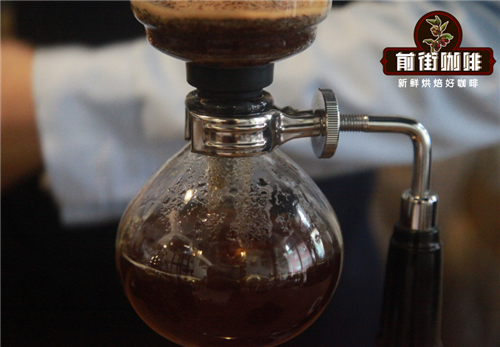
A siphon works on pressure difference. Water in the lower chamber is heated to boiling, then the upper chamber is inserted, which builds high pressure in the lower chamber. Because of the pressure difference between the two chambers, hot water rises and mixes with the coffee grounds in the upper chamber for extraction.
When extraction is finished, the heat source is removed from the lower chamber, so the pressure difference between the two chambers drops instantly. The siphon effect then draws the brewed coffee back down into the lower chamber.
If you want the coffee to return faster, wipe the lower chamber with a damp cloth. This lowers the pressure difference further and speeds up the return.
Siphon Coffee Brewing Process
1. Pour 200 ml of warm water into the lower chamber and wipe the outside of the pot dry with a dry cloth (this prevents the pot from cracking during heating). Light the alcohol lamp and place it under the lower chamber to heat.
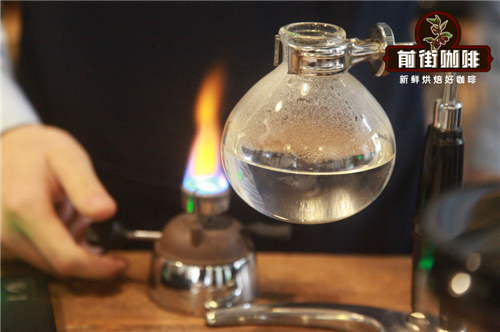
2. Take out the upper chamber, secure the filter cloth to it, and hook the fixed hook onto the glass tube wall at the bottom of the upper chamber. Then insert the upper chamber into the lower chamber at a diagonal.
3. Watch the lower chamber. Once continuous small bubbles appear, straighten the upper chamber and insert it vertically into the lower chamber so the seal between the two chambers is seamless.
4. When the water from the lower chamber has risen into the upper chamber, add 20 g of ground coffee (FrontStreet Coffee recommends a grind slightly coarser than for pour-over; for light roast coffee, aim for a 70% pass-through rate on a #20 sieve). Stir clockwise from the outside toward the center for 10 seconds so every ground is fully immersed.
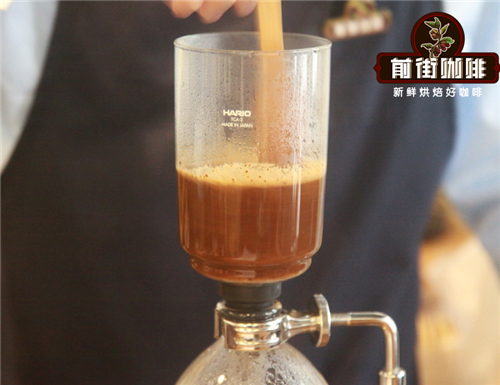
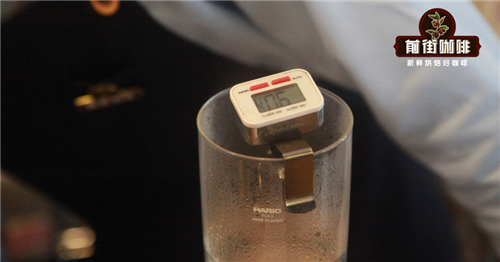
5. Start timing. After 40 seconds, stir clockwise again for 5 seconds, then quickly remove the alcohol lamp and extinguish the heat source. The coffee will begin to flow back from the upper chamber into the lower chamber. During the return, you can wipe the lower chamber with a damp cloth to speed it up. Total extraction time is about 1 minute and 10 seconds.
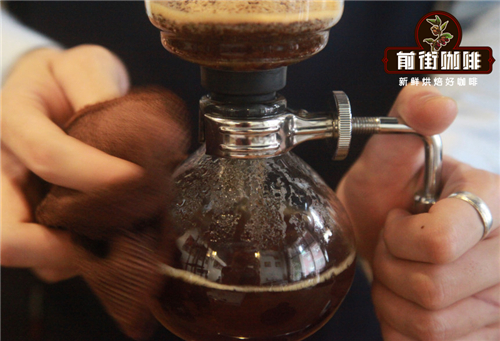
6. Gently remove the upper chamber, pour the coffee from the lower chamber into a cup, and it is ready to enjoy.
What Single-Origin Coffees Are Suitable for Siphon Brewing?
Traditionally, siphons were paired with darker-roasted beans, since light roast had not yet become popular. Coffee made in a siphon is richer and fuller-bodied than pour-over, and it is a genuinely enjoyable drinking experience. With that in mind, FrontStreet Coffee recommends the following coffees.
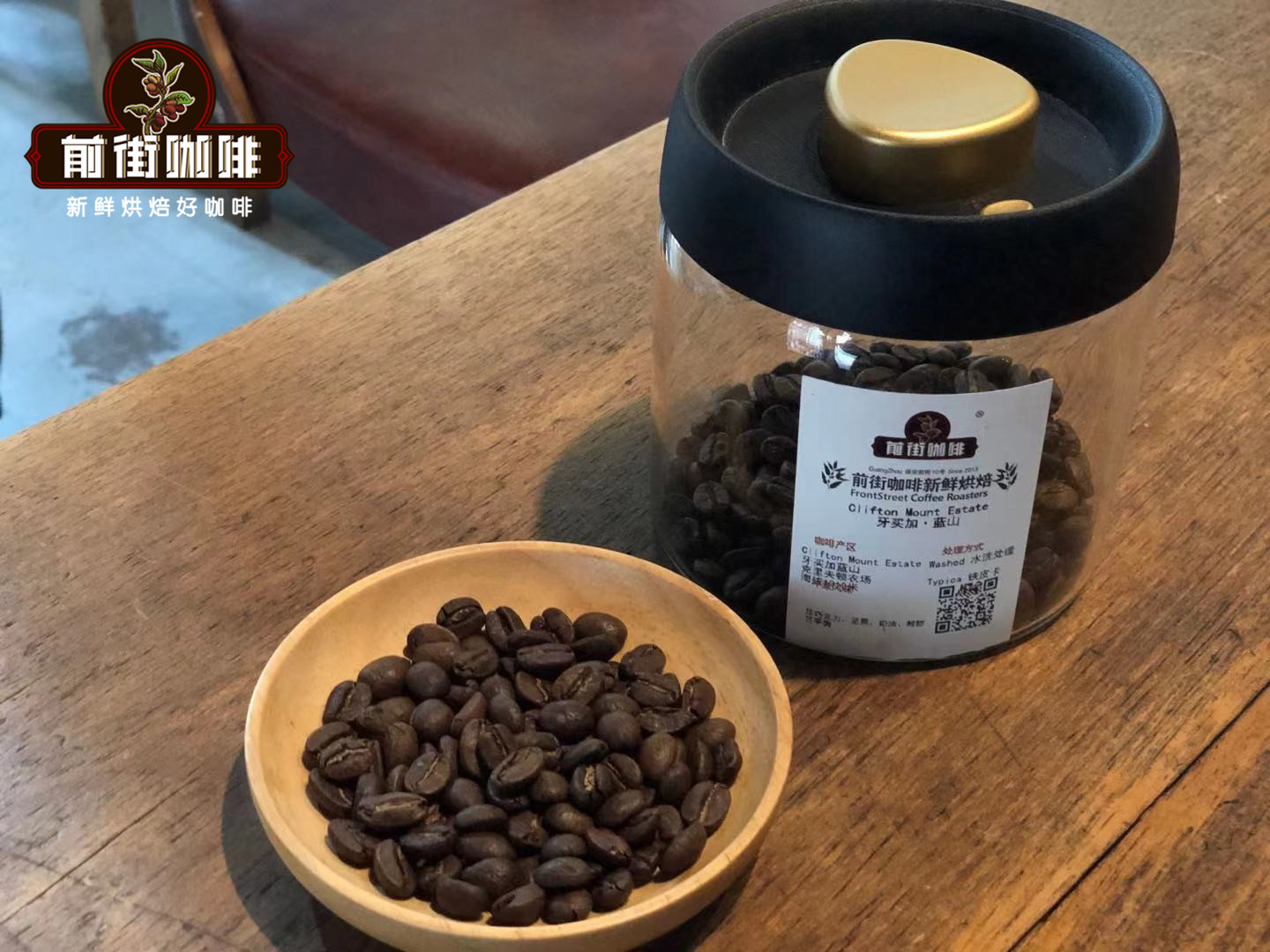
FrontStreet Coffee Jamaica Blue Mountain No. 1
Region: Jamaica Blue Mountain Region
Estate: Clifton Farm
Altitude: 1310 meters
Variety: Typica
Processing: Washed
Jamaica Blue Mountain No. 1 is regarded as one of the finest coffees in the world, and its balance and richness have long won over coffee lovers. Blue Mountain genuinely embodies the flavor of "coffee" itself; even the instant coffee market sells products labeled "Blue Mountain coffee flavor," although those are of course not real Blue Mountain. FrontStreet Coffee brews Blue Mountain No. 1 in a siphon with a medium-coarse grind, a 65% pass-through rate on a #20 standard sieve, the post-addition method, and 1 minute and 10 seconds from adding the grounds to extinguishing the heat source.
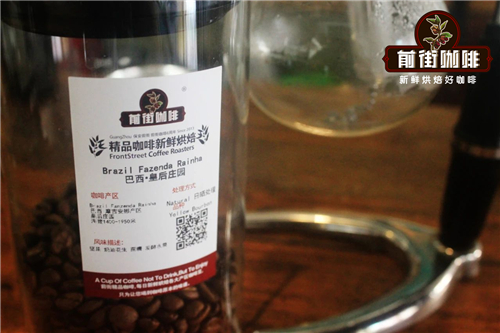
FrontStreet Coffee Brazil Queen Estate
Region: Mogiana, Brazil
Estate: Queen Estate
Altitude: 1400-1950 m
Variety: Yellow Bourbon
Processing: Natural
Queen Estate's Yellow Bourbon is what FrontStreet Coffee considers the most "versatile" bean, because it expresses itself well no matter how it is extracted. Its sugarcane-like sweetness is its biggest selling point, and guests who try it once tend to be won over by its "Cinderella" charm. FrontStreet Coffee brews Queen Estate Yellow Bourbon in a siphon with a medium-coarse grind, a 65% pass-through rate on a #20 standard sieve, the post-addition method, and 1 minute and 10 seconds from adding the grounds to extinguishing the heat source.
FrontStreet Coffee Ethiopia Natural Red Cherry
Region: Yirgacheffe
Altitude: 2200 m
Variety: Local Landrace
Processing: Natural
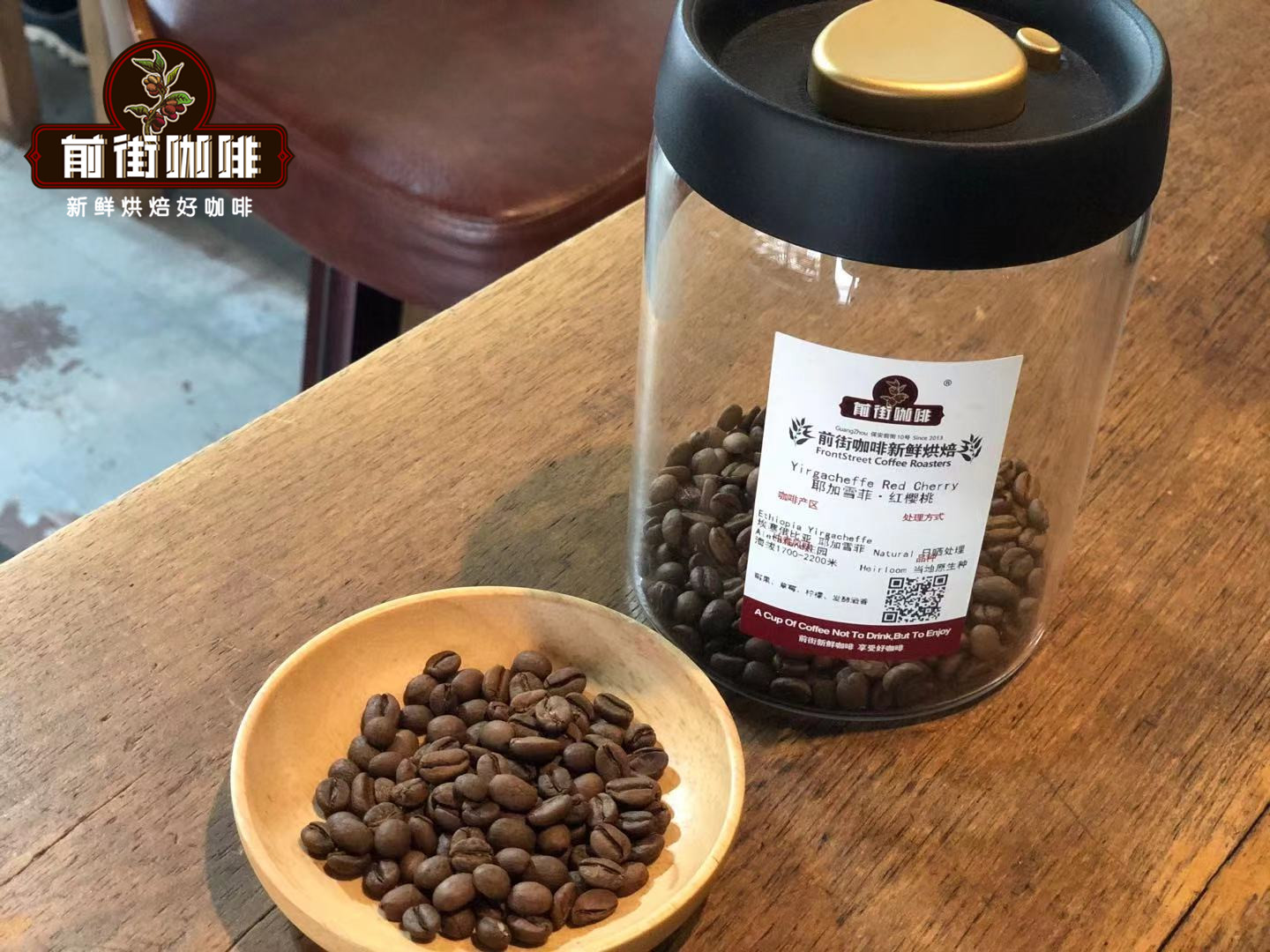
Yirgacheffe Natural Red Cherry is a well-known coffee that shows the classic floral and citrus notes of the Yirgacheffe region. Careful harvesting and processing give it very high overall quality and outstanding sweetness. FrontStreet Coffee's Yirgacheffe Natural Red Cherry is a medium-light roast. FrontStreet Coffee brews it in a siphon with a medium grind, a 75% pass-through rate on a #20 standard sieve, the post-addition method, and exactly 1 minute from adding the grounds to extinguishing the heat source.
Siphon Cleaning and Maintenance
After brewing with a siphon, cleaning is the key task. Put it off and the job gets harder. Once you are done, the upper chamber has been removed and set on its lid, and the lower chamber holds the coffee.
1. First, for safety, extinguish the heat source and set it somewhere safe.
2. Then pour all the coffee out of the lower chamber into a sharing pot or other container. Because the lower chamber is spherical with a narrow opening, using it as a serving vessel lets coffee stains dry and cling to the inner glass as the temperature drops. So pour the coffee out as quickly as you can, rinse with hot water more than 3 times, then fill with hot water and soak for 2 hours.
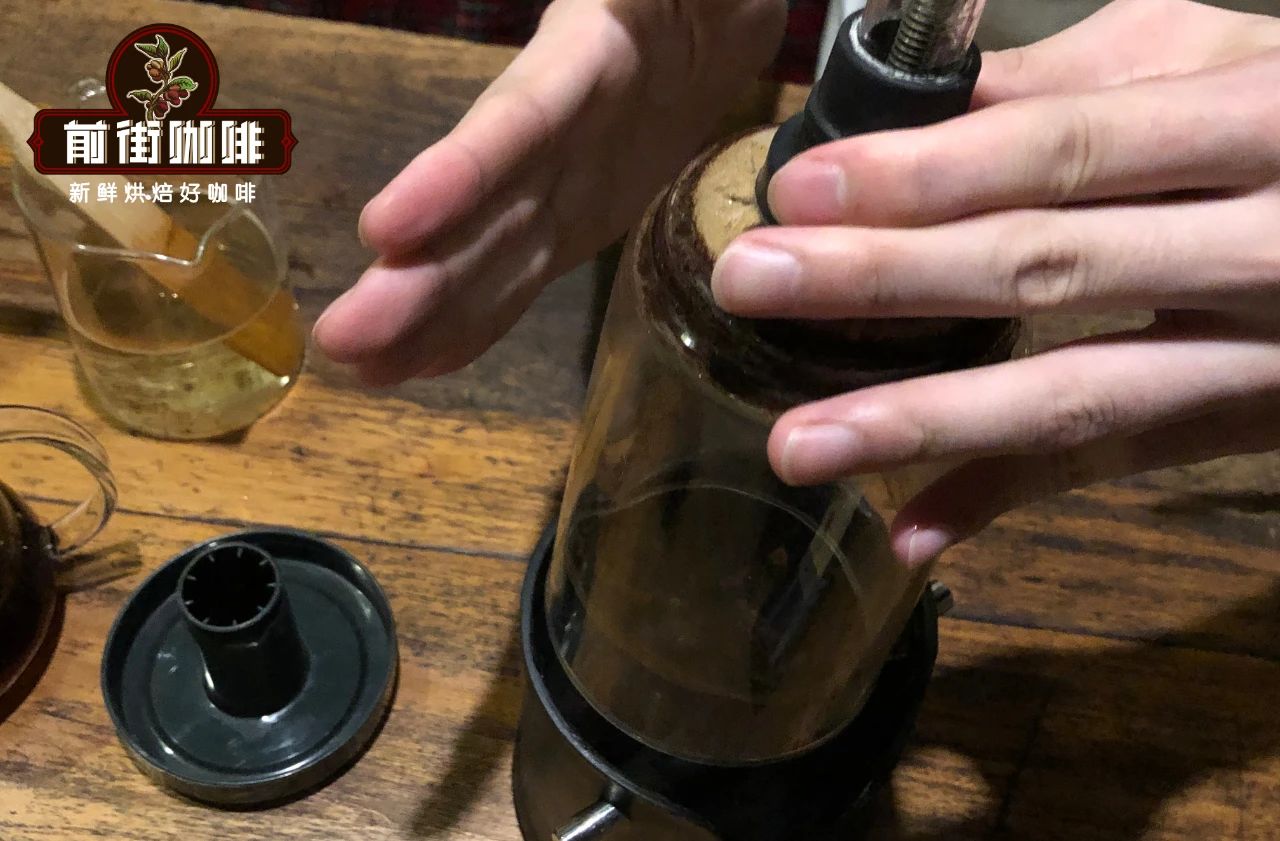
If dried coffee stains remain, soak them in hot water for a while, then wipe the inner glass with a long, thin towel.
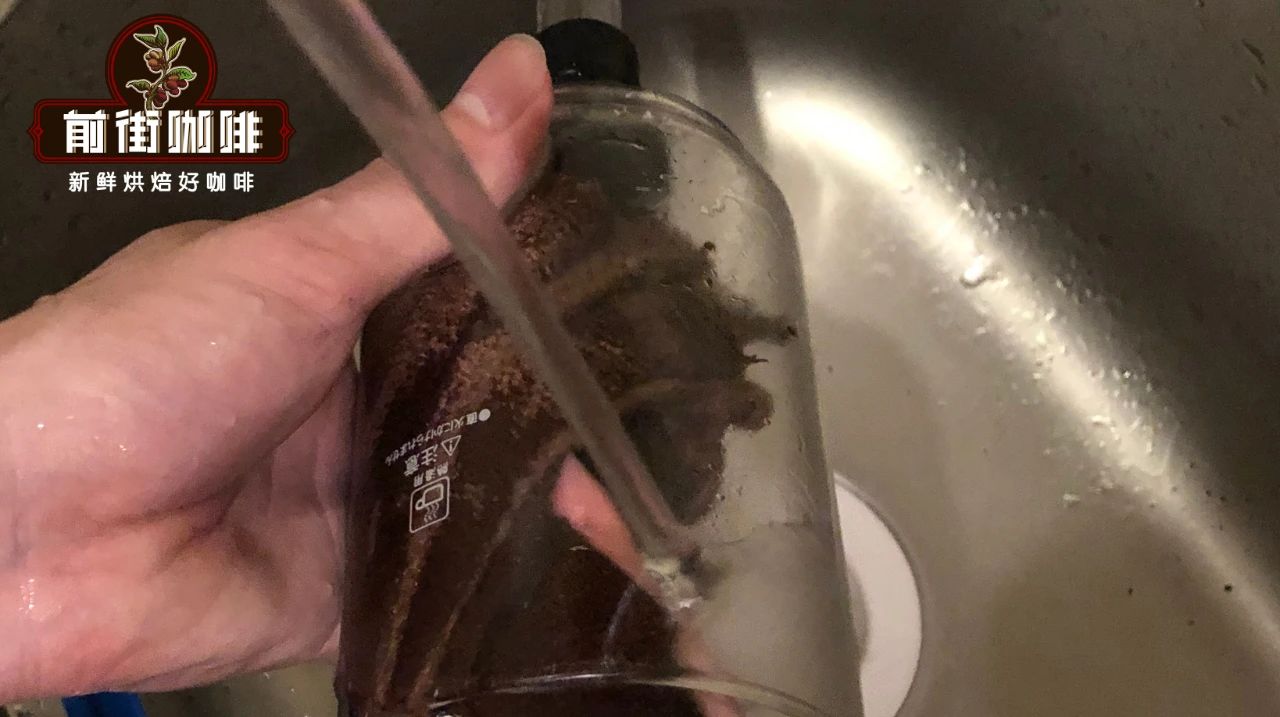
3. Next comes the upper chamber. Don't rush to remove the filter screen. Turn the upper chamber upside down and gently tap the glass wall to pour out the bulk of the grounds, then rinse the rest away with water. Still holding it upside down, remove the filter screen and rinse the thin tube with water so grounds don't flow into it. You can then wipe the inner glass wall with a cloth.
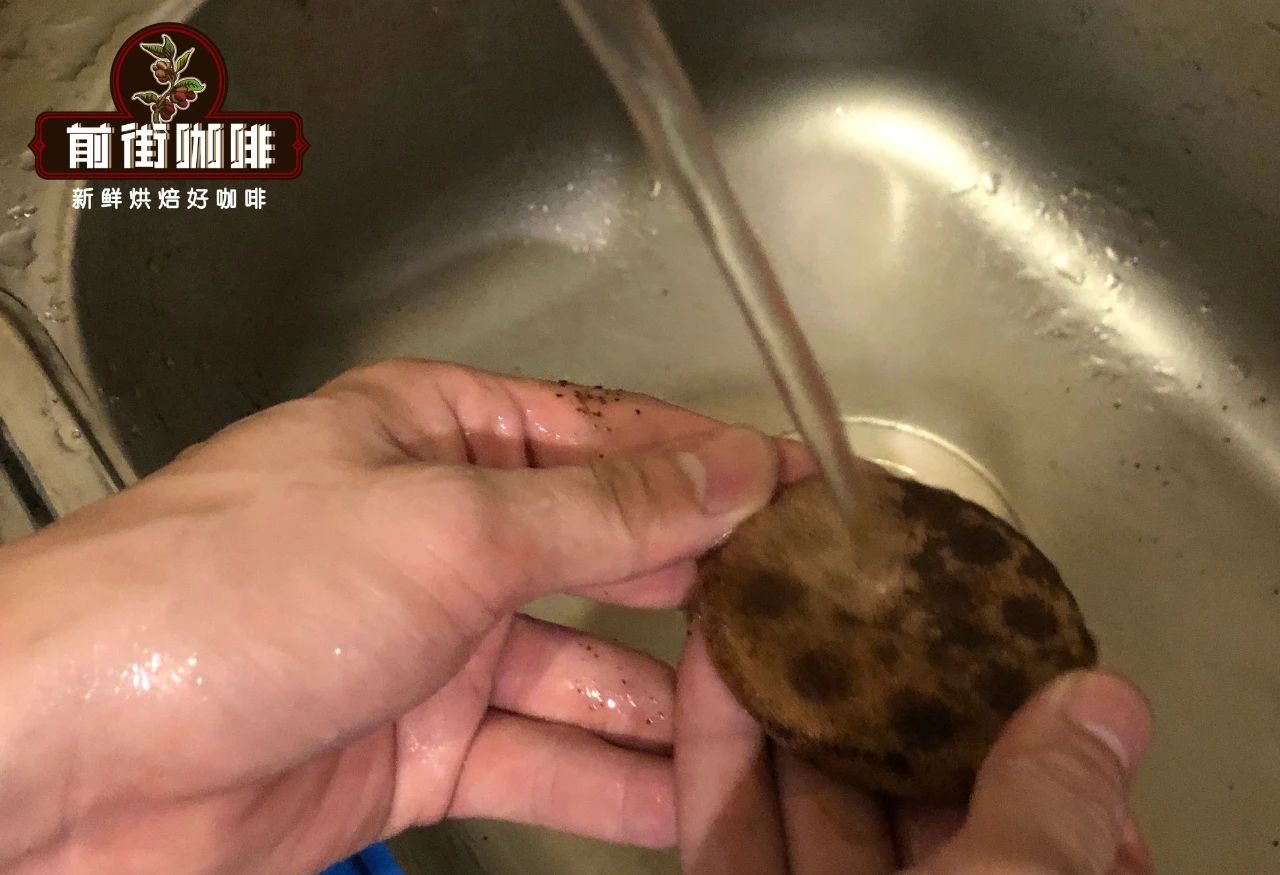
4. Then clean the filter flannel. Wash it with water, take it apart, and store the flannel in ice water for next time.
5. Finally, dry and store everything. Pour out the hot water from the lower chamber, take the stand apart, and fix the lower chamber upside down (remember to put a small container underneath to catch water). The upper chamber can go on a drying rack to air dry.
6. The next time you use it, FrontStreet Coffee recommends running an empty cycle with the siphon first, to heat and disinfect it.
FrontStreet Coffee Recommendation
Siphon brewing rewards richer, fuller-bodied beans, and FrontStreet Coffee's darkest roasts are a particularly good match. The FrontStreet PWN Indonesian Golden Mandheling is roasted dark, keeps acidity low, and delivers a thick, long-lasting body packed with herbal and dark chocolate notes and a faint earthy edge. When you want a bold cup without the tartness, this is the one to reach for.
For a gentler, more balanced option, FrontStreet Brazil Queen Estate works beautifully in a siphon as well. Its acidity is low and its cup is even, with pronounced nut and cocoa aromas, clear caramel sweetness, and a smooth, rounded, lingering finish that suits pour-over, espresso, or a moka pot just as easily.
And if you want the classic siphon bean that started it all, FrontStreet Jamaica Blue Mountain No. 1 strikes an excellent balance among acidity, sweetness, bitterness, and aroma, layering cream, caramel, chocolate, nuts, honey, and a touch of fruit into a soft, rounded cup with a long, clean finish.
Important Notice :
FrontStreet Coffee is a long-established specialty coffee roaster in Guangzhou China, selling freshly roasted beans from its own farm in Yunnan as well as dozens of carefully selected single-origin beans from around the world for both pour-over and espresso. The products deliver consistently excellent quality and great value, with shipping within 24 hours. Guangzhou's FrontStreet Coffee shop is recommended by many coffee lovers, and the beans are now available online at the Tmall 。
FrontStreet Coffee has moved to a new address:
FrontStreet Coffee Address: 315,Donghua East Road,GuangZhou
Tel:020 38364473
 Scan and follow the En Gafei WeChat official account. Please indicate that the reprint comes from "En Gafei".