Types of Pour-Over Coffee Equipment and Their Characteristics | Recommended Pour-Over Coffee Tools
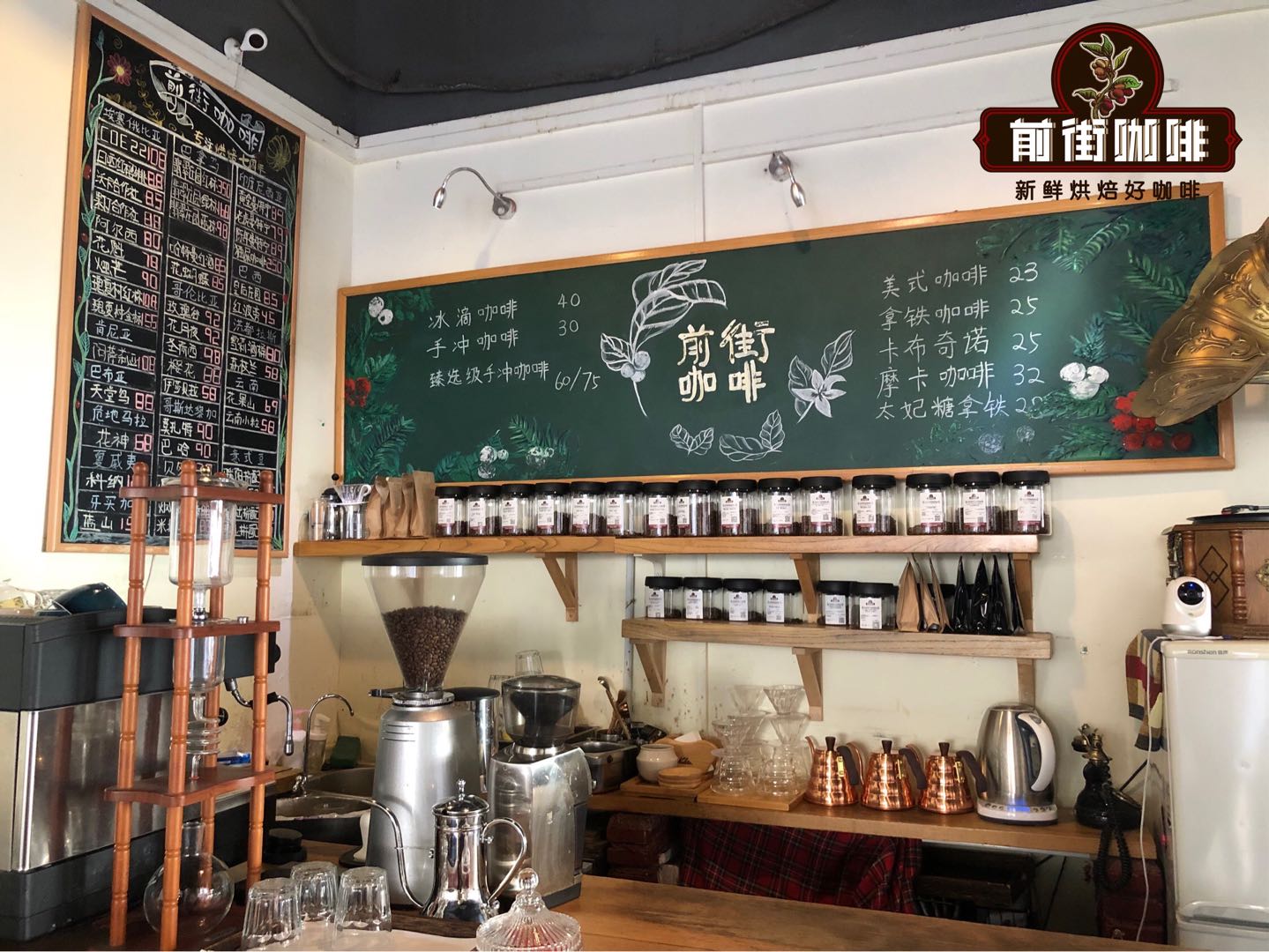
Everyone knows pour-over coffee means choosing freshly roasted beans, grinding them, extracting through a filter cup, and ending up with a delicious cup. The process may look simple, but FrontStreet Coffee believes the essence of pour-over lies precisely in the equipment used along the way. In this article, FrontStreet Coffee introduces the different types of pour-over equipment and the characteristics of pour-over coffee.
What Types of Pour-Over Coffee Equipment Are There?
To cook a dish you need not only ingredients but also knives and a cutting board. Pour-over coffee is no exception — you need equipment to extract a good cup of coffee liquid. Below are the essential pieces of pour-over equipment compiled by FrontStreet Coffee:
1. Pour-Over Kettle
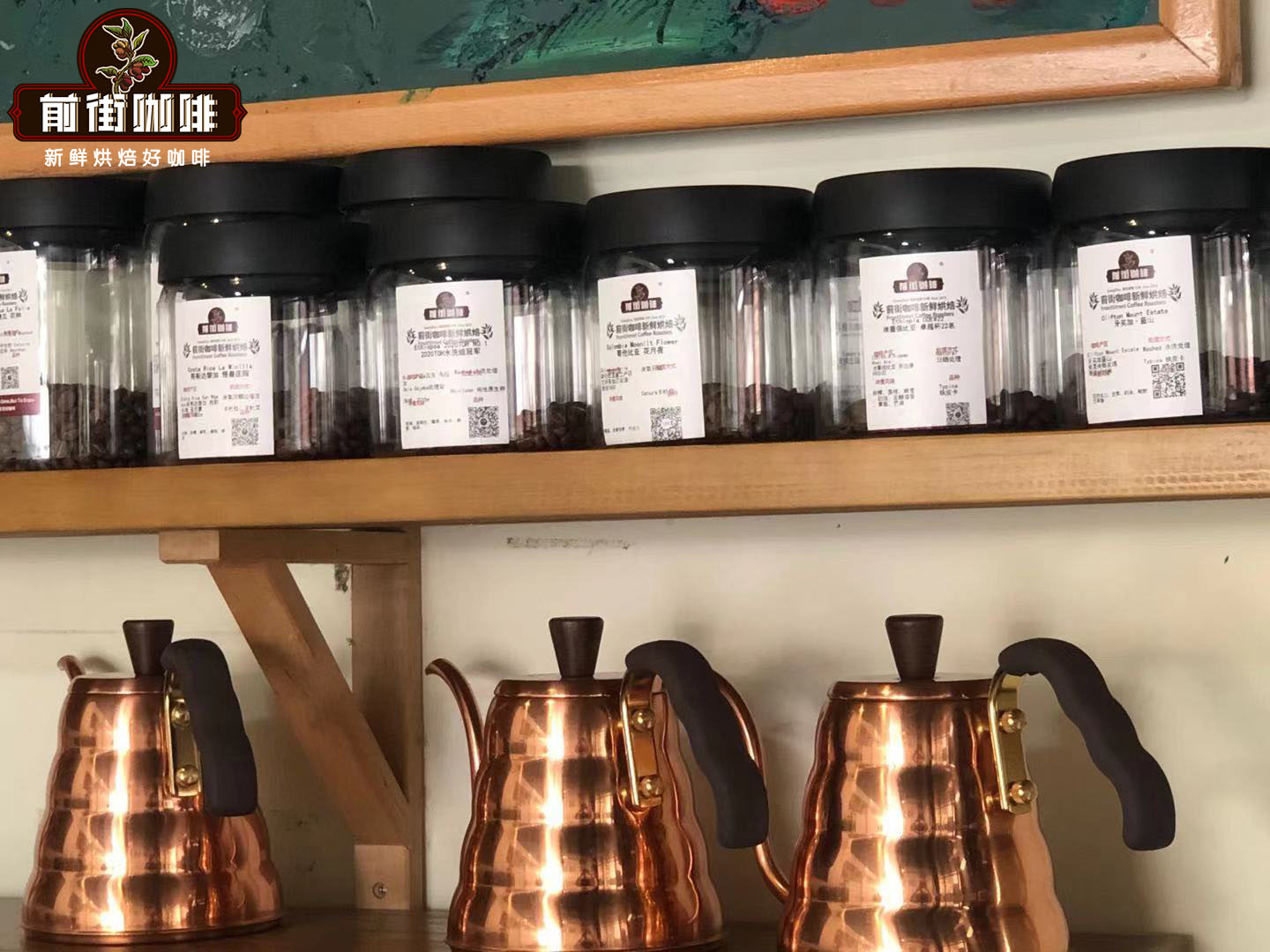
Pour-over kettles come in all sizes and materials, so choose according to your needs. What affects the brew most is the spout size, since it governs the flow rate. FrontStreet Coffee therefore recommends beginners use a narrow-spout kettle, because it is easier to control the flow. Different kettles also suit different heating methods — some require an induction stovetop, for example — so pay special attention when buying.
2. Filter Cup
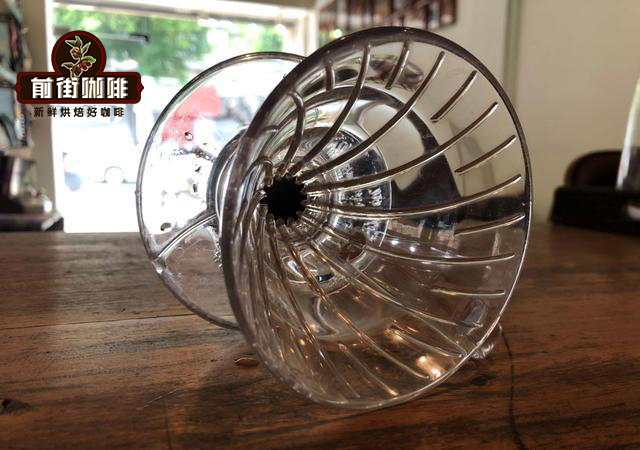
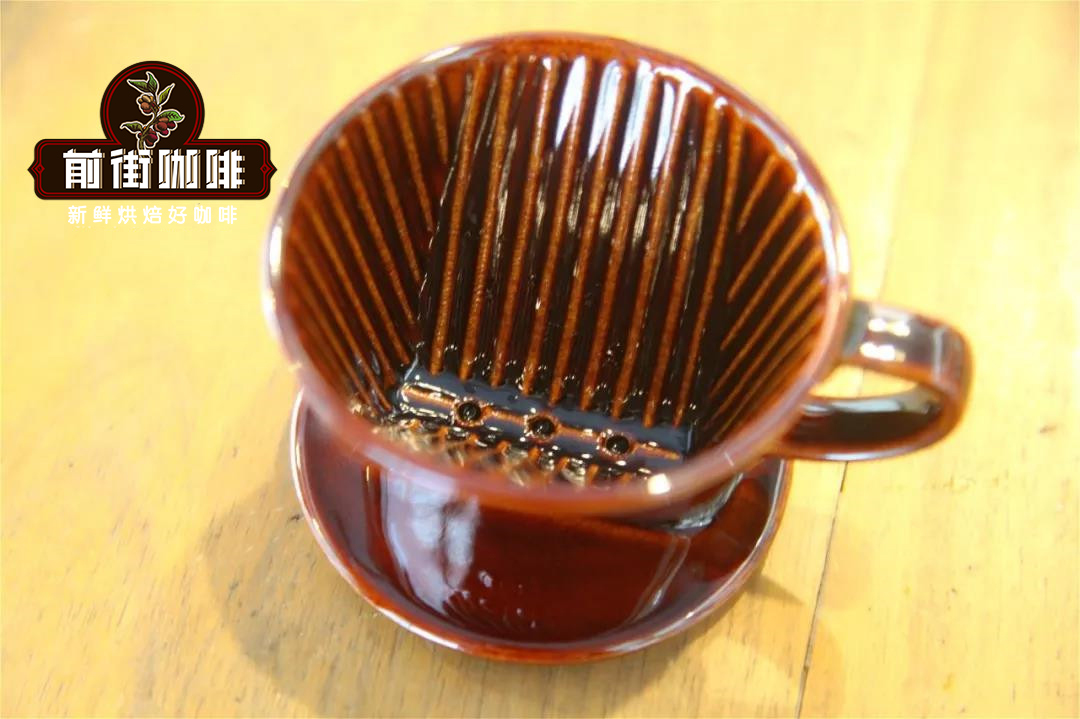
Filter cups also come in different sizes and materials, and are mainly divided into three shapes: fan-shaped, conical, and wave. The size of the holes at the bottom of the cup affects the flow rate of the extracted coffee, and therefore the flavor. Fan-shaped cups have small holes and a slow flow, producing a richer taste; conical cups have large holes and a fast flow, producing a lighter taste; wave cups have a flat bottom and, paired with special wave filter paper, produce the most uniform taste.
A special case is the metal mesh filter cup, which needs no filter paper and retains more coffee oils for a stronger taste, though some fine coffee powder may slip through.
Here FrontStreet Coffee recommends beginners choose the V60 #01 filter cup. The V60 conical cup has a large opening, and its unique spiral rib design lets air escape more easily, improving extraction quality. The taste may be less rich, but its high concentration brings out prominent acidity and sweetness with a distinct aroma, which is its major characteristic.
3. Filter Paper
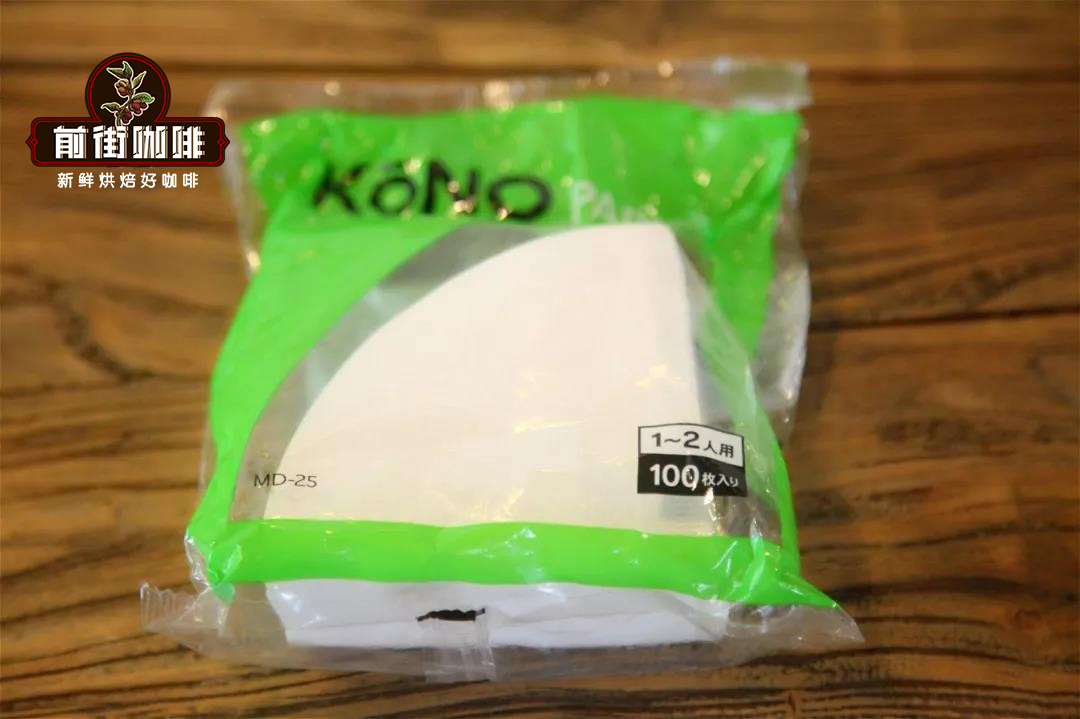
Filter paper comes in bleached and unbleached varieties. Bleached paper looks whiter, while unbleached paper is closer to light brown. The job of filter paper is to use extremely dense fibers to hold back the ground coffee and filter the extracted coffee into the cup. When buying, FrontStreet Coffee recommends choosing paper that matches your filter cup.
4. Coffee Grinder
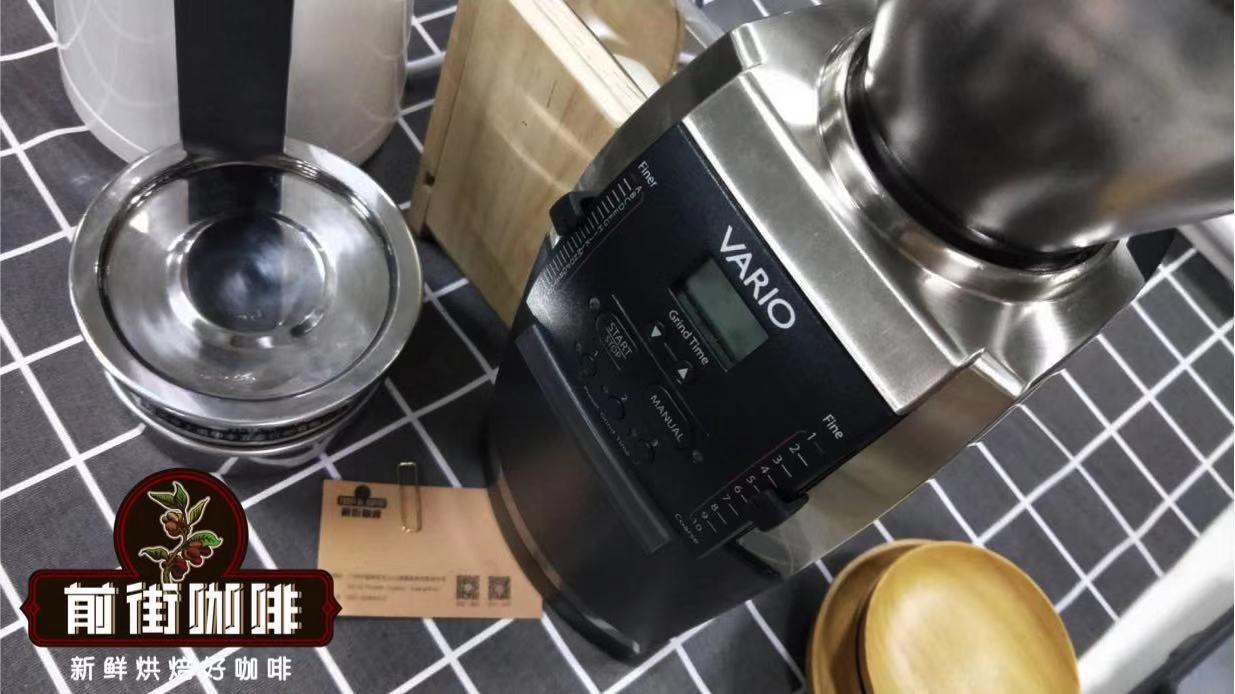
Good pour-over needs a good grinder. From FrontStreet Coffee's understanding, there are currently three types of coffee grinders on the market:
1) Ghost tooth grinder
2) Flat burr grinder
3) Conical burr grinder
5. Thermometer
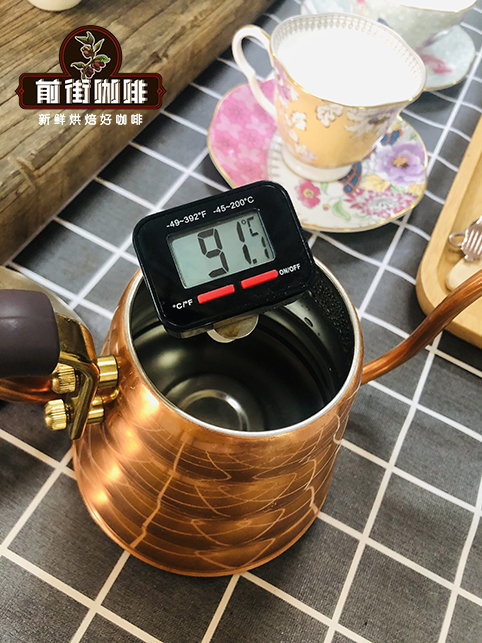
A thermometer measures the water temperature for coffee. There are many on the market, including Tiamo, Hero, and Cafede Kona thermometers.
6. Electronic Scale
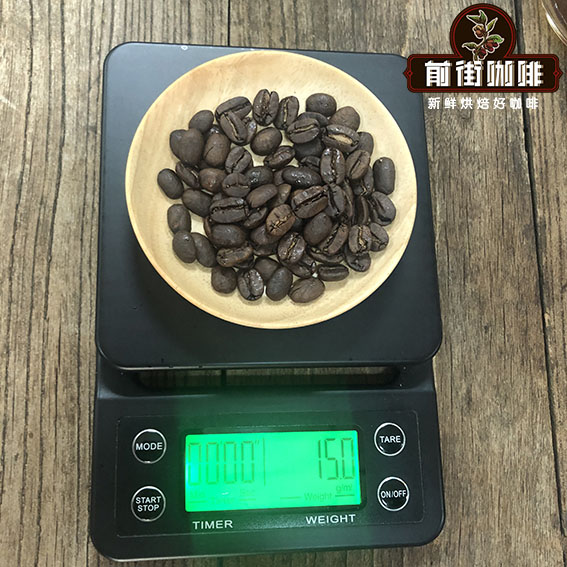
An electronic scale helps control the coffee-to-water ratio during brewing, reducing unstable factors and increasing error tolerance. Electronic scales range from hundreds to tens of yuan, with options like Yami electronic scales, Hero smart scales, and Timemore electronic scales.
7. Sieve
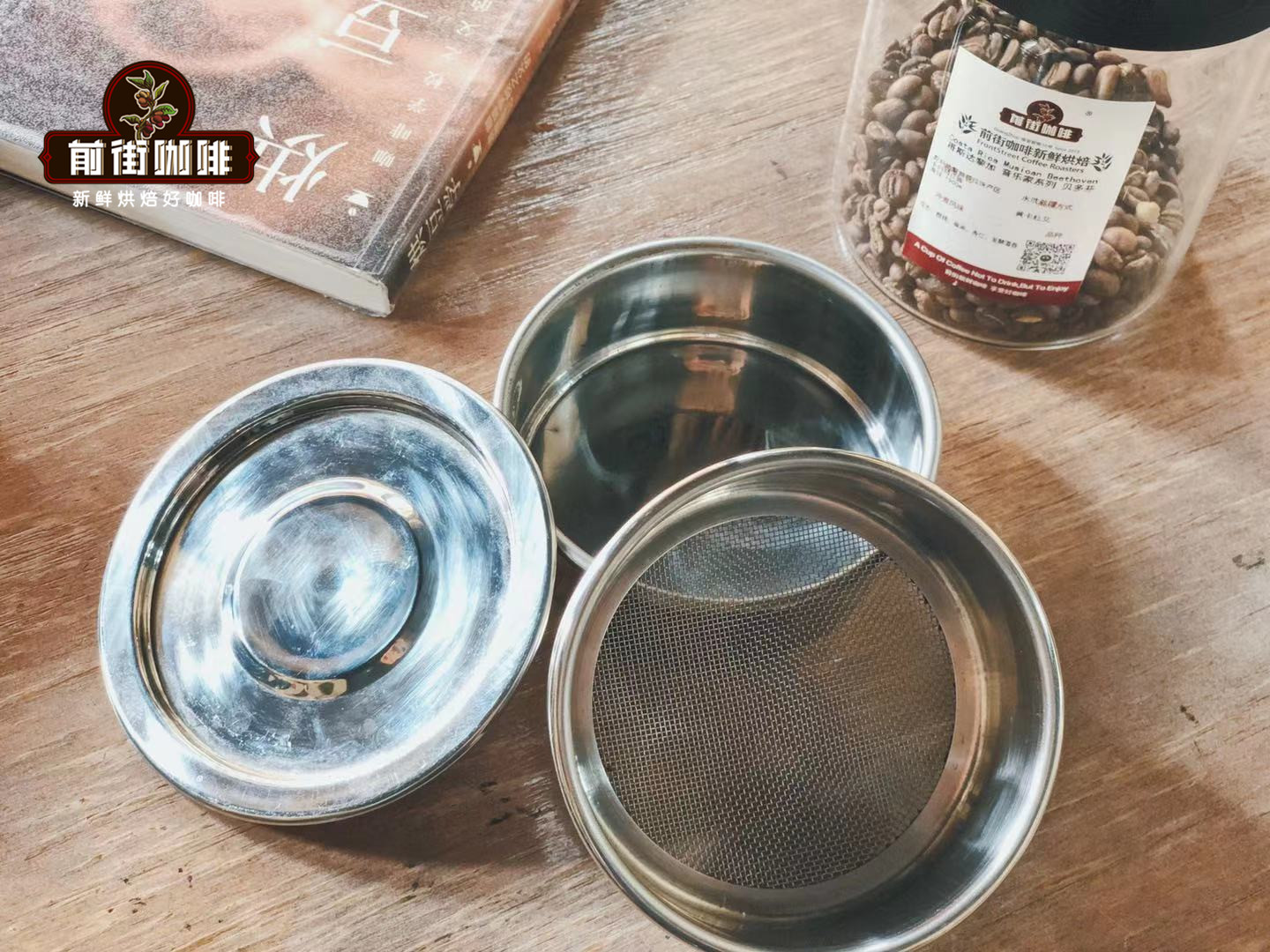
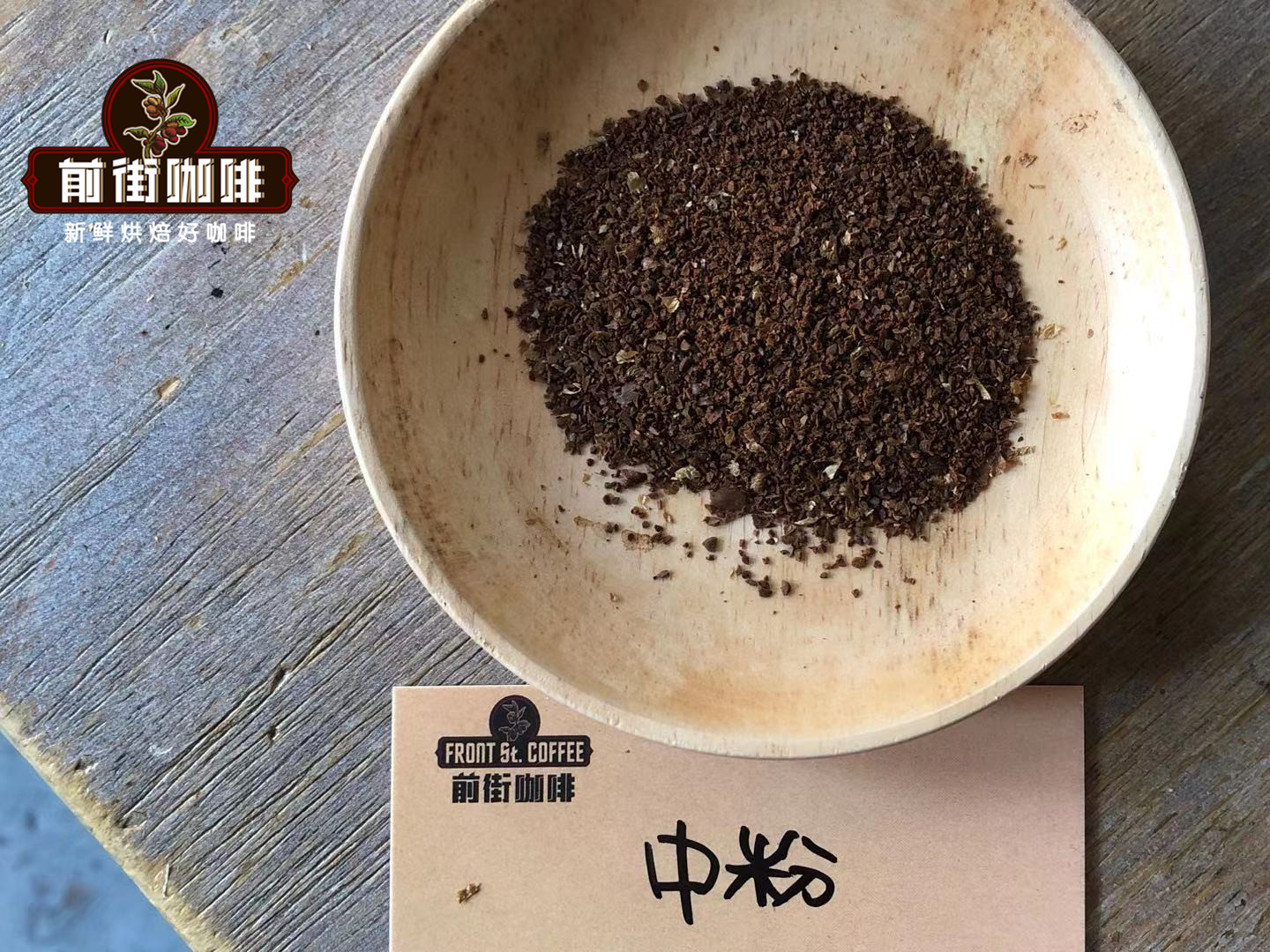
A sieve is mainly used to determine grind size, since each bean has a different ideal grind for pour-over. Through continuous experimentation, FrontStreet Coffee has determined that the appropriate grind for pour-over is when 80% passes through a Chinese standard #20 sieve.
8. Server Pot
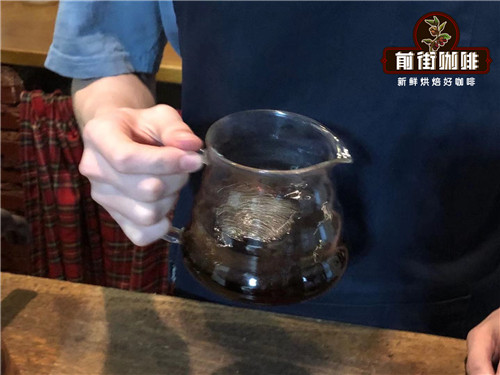
If you're drinking alone, you can skip the server and place the filter directly over a mug. For brewing several cups, a server is necessary. With its measurement markings and transparent material, a server also makes the extraction process easier to read and control, so it is more than just a serving vessel. FrontStreet Coffee recommends the HARIO V60 Cloud Server Pot and the Kalita Server Pot.
Those are the pour-over equipment items recommended by FrontStreet Coffee. So what are the characteristics of pour-over coffee?
Characteristics of Pour-Over Coffee
Pour-over coffee is the process, at atmospheric pressure, of holding appropriately ground coffee in a filter cup and paper and using a stable pouring method to extract coffee liquid by pouring water of the right temperature and volume over the grounds. Because grind size, water temperature, pouring method, and brewing time all affect extraction, this is a brewing method that places great weight on skill and on a real understanding of pour-over coffee.
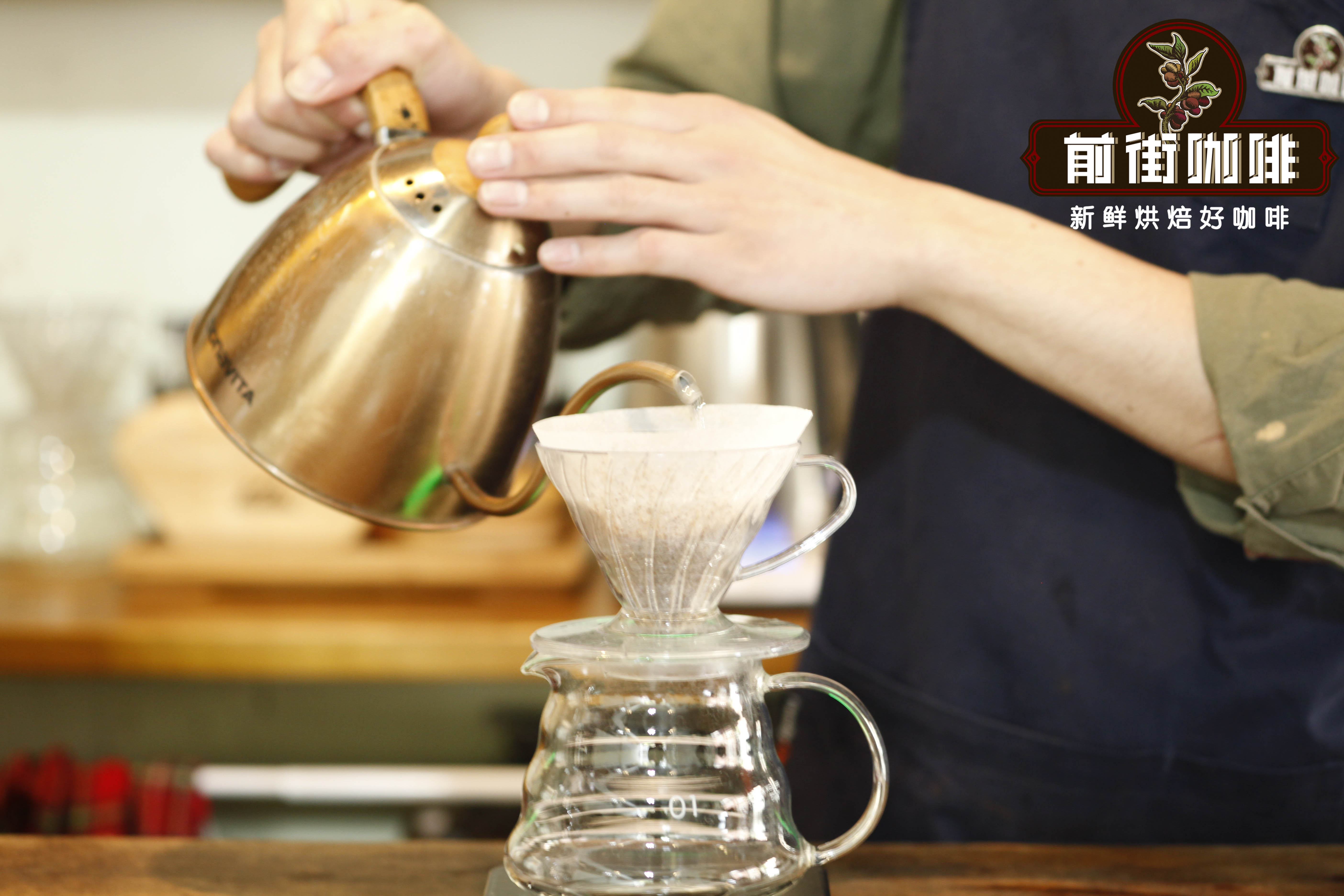
As FrontStreet Coffee has often said in previous articles, the basics of pour-over come down to using coffee equipment correctly. The seven elements FrontStreet has compiled include fresh coffee beans, the right grind for pour-over, brewing water temperature, water quality, filter cup choice, coffee-to-water ratio, and brewing time — not one of them is dispensable. Pour-over equipment serves these seven basic elements.
How Many Pour-Over Brewing Methods Are There?
The brewing method also shapes the coffee's flavor. Among the methods coffee lovers see in cafés today are three-stage pouring, single-stream pouring, and drip pouring.
FrontStreet Coffee has consistently used the three-stage pouring method for in-store brewing, and we recommend beginners do the same, because the technique suits light, medium-light, and medium roast beans. The segmented extraction of three-stage pouring clearly expresses the front, middle, and back of the coffee's flavor, better guaranteeing the final presentation.
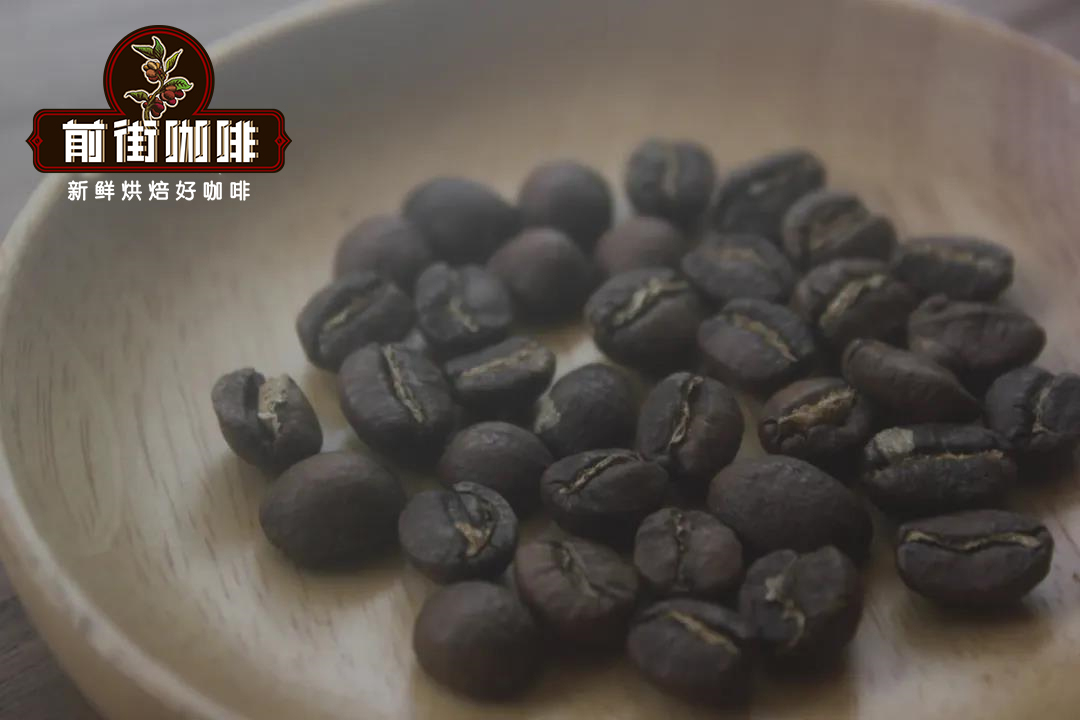
Next, FrontStreet Coffee demonstrates how to use pour-over equipment to brew three different beans: lightly roasted Yirgacheffe, medium roasted Brazil Queen Estate, and medium-dark roasted PWN Golden Mandheling.
Light Roast - FrontStreet Coffee Yirgacheffe Gedeb Coffee Beans
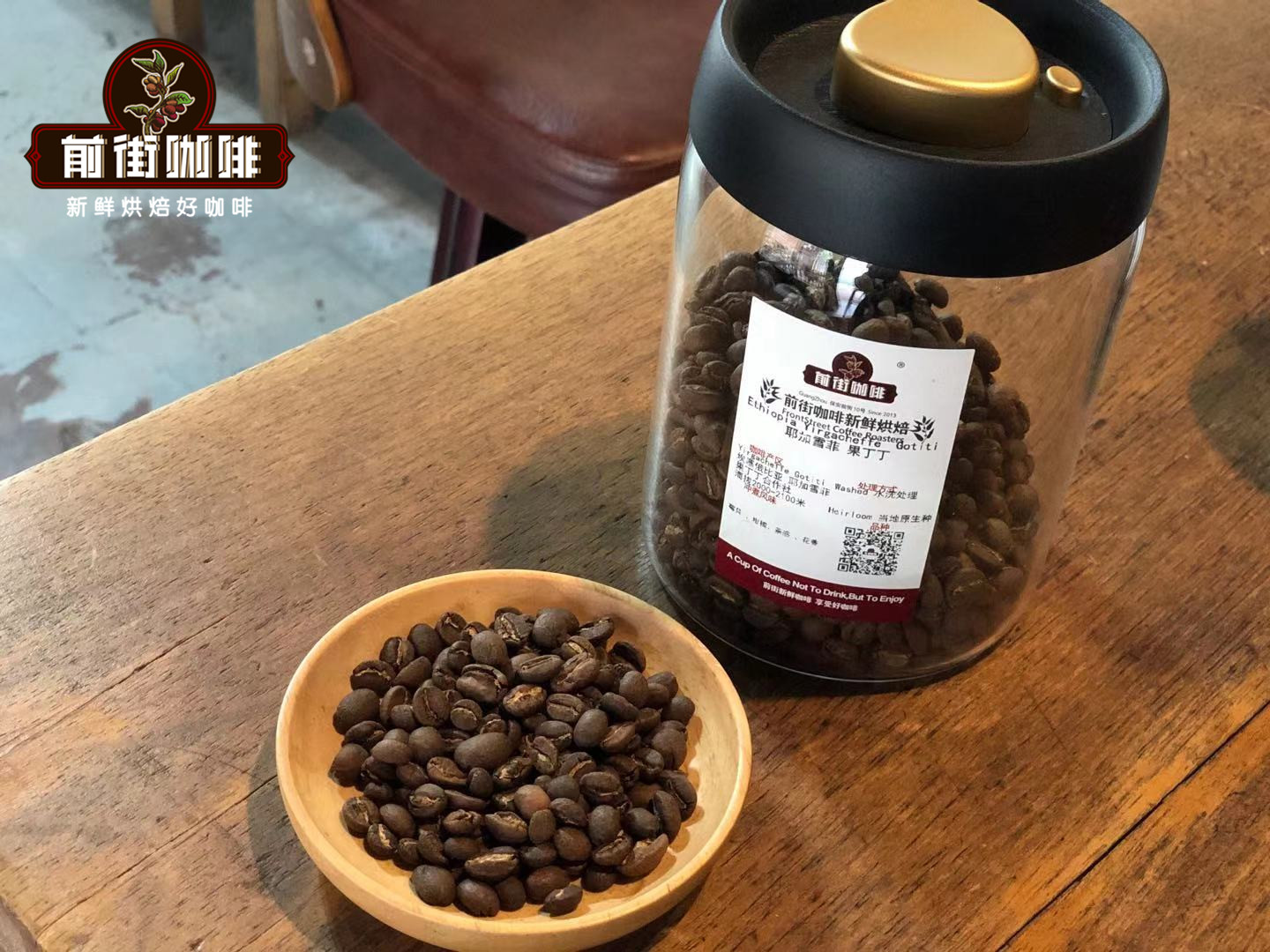
Country: Ethiopia
Region: Yirgacheffe
Altitude: 1900-2300m
Variety: Local heirloom
Processing: Washed
Flavor: Tropical fruits, cream, honey, berries, citrus
FrontStreet Coffee Yirgacheffe Coffee Bean Brewing Parameters
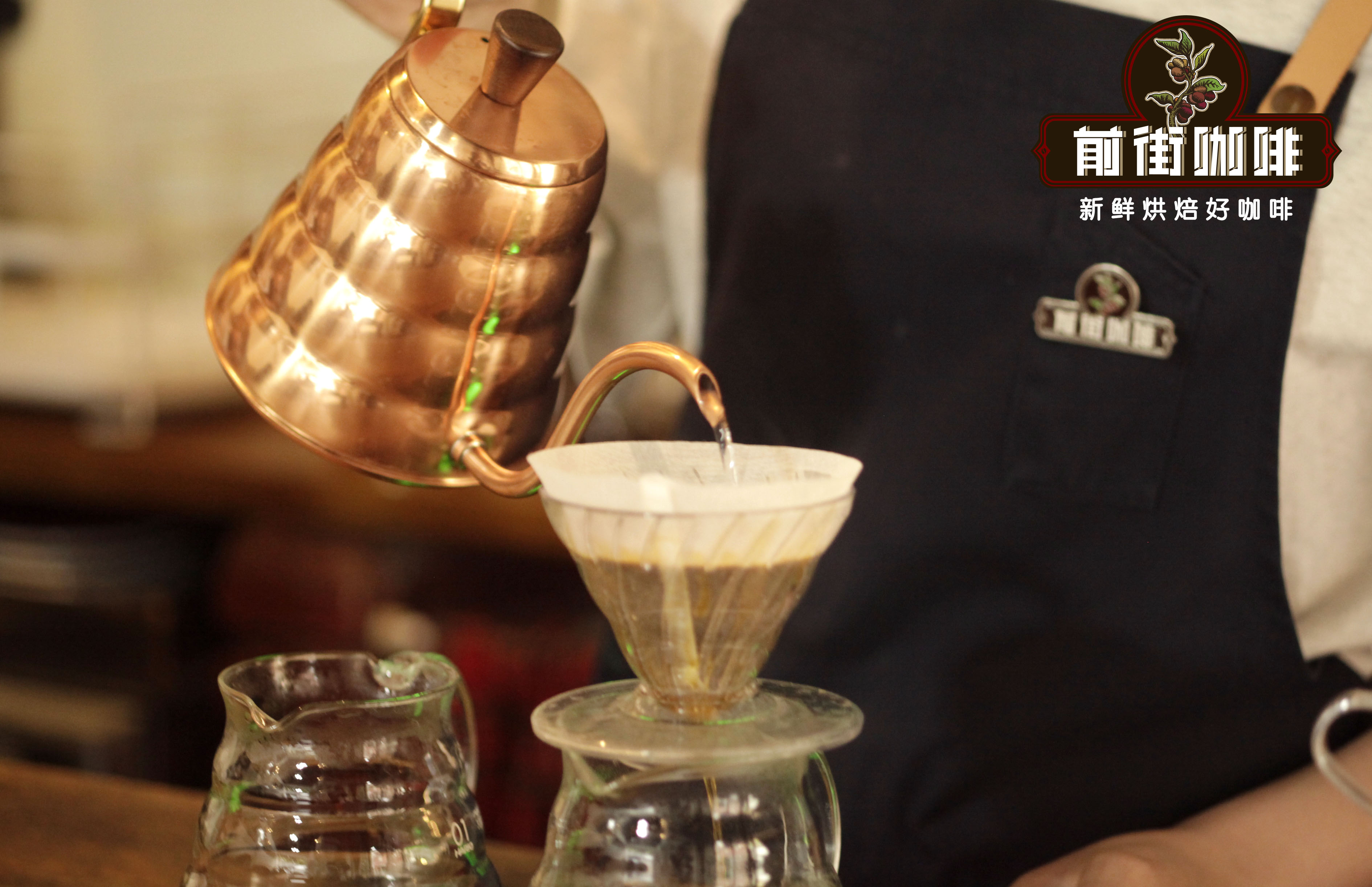
Filter cup: V60 #01
Water temperature: 90-91°C
Coffee amount: 15g
Coffee-to-water ratio: 1:15
Grind size: BG6m/medium-fine grind (sieved to 80% through #20 sieve)
Brewing Method: Three-Stage Extraction
First stage: pour 30g of water for a 30-second bloom, then pour 95g more (the scale reads about 125g), completed in roughly 1 minute. When the water level drops to 2/3 of the coffee bed, pour the remaining 100g (the scale reads about 225g), completed in roughly 1 minute 35 seconds. Finish extraction between 2'00" and 2'10" when the dripping stops, then remove the filter cup.
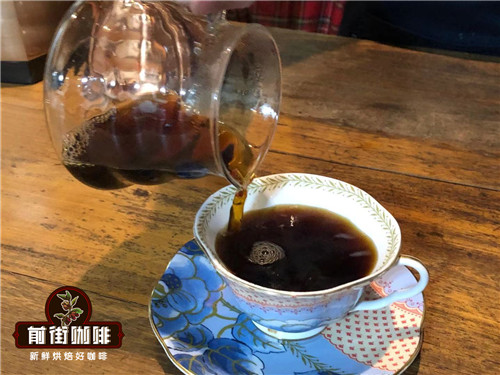
Washed Gedeb brewing flavor: entry of citrus and black tea, with cream, caramel, and almond notes appearing as the temperature changes. The aftertaste is distinctly sweet, clean, and pleasing.
Medium Roast - FrontStreet Coffee Brazil Queen Coffee Beans
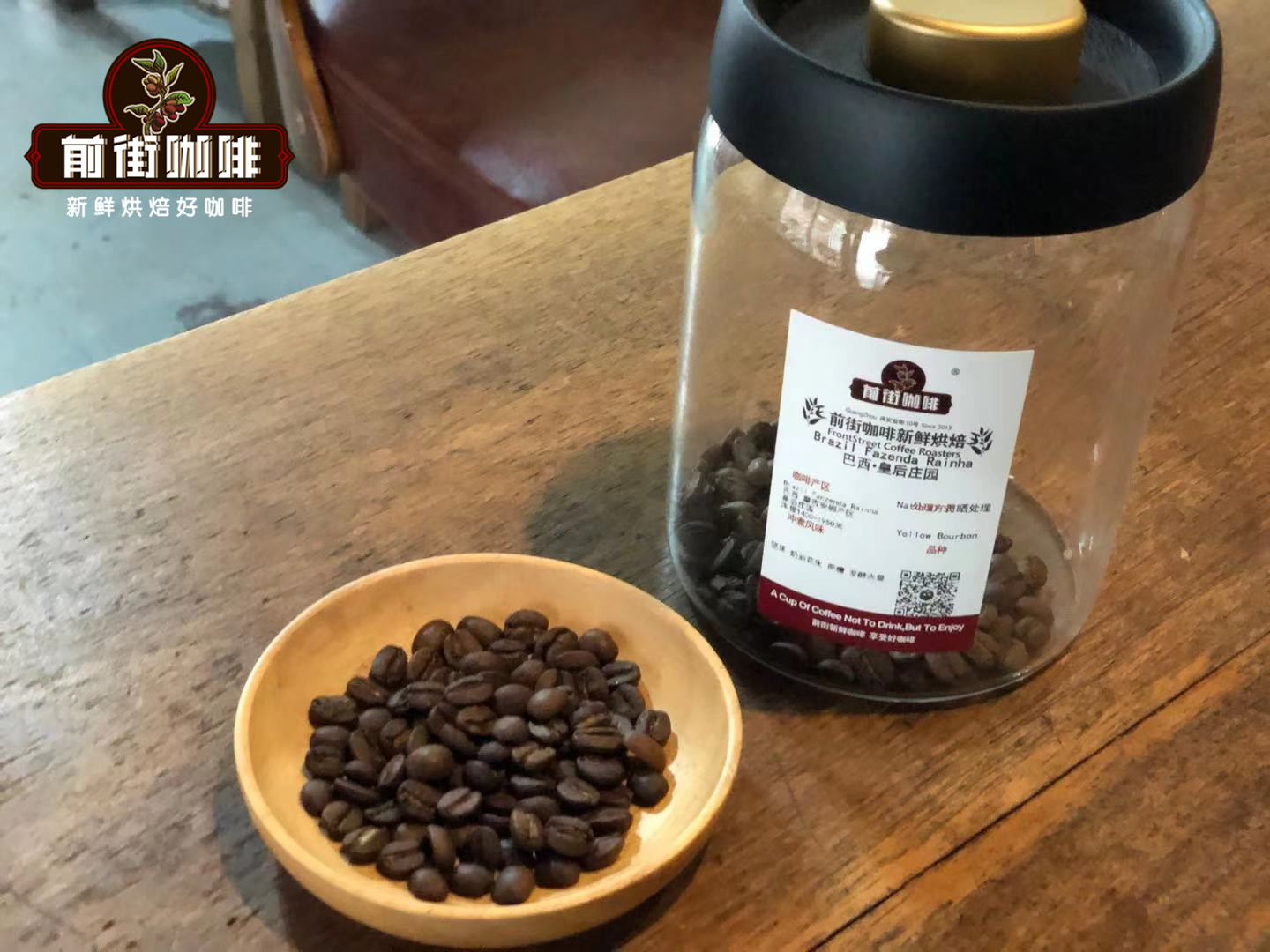
Country: Brazil
Region: São Paulo State (Queen Estate)
Altitude: 1400-1950m
Variety: Yellow Bourbon
Processing: Semi-natural/Natural
Flavor: Nuts, cream, peanuts, fermented fruits, cane sugar
Brazil Queen Estate Coffee Bean Brewing Recommendations
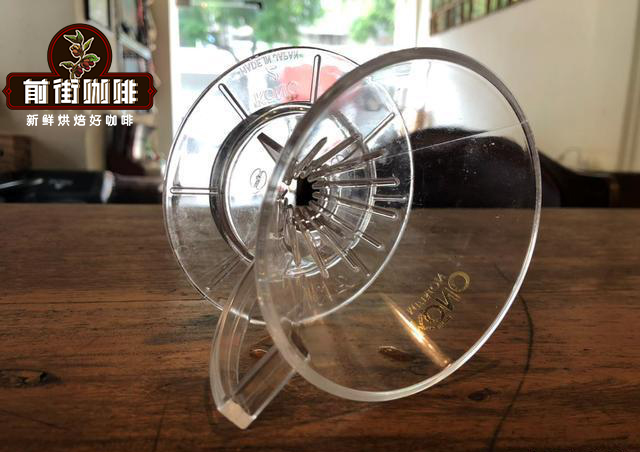
Filter cup: Kono filter cup
Water temperature: 88°C
Coffee amount: 15g
Coffee-to-water ratio: 1:15
Grind size: Medium-fine grind (70-75% through Chinese standard #20 sieve)
For darker roasted beans, FrontStreet Coffee chooses the Kono filter cup to highlight the richness. The Kono's characteristic is its immersion function, which uses soaking to extract more coffee substances and builds a fuller mouthfeel. Because it has few ribs at the bottom, the filter paper sits tight against the cup to restrict airflow, slowing the water and lengthening contact time.
A water temperature of 88°C is relatively low for brewing, which avoids drawing out too many unpleasant flavors — the darker the roast, the greater the potential for undesirable notes.
Brewing Method: Segmented Extraction
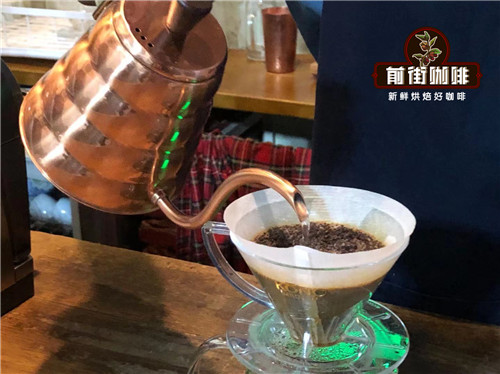
First, use 30g of water for a 30-second bloom, then pour in small circles to 125g for the segmented stage. When the water level drops and the coffee bed is about to be exposed, continue pouring to 225g and stop. (Timing starts from the bloom.) Extraction time is 2 minutes.
Brazil Queen Estate flavor description: entry of distinct sweetness with a subtle lemon aroma, holding rich nut flavors. The back end shows obvious dark chocolate notes, with an overall rounded feel.
Medium-Dark Roast - FrontStreet Coffee Indonesia PWN Golden Mandheling Coffee Beans
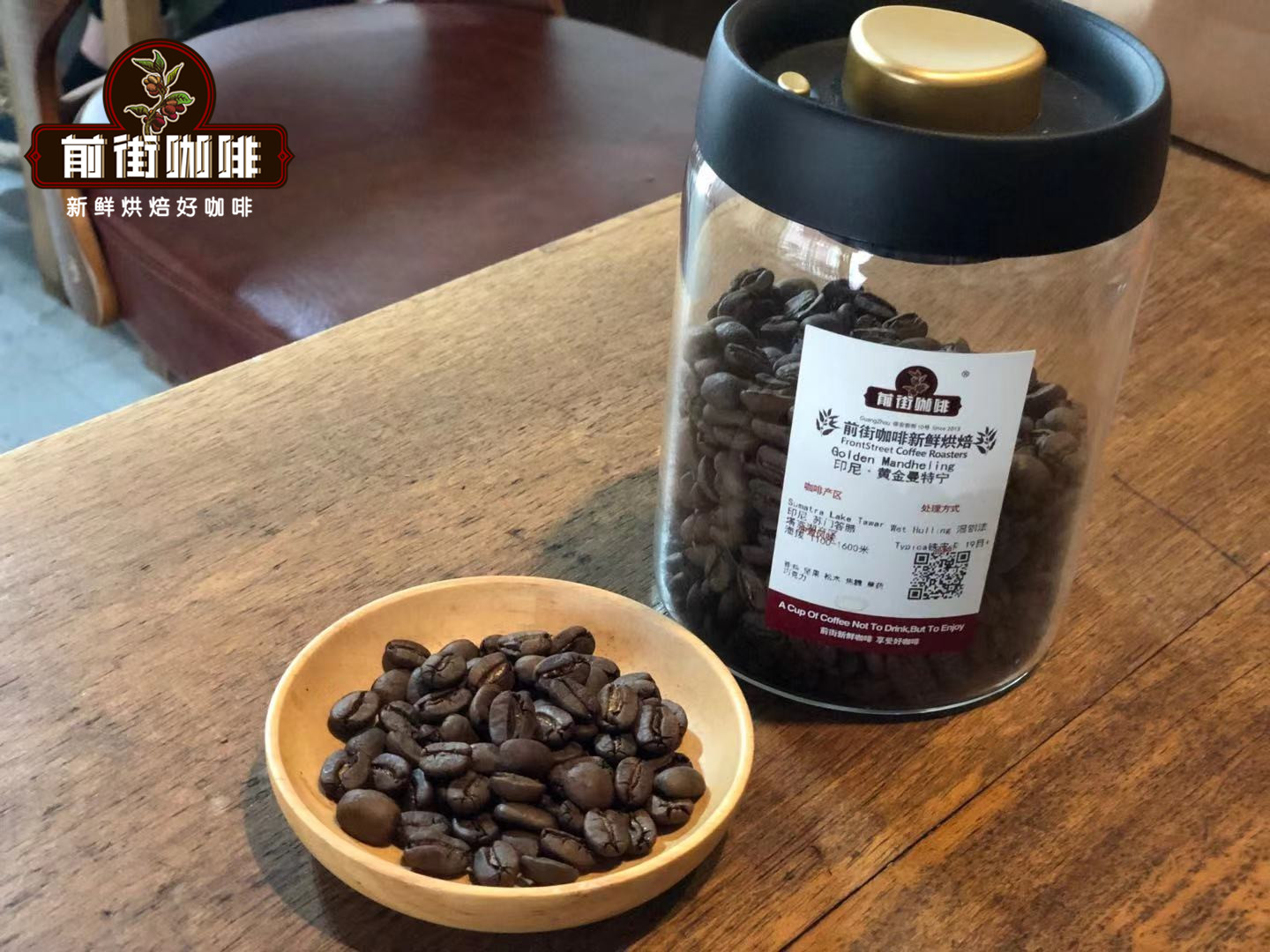
Country: Indonesia
Region: Sumatra, Aceh, Gayo Mountain
Altitude: 1100-1600m
Variety: Ateng
Processing: Wet-hulled
Flavor: Toasted bread, nuts, pine, caramel, herbal
Mandheling Brewing Parameters:
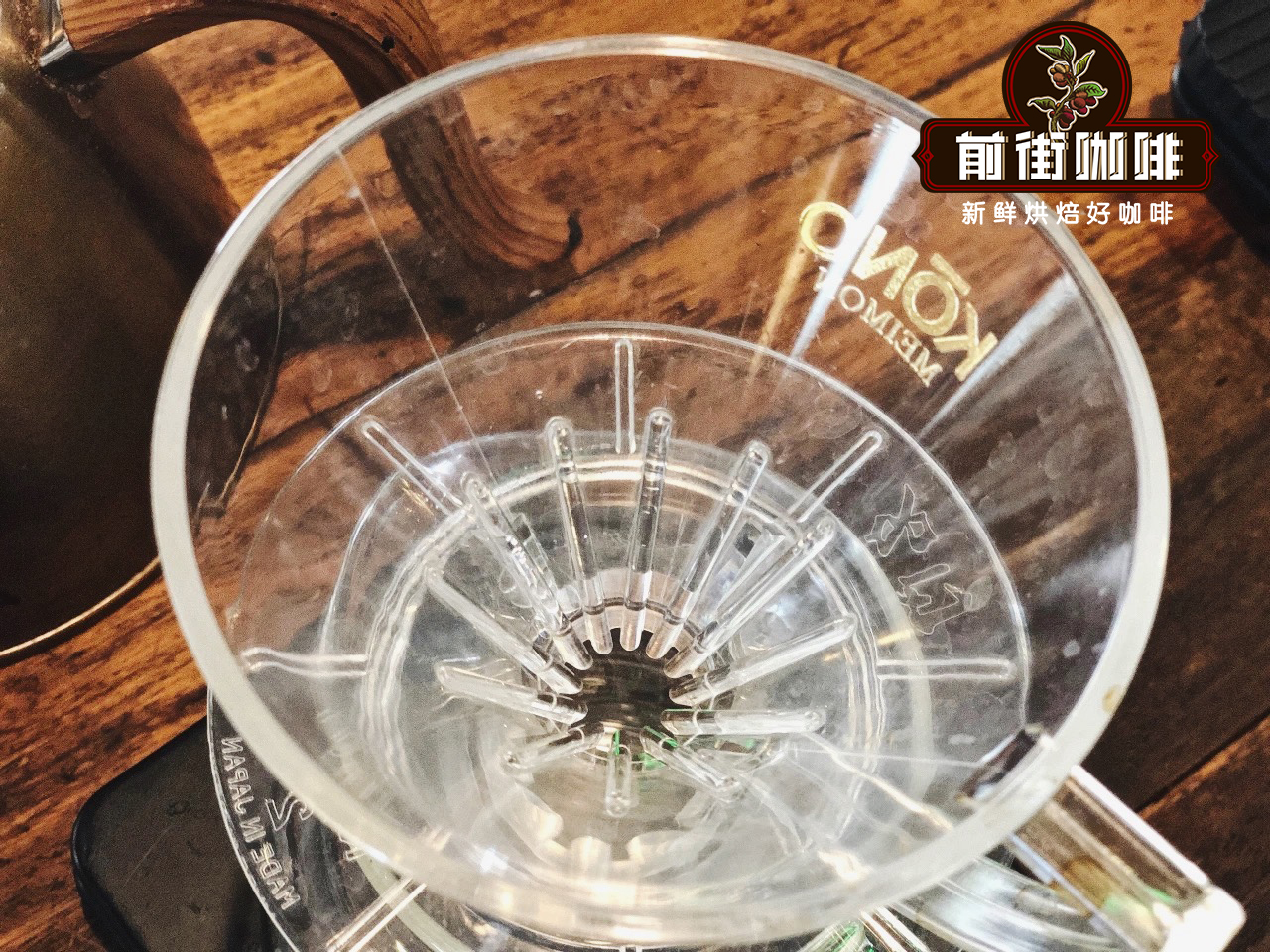
Kono filter cup, 1:15 coffee-to-water ratio, 15g coffee amount, 88°C water temperature, grind size (70-75% through #20 standard sieve)
Brewing Method: Segmented Extraction
First, use 30g of water for a 30-second bloom, then pour in small circles to 125g for the segmented stage. When the water level drops and the coffee bed is about to be exposed, continue pouring to 225g and stop. When the water level drops and the bed is about to be exposed again, remove the filter cup. (Timing starts from the bloom.) V60 filter cup extraction time is 2'00", while the Kono filter cup runs slightly longer at 2'10".
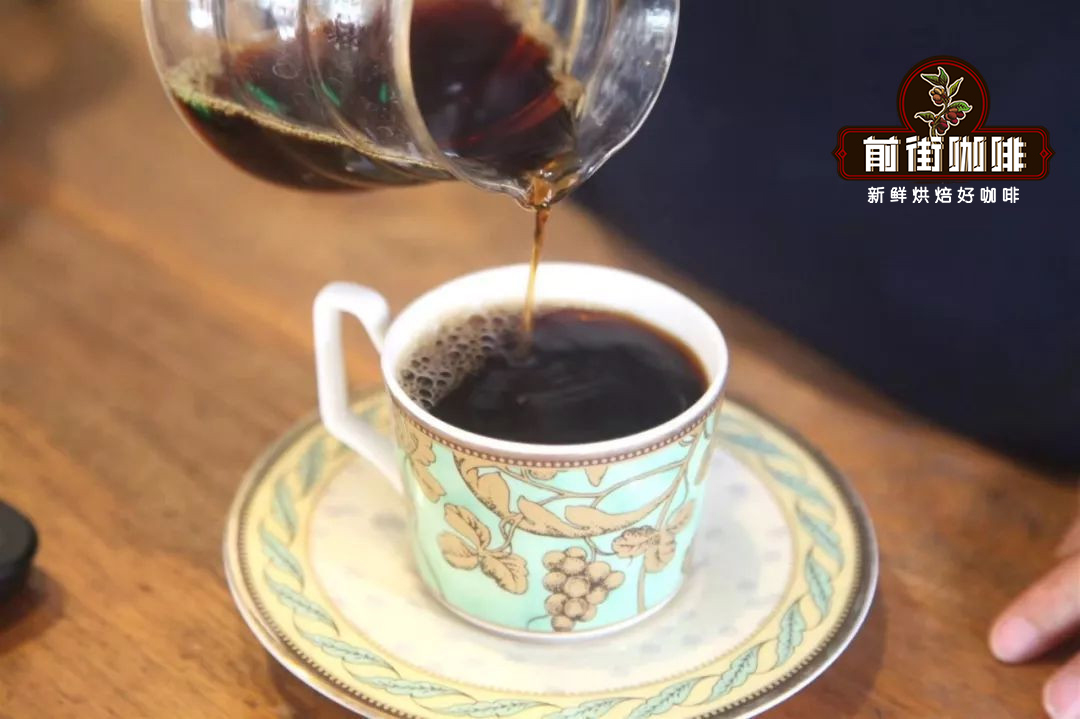
Golden Mandheling flavor description: multi-layered, rich and clean, with high balance, rich nut and caramel aromas, chocolate notes, and a persistent aftertaste.
That is FrontStreet Coffee's compilation of the types of pour-over equipment and the basics of pour-over coffee. At the same time, FrontStreet Coffee hopes this article gives pour-over enthusiasts useful theoretical knowledge to draw on while brewing.
FrontStreet Coffee Recommendation
Once your kit is in order, match the bean to the brewer. For the V60, reach for a light-roast, aromatic coffee that rewards fast extraction and shows off floral and fruit notes. FrontStreet's Gudgudina Cooperative coffee is a perfect fit: a washed Ethiopian from the Woka area at the southeastern edge of Yirgacheffe, with jasmine fragrance and bright citrus and lemon acidity, clean and delicate with no bitter edge.
For the Kono, which emphasizes immersion and body, a medium or medium-dark roast cooperates beautifully. FrontStreet's Brazil Queen Estate Yellow Bourbon comes from Mogiana near South Minas, where fertile red volcanic soil feeds the cherries; roasted medium, it delivers cane sugar, fruit, and chocolate with a rounded body. FrontStreet's PWN Golden Mandheling, a G1 lot at 18 screen and above with fewer than 3 defects in a 300g green sample, is medium-dark roasted for a low-acid, thick, herbal and dark-chocolate cup that the Kono's slower flow suits especially well.
And if you simply want the easiest, most crowd-pleasing pour-over, FrontStreet Huakui from the Hambella area of Guji, Sidamo brings strawberry, passion fruit, and jackfruit aromas with marked sweetness, very little bitterness, and a juicy body — a light-roast V60 coffee that convinces almost anyone.
Important Notice :
FrontStreet Coffee is a long-established specialty coffee roaster in Guangzhou China, selling freshly roasted beans from its own farm in Yunnan as well as dozens of carefully selected single-origin beans from around the world for both pour-over and espresso. The products deliver consistently excellent quality and great value, with shipping within 24 hours. Guangzhou's FrontStreet Coffee shop is recommended by many coffee lovers, and the beans are now available online at the Tmall 。
FrontStreet Coffee has moved to a new address:
FrontStreet Coffee Address: 315,Donghua East Road,GuangZhou
Tel:020 38364473
 Scan and follow the En Gafei WeChat official account. Please indicate that the reprint comes from "En Gafei".