French Press vs Pour-Over: Which Tastes Better? Which Coffee Maker is More Practical?
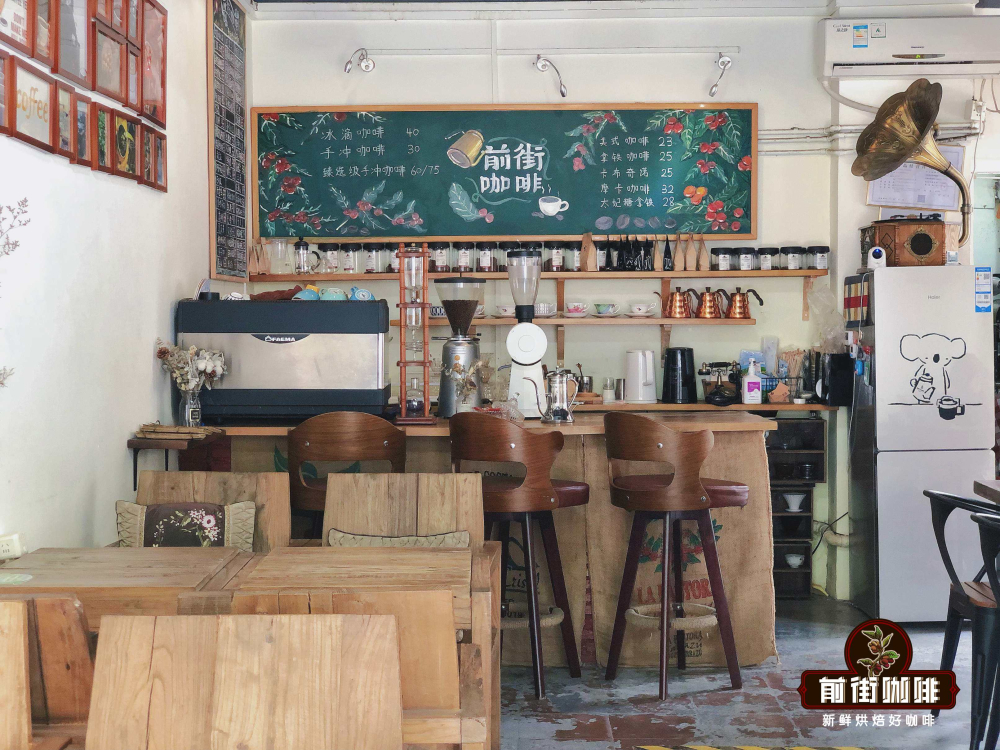
The Difference Between French Press and Pour-Over Coffee
Put simply, the difference between French press and pour-over comes down to immersion versus filtration. A French press is an immersion brewer, while pour-over is a drip method. Below, FrontStreet Coffee compares the two.
Taste Differences Between French Press and Pour-Over Coffee
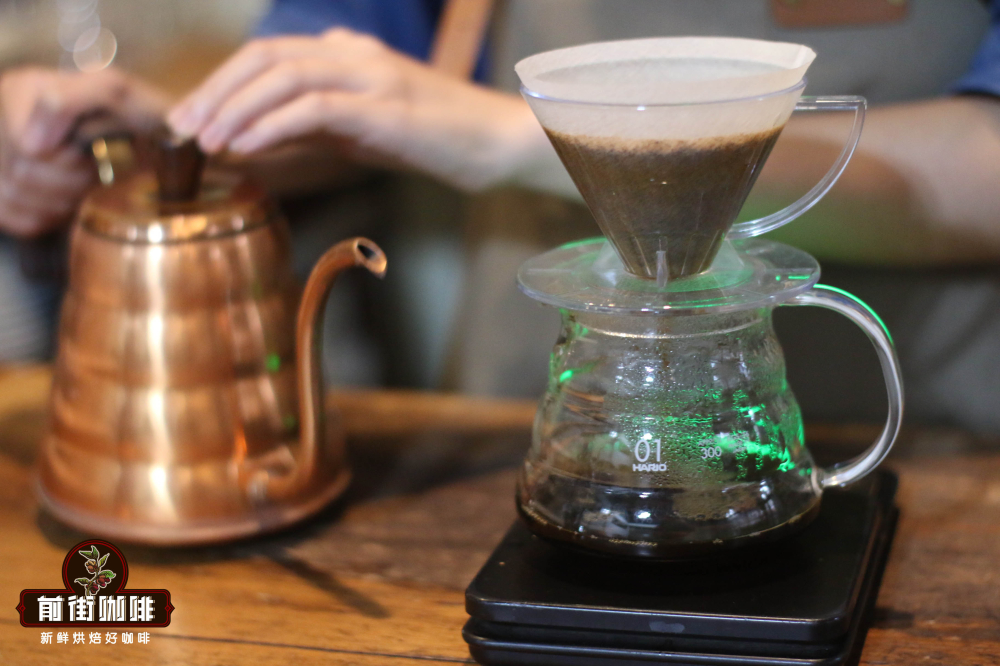
Pour-over is one of the most common ways coffee is served in specialty shops today. Under a barista's control of the brewing variables, each bean can show a unique flavor profile, so pour-over offers more variety and more room to play. Because the stream from a gooseneck kettle acts as the "extraction tool," stirring the grounds and drawing out their flavor compounds, the compounds released at each stage differ, which gives pour-over a more distinct sense of layers.
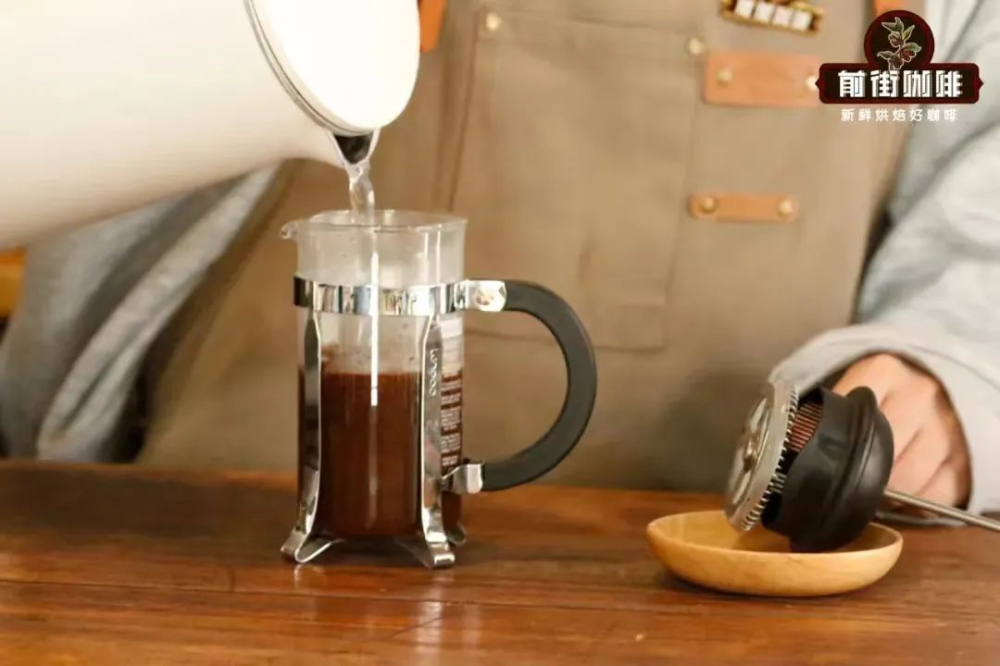
The fully immersive French press works much like brewing tea. Hot water is poured over the grounds all at once, seeps through them, and the flavor compounds are left to release. Finally the grounds are filtered out, leaving a cup of black coffee. The biggest advantage of immersion gear is that it needs no advanced technique and no special accessories; it is easier to master than pour-over, which is why the French press is often called the lazy person's coffee maker. Because the whole process is immersion, French press coffee leans toward a richer, fuller body and relatively balanced flavors.
What Equipment is Needed for Pour-Over?
To brew pour-over at home, you will need the following: a gooseneck kettle, a dripper, a server, a coffee grinder, filter paper, an electronic scale and a thermometer.
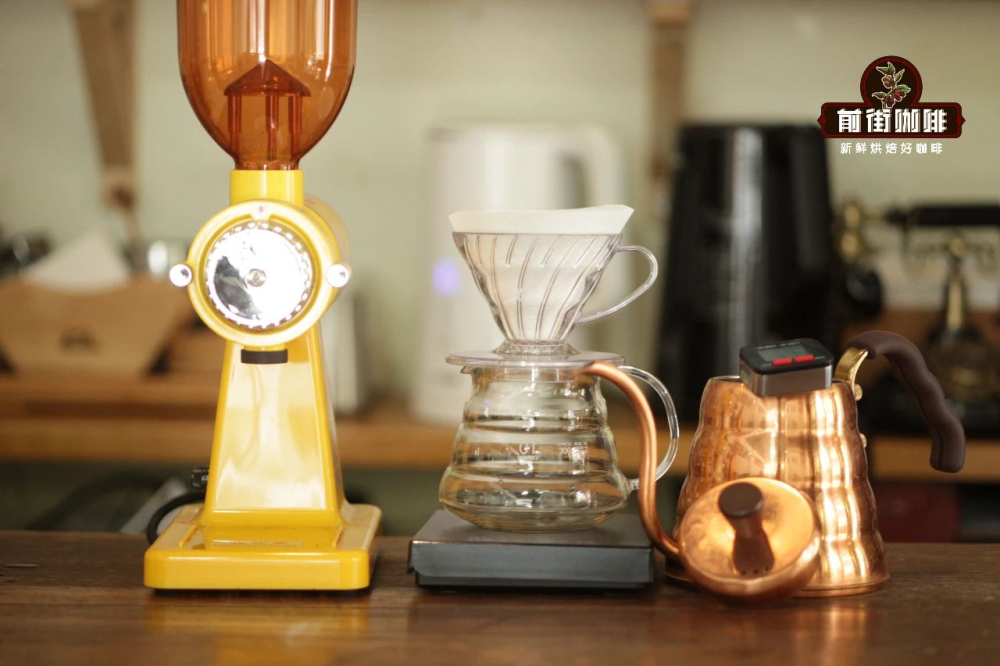
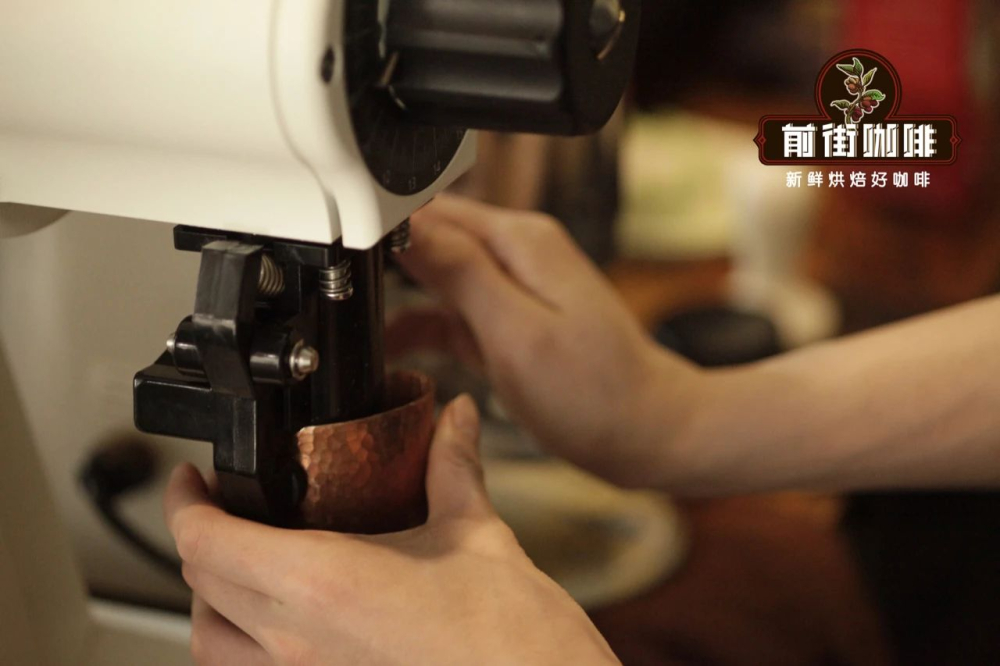
The grinder plays a very important role in pour-over and generally falls into two categories, manual and electric. Whichever you choose, the goal is an evenly ground bed of coffee. Grind size directly affects taste: too coarse and the coffee is prone to under-extraction and tastes weak, too fine and it is prone to over-extraction and tastes bitter. FrontStreet Coffee uses a tool to set grind size, a China No. 20 standard sieve with a 0.85 mm mesh. FrontStreet Coffee's Yirgacheffe, for example, is a hard, high-altitude light-to-medium roast, and to pull out more of its rich aromatics FrontStreet Coffee chooses a grind with an 80% pass rate through the No. 20 sieve, which corresponds to setting 10 on the EK43s grinder used in their stores.
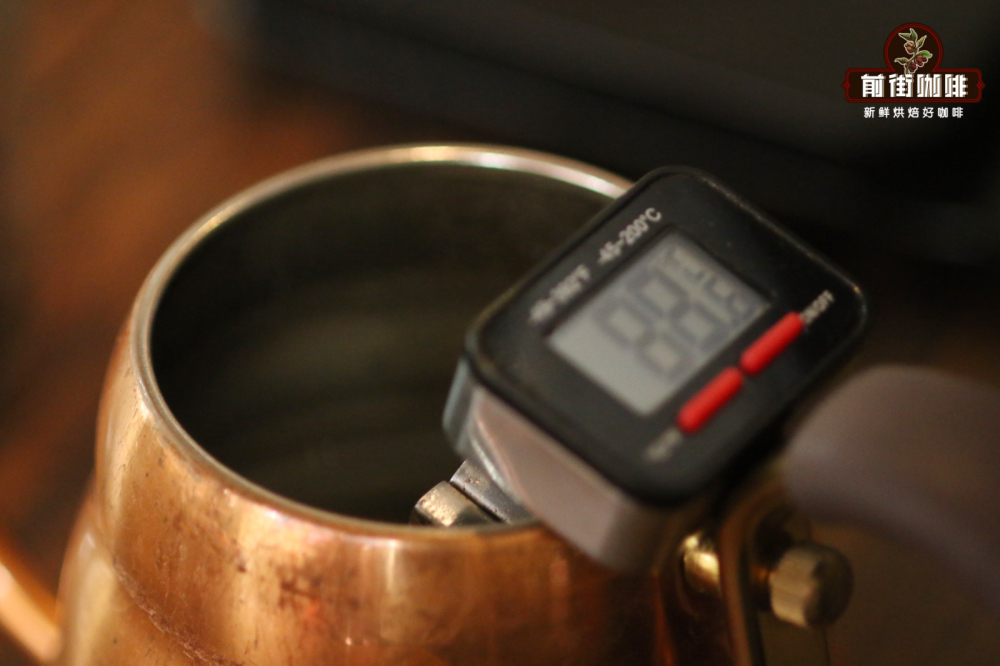
The thermometer measures the water temperature. Temperature works much like grind size: the hotter the water, the higher the extraction efficiency, the easier it is to release compounds, and the stronger the resulting cup. Near-boiling water, however, easily extracts harsh bitter compounds. For that reason FrontStreet Coffee brews medium-to-dark roasts differently from light roasts. FrontStreet Coffee recommends 87-90C for medium and dark roasted beans, while light roasts need higher temperatures to wake up their aroma, so 91-93C is used.
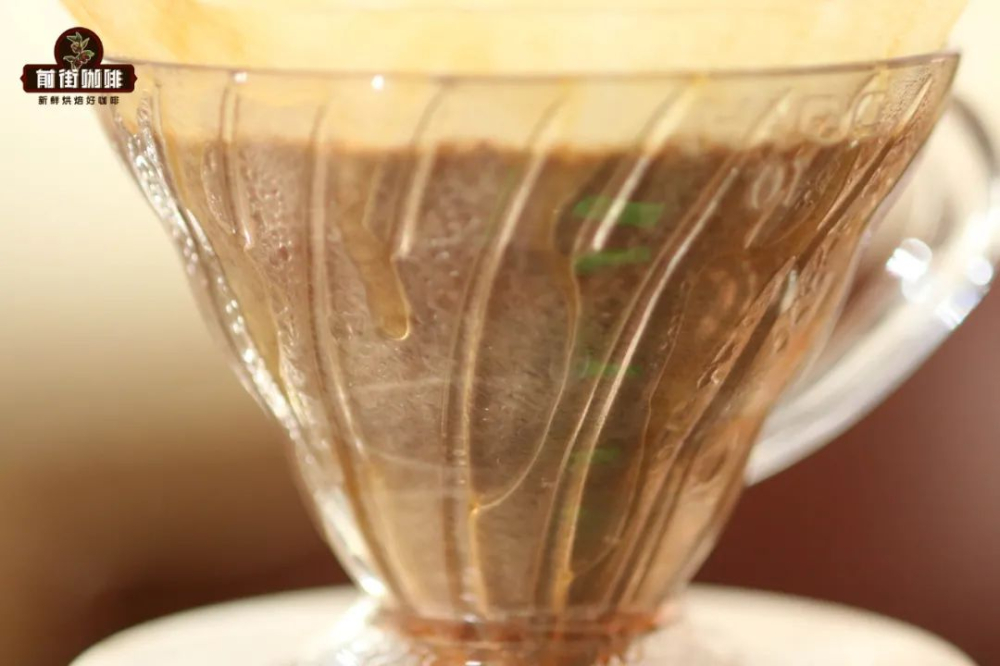
There are many styles of filter cup on the market. Different styles give different results during brewing and each needs its own filter paper to hold back the grounds. FrontStreet Coffee's daily store lineup typically uses Hario V60 and KONO filter cups. The V60 handles the light roasted beans, while the KONO cup takes on the more deeply roasted ones.
The gooseneck kettle is used to deliver hot water steadily onto the grounds. Its narrow spout pours a stable stream that rinses the coffee bed more evenly and releases flavor compounds. An electronic scale lets you control total water and extraction time so you can brew to the plan you designed. FrontStreet Coffee recommends a fast-reading electronic scale with a timer, or simply searching for "pour-over coffee scale" when shopping.
The Charm of Pour-Over Coffee
The charm of pour-over is the ability to fine-tune countless small variables, regulate extraction at each stage, and build a cup with the flavor and mouthfeel you personally enjoy. FrontStreet Coffee believes every parameter above matters, and mastering them leads to more stable extraction and better flavor.
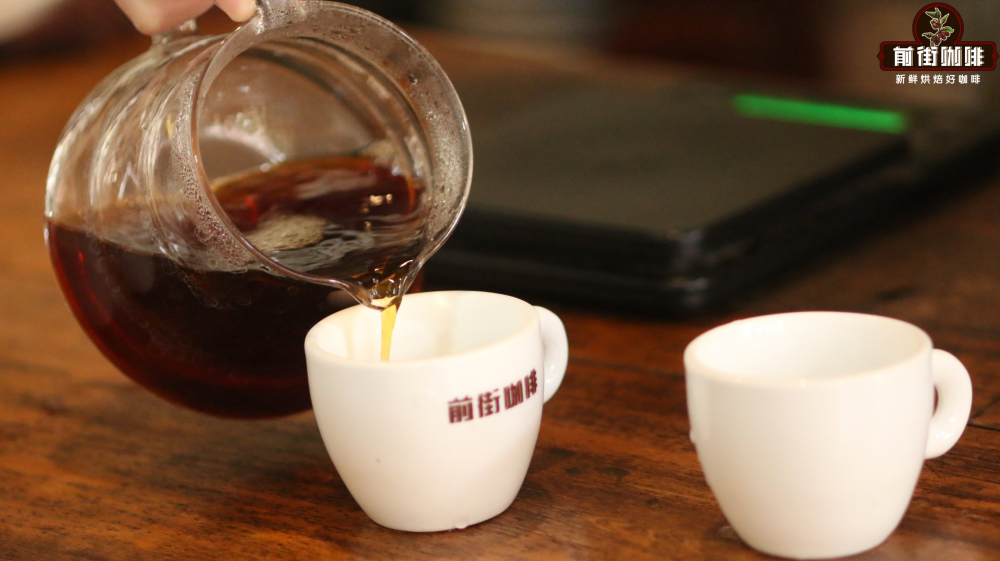
How to Operate a French Press?
A French press is made up of a cylindrical carafe and a lid. In the middle of the lid sits a metal filter that can be pushed up and down to separate the grounds from the liquid and control extraction. The principle is much like brewing tea: the grounds steep in hot water for a set time, then the plunger is pressed down to filter the coffee.
Unlike the many steps of pour-over, the French press pours all its water in at once, which makes it far simpler. That leaves just four factors affecting the cup: coffee-to-water ratio, grind size, water temperature and steeping time. As with cupping, extraction is fairly stable, so the coffee's flavor reflects its original character more directly.
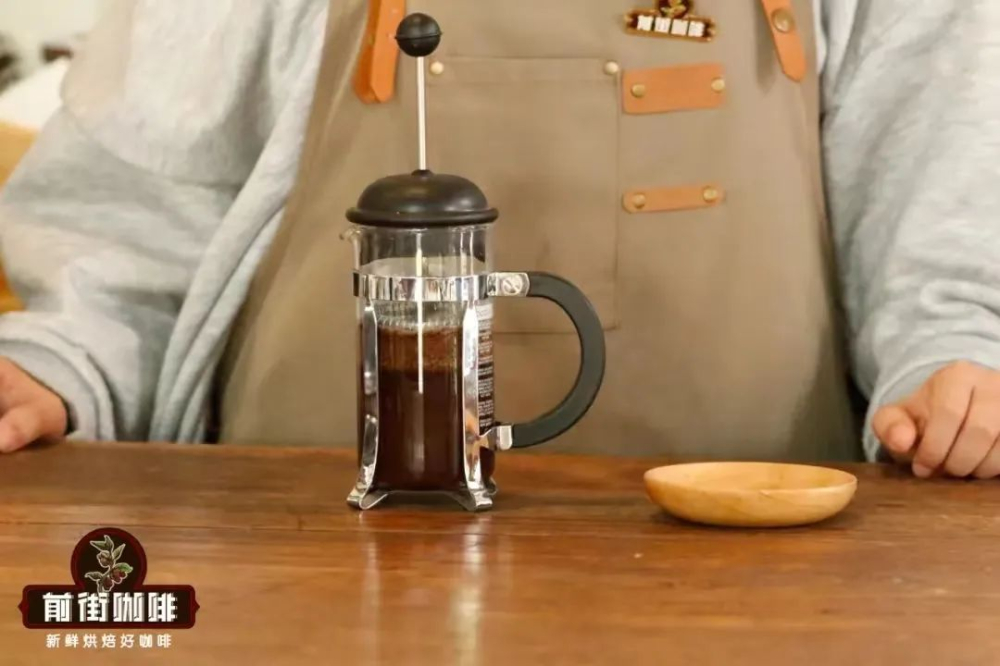
Because the French press adds all its water at once, the extraction temperature falls steadily over time, so it needs slightly hotter water than pour-over. For an acidic light-to-medium roast, 92-94C works well, while a bitter medium-to-dark roast is better at 89-90C. In autumn and winter, when room temperature is lower, preheat the French press with boiling water to reduce heat loss during extraction.
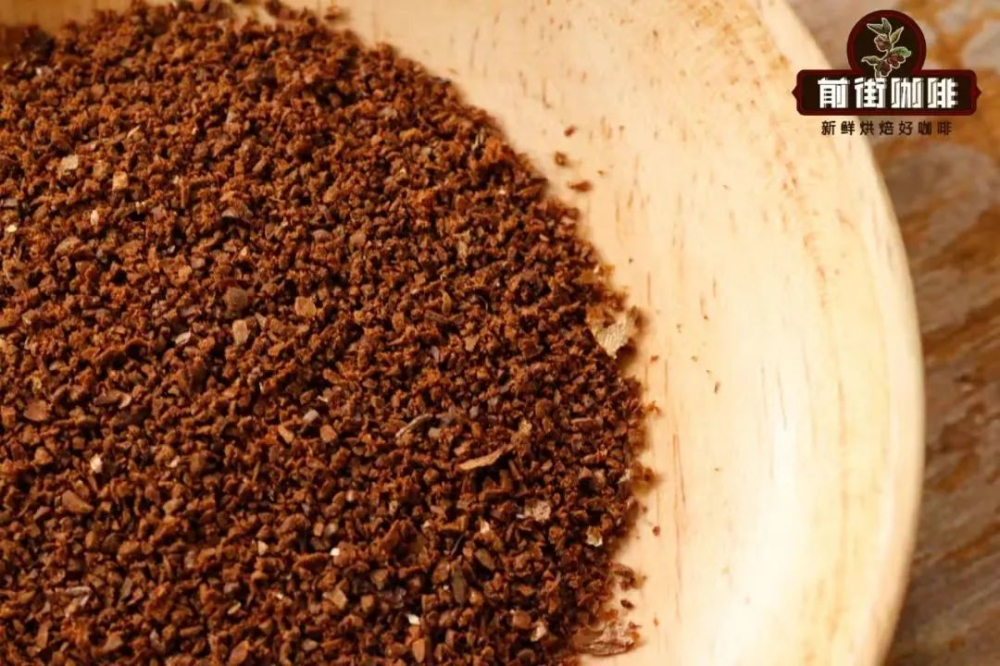
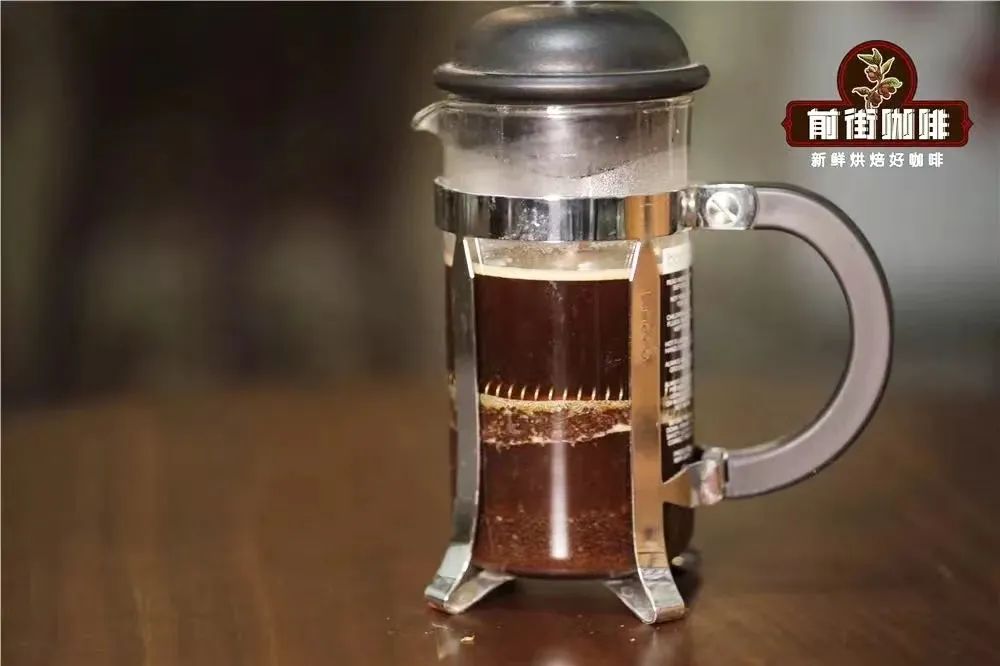
Time is the parameter you can control most freely with a French press. Without any manual stirring, steeping time becomes one of the key factors in extraction rate. All else being equal, the longer the steep the richer the taste, but it also risks over-extraction, which brings bitterness, astringency and woody notes. Paired with a coarse grind, FrontStreet Coffee recommends about 4 minutes of steeping for light-to-medium roasts. Medium-to-dark roasts give up their bitter compounds more easily, so 3 minutes 30 seconds is enough. That window lets the positive flavor compounds fully release while avoiding the harsh notes that come from over-steeping.
Which is Better: Pour-Over or French Press?
If you ask FrontStreet Coffee whether pour-over or French press is better, there is no standard answer; whatever suits you is best. If you want to taste richer, more varied layers in your coffee, choose pour-over. If you want simple operation that still yields a fragrant cup of black coffee, choose the French press.
FrontStreet Coffee Recommendation
For a French press, FrontStreet Coffee suggests starting with a medium or dark roast, since immersion extraction over several minutes tends to pull high acidity and mask the delicate floral and fruit notes of a light roast. FrontStreet Coffee's PWN Golden Mandheling is a good fit: it is deep roasted, low in acidity and full of herb, caramel, cedar and dark chocolate aromas, and it produces a thick, oily, full-bodied French press cup.
If you prefer a lighter, more aromatic style, try FrontStreet Coffee's Strawberry Candy, a Geisha blend built from Costa Rica honey-processed coffee and Panama washed Geisha. Brewed in a French press it releases rose, citrus, grape and raisin aromas, and with milk it tastes of strawberry gummy candy.
For the French press itself, FrontStreet Coffee recommends a coarse grind the size of coarse sugar, roughly setting 10.5 on an EK43s or 26 clicks on a hand grinder, closer to small gravel than fine sand. A common starting ratio is 1:15, or 15 g of coffee to 225 g of water, which typically gives a concentration of about 1.1-1.2%. Use water at around 90C, pour it in, stir gently, and let it steep for about 4 minutes before pressing slowly to the bottom.
Important Notice :
FrontStreet Coffee is a long-established specialty coffee roaster in Guangzhou China, selling freshly roasted beans from its own farm in Yunnan as well as dozens of carefully selected single-origin beans from around the world for both pour-over and espresso. The products deliver consistently excellent quality and great value, with shipping within 24 hours. Guangzhou's FrontStreet Coffee shop is recommended by many coffee lovers, and the beans are now available online at the Tmall 。
FrontStreet Coffee has moved to a new address:
FrontStreet Coffee Address: 315,Donghua East Road,GuangZhou
Tel:020 38364473
 Scan and follow the En Gafei WeChat official account. Please indicate that the reprint comes from "En Gafei".