Coffee Bean Roasting | What Are Roasting Defects in Coffee | Which Defects Belong to Roasting
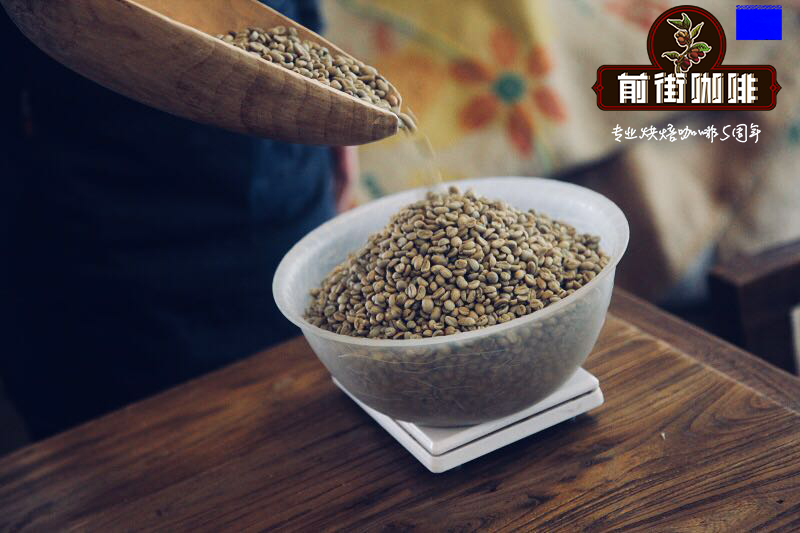
Some flaws in coffee flavor come from defects in the green bean, some are created during roasting, and others appear during brewing. Today FrontStreet Coffee will start with the defects that can occur during roasting.
The Definition of Roasting
Coffee roasting is the process of heating green beans to drive a series of physical and chemical reactions inside and outside the bean. Those reactions generate acidity, bitterness, and sweetness, build body and color, and turn a raw green bean into a dark brown one.
Baking
This roasting defect looks no different from a normal roast; it can only be caught by tasting.
The beans absorb very little heat in the roaster, and with less heat absorbed, the total roasting time stretches out. Coffee aroma is highly volatile, so a longer roast naturally lets more of it escape. Coffee roasted this way has a very weak aroma, with grainy and toasted-bread flavors.
Imagine what a loaf of bread would taste like if it were baked in a low oven for a very long time.
Chipping
Coffee roasting has two cracking stages. The first crack happens when moisture inside the bean's fibers cannot escape. Heat builds pressure, and when the cell wall can no longer hold it, the bean cracks with a popping sound. The second crack comes from the bean's woody fiber structure. Under combustion heat, the bean undergoes thermal pyrolysis and the woody structure breaks with a "pop, pop, pop."
During the first crack, the cell wall is ruptured by pressure.
Back to our subject: what we call chipping occurs during the second crack. Why does the surface of the bean flake away? The bean absorbed too little heat during the first crack, so it did not expand enough. During the second crack the surface takes in more heat while the interior takes in less, creating a large hardness difference between the outer and inner layers. The lower-density surface then peels off. Green beans of lower density are also prone to this defect.
During the second crack, the woody structure breaks down.
Top Tipping
This roasting defect has both a good side and a bad side. The ends of the coffee bean have the lowest density, and the lowest density absorbs the most heat. In a light roast, extra heat at the ends can bring sweetness, but in a dark roast, too much heat at the ends leads to carbonized and smoky flavors in the cup.
Scorching
Before discussing this defect, it helps to understand the three heat sources in a coffee roaster: convection, conduction, and radiation. Machines that rely more on convection are less likely to scorch beans, because the hot air covers them well and lets them absorb heat more evenly. Scorching is more likely in machines with more conduction and radiation, since those two sources transfer heat quickly but inefficiently, making it easy for a single spot to take on too much heat.
Most modern roasters lean on hot air, so this defect is less common today. It typically shows up in hand-net roasting and in roasters that rely heavily on conduction.
Fast Roasting (Underdevelopment)
Fast roasting, or underdevelopment, looks much the same as a normal roast to the naked eye and is unrelated to the degree of roast. Do not assume a light roast means a fast roast. Fast roasting simply means the total roasting time was too short; this leaves aside the differences between roaster brands and assumes otherwise normal roasting conditions.
FrontStreet Coffee Recommendation
Since roasting is what decides whether the flavors in the bean ever reach the cup, it is worth tasting what a well-developed medium roast can do. The FrontStreet Brazil Queen's Estate is a good place to start. A rare yellow Bourbon from Brazil, the world's largest coffee producer, it is roasted to a medium level and shows cream, peanut, chocolate, toasted bread, and sugarcane on both the nose and the palate, with a clean, sweet, rounded cup that works just as well in a pour-over as in a moka pot or an espresso machine.
If you prefer your medium roast on the sweeter, fruitier side, try the FrontStreet Strawberry Candy Geisha Blend. It brings together two renowned Central and South American origins, a honey-processed Costa Rican coffee and a washed Panamanian Geisha, and FrontStreet roasts it to a medium level so that both orange-blossom honey and a rounded sweetness come through. It suits cold brew, pour-over, and espresso alike, and it goes down remarkably easily.
Important Notice :
FrontStreet Coffee is a long-established specialty coffee roaster in Guangzhou China, selling freshly roasted beans from its own farm in Yunnan as well as dozens of carefully selected single-origin beans from around the world for both pour-over and espresso. The products deliver consistently excellent quality and great value, with shipping within 24 hours. Guangzhou's FrontStreet Coffee shop is recommended by many coffee lovers, and the beans are now available online at the Tmall 。
FrontStreet Coffee has moved to a new address:
FrontStreet Coffee Address: 315,Donghua East Road,GuangZhou
Tel:020 38364473
 Scan and follow the En Gafei WeChat official account. Please indicate that the reprint comes from "En Gafei".