
What Does Espresso Coffee Bean Mean: What's the Difference Between Espresso Blend and Single-Origin Coffee Beans

Understanding Espresso: Extraction Method and Beverage
"Espresso" can mean both an extraction method and the beverage it produces. As a method, it is the most familiar to the general public — and perhaps because it is so familiar, it also raises the most questions.
Beginners commonly ask: "How do I select and store espresso beans?" "Are espresso beans blends or single origins?" "What roast level should espresso beans be?" "Can espresso blends count as specialty coffee?" "Is it normal for espresso to taste acidic?"

How to Select and Store Espresso Beans?
FrontStreet Coffee has always sold only freshly roasted beans, because only freshly roasted, freshly ground, freshly extracted espresso delivers a rich, full-bodied taste and intense aromatics. So that every enthusiast experiences fresh roast, all beans ordered online ship within 5 days of roasting.

Store espresso beans in their original packaging (with a one-way degassing valve) or in a sealed container, in a dry, cool place. Once ground, aromatic molecules dissipate much faster, so buy whole beans and grind just before brewing.
Are Espresso Beans Made from Blends or Single Origins?
Both blends and single origins can make espresso; each has trade-offs.
The strength of an espresso blend is consistency — every cup keeps the same quality and flavor, at lower cost. Its weakness is a more monotone profile: most blend-based espresso shows only rich, intense flavors. A single origin can make espresso express a unique, one-of-a-kind character, but extraction is less stable and the cost higher.

FrontStreet's cafes pull their daily espresso from blends, which hold taste and quality steadier cup after cup. Based on general taste preferences, FrontStreet has also launched four espresso blends designed specifically for the task.
FrontStreet Coffee - Warm Sun Blend
A wine-aroma-led bean: 30% FrontStreet Ethiopia Natural Red Cherry + 70% FrontStreet Honduras Sherry barrel-aged. Rich wine aromas, vanilla cream, sweet-sour berries, roasted nuts.

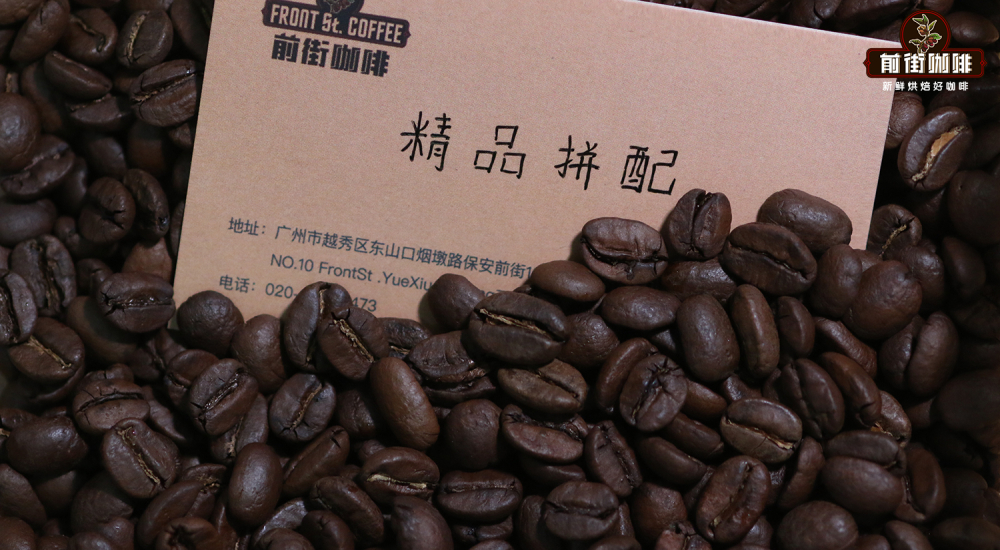
FrontStreet Coffee - Specialty Blend
A nut-aroma-led bean: 30% Colombian washed + 70% Brazil natural. Nut, dark chocolate, and caramel flavors, meeting the daily needs of cafe operations.
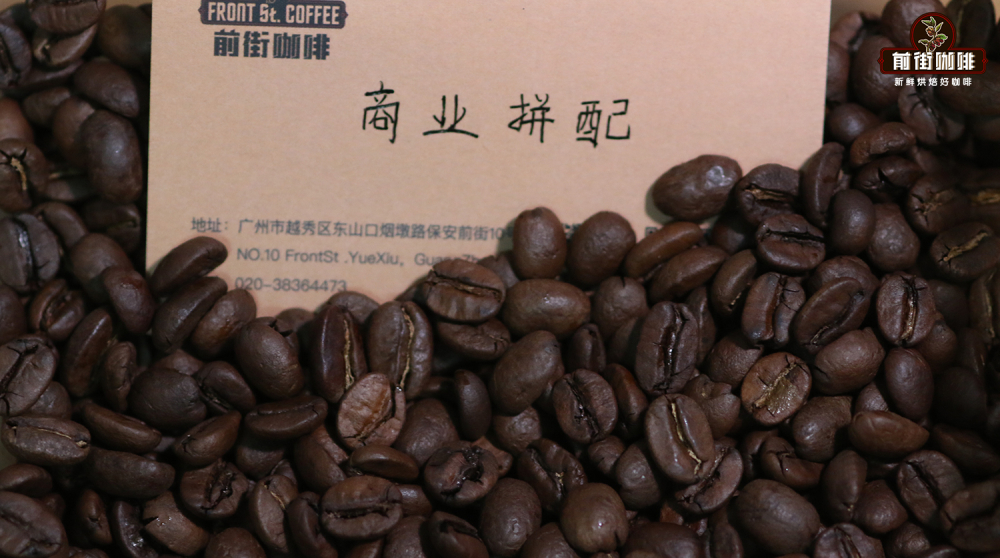
FrontStreet Coffee - Commercial Blend
A body-led bean: 10% washed robusta + 30% Colombian washed + 60% Brazil natural. Nut, cocoa, and caramel flavors with high body, suitable for daily cafe production.
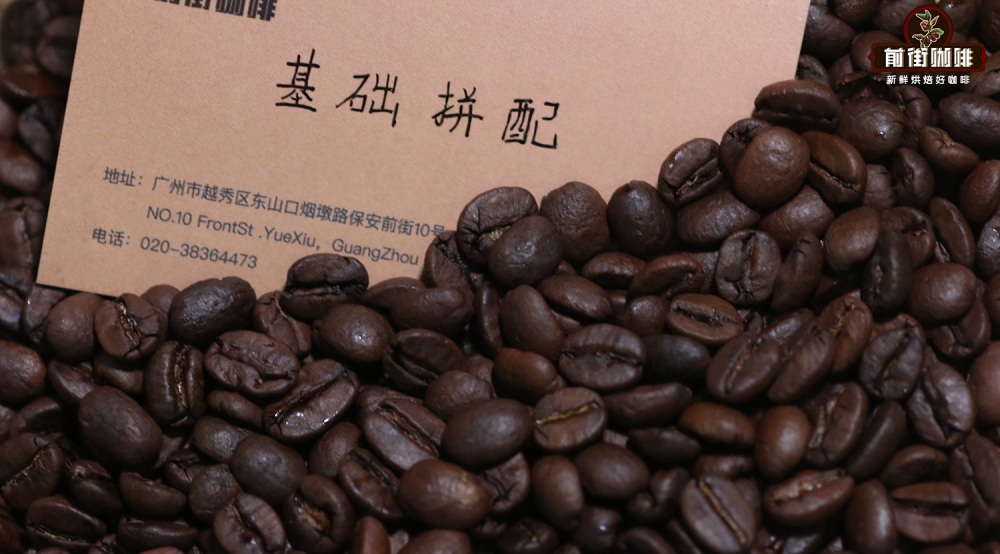
FrontStreet Coffee - Basic Blend
A lightly acidic, rich-bodied bean: 30% Yunnan washed small-bean + 70% Brazil natural. Soft fruit acidity, caramel, and nut flavors. This cost-effective espresso bean suits businesses and home users who prioritize price over nuance.
Roast Level of Espresso Beans
To guarantee a rich, full-bodied cup, FrontStreet roasts its espresso beans medium-dark. Longer roasting also means the beans hold more carbon dioxide afterward.
CO2 helps preserve flavor, but too much of it destabilizes extraction. After receiving your beans, rest them in the original packaging for 5-6 days from the roast date, letting the gas escape through the one-way valve until extraction stabilizes.

Light roasts are beloved in pour-over, where pressure-free drip at the right ratios draws out bright sweet-sour sensations. Espresso, however, is pressure extraction: many sweet-sour compounds that shine in pour-over turn sharp and unpleasant under high pressure and concentration. Light roasts also spend less time in the roaster, producing fewer caramelization reactions and fewer rich flavor compounds — so light-roast espresso usually tastes thin and lacks body.
Are Espresso Blends Specialty Coffee?
Absolutely! As long as the beans in the blend meet the specialty standards set by origin and the SCA (Specialty Coffee Association), blends count as specialty coffee just as single origins do.

Is It Normal for Espresso Beans to Be Acidic?
Yes, completely normal! An espresso's flavor comes from the beans themselves. If your espresso tastes acidic, the merchant used beans with fruity-acid characteristics — whether a single origin or a blend.
FrontStreet Coffee Recommendation
Espresso beans generally come in two camps: the blends most cafes reach for first, and single-origin espresso — SOE — chosen for a specific taste. Blends mix beans from different origins to build a more balanced flavor: if one bean is smooth but shy on aroma, another aromatic bean fills the gap. The point of blending is simply to make the coffee better.
For traditional-style Americanos and lattes, the FrontStreet Classic Blend and Commercial Blend are the picks: both add a small proportion of robusta to an old-school Italian recipe, yielding butter, nut, spice, dark chocolate, and toast aromas, a wild and thick body, and a bursting golden crema that makes latte art easy. For those who love almond, walnut, and cashew notes, the Premium Blend and Black Cocoa Blend lean on a large share of Brazil for creamy-peanut smoothness and comfortable bittersweetness — the Premium adds Colombia's nut, chocolate, and caramel with balanced acidity, while the Black Cocoa brings Yunnan small-bean ripe-plum acidity and a creamy chocolate fragrance, doubling as the base for signature drinks.
If you want an SOE that showcases origin character, FrontStreet offers three favorites. The Natural Huakui SOE from Guji Hambela, Ethiopia — grown up to 2300 m, natural-processed, medium roasted — pours cream, cocoa, berries, delicate florals, and black tea. The Costa Rica Blackberry SOE, a honey process from a fully ripe harvest, is the sweet-tooth's choice: crisp and sweet as an Americano, with cranberry cookie, raisin, and nut flavors in a latte. And the Brazil Queen Estate SOE, a low-acid Yellow Bourbon roasted medium-dark, delivers butter cookie, macadamia, and toasted-bread notes with dependable extraction stability — proof that a single origin can be both expressive and affordable.
Important Notice :
FrontStreet Coffee is a long-established specialty coffee roaster in Guangzhou China, selling freshly roasted beans from its own farm in Yunnan as well as dozens of carefully selected single-origin beans from around the world for both pour-over and espresso. The products deliver consistently excellent quality and great value, with shipping within 24 hours. Guangzhou's FrontStreet Coffee shop is recommended by many coffee lovers, and the beans are now available online at the Tmall 。
FrontStreet Coffee has moved to a new address:
FrontStreet Coffee Address: 315,Donghua East Road,GuangZhou
Tel:020 38364473
 Scan and follow the En Gafei WeChat official account. Please indicate that the reprint comes from "En Gafei".

